Deep Gluteal Syndrome: Home Floor Care and Stretches
What Is Deep Gluteal Syndrome?
What is deep gluteal syndrome? Deep gluteal syndrome is an umbrella concept describing non-disc discomfort and nerve irritation occurring in the posterior hip and buttock region. In many fitness spaces, athletes describe deep gluteal syndrome as persistent tightness or aching that flares during hip flexion, deep squats, or long periods resting on hard furniture. Rather than stemming from a spinal disc herniation, this gluteal syndrome involves soft tissue structures pressing against or irritating the nerve pathway as it travels through the retro-trochanteric space.
Understanding what is deep gluteal syndrome helps fitness enthusiasts tailor their workouts and home recovery sessions. When tissue in the posterior hip becomes irritated, the resulting deep gluteal pain can make routine lower-body training frustrating. Athletes often notice that deep gluteal syndrome restricts their range of motion when transitioning from standing to seated postures or when executing floor exercises.
Recognizing Deep Gluteal Syndrome Symptoms
Common deep gluteal syndrome symptoms typically present as localized buttock pain that can radiate down the back of the leg. People dealing with deep gluteal syndrome symptoms frequently report an uncomfortable dull ache deep within the hip pocket that intensifies when resting on unpadded surfaces. In addition to buttock pain, deep gluteal syndrome symptoms may include tingling, reduced hip mobility, and tightness when walking uphill or climbing stairs. Because these sensations can mimic other lower-body issues, paying close attention to your body during floor movements can help you spot movement restrictions early.
Deep Gluteal Syndrome vs Piriformis Syndrome
When comparing deep gluteal syndrome vs piriformis syndrome, the distinction comes down to anatomical scope. Piriformis syndrome specifically refers to irritation caused by the piriformis muscle compressing the sciatic nerve. In contrast, deep gluteal syndrome vs piriformis syndrome represents a broader category where any structure in the posterior hip compartment—including the obturator internus, gemelli complexes, or fibrous bands—causes entrapment of the sciatic nerve in the gluteal space.
While piriformis syndrome is one specific manifestation, deep gluteal pain syndrome encompasses multiple soft tissue interactions. Recognizing whether your discomfort is isolated to the piriformis muscle or involves surrounding deep gluteal muscles allows you to structure a more comprehensive floor mobility plan for your home gym setup.
What Causes Deep Gluteal Syndrome and Nerve Tension?
What causes deep gluteal syndrome during routine training and daily work? What causes deep gluteal syndrome is typically a combination of sustained muscular tension, sudden increases in workout volume, and extended mechanical compression from sitting on hard surfaces. Overworking the posterior chain without balanced hip mobility routines can create chronic tightness in the deep gluteal muscles, leading to unwanted nerve tension.
Deep Gluteal Muscles and Prolonged Sitting
The deep gluteal muscles serve an essential role as external hip rotators and pelvis stabilizers. However, prolonged sitting exerts direct pressure onto these tissues. When desk work involves prolonged sitting on firm office chairs, the gluteal space becomes mechanically compressed. This pressure, combined with inactive hip rotators, increases the risk of entrapment of the sciatic nerve in the gluteal space.
Furthermore, rapid increases in strength volume can fatigue the external rotators. When managing your workout schedule, taking a balanced view of progress helps protect your joints. For realistic expectations on training adaptations, reading our how long does it take to build leg muscle breakdown can help you plan balanced progression without overloading your hips. When lower-body training ramps up too quickly without adequate warm-ups, the sciatic nerve can become irritated as it glides past active muscle bellies.
Gym Flooring and Floor Cushioning for Deep Gluteal Pain
Managing deep gluteal pain at home requires an environment that relieves direct contact stress on sensitive bony landmarks. Placing an exercise mat directly over hard concrete or hardwood can make the difference between a productive mobility routine and painful pelvic alignment issues. Proper floor cushioning redistributes weight across the hips, thighs, and pelvis, preventing concentrated pressure points from irritating the deep gluteal muscles.
Selecting a Non-Slip Surface and Dense Padding
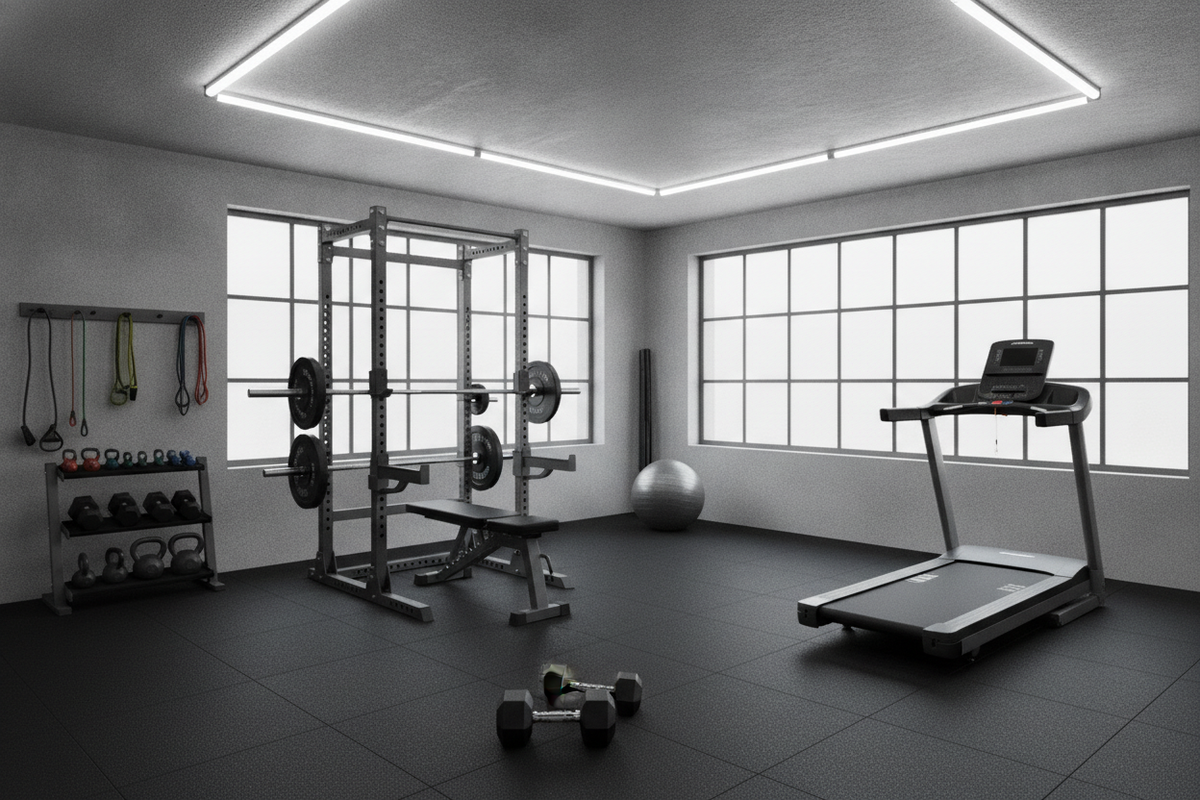
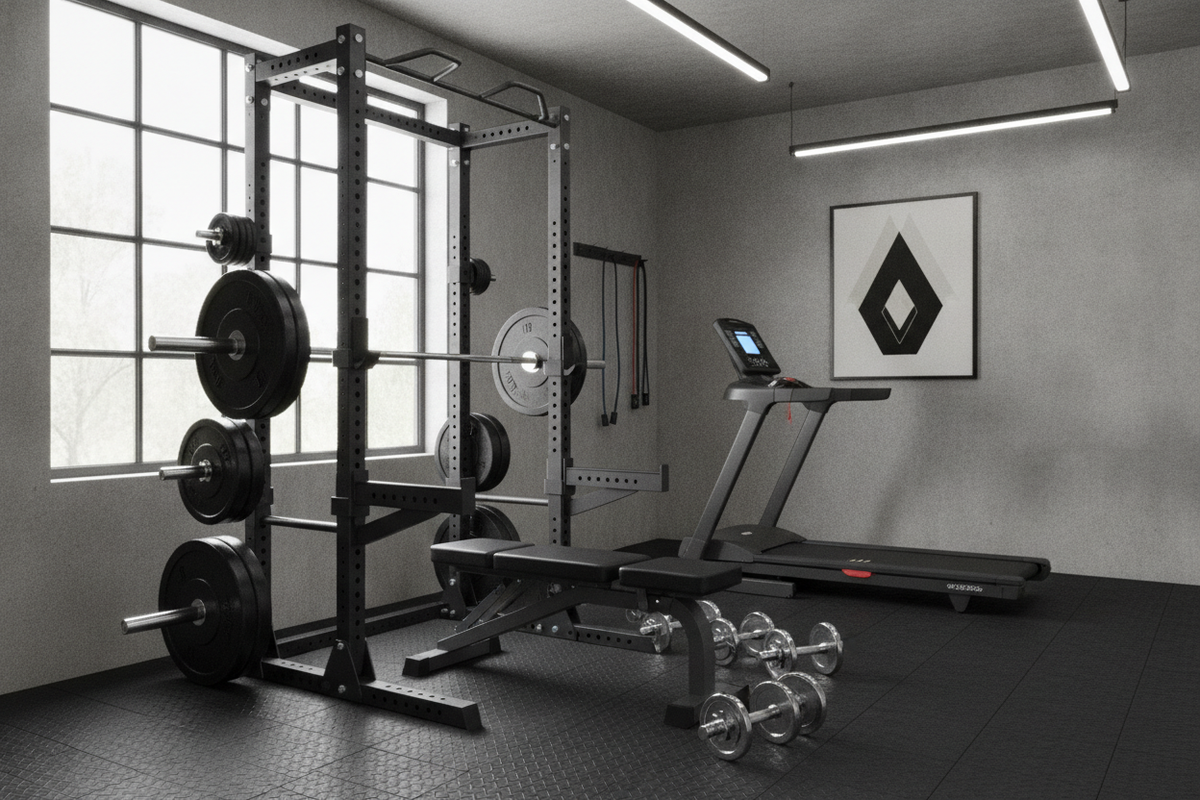
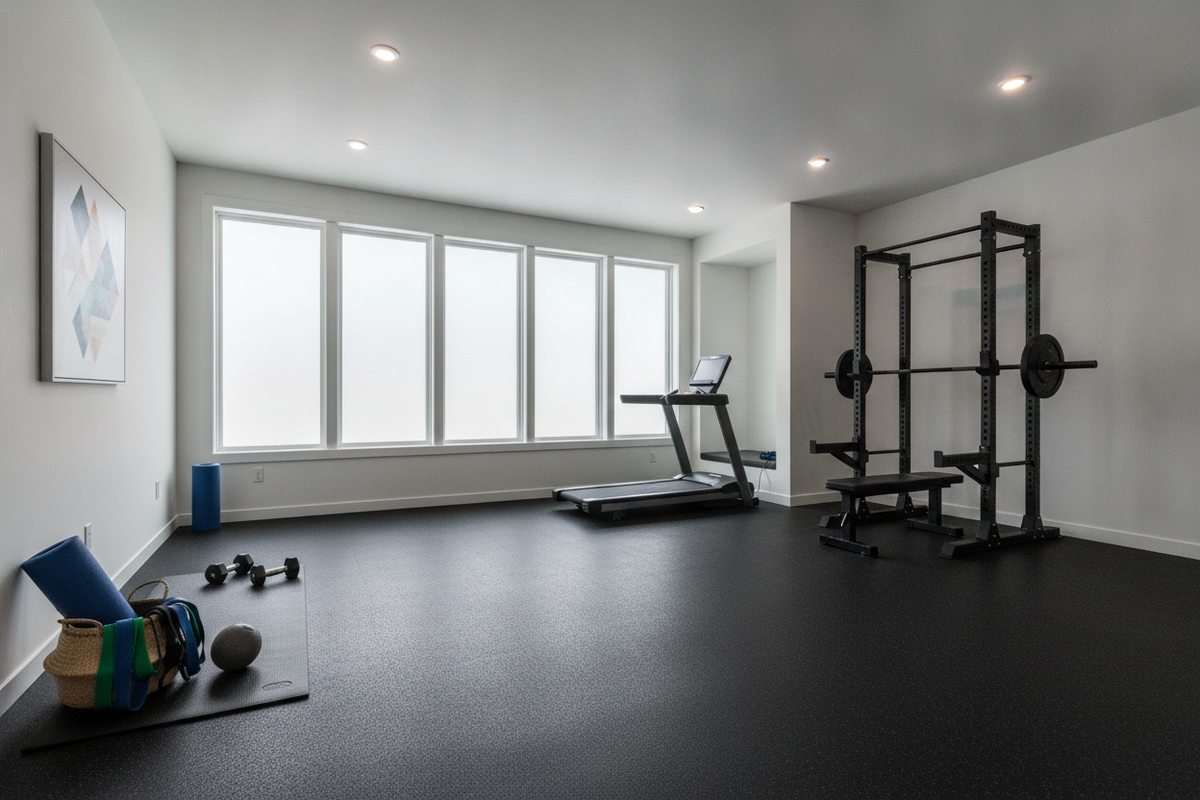
A quality home gym setup should feature shock-absorbing gym flooring that supports floor mobility drills. When addressing gluteal pain syndrome, standard thin yoga mats often compress completely under body weight, forcing the sacrum and piriformis muscle against hard subfloors. Choosing high-density gym flooring with durable floor cushioning creates an inviting space for daily rehabilitation work.
Additionally, a textured non-slip surface provides necessary traction when transitioning between stretches. When your feet or hands slide, your hip rotators reflexively contract to prevent slipping, which counteracts your goal of relaxing tight tissues. A reliable non-slip surface ensures your pelvic alignment stays neutral, letting you decompress the sciatic nerve without guarded muscle tension.
Gentle Floor Exercises for Deep Gluteal Pain Syndrome
Performing low-impact floor exercises on a thick exercise mat can gradually restore hip mobility and relieve deep gluteal pain. Rather than forcing aggressive end-range positions, gentle floor exercises encourage healthy blood flow and smooth gliding of the sciatic nerve through the deep gluteal space.
Targeted Stretches and Soft Tissue Work
One accessible movement for releasing tension in the posterior hip is the supine figure-four stretch. Lying flat on an exercise mat, cross one ankle over the opposite knee, keeping the head and neck relaxed. Gently grasping behind the thigh produces a mild stretch across the piriformis muscle and deep gluteal muscles without torquing the lower back.
In my experience, dedicating ten minutes to slow breathing while holding a figure-four stretch on a padded mat is often far more soothing than aggressively forcing a pigeon pose. Integrating soft tissue work with a lightweight massage ball can also release chronic knots. Perform your soft tissue work on a supportive exercise mat so the surrounding tissues remain relaxed while targeting deep gluteal pain syndrome.
Safe Foam Rolling on an Exercise Mat
Incorporating foam rolling into your post-workout routine helps reduce muscular density around the hip rotators. To perform foam rolling safely on gym flooring, sit sideways across a medium-density roller, supporting your upper body with your hands planted firmly on the mat. Slowly roll back and forth across the meaty portion of the buttock, avoiding direct contact with the greater trochanter bone.
Gentle foam rolling should never cause sharp or electrical nerve tension down the leg. If you feel sudden tingling, shift off the roller and resume gentle floor mobility. Maintaining joint comfort and managing workout volume is always preferable to pushing through strain. Our muscle growth timeline guide provides valuable context on why steady, sustainable consistency matters more than rushed training intensity.
How Long Does Deep Gluteal Syndrome Last?
How long does deep gluteal syndrome last when addressed with daily mobility and floor care? How long does deep gluteal syndrome last generally depends on how consistently you modify sitting habits, maintain balanced lower-body training, and support soft tissue recovery. For many lifters, mild gluteal syndrome discomfort eases over a few weeks of regular mat work and ergonomic adjustments.
If buttock pain and nerve tension persist despite daily floor exercises, consulting a qualified physical therapist or sports physician is essential to rule out deeper lumbar or intra-articular hip issues. Keeping an organized home gym setup with high-density gym flooring ensures that your floor exercises and foam rolling sessions remain a comfortable, injury-preventive habit for years to come.