Cutting Diet Plan for Females: Simple Guide
Adopting a cutting diet plan for females involves finding the right balance between steady fat reduction and preserving hard-earned strength. Many active lifters worry that eating fewer calories will lead to muscle loss or persistent fatigue during workouts. However, when you approach your nutrition with intentional food choices rather than extreme restriction, you can achieve your physique goals while keeping your gym performance high.
A sensible approach focuses on whole foods, adequate macronutrient distribution, and strategic workout timing. Whether your focus is general toning or preparing for a personal fitness milestone, applying a structured routine allows you to maintain training stamina without burning out.
Understanding a Cutting Diet Plan for Females
At its core, a cutting diet plan for females is an intentional nutritional phase designed to reduce body fat while safeguarding existing lean muscle. Unlike generic crash diets, a well-designed women's cut diet plan avoids severe calorie deprivation. Instead, it relies on a manageable calorie deficit that encourages steady, sustainable progress over several weeks.
When establishing this type of routine, preserving functional tissue is the top priority. Without sufficient nourishment, your body may break down lean mass for fuel. By establishing a moderate calorie deficit alongside consistent strength training, you encourage body recomposition, shedding unwanted fat while retaining toned muscle tissue. Consistent daily nutrition ensures that your energy levels remain stable during busy workdays and demanding lifting sessions.
Core Food Choices for Sustainable Fat Loss
The foundation of any successful nutrition strategy rests on quality food selection. Rather than simply eating smaller portions of low-nutrient items, focus on wholesome staples that promote satiety and support physical recovery. To build lasting eating habits, reviewing a structured weight diet meal guide can help you organize whole-food selections across the week.
- Lean Proteins: Sufficient protein intake is the cornerstone of muscle retention during any cut. High-quality sources such as chicken breast, turkey, egg whites, white fish, tofu, and plain Greek yogurt support tissue repair while keeping hunger under control.
- Complex Carbohydrates: Carbs fuel intense resistance training. Choose slow-digesting complex carbohydrates like rolled oats, sweet potatoes, brown rice, quinoa, and whole grains to support sustained stamina throughout your workouts.
- Healthy Fats: Maintaining dietary fats is crucial for general wellness. Incorporate moderate portions of healthy fats from sources like avocados, raw almonds, chia seeds, and extra virgin olive oil.
- Fibrous Vegetables: Leafy greens, broccoli, zucchini, and peppers add volume to your plate without excessive calories, aiding digestion and daily fullness.
Adhering to these choices turns your routine into a sustainable lifestyle habit rather than an exhausting challenge. Consistent protein intake paired with complex carbohydrates gives your body the nutrients required to handle challenging workouts while operating in a gentle deficit.
Structuring Your Daily Meals and Prep
Consistency is key to seeing physical changes, which is why regular meal prep plays a central role in long-term success. Planning meals ahead of time minimizes decision fatigue and helps you avoid reaching for convenience snacks when hunger strikes. Many lifters find practical meal timing useful; exploring an organized bodybuilding diet meal guide provides clear ideas for portioning out food across busy weekdays.
Distributing your protein intake evenly across three to four meals per day ensures continuous amino acid availability for muscle retention. Furthermore, timing a portion of complex carbohydrates shortly before your strength training session helps maintain training intensity, while pairing protein and carbs afterward supports prompt recovery. Along with solid foods, prioritizing mindful hydration habits aids digestion and prevents confusion between thirst and hunger.
What Should a Female Cutting Meal Plan Include?
A female cutting meal plan should include lean proteins, fiber-rich vegetables, controlled portions of complex carbohydrates, and essential healthy fats spaced evenly throughout the day. Below is a practical, whole-food template illustrating how a typical day on a women's cut diet plan can look.
Sample Meal Plan Cutting Female Template
This layout offers a realistic look at a meal plan cutting female lifters can adapt to their schedules. It also mirrors the balanced principles often seen in a weight loss female bodybuilding diet plan sample, emphasizing real food volume over extreme deprivation.
- Breakfast: Scrambled egg whites with one whole egg, baby spinach, and a warm bowl of rolled oats topped with a sprinkle of berries.
- Mid-Day Lunch: Grilled chicken breast paired with roasted sweet potato wedges and a generous serving of steamed green beans or asparagus.
- Afternoon Training Fuel: Low-fat Greek yogurt or a scoop of plant protein blended with water, accompanied by a small crisp apple or a light rice cake.
- Evening Dinner: Baked salmon or lean white fish served over a bed of quinoa, alongside a large mixed salad tossed with olive oil and fresh lemon juice.
- Optional Evening Snack: Cottage cheese or a warm herbal tea to round out daily nutrition and promote restful sleep.
Using this meal plan cutting female structure ensures you meet baseline nutritional needs while staying aligned with your personal targets. Adjusting portion sizes gradually allows you to preserve lean muscle and support body recomposition without crashing your metabolism.
How Do You Balance Cardio and Lifting During a Cut at Home?
You can balance cardio and lifting during a cut at home by prioritizing resistance training to maintain lean muscle while adding low-impact cardio sessions to support energy expenditure. A common pitfall is relying too heavily on endless endurance work, which can increase systemic fatigue and risk muscle breakdown.
Instead, keep strength training as the focal point of your routine three to four days per week. For training guidance and scheduling inspiration, consulting a dedicated female weight loss guide can help you organize functional movement splits. Integrate brief cardio sessions—such as brisk walking or steady cycling—on alternate days to assist your calorie deficit. In my own home gym routine, I have found that keeping heavy compound lifts at the start of the week keeps effort high before training fatigue accumulates.
Dynamic dumbbell circuits and controlled floor exercises provide excellent conditioning without demanding excessive recovery time. Scheduling dedicated recovery days gives muscle fibers adequate time to rebuild, helping you maintain consistent energy levels throughout your fitness journey.
Flooring Setup and Joint Support for Home Conditioning
When executing your training routine alongside a calorie deficit, your workout environment matters just as much as your nutrition. Performing plyometric intervals, dumbbell circuits, and bodyweight floor exercises directly on hard tile or concrete can create unnecessary joint strain and limit movement confidence.
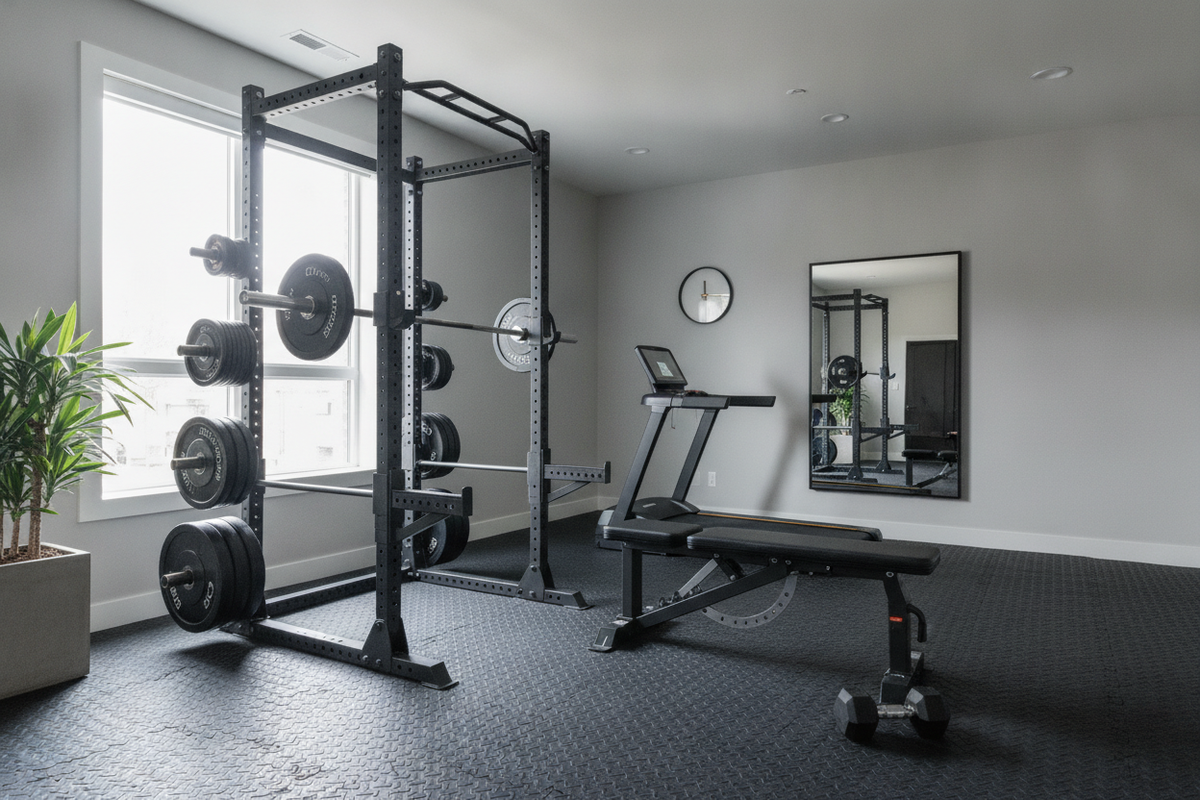
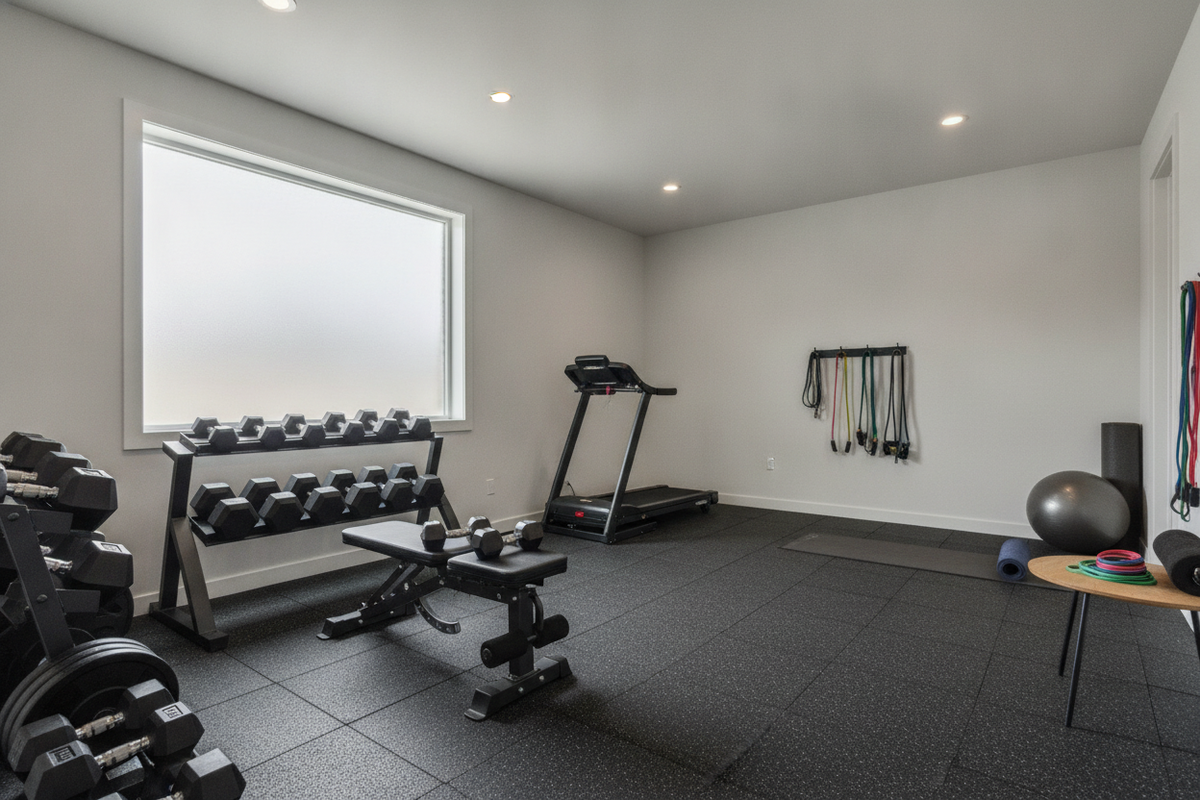
Investing in reliable home gym flooring transforms any living room, garage, or spare room into a safe training zone. A dedicated exercise mat provides the essential cushioning needed for wrists, knees, and hips during lunges, push-ups, and core work. For larger spaces where you move through varied circuits, a high-density workout mat delivers firm footing, slip resistance, and heavy floor protection against dropped dumbbells.
Having proper home gym flooring in place allows you to perform floor exercises with comfort and stability. Using a durable exercise mat or a broader high-density workout mat preserves your subfloor while providing the floor protection necessary for high-repetition workouts. When your space feels supportive and comfortable, adhering to both your workout routine and your cutting diet plan for females becomes a seamless daily habit.
Tips for Long-Term Consistency and Muscle Retention
Sustaining progress while managing body composition requires patience and a focus on long-term wellness. Extreme measures often backfire, leading to fatigue and rebound overeating. Instead, keep these guidelines in mind as you work toward your goals:
- Prioritize Muscle Retention: Continue lifting challenging weights to signal to your body that your lean muscle is necessary. Backing off training intensity too early can compromise definition.
- Monitor Energy Levels: If you feel persistent lethargy, consider taking planned recovery days or slightly increasing carbohydrate portions around your hardest training sessions.
- Stay Hydrated: Establishing consistent hydration habits aids nutrient transport, curbs mindless snacking, and keeps joint tissues feeling supple during workouts.
- Prepare Ahead: Dedicate an afternoon each week to meal prep so that your eating routine remains effortless during hectic workdays.
- Respect Recovery: High-quality sleep allows your nervous system and muscular tissues to adapt to both the calorie deficit and resistance training stress.
By blending sensible daily nutrition with resilient home gym flooring, an adaptable meal framework, and consistent lifting, you can reach your body recomposition targets sustainably. Treat your cut as an empowering pathway to strength, discipline, and lasting vitality.