Core and Glute Strengthening Exercises at Home
Strengthening the midsection and hips together is one of the most practical approaches to functional fitness. Engaging in targeted core and glute strengthening exercises allows your pelvis, hips, and trunk to move with control, whether you are lifting heavy groceries, running outdoors, or working out on the living room floor. Because these muscle groups attach to the pelvis and stabilize the lumbar region, training them in tandem creates balanced posture and improves everyday bodyweight control.
A well-structured session does not require complex machinery or heavy weights. By focusing on intentional muscle tension, steady breathing, and proper surface setup, you can perform effective glute and core strengthening exercises anywhere. In our experience, grounding these movements on a spacious, shock-absorbing mat makes each repetition smoother and easier on sensitive joints.
Why Pair Core and Glute Training?
The hips and the abdominal wall are biomechanical partners. When you execute dynamic floor movements, your abdominal wall provides an anchor for your limbs, while your gluteal muscles drive hip extension and rotation. Neglecting one area often causes the other to compensate, which can place unnecessary strain on the lumbar area.
By intentionally linking core and glute strengthening exercises, you cultivate simultaneous activation. Strong gluteal muscles help prevent the pelvis from tilting excessively forward, while steady abdominal bracing keeps the ribcage pinned down. This coordinated engagement builds genuine trunk stability, making everyday movements feel lighter and more controlled.
Essential Core and Glute Strengthening Exercises
Building strength requires mastering fundamental floor movements before adding speed or external resistance. The following exercises isolate and combine the deep abdominal muscles with the gluteus maximus and gluteus medius.
Glute Bridges and Single-Leg Variations
The standard glute bridge is a foundational movement for posterior chain activation. Lie flat on your back with your knees bent and feet flat on your surface, roughly hip-width apart. Before lifting, perform a subtle pelvic tilt to flatten your lower back against your mat, engaging your deep abdominals. Press evenly through your heels to raise your hips until your thighs and torso form a straight line. Squeeze your glutes firmly at the top without arching your lower back, then lower down with control.
To advance the drill, transition to single-leg glute bridges. Extend one leg straight outward or pull the knee toward your chest while driving through the opposite heel. This variation introduces rotational forces, forcing your obliques and gluteus medius to work harder to keep your hips level throughout the movement.
Bird Dog and Quadruped Reaches
The bird dog trains cross-body coordination while challenging anti-rotational core strength. Start on all fours with your hands placed beneath your shoulders and knees under your hips. Brace your stomach as if anticipating an impact.
Simultaneously extend your right arm forward and your left leg backward until both are parallel to the floor. Focus on squeezing the left glute at full extension while keeping your hips parallel to the mat. Avoid letting your lower back sag. Return to the starting position with steady repetition control and alternate sides. For additional programming ideas, take a look at our workout core glute guide to integrate balanced quadruped drills into your routine.
Forearm Plank with Glute Lifts
Plank variations challenge the anterior abdominal wall to resist extension. Adding a glute lift tests your stability even further. Begin in a forearm plank position with your elbows directly under your shoulders, your feet hip-width apart, and your neck neutral.
Maintain solid abdominal bracing while slowly lifting one foot a few inches off the floor, keeping the knee straight. Squeeze the glute of the lifted leg for a brief pause, then lower the foot without shifting your hips from side to side. Alternate legs slowly, focusing entirely on trunk rigidity.
Side Plank Clamshells for Lateral Stability
This movement pairs lateral core endurance with targeted gluteus medius activation. Lie on your side with your knees bent at a right angle and prop your upper body onto your bottom forearm. Press through your bottom knee and elbow to lift your hips into a modified side plank.
While holding your hips high and steady, open your top knee toward the ceiling while keeping your feet touching. Pause briefly at the top of the clamshell, then lower the knee with control. This combination challenges the bottom oblique and hip stabilizer while actively working the top hip through external rotation.
Dead Bug with Heel Taps
While primarily an abdominal exercise, the dead bug teaches pelvic control that directly supports glute engagement. Lie on your back with your arms pointing toward the ceiling and your knees bent at ninety degrees over your hips. Lower one heel slowly toward the floor while extending the opposite arm overhead, maintaining constant contact between your lower back and the mat. Return to center and switch sides, maintaining steady breathing.
Building a Core and Glute Workout at Home
Creating an effective core and glute workout at home relies on tempo and consistency rather than endless repetitions. You can structure these exercises into a balanced circuit that alternates between anterior core engagement and posterior chain hip extension.
Consider this straightforward home sequence:
- Glute Bridges: 12 to 15 slow repetitions with a two-second hold at the top.
- Bird Dog: 10 controlled repetitions per side.
- Forearm Plank with Glute Lifts: 8 to 10 alternating lifts per leg.
- Side Plank Clamshells: 10 to 12 repetitions per side.
- Dead Bug with Heel Taps: 10 repetitions per side.
Perform this circuit two to three times through, resting for sixty to ninety seconds between rounds. Prioritize deliberate repetition control over speed. If you are designing a dedicated home fitness space, you can review our full workout resource for ideas on organizing progressive home exercise routines.
Mat Cushioning and Floor Setup for Floor Work
Performing bodyweight exercises on bare hardwood, tile, or thin rugs can quickly cause discomfort on pressure points like the tailbone, elbows, and knees. Dedicated core and glute strengthening exercises require prolonged contact with the floor, making proper cushioning essential for maintaining good form.
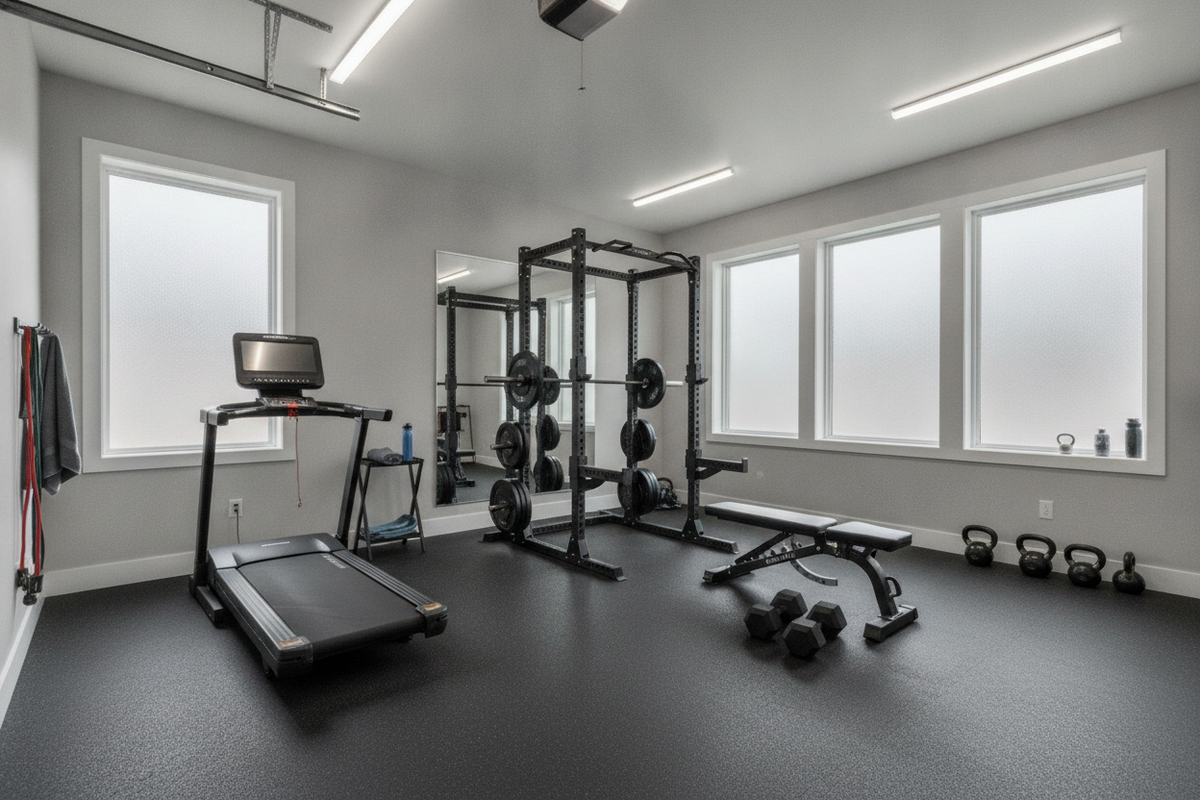
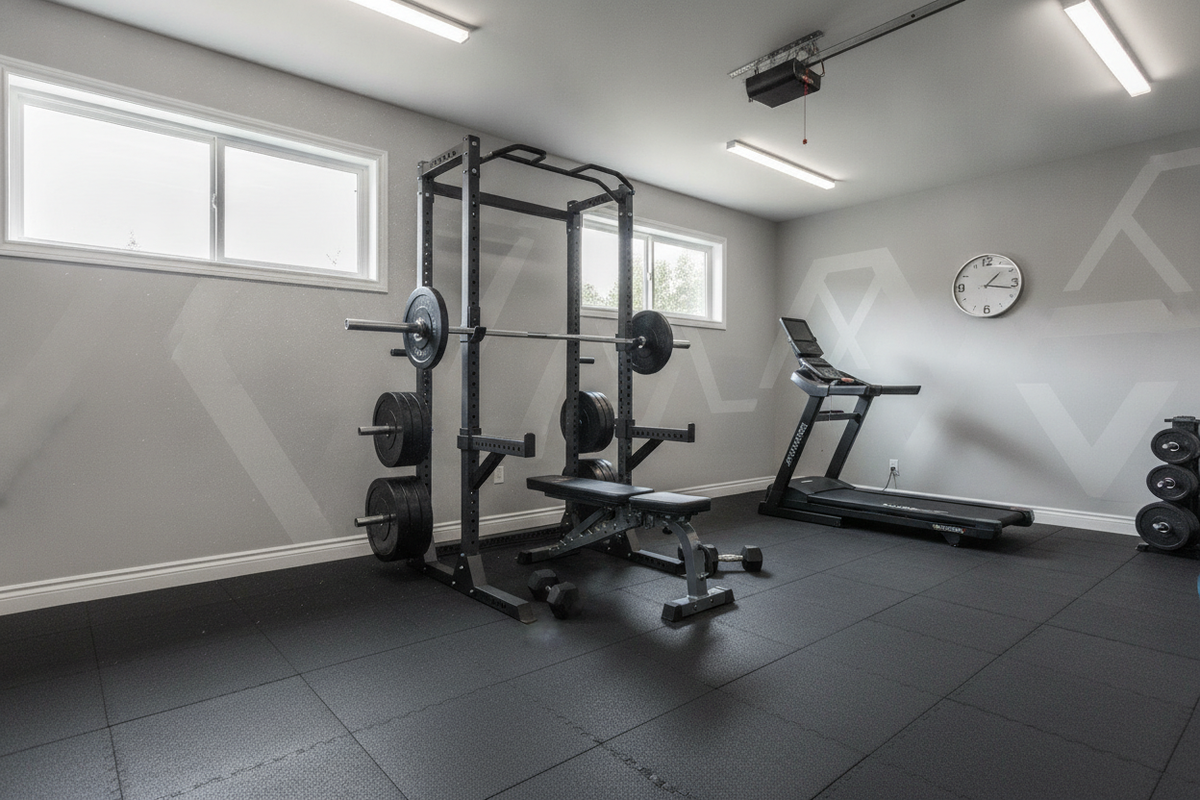
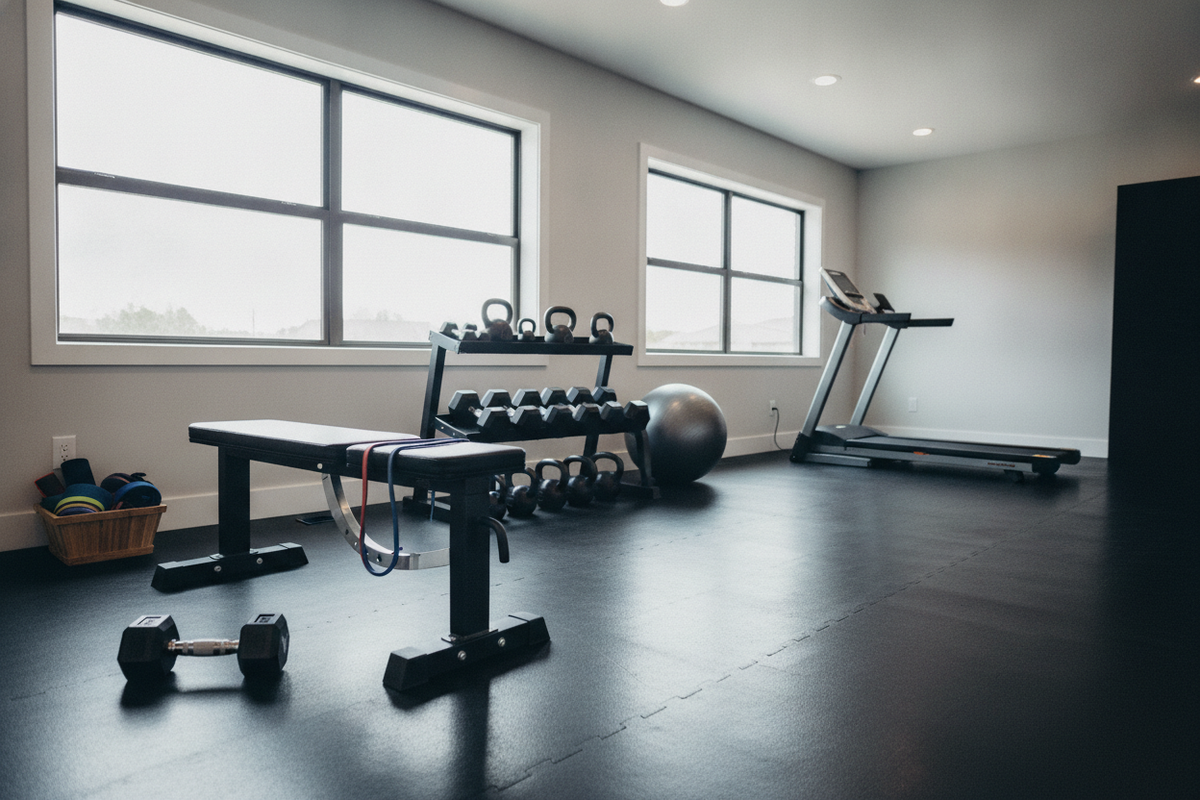
When selecting a surface, dense high-density foam provides both joint cushioning and stable balance. Excessively soft, squishy surfaces can cause your wrists or ankles to wobble during single-leg drills or side planks. Selecting a wide, non-slip mat ensures your elbows do not slide during planks and your feet remain anchored during glute bridges. Choosing a dependable 6x10ft exercise mat yoga mat gym flooring for home workout gives you ample room to stretch your limbs in all directions without slipping off the edges.
Common Form Mistakes to Avoid
To get the most out of your training and protect your joints, keep an eye out for these frequent movement errors:
- Arching the Lumbar Spine: During glute bridges and bird dogs, avoid driving the movement from your lower back. The lift should come entirely from hip extension powered by the gluteal muscles.
- Rushing Through Repetitions: Momentum reduces muscle activation. Slow your tempo on both the lifting and lowering phases to keep constant tension on the targeted muscles.
- Allowing Hips to Rotate: In planks and quadruped drills, your pelvis should stay level. If your hips sway from side to side, reduce the range of motion until you can maintain a square posture.
- Holding Your Breath: Inhale as you prepare for a movement, and exhale through the point of greatest exertion. Steady breathing helps sustain core bracing without building unwanted neck tension.
By focusing on proper alignment, steady pacing, and a stable floor foundation, these bodyweight movements will build lasting strength and stability throughout your hips and midsection.