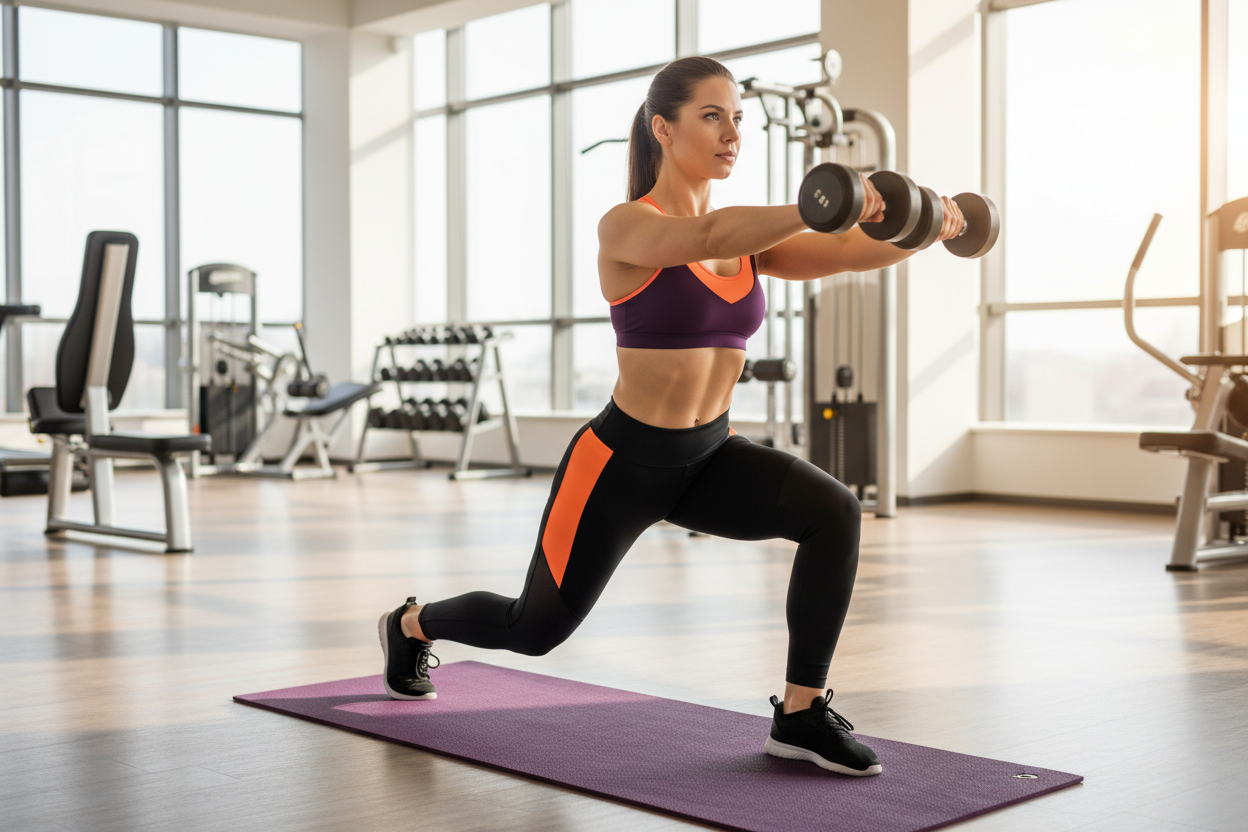
Mastering Your Home Chest, Abs, and Arms Routine: A Step-by-Step Guide
Building a strong upper body does not require an expensive gym membership or advanced machines. With a structured chest, abs, and arms workout plan, you can achieve noticeable strength and endurance improvements at home. This approach is suitable for those who prefer convenient training without sacrificing quality or proven exercise methods.
Understanding the Muscle Groups
The chest, abdominal muscles, and arms are essential for upper body strength, stability, and overall aesthetic balance. The chest muscles, primarily the pectoralis major and minor, support pushing movements. The abdominal muscles, including the rectus abdominis and obliques, stabilize your core during every lift and twist. Your arms, especially the biceps, triceps, and forearms, assist with pulling and pressing motions. A workout targeting all three areas demands exercises that efficiently engage multiple muscle groups to optimize effort within shorter sessions.
A Practical Chest, Abs, and Arms Workout Plan
An effective chest abs and arms workout plan should balance strength training with core stability exercises. Here are key bodyweight exercises that can be performed at home:
Push-Ups
Push-ups are a cornerstone of any abs, chest and arms workout at home. They engage the chest, triceps, and shoulders while requiring core activation to maintain a stable posture. Variations such as incline or decline push-ups can shift emphasis between upper and lower portions of the chest.
Plank to Shoulder Tap
This exercise strengthens the core while challenging arm stability. From a high plank position, tap each shoulder with the opposite hand, keeping hips steady. It engages the abdominal muscles and promotes shoulder endurance, ideal for supplementing your arm chest and abs workout.
Diamond Push-Ups
By bringing the hands close together under the chest, diamond push-ups focus more on triceps development while still activating the chest and core. This can be a valuable addition to your chest abs and arms workout plan, especially if triceps strength is a priority.
Russian Twists
Sitting on the floor with knees bent, rotate your torso side to side while holding a lightweight object or simply clasping your hands. This targets the obliques and rectus abdominis, complementing other core exercises in your arm chest and abs workout.
Chair Dips
Using a sturdy chair, lower your body by bending your elbows, then push back up. Chair dips give excellent focus to the triceps and supporting shoulder muscles. Paired with push-ups, they deliver comprehensive arm and chest training using minimal equipment.
Structuring the Workout
Beginners can start with two sets of each exercise, aiming for 10–15 repetitions per set, resting 60 seconds between exercises. More advanced practitioners can increase to three sets, or add resistance bands for progression. Alternating between pushing, core, and triceps exercises helps maintain balanced fatigue, ensuring proper form throughout your abs chest and arms workout at home.
Personal Experience and Benefits
When I shifted to a home routine during a busy work schedule, incorporating this balanced chest, abs, and arms workout plan provided surprising results. Without commuting to a gym, I could fit in consistent sessions early in the morning. Over several months, my pressing strength improved, I noticed increased core stability during daily activities, and I felt better posture while sitting at my desk. These benefits reinforced the value of targeted home workouts backed by research into muscle function and exercise efficiency.
Safety and Form Considerations
Maintaining proper technique is crucial for both performance and injury prevention. For push-ups, keep the body in a straight plank position to protect the lower back. During planks and twists, ensure the core is actively engaged; avoid sagging hips or excessive rotation. Chair dips require a secure surface and slow, controlled motion to avoid shoulder strain. If in doubt, reduce repetitions and gradually build strength—consistency matters more than volume in the early stages.
Progress Tracking
To see measurable improvements, track repetitions, sets, and perceived exertion weekly. Small increases in repetitions or complexity over time signal progress. Photographing posture or noting core stability can also be motivating and highlight the effectiveness of your abs chest and arms workout at home.
Combining with Lifestyle Habits
For optimal results, couple your chest, abs, and arms training with healthy nutrition and adequate rest. Muscles grow and strengthen during recovery; therefore, adequate sleep and balanced protein intake are key factors. Hydration supports muscle function and joint health, further enhancing performance in each arm chest and abs workout session.
Conclusion
An abs chest and arms workout at home can yield excellent outcomes when designed with proven movements, balanced structure, and consistent practice. Focus on form, monitor progress systematically, and adapt intensity to your current fitness level. With minimal equipment and evidence-based exercise selection, building a strong upper body has never been more practical or sustainable.