Cardio Versus Weight Lifting for Home Weight Loss
When planning a home fitness routine for shedding pounds, the debate over cardio versus weight lifting stands front and center. Anyone looking to burn calories and change how their clothes fit inevitably asks whether spending an hour on a stationary cycle outperforms lifting a loaded barbell. In reality, the decision between cardio versus weight lifting is not an all-or-nothing proposition. Both movement styles offer distinct advantages for everyday fitness, physical endurance, and functional strength.
Understanding cardio versus weight lifting requires examining how each exercise style influences daily calorie expenditure, muscle preservation, and workout recovery. Setting up a dedicated home training area also brings practical questions into focus, from equipment stability to subfloor protection. By evaluating cardio vs weight lifting across daily energy burn, metabolic rate, and long-term habits, you can build a sustainable routine that delivers steady progress without unnecessary burnout.
Understanding Cardio Versus Weight Lifting for Weight Loss
The dialogue surrounding cardio versus weight lifting often reduces body transformation to a basic calculation of energy balance. Aerobic exercise focuses on continuous rhythmic movement that elevates heart rate over prolonged periods. In contrast, resistance training challenges muscles through progressive external loads, using tools like dumbbells, kettlebells, or a barbell.
When comparing weightlifting versus cardio, personal goals dictate which method should take priority. If your primary objective is increasing cardiovascular conditioning and burning active calories within a single session, aerobic movements provide a straightforward path. However, when evaluating cardio vs weight training, you must also consider muscle preservation. Without regular resistance training, a caloric deficit can lead to losing both body fat and lean muscle mass. Incorporating resistance into your weekly routine ensures that the weight you lose comes primarily from excess fat rather than structural tissue.
Immediate Calorie Burn: When Cardio Holds the Advantage
Aerobic conditioning remains a cornerstone of weight management because it produces rapid, dependable calorie expenditure during the session itself. Moving continuously on a treadmill, jumping with a jump rope, or rowing at a steady cadence demands constant oxygen delivery to working muscle groups.
In the debate of cardio vs weights, aerobic sessions generally allow individuals to sustain continuous effort for thirty to sixty minutes without central nervous system fatigue. A brisk session on a treadmill or interval work with a jump rope creates significant energetic demand. When people compare weightlifting vs cardio for immediate active burn, aerobic exercise often wins in pure session-by-session output. For those with limited workout windows seeking quick daily movement, adding aerobic exercise provides dependable fat loss support while improving resting cardiovascular health.
Preserving Muscle and Long-Term Tone with Resistance Training
While continuous movement burns energy quickly, lifting weights reshapes body composition in ways endurance workouts cannot duplicate. Prioritizing resistance training prompts muscle fibers to adapt and strengthen, protecting your lean muscle mass even during periods of reduced caloric intake.
A critical factor in the cardio versus weight lifting discussion is your resting metabolic rate. Muscle tissue is metabolically active, requiring energy simply to maintain itself. If you cut calories while performing only endurance workouts, your body may shed muscle alongside body fat, potentially slowing your resting metabolic rate. For a deeper breakdown of exercising without traditional endurance work, see our weight lifting weights guide on training independently. Maintaining muscle through regular sets of squats, presses, and rows ensures a firmer appearance and supports healthy metabolic rate maintenance over months of dieting. For comprehensive scheduling frameworks, read our weight lifting training guide.
Cardio vs Weight Lifting: Comparing the Key Trade-Offs
Evaluating cardio vs weight lifting side by side helps clarify how each modality influences joints, energy levels, and time commitments:
- Calorie Burn Profile: In cardio versus weight lifting, aerobic work delivers higher immediate calorie expenditure during the workout, whereas resistance work stimulates tissue repair that demands ongoing energy during recovery.
- Joint Impact and Stress: Running or repeated jumping generates higher joint impact on knees, ankles, and hips. Working with dumbbells or kettlebells focuses mechanical tension on muscles, though improper form can strain joints under load.
- Time and Equipment Needs: When weighing cardio vs weights, basic conditioning requires minimal equipment, while a complete lifting setup demands weight plates, collars, and stable racks.
- Fatigue Management: Heavy sets tax connective tissue and the central nervous system, demanding planned rest. Steady aerobic work can often be performed more frequently as active recovery.
Looking at weightlifting versus cardio from this perspective shows that neither is universally superior. Instead, cardio vs weight training presents complementary attributes that function best when balanced together. For detailed program design, review our lifting weights weight guide on floor planning and structure.
Can You Lose Weight Doing Weight Lifting Alone?
Yes, you can achieve meaningful fat loss by doing weight lifting alone, provided your nutritional intake supports an overall energy deficit. Lifting loads using dumbbells, a barbell, and weight plates creates substantial muscular tension, encouraging the body to retain functional tissue while drawing down stored fat reserves.
Many fitness enthusiasts find that comparing weightlifting vs cardio leads them to prefer weights because lifting prevents the gaunt, depleted look that sometimes accompanies excessive endurance training without strength work. When evaluating cardio versus weight lifting for fat loss, strength exercises maintain physical strength, improve posture, and enhance functional movement patterns across daily tasks.
How Do Cardio and Weights Affect Long-Term Body Composition?
Combining both modalities creates the most favorable adaptations for body composition by balancing fat reduction with muscle definition. When you assess cardio versus weight lifting over six months or a year, relying solely on aerobic training may reduce scale weight, but it does little to build or sculpt muscle tissue.
In contrast, analyzing cardio vs weight lifting over extended training cycles reveals that concurrent training helps preserve structural tone while keeping cardiovascular endurance high. Utilizing cardio vs weight training together ensures that you burn substantial energy each week through conditioning while your strength days stimulate progressive overload. The result is a leaner, more capable physique that performs well in both endurance challenges and heavy lifts.
Designing a Hybrid Weekly Schedule at Home
Rather than choosing between cardio versus weight lifting, organizing a balanced weekly routine lets you capitalize on both training styles. A well-structured plan distributes physical strain so that hard leg sessions do not interfere with high-cadence conditioning.
A practical hybrid weekly routine might include three days dedicated to resistance exercises and two days reserved for moderate aerobic conditioning. On lifting days, focus on compound movements like goblet squats with kettlebells, overhead presses with dumbbells, or deadlifts. On alternate days, engage in low-stress aerobic exercise or short interval sessions, saving one or two days for complete rest or light active recovery walks. This balanced approach resolves the tension in cardio versus weight lifting by giving each method a specific role in your weekly fitness calendar.
What Flooring Setup Is Best When Combining Cardio and Weights at Home?
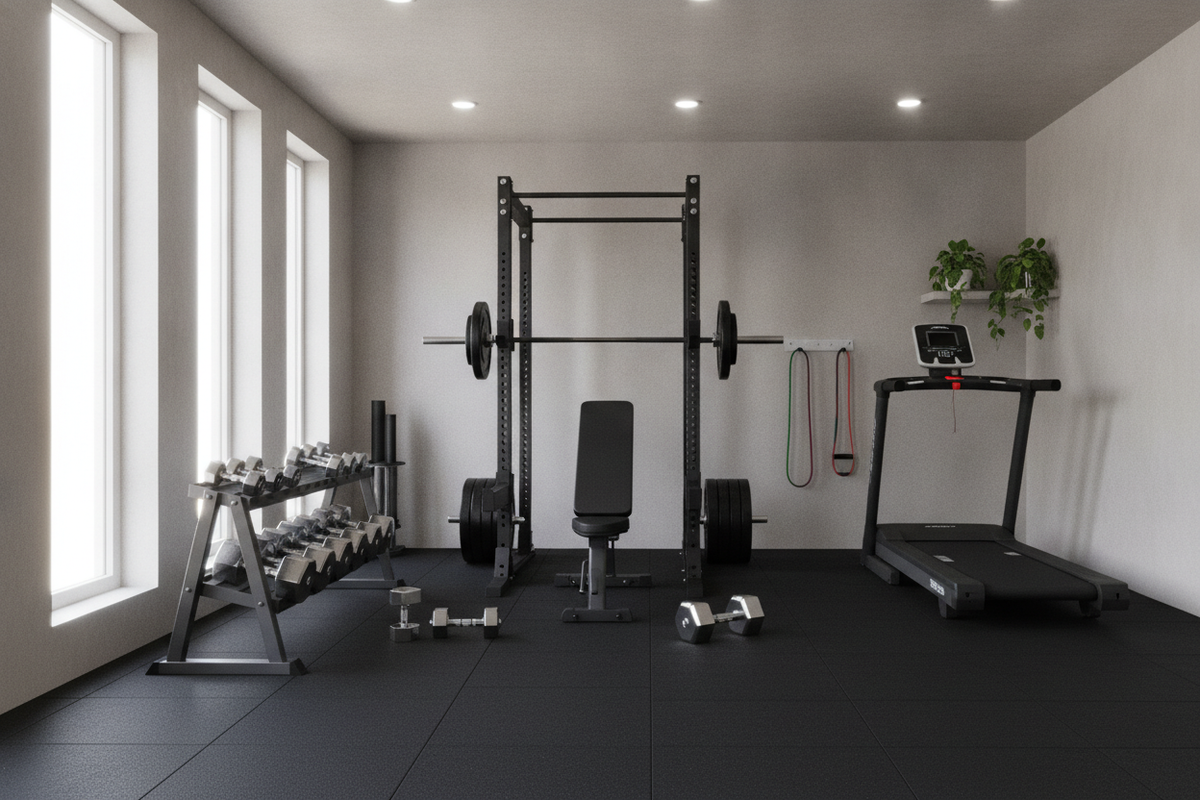
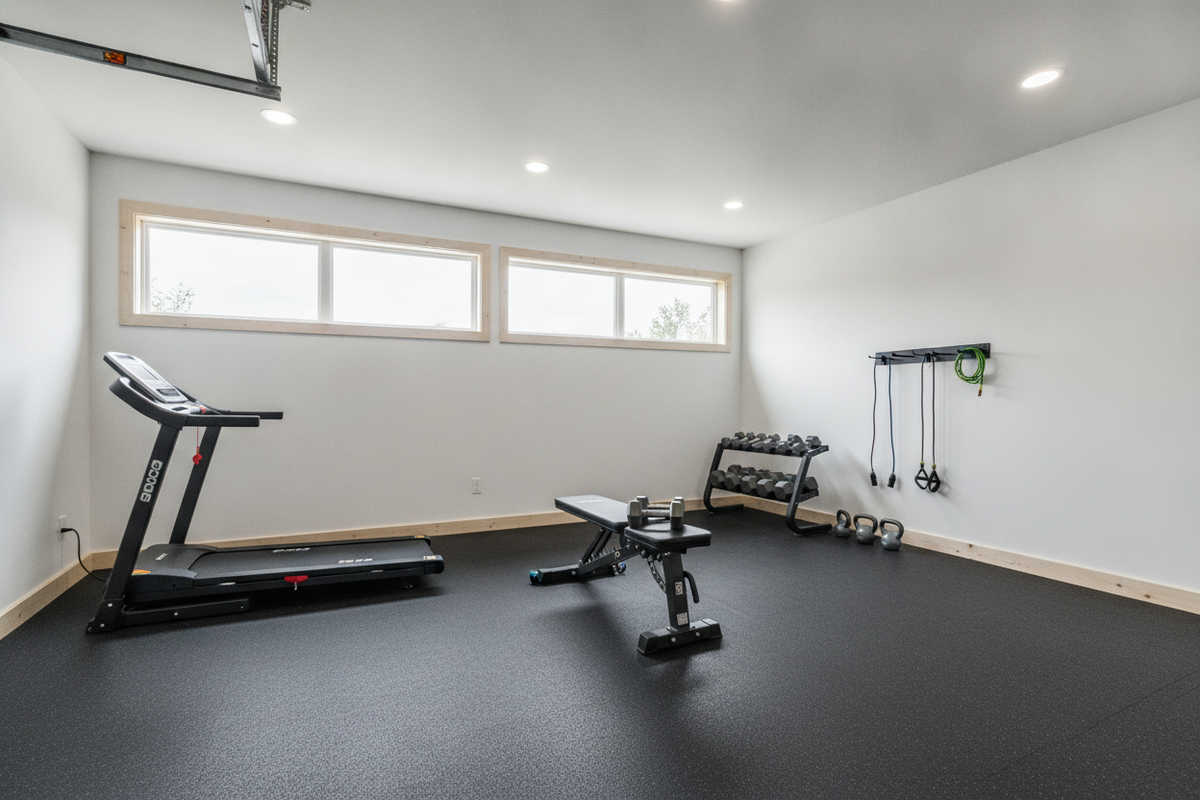
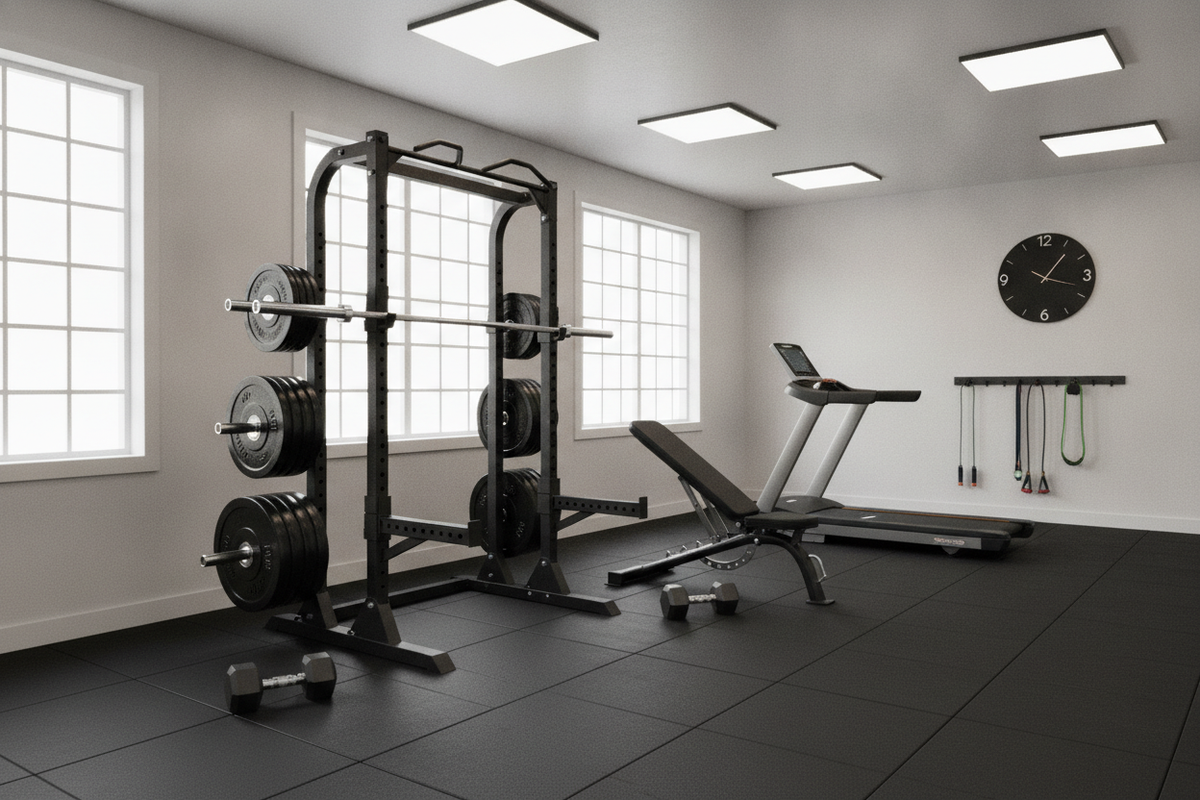
The best setup uses high-density rubber floor mats that provide both shock absorption for dynamic cardio drills and rigid equipment stability for heavy lifting. Accommodating both exercise styles requires a versatile surface that handles repetitive joint impact alongside dropped iron.
Dynamic cardio activities like jump rope require resilient shock absorption to cushion landings and reduce joint impact on your lower body. Conversely, heavy compound lifts demand a dense, non-compressible surface that ensures equipment stability underfoot. If you are outfitting your space with machinery, browse our weight lifting collection for dedicated strength stations, and explore our training collection for practical home additions. Dedicated home gym flooring protects your base floor from gouges caused by weight plates or kettlebells while suppressing sound and vibration throughout your home.
Home Gym Flooring and Mat Care for Multi-Purpose Spaces
Investing in heavy-duty home gym flooring creates a safe boundary between your equipment and your foundation. When comparing cardio versus weight lifting room requirements, cardio spaces prioritize open clearance and joint comfort, whereas lifting zones require durable subfloor protection.
Thick rubber floor mats and interlocking exercise mats shield residential subfloors from high-velocity drops while providing the traction required for rapid lateral cardio movements. When selecting home gym flooring, look for mats that resist moisture penetration from sweat. Routine maintenance simply involves sweeping away dust and wiping down rubber floor mats with a mild soap solution. Keeping exercise mats clean preserves traction during sweaty interval sessions and protects your investment over years of combined training.
Making the Final Choice for Your Weight Loss Journey
Deciding your balance in cardio versus weight lifting ultimately depends on your personal preferences, schedule, and joint tolerance. If you enjoy rhythmic endurance work and seek immediate stress relief, leaning toward aerobic exercise is completely valid. If you love tracking personal strength milestones and want to maximize muscle retention, focusing on resistance exercises will keep you motivated.
In the final assessment of cardio versus weight lifting, the most effective routine is the one you can execute consistently week after week. By laying down protective rubber floor mats, outfitting your space with reliable exercise mats, and balancing cardio vs weights, you establish a resilient foundation for long-term health, physical capability, and steady fat loss.