How Cardio to Lose Weight Works: A Home Guide
When planning a home fitness routine, learning how cardio to lose weight fits into your lifestyle is one of the most effective ways to build endurance and stay active. Cardiovascular conditioning elevates your energy expenditure, strengthens heart function, and helps create the caloric balance needed to shed body fat. Yet many people jump into grueling workouts without a clear plan or a supportive training space, quickly running into joint discomfort or fatigue. Achieving long-term results requires balancing workout frequency, exercise styles, and proper surface protection underfoot.
Aerobic training succeeds when it is sustainable, enjoyable, and safe for your living space. By setting up a dedicated exercise area with the right shock absorption and choosing cardio formats that match your current conditioning, you turn home workouts into a healthy, repeatable habit.
Understanding How Cardio to Lose Weight Works
Aerobic training burns energy by engaging large muscle groups in rhythmic, continuous motion. As your heart rate rises, your body draws upon circulating carbohydrates and stored fat to power ongoing movement. Over time, consistent cardiovascular exercise lose weight plans improve your body's oxygen delivery, allowing you to sustain physical effort with greater ease and stamina.
However, successful cardio training requires thoughtful planning. Without adequate recovery and proper movement technique, daily aerobic conditioning can strain tendons and ligaments. A home gym space should support your routine by minimizing physical wear and tear. Placing a quality exercise mat over hard subfloors dampens downward impact, keeping your joints comfortable across multiple sessions each week.
Can I Lose Weight with Cardio Without Heavy Equipment?
You can readily lose weight with cardio without heavy equipment by relying on bodyweight circuits, brisk stepping drills, and skipping rope. Many people ask, can I lose weight with cardio if I do not own an expensive treadmill or stationary bike? The answer is an emphatic yes, because your cardiovascular system responds to physical exertion and heart rate elevation rather than the machinery beneath you.
Bodyweight intervals, mountain climbers, skater hops, and jumping jacks require nothing more than a clear floor. When paired with attention to daily calorie balance, these simple workouts help you lose body fat cardio routines are designed to address. The primary requirement is maintaining enough effort and consistency to trigger sustained energy expenditure without overtaxing your recovery capacity.
Best Way to Lose Weight with Cardio at Home
Finding the best way to lose weight with cardio involves selecting exercise methods you can stick to week after week. Because fitness preferences vary, combining steady-state cardio with high-intensity interval training often provides the most well-rounded results.
Steady-State Conditioning vs Interval Work
Steady-state cardio focuses on continuous, moderate-intensity movement sustained for twenty to forty-five minutes. Activities like brisk walking, continuous step-ups, or easy stationary cycling keep your heart rate in a steady aerobic conditioning zone. This approach places modest demands on your central nervous system, making it easy to recover from between workout days.
Interval training, on the other hand, alternates short bursts of vigorous effort with defined rest periods. This style maximizes time efficiency, offering a robust cardiovascular stimulus in shorter sessions. If you want structured guidance for high-energy training, exploring a full-body cardio workout guide can provide fresh ideas for alternating burst intervals with functional core work. Integrating both steady-state cardio and interval sessions gives you training variety while keeping weekly volume manageable.
Is Running the Best Cardio for Weight Loss at Home?
Running is not universally the best cardio for weight loss at home, because lower-impact activities like rowing, cycling, and jump rope intervals can achieve comparable conditioning demands while sparing joint stress. Treadmill running provides high energy expenditure, but the repetitive ground reaction forces can challenge knees, shins, and ankles, especially for beginners.
In contrast, using a jump rope in short sets delivers significant aerobic conditioning in a compact space, though it still demands resilient flooring. Stationary bikes and rowing machines eliminate impact forces entirely while engaging major muscle groups. Ultimately, the best cardio modality is the one that allows you to lose body fat cardio training targets without causing lingering aches that sideline your consistency.
When Should I Do Cardio to Burn Fat Effectively?
You should do cardio whenever your personal schedule allows you to train consistently, because overall weekly movement matters far more for fat loss than the specific hour of the day. Many exercisers wonder whether morning fasted sessions burn fat faster than afternoon workouts. While morning sessions may suit people who enjoy starting the day with clear focus, the total energy balance maintained across days and weeks is what governs body composition changes.
Rather than obsessing over the clock, focus on spacing your weekly routine to avoid cumulative fatigue. Alternating high-intensity interval days with lighter aerobic sessions or active recovery prevents burnout. A predictable cadence makes it much easier to sustain regular training over months and years.
Protecting Your Body and Floor During High-Impact Cardio
High-energy cardio workouts involve rapid direction changes, jumping, and forceful foot strikes that can take a toll on both your joints and your living space. Bare hardwood, tile, and concrete transmit impact forces back into your lower limbs while risking scratches or structural subfloor damage.
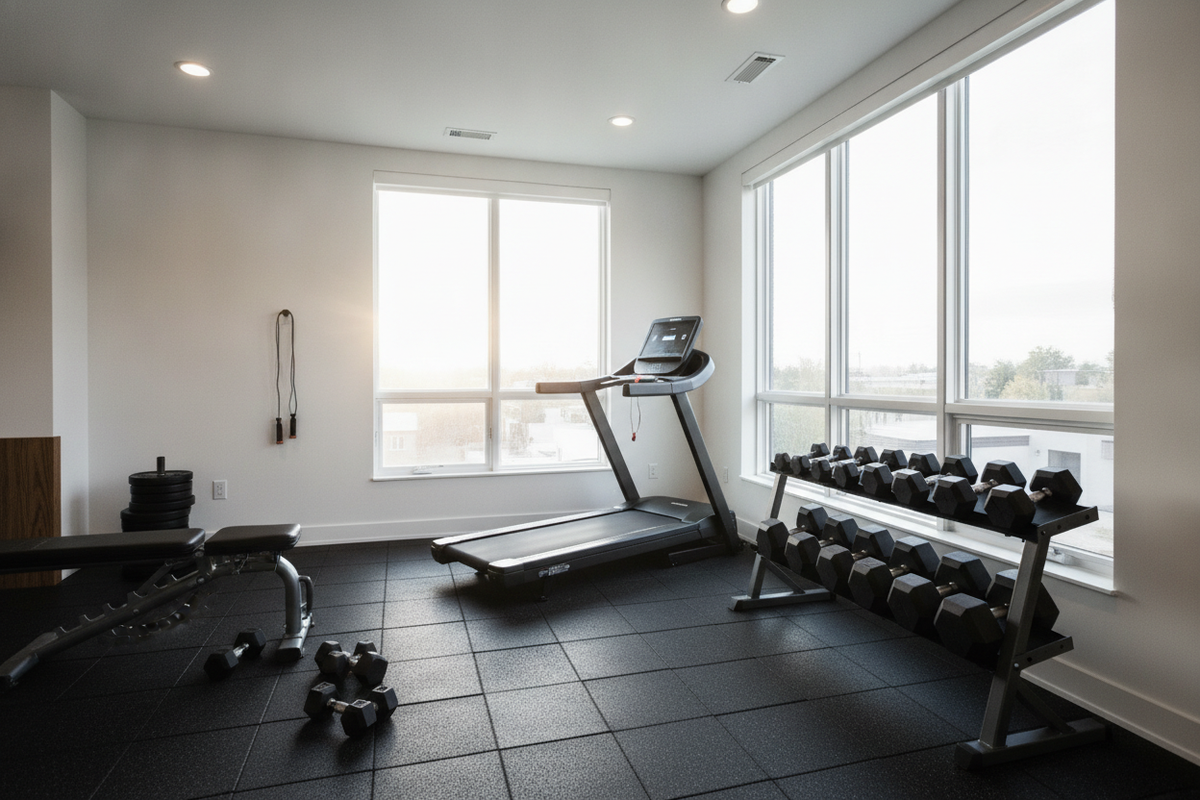
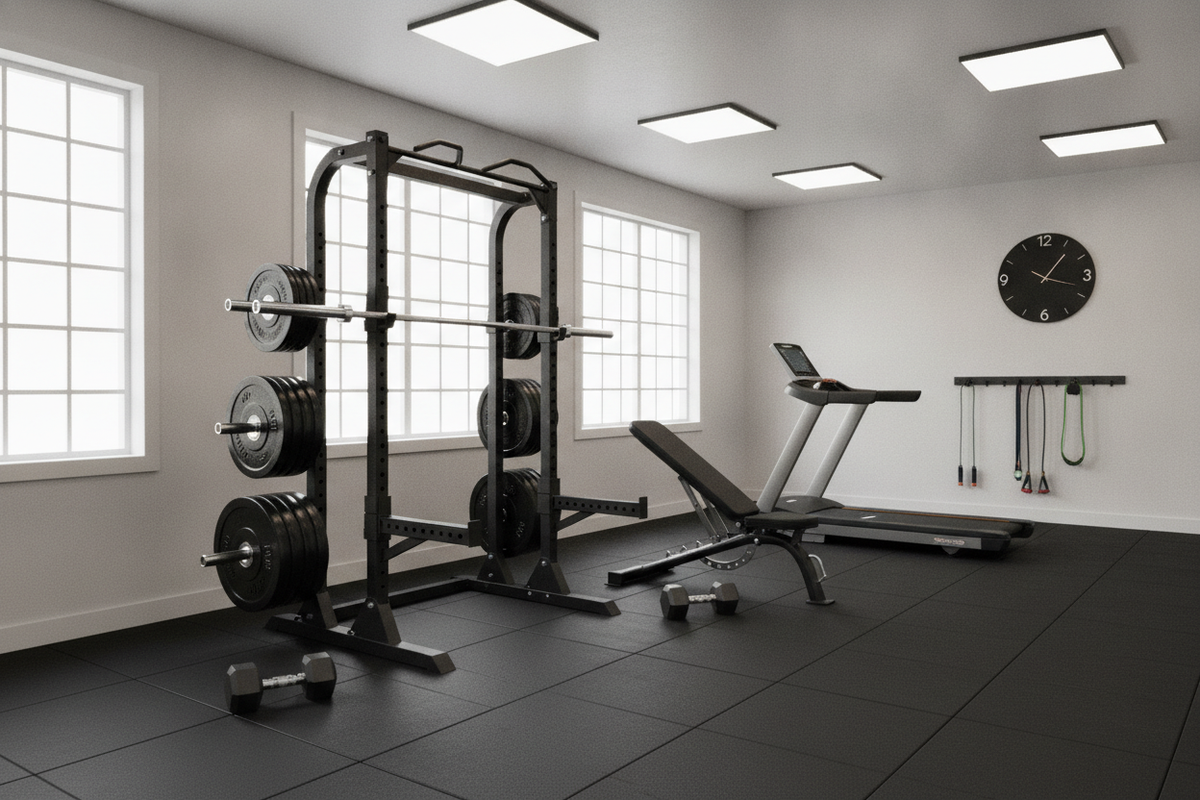
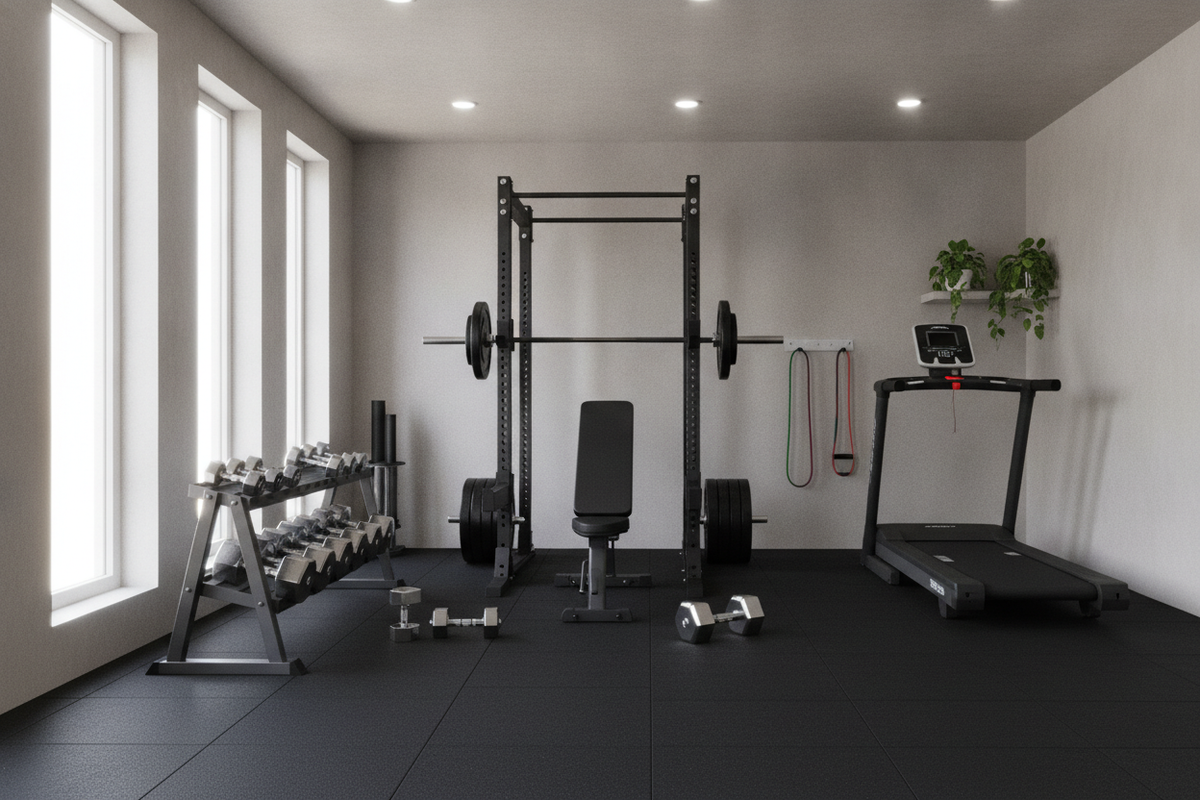
Setting up your training area with dedicated cushioned exercise mats provides critical shock absorption. High-density foam disperses force across a broader surface, reducing rebound stress on your ankles and lower back. Mats also deliver reliable slip resistance, preventing your shoes from sliding during lateral hops, burpees, and quick transitions.
For routines requiring wider footwork or rope skipping, a large cardio exercise mat creates an expansive protective footprint. This spacious layout shields your home gym flooring from dropped sweat and scuffs while giving you ample room to move freely without worrying about stepping off the padded boundary.
Common Cardio Mistakes That Slow Weight Loss Progress
Even with great enthusiasm, several frequent errors can hinder your progress when working toward body composition goals:
- Training on unpadded subfloors: Skipping rope or doing jumping jacks directly on bare concrete or thin rugs over hardwood amplifies joint impact and causes premature leg fatigue.
- Ramping up volume too quickly: Doubling your workout time overnight often leads to joint irritation rather than accelerated fat loss. Progress your weekly routine gradually.
- Neglecting movement form: Reviewing a lower-body exercise technique guide helps you maintain proper knee and hip alignment during dynamic lunges, squats, and bounds.
- Cluttered equipment placement: Keep weights, bands, and water bottles outside your main movement zone to avoid tripping during rapid footwork drills.
- Assuming cardio cancels out unmanaged nutrition: Cardiovascular sessions increase daily energy expenditure, but maintaining a sensible calorie balance remains essential for sustainable weight loss.
Building a Sustainable Cardio Plan for Home Fitness
A successful home cardio plan balances challenging aerobic conditioning with adequate recovery and joint protection. In our editorial view, creating an inviting, organized workout area removes friction and makes regular exercise something you look forward to each day.
Start by selecting two or three cardio activities you genuinely enjoy, such as bodyweight intervals, steady cycling, or jump rope sets. Anchor your workout zone with dependable surfacing from a large exercise mats collection to ensure consistent slip resistance, reliable floor protection, and comfortable shock absorption. By pairing sensible training volume with floor protection and consistent habits, you will establish a healthy home routine that supports lasting weight loss and athletic stamina.