Cardio Exercises for Weight Loss at Home: Movement Tiers, Routine Structure, and Space Setup
Core Cardio Exercise Categories for Sustainable Weight Management
Building an effective home routine centered on cardio exercises weight loss goals requires a structured approach to movement selection. Rather than viewing conditioning as an all-out effort every session, organizing drills into functional movement categories allows you to manage physical stress while sustaining energy output across weeks and months. A successful program balances rhythm, joint comfort, and dynamic muscular engagement.
When planning your weekly training, dividing exercises into low-impact continuous drills and higher-tempo interval patterns helps prevent burnout and uneven physical fatigue. Choosing the right cardio exercise weight loss strategy means matching movement complexity to your home space and current conditioning level.
Low-Impact Continuous Cardio Patterns
Low-impact movements maintain continuous foot contact with the floor or use smooth, controlled transitions. These patterns elevate breathing and core temperature while reducing sudden deceleration forces on the ankles, knees, and hips. Incorporating these exercises helps build a sustainable baseline for energy expenditure without requiring extensive recovery periods between sessions.
- Shadowboxing Combinations: Rhythmic punching sequences paired with light weight shifting engage the shoulders, core, and lower body without jumping.
- Step-Touch and Lateral Reach Drills: Side-to-side stepping combined with overhead arm reaches creates steady cardiovascular demand across large muscle groups.
- High-Knee Marching with Torso Rotation: Controlled marching drives hip flexion and engages the abdominal wall without ballistic floor impacts.
- Modified Skater Glides: Smooth lateral steps with a slight knee bend activate the glutes and stabilizers while maintaining joint-friendly pacing.
These continuous movement sequences work exceptionally well during dedicated base-conditioning days or as a preparatory segment in a low-impact interval warm-up routine before progressing into faster drills.
High-Tempo and Full-Body Calisthenic Conditioning
For sessions requiring elevated power output and rapid recruitment of multiple muscle groups, high-tempo bodyweight drills introduce multidirectional acceleration. These exercises challenge coordination, agility, and stamina by cycling rapidly through upper- and lower-body contractions.
- Skater Hops: Dynamic lateral bounding that builds single-leg balance, deceleration control, and side-to-side power.
- Mountain Climbers: Ground-based core drivers that demand shoulder stability while pumping the knees rapidly toward the chest.
- Squat Thrusts and Modified Burpees: Transitioning between a standing position and a plank challenges systemic endurance and hip extension.
- Jumping Jack Variations: Classic and cross-jack variations promote shoulder and calf endurance while establishing steady cadence.
Integrating these drills into structured intervals forms the basis of energetic metabolic conditioning sessions, alternating active work with brief recovery intervals to keep training dense and time-efficient.
Structuring a Balanced Cardio and Weight Loss Workout Routine
Consistency over time remains the central pillar of any successful conditioning regimen. Designing an effective cardio and weight loss workout schedule involves pairing higher-effort interval days with moderate-paced recovery days to allow your connective tissues and nervous system to adapt properly.
A well-rounded weekly template can be arranged using clear operational blocks:
- Interval Conditioning (2 Days per Week): Short work intervals (such as 30 to 45 seconds) followed by equal or slightly longer rest intervals. Focus on high-tempo calisthenic movements with sharp focus on execution form.
- Steady-State Movement (2 to 3 Days per Week): Continuous 25 to 40-minute blocks of low-impact patterns, brisk walking, or rhythmic shadowboxing maintained at an even, conversational breathing pace.
- Active Mobility and Recovery (1 to 2 Days per Week): Controlled joint mobility drills, gentle stretching, and light stepping to promote circulation and movement quality without adding cumulative fatigue.
This balanced distribution keeps your weight loss exercise cardio routine engaging and manageable, reducing the risk of plateaus caused by overtraining or inadequate movement variety.
Optimizing Your Home Workout Surface and Floor Protection
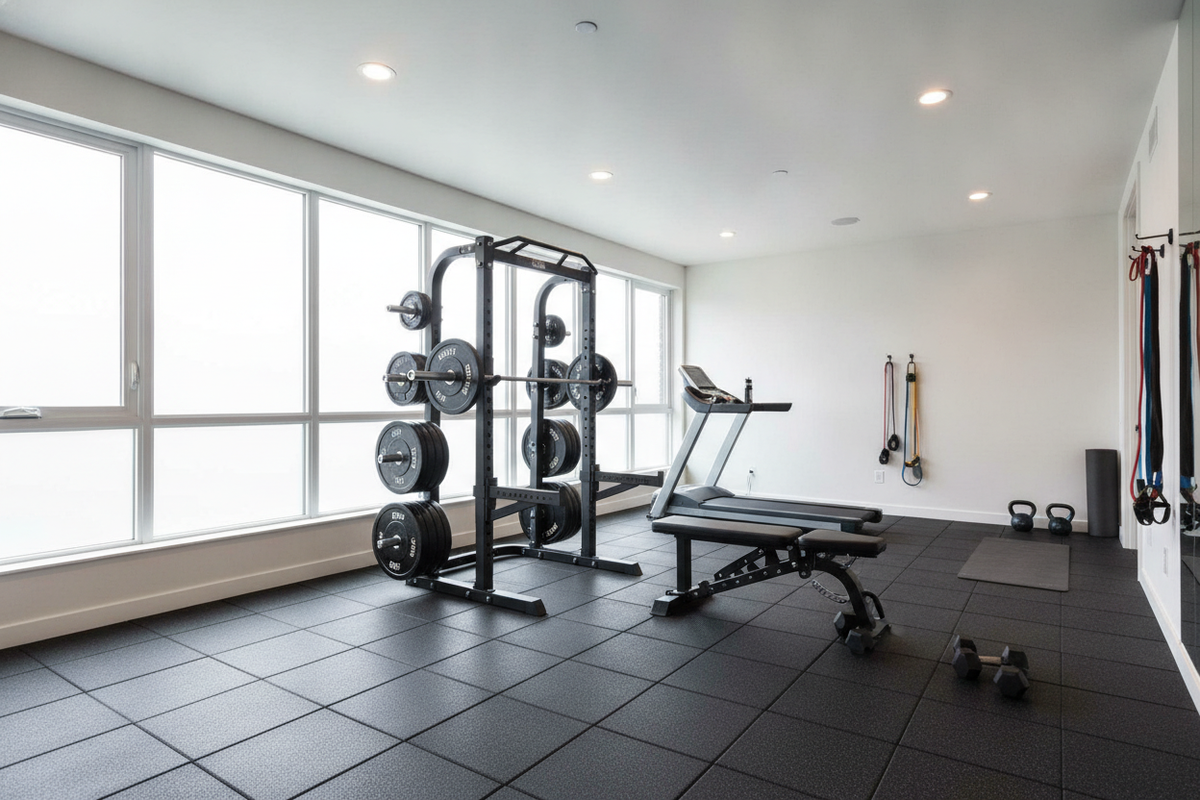
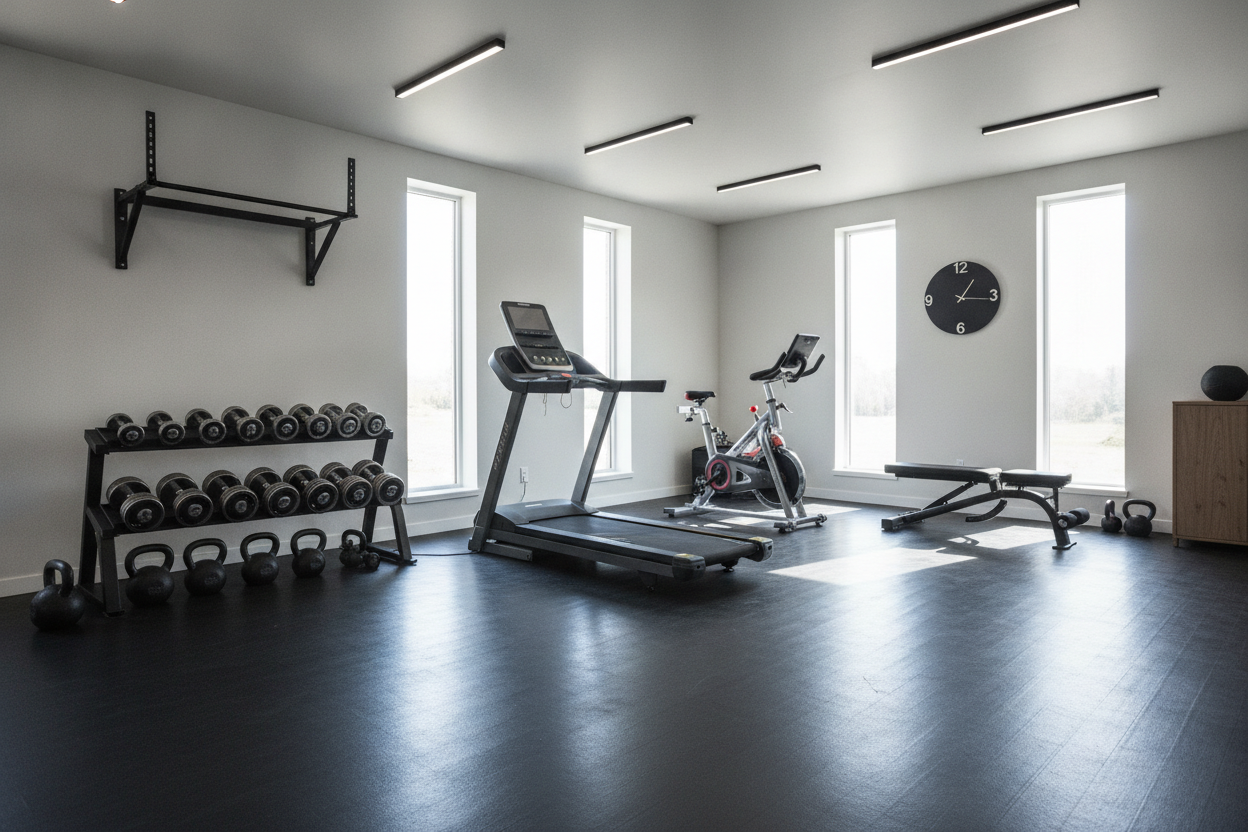
Dynamic movement demands a dedicated surface that supports footing stability while protecting underlying residential subfloors. Hard surfaces like polished hardwood, tile, or bare concrete can create slick conditions when damp and provide minimal acoustic isolation during dynamic footwork. Conversely, overly plush residential carpeting lacks firm footing and can cause unwanted dragging during lateral shifts.
Investing in equipment from a dedicated exercise mat collection introduces a resilient boundary between your footwear and the floor. High-density workout flooring delivers several structural advantages for home conditioning:
- Traction and Grip: Textured mat surfaces provide steady traction during lateral plant-and-push maneuvers, preventing unwanted foot sliding.
- Subfloor Dampening: Resilient material layers disperse mechanical vibrations from jumps, bounding, and rapid steps, helping reduce ambient noise throughout the home.
- Dedicated Spatial Boundary: Unrolling a dedicated surface visually defines your training area, making it easier to maintain clear workout habits within shared living spaces.
For routines that feature extensive lateral bounds, sprawling burpees, and calisthenic floor drills, a spacious 6x10ft home gym workout mat provides seamless perimeter coverage. This expansive footprint allows you to transition between standing drills and floor-based movements without stepping off the padded boundary.
Equipment Placement and Long-Term Mat Maintenance
Maintaining a dedicated conditioning space requires ongoing attention to layout safety and hygiene. Keep your workout perimeter free of stray weights, furniture edges, and loose cords to allow complete freedom of movement during fast-paced intervals.
To preserve surface traction over time, wipe down high-density workout mats after intense sessions with a damp microfiber cloth and mild soap solution. Removing body oils, moisture, and dust prevents the surface from becoming slippery, ensuring reliable grip and prolonged durability for every workout session.