Cardio Exercises for Losing Weight: Movement Frameworks, Routine Blueprints, and Home Floor Setup
Understanding Cardiovascular Movement Frameworks for Fat Loss
Developing an effective training routine begins with understanding how cardiovascular exercise influences overall energy expenditure and conditioning. When individuals ask what is the best cardio workout for weight loss, the answer generally depends on consistency, movement variety, and how well a routine integrates into everyday life. Cardiovascular training promotes conditioning across two primary modalities: steady-state aerobic activity and interval-based conditioning.
Steady-state exercise involves maintaining a continuous, moderate pace for an extended duration. This modality develops baseline aerobic endurance, enhances muscular stamina, and offers an accessible pathway for establishing regular movement habits. In contrast, interval-based protocols alternate between concentrated bouts of elevated effort and short recovery windows. These intervals can elevate metabolic demand within shorter sessions, making them a practical choice for those with tight schedules.
Rather than viewing these methods as competing options, integrating both creates a well-rounded foundation. Beginners often benefit from building foundational movement capacity with lower-intensity sessions before adding higher-intensity intervals. For structured ideas on building progressive cardiovascular routines, reviewing this workout cardio weight guide can assist in selecting appropriate entry-level interval formats.
High-Yield Cardio Exercise Categories for Home Training
To design fat loss cardio workouts that do not require complex machinery, home exercisers can combine bodyweight plyometrics, rhythmic agility patterns, and low-impact compound drills. Knowing what are good cardio exercises to lose weight involves selecting movements that recruit large muscle groups across multiple planes of motion.
- Rhythmic Footwork and Agility Drills: Exercises such as high knees, lateral skater hops, jumping jacks, and fast feet develop foot speed, coordination, and rapid heart rate response. These movements challenge lateral stability and spatial control.
- Ground-Based Metabolic Transitions: Drills such as mountain climbers, bear crawl holds, and burpee variations challenge both upper-body stability and trunk engagement while driving sustained cardiovascular effort.
- Low-Impact Continuous Flows: Movements such as squat pulses with step-outs, reverse lunges into knee drives, and shadowboxing combinations elevate heart rate without repetitive heavy landings, making them ideal for joint-sensitive trainees.
Structuring these exercises into multi-movement circuits allows for continuous pacing. For example, a balanced circuit might rotate between a lower-body power movement, an upper-body floor transition, and a lateral agility drill. For further inspiration on combining dynamic core work with full-body conditioning, exploring this workout weight loss guide provides examples of multi-segment metabolic planning.
Structuring a Balanced Weight Loss Cardio Exercise Plan
Consistency over time produces sustainable results. A comprehensive weight loss cardio exercise plan coordinates session frequency, work-to-rest ratios, and cross-training with resistance exercises to avoid overuse strain while sustaining energy output.
Weekly Frequency and Session Balance
A balanced weekly routine often incorporates three to four dedicated cardiovascular sessions alongside regular strength training. Distributing sessions across the week allows muscle groups and connective tissues time to recover. For instance, pairing two interval-focused sessions with two moderate steady-state recovery days maintains training momentum while managing overall physical fatigue.
Managing Work-to-Rest Ratios
When executing high-tempo circuits, pacing determines the quality of movement. Beginners can utilize a structured ratio such as thirty seconds of controlled effort followed by thirty seconds of active recovery. As movement efficiency improves, work intervals can gradually expand while maintaining strict exercise form. Selecting good cardio to lose weight is effective only when movement mechanics remain crisp and controlled throughout each set.
Impact Absorption, Joint Mechanics, and Subfloor Protection
Dynamic cardiovascular exercise—especially routines featuring jumps, rapid deceleration, and lateral changes of direction—places recurring kinetic force on the feet, ankles, knees, and hips. Exercising directly on unforgiving surfaces like bare concrete, tile, or unpadded hardwood can lead to joint discomfort and accelerated wear on home subfloors.
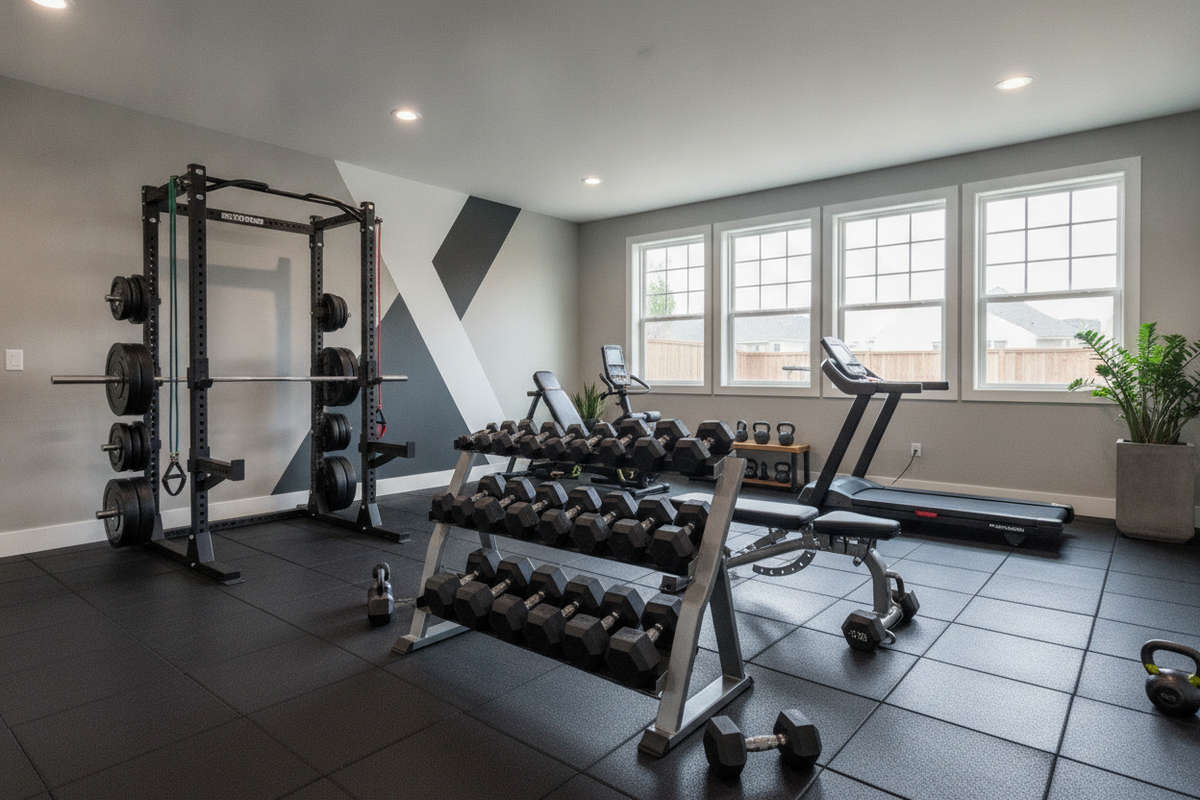
High-density gym flooring acts as a critical interface during cardio sessions. A supportive training mat dampens landing forces, disperses point pressure during explosive plyometrics, and insulates subfloors from scuffs and impact damage. Selecting specialized surfaces from a dedicated exercise collection ensures that the training area absorbs shock without compromising balance or foot stability.
Proper foot strike mechanics further enhance joint preservation. Trainees should aim for soft, midfoot-to-forefoot landings with slight knee flexion during jumping movements, avoiding stiff-legged impacts. Combining sound biomechanics with dedicated shock-absorbing flooring allows individuals to train frequently without accumulating unnecessary joint stress.
Optimizing Your Home Cardio Space: Layout, Traction, and Maintenance
Creating a dedicated, safe home workout space enhances focus and performance during intensive cardio routines. When organizing a home fitness perimeter, consider the following layout and upkeep factors:
- Perimeter Clearance: Ensure an unobstructed training footprint of adequate width and length to accommodate multi-directional agility drills, lateral bounds, and extended floor transitions without striking furniture or walls.
- Surface Traction and Grip: Athletic movements require footwear-to-mat traction that resists sliding during rapid changes of direction. A textured, non-skid surface provides the necessary grip for high-tempo footwork. Adding a dedicated large-format mat such as this exercise workout product gives trainees generous room to move freely without sliding off the boundary edges.
- Perspiration and Moisture Management: High-energy cardio naturally generates sweat. Utilizing closed-cell, non-porous mat surfaces prevents moisture from soaking into the subfloor and makes cleaning straightforward.
- Routine Surface Hygiene: Wipe down mats after each training session with mild soap and water or gentle, non-abrasive cleaning wipes. Allowing the surface to dry completely preserves grip performance and maintains a fresh workout environment.
By blending targeted exercise selections, structured weekly pacing, proper landing mechanics, and a secure home flooring foundation, trainees can build a sustainable cardio habit that supports ongoing weight management and long-term athletic health.