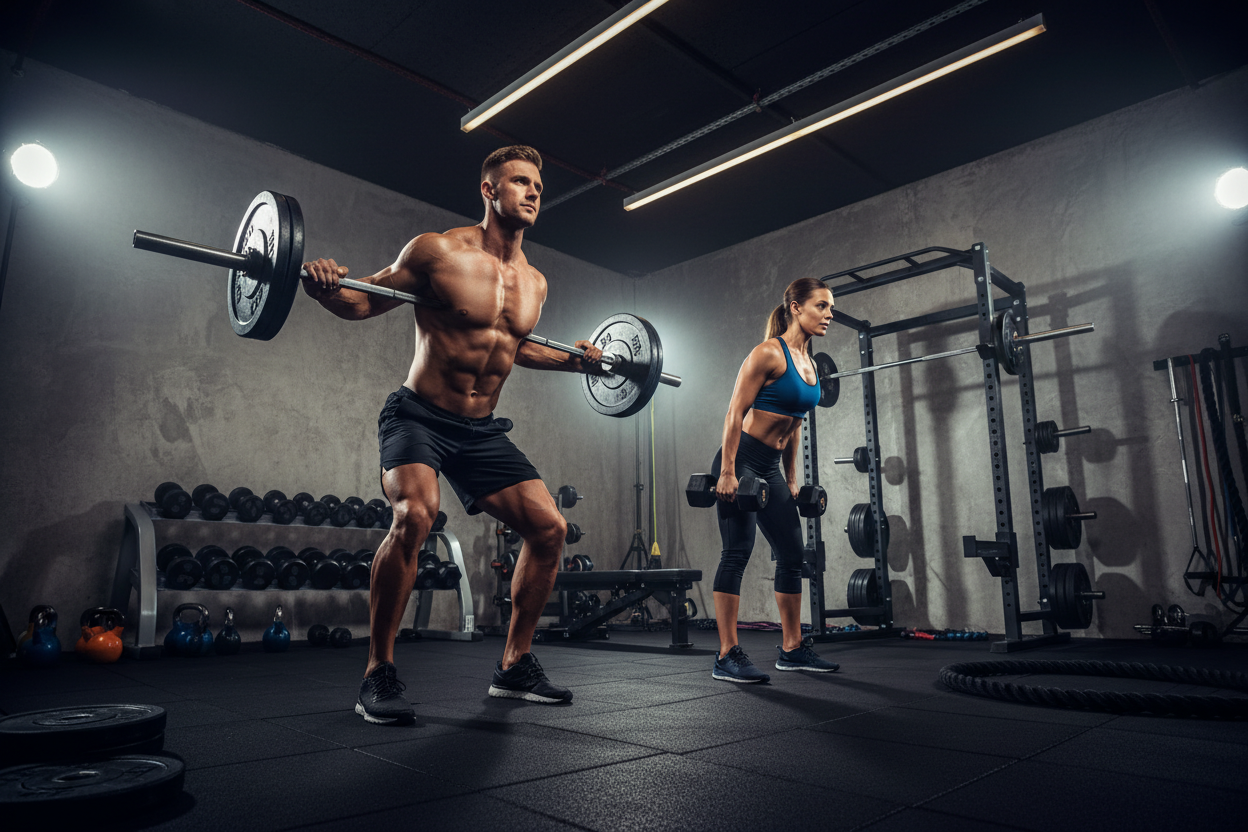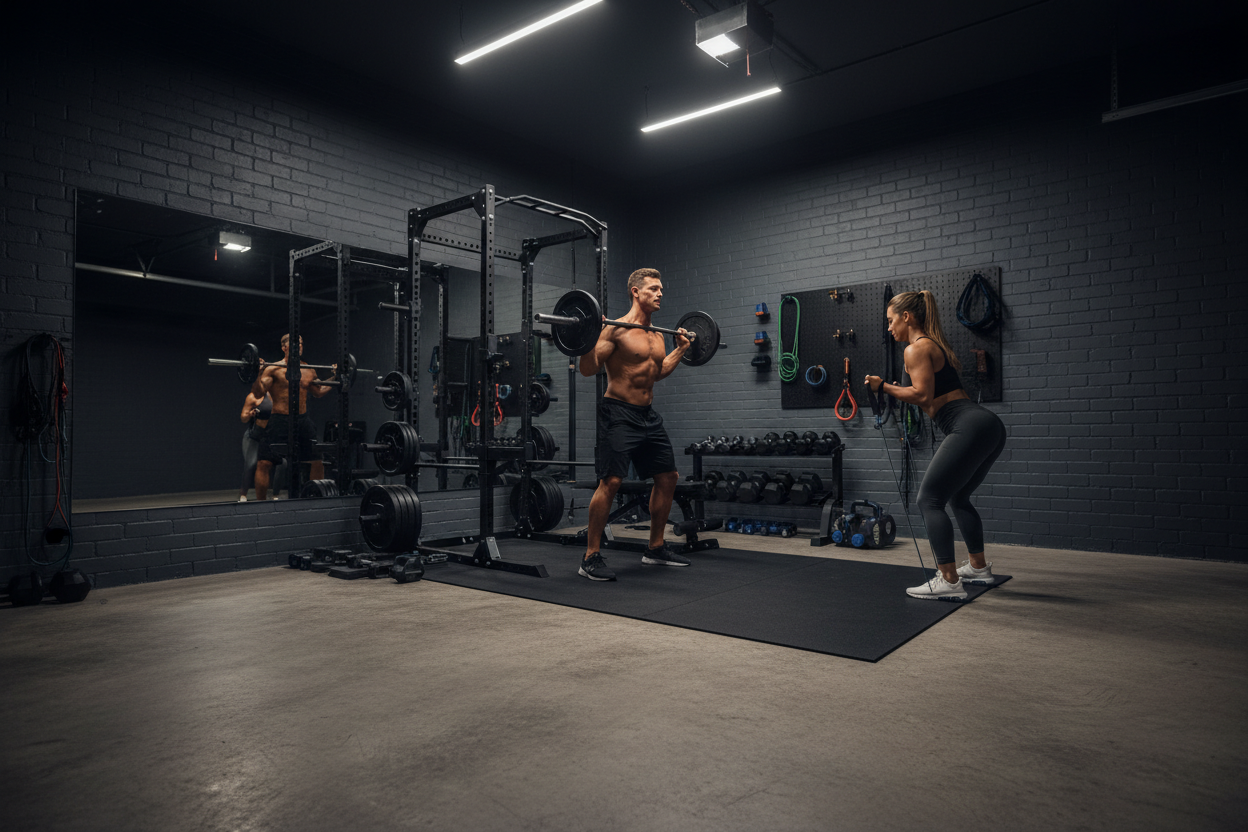
Building the Ultimate Home Gym Under $1000: The 2025 Blueprint
Most people think building a garage gym requires a credit card limit equivalent to a small sedan. That is simply not true. You don't need five-figure machinery to get strong; you need gravity and durable iron. Finding the **best home gym under $1000** is entirely possible, but it requires a strategic shift from buying "gadgets" to investing in essentials.
If you have a grand to spend, you are in the sweet spot. You have enough budget to avoid dangerous, flimsy equipment, but not enough to waste on luxury items that collect dust. Let's break down exactly how to allocate those funds for maximum gains.
Key Takeaways: The $1K Budget Breakdown
If you want to skip the fluff and start building, here is the core priority list for a sub-$1000 setup:
- The Power Rack ($300-$400): Look for a 2x2 steel uprights with at least a 700lb weight capacity. Safety safeties are non-negotiable.
- The Barbell ($200-$250): Never buy the cheapest bar. Look for a 28mm-29mm shaft, moderate knurling, and bushing rotation.
- Weight Plates ($250-$300): Skip fancy bumpers if you aren't doing Olympic lifts. Cast iron is cheaper and lasts forever.
- The Bench ($100-$150): A flat bench is sufficient. Ensure it has a single-post front leg to allow for foot positioning.
- Flooring (Remainder): Horse stall mats are the gold standard for budget gym flooring.
The Philosophy: Versatility Over Variety
When searching for a home gym under 1000, the biggest mistake lifters make is trying to replicate a commercial gym. You do not need a leg extension machine or a pec deck. You need equipment that allows for compound movements: Squats, Bench, Deadlifts, and Overhead Presses.
These four lifts hit every major muscle group. Therefore, your budget must strictly support these movements. Anything that does not facilitate a compound lift is a luxury item you can add next year.
The Centerpiece: The Power Rack
Your rack is your safety net. Since you will likely be training alone, you cannot afford a wobbly stand. A proper home gym for under 1000 must include a full power rack or a very sturdy half-rack.
What to Look For
Avoid generic "all-in-one" stations sold at department stores. They often use 14-gauge steel (thin) and have low weight limits. Look for 11 or 12-gauge steel. The hole spacing matters too; "Westside" spacing (1-inch spacing through the bench zone) allows you to set safeties at the perfect height so you don't get crushed during a bench press.
The Engine: The Barbell
If there is one piece of gear you should never cheap out on, it is the barbell. A cheap bar will bend, the chrome will flake, and the sleeves will seize up.
Allocating about 25% of your total budget here is smart. You want a bar with a tensile strength of at least 165,000 PSI. If the manufacturer doesn't list the PSI, do not buy it. A good bar makes a home gym under $1000 feel like a professional training facility.
The Resistance: Plates and Bench
Iron vs. Bumper Plates
Bumper plates (rubber) are quieter and look cool, but they are expensive. To keep your home gym under 1000, stick to classic cast iron plates or "machined" iron plates. They are thinner, meaning you can fit more on the bar, and they cost significantly less per pound.
The Flat Bench
Adjustable benches are great, but a high-quality adjustable bench eats up half your budget. A heavy-duty flat bench is rock solid and costs a fraction of the price. It allows you to bench press safely without the wobble found in cheap adjustable mechanisms.
My Training Log: Real Talk
I want to share a mistake I made when I built my first garage setup. I tried to build a home gym under $1000, but I got greedy. I bought a cheap "300lb weight set" from a big-box store that included a bar, simply because it was $50 cheaper than buying separate pieces.
Two months in, I was deadlifting 315lbs. The bar developed a permanent bend. Worse, the knurling (the grip texture) was so passive it felt like a smooth pipe, forcing me to use straps way earlier than I should have. But the real deal-breaker? The chrome plating started flaking off the sleeves. I remember wiping sweat off my forehead and feeling a sharp scratch—a shard of chrome had stuck to my hand. I had to throw the bar away and buy the $250 one I should have bought in the first place. Learn from my wasted cash: Buy a good bar first.
Conclusion
Building a high-performance gym on a budget is about prioritizing steel over plastic. By focusing on a solid rack, a reliable barbell, and basic iron, you can construct a training environment that outperforms most commercial fitness centers. Don't wait for a bigger budget; start lifting with the essentials today.
Frequently Asked Questions
Can I really get a full-body workout with a $1000 setup?
Absolutely. A rack, barbell, and weights allow you to perform the "Big 3" (Squat, Bench, Deadlift) plus rows and presses. These exercises are superior for building mass and strength compared to the isolation machines found in expensive commercial gyms.
Should I buy used equipment to stay under budget?
Buying used weight plates is a great idea since iron doesn't spoil. However, be careful buying used barbells. Unless you can inspect it for bends or seized bearings, it is safer to buy the barbell new. Racks are generally safe to buy used if the steel isn't rusted through.
How much space do I need for this setup?
You need a footprint of roughly 8 feet by 8 feet. The standard barbell is 7 feet long, so you need a little clearance on each side to load weights. The rack itself usually takes up a 4x4 foot area.