Building Strength and Definition in the Female Chest Muscles
The female chest muscles, anatomically known as the pectoralis major and pectoralis minor, play a crucial role not only in upper body strength but also in posture, athletic performance, and overall physique. While discussions about chest training often focus on men, women can also greatly benefit from strengthening their female pectoral muscle group. A well-developed female muscular chest contributes to functional strength, optimal shoulder health, and balanced aesthetics.
Understanding the Anatomy of the Female Pectoral Muscle
The pectoral muscle in a female body functions similarly to that in males, consisting mainly of the pectoralis major, a thick fan-shaped muscle, and the pectoralis minor, which lies beneath it. The pectoralis major in women assists in movements like pushing, lifting, and internal rotation of the arm. For a woman with chest muscle that is well-conditioned, daily activities become easier, and sports performance can improve significantly.
Benefits of Developing Chest Muscles on a Woman
Strengthening chest muscles on a woman goes beyond aesthetic appeal. It helps stabilize the shoulder joint, supports arm movements, and aids in maintaining an upright posture. Enhanced chest strength may also reduce the risk of injuries related to repetitive upper-body movements. For women involved in activities such as swimming, tennis, or weight training, the pectoralis major plays a primary role in power generation.
Functional Advantages
Improving the female chest muscle capacity supports functional tasks such as pushing open heavy doors, carrying loads, or performing certain occupational duties. This is particularly important for women in physically demanding jobs who rely on upper body stability for efficiency and injury prevention.
Postural Support
Strong pectoral muscles help counterbalance the pull of back muscles, contributing to better posture and less strain on the spine. For women who spend long hours sitting or working at a desk, targeted chest training can mitigate postural imbalances and alleviate muscle tension.
Evidence-Based Exercises for Developing the Female Muscular Chest
Research and practical fitness experience show that compound and isolation movements specifically targeting the pectoralis major and minor can enhance muscle tone and strength.
Push-Ups and Variations
Standard push-ups are an effective, equipment-free way to engage the entire pectoral muscle female structure. Variations like incline and decline push-ups target different areas of the chest, offering balanced development.
Dumbbell Chest Press
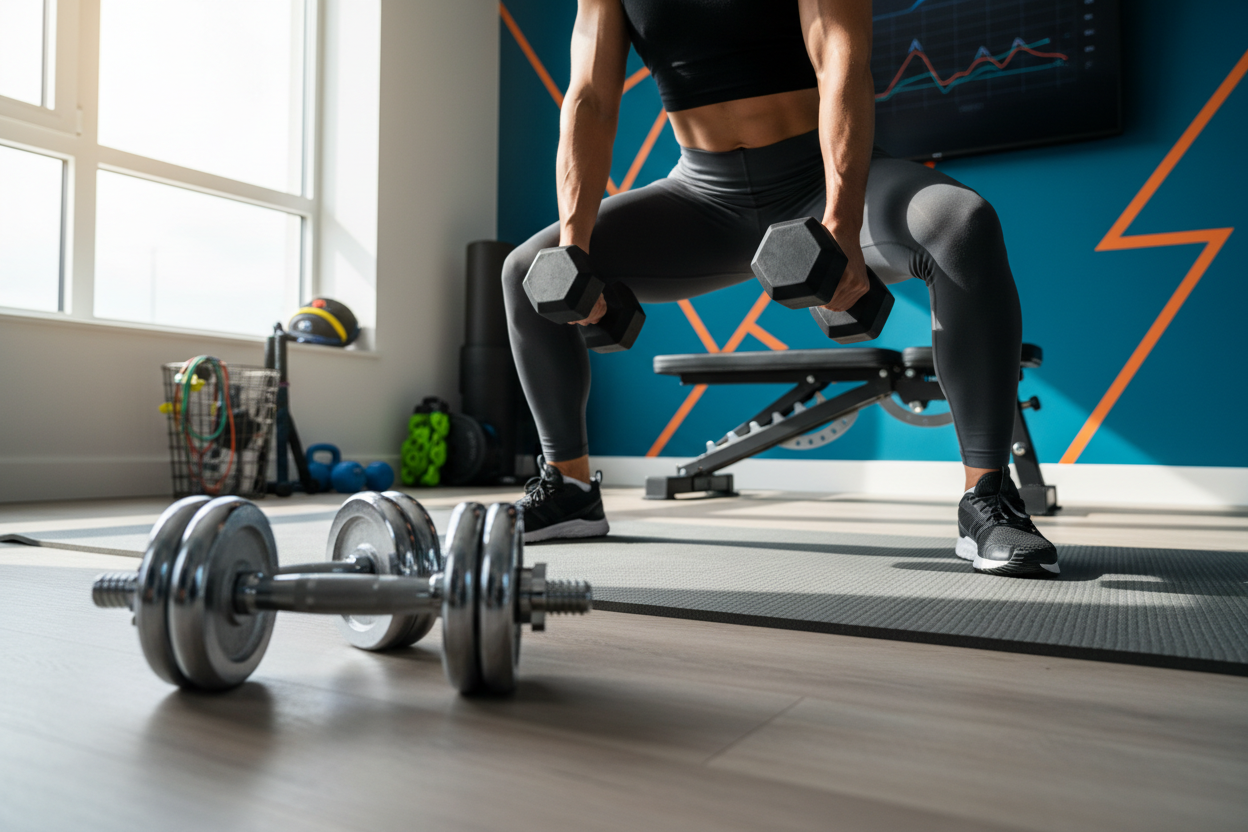
Using free weights such as dumbbells helps activate stabilizing muscles in addition to the pectoralis major. Performing presses on a flat, incline, or decline bench allows selective emphasis on upper or lower chest fibers.
Chest Fly Movements
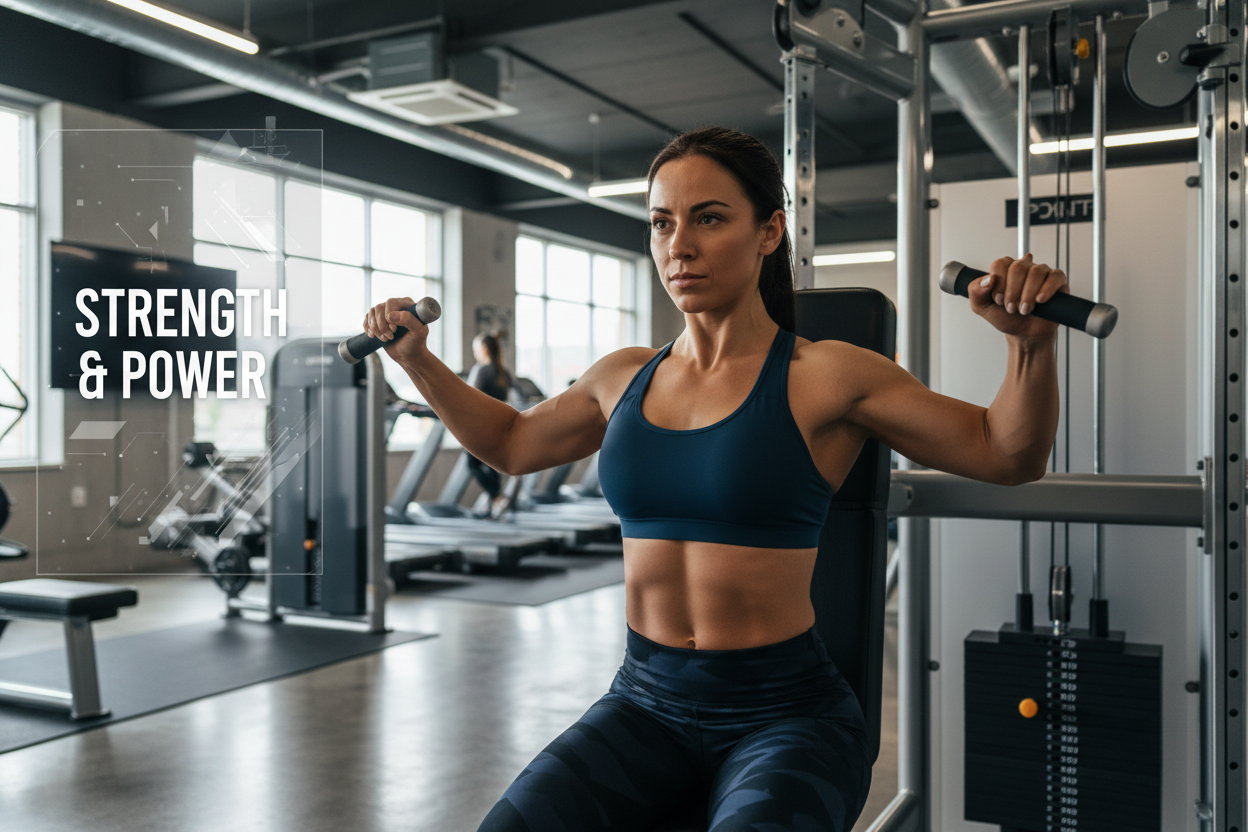
Chest fly exercises with dumbbells or cables isolate the pectoral muscles, promoting muscle stretch and contraction to improve definition. This isolation technique helps improve the visible contour of the female muscular chest without excessive bulk.
Resistance Band Training
For women seeking home-based workouts, resistance bands can be highly effective for chest training. Band presses and fly movements are easy to set up and maintain tension through the full range of motion, which is beneficial for gradual muscle development.
Personal Experience and Practical Application
In my own training journey, integrating two focused chest workouts per week led to noticeable improvements in upper-body strength and posture. Initially, my goal was to improve performance in swimming, where the pectoralis major woman muscle plays a key role. Over time, I found that everyday activities like carrying groceries or performing manual work felt easier, demonstrating the practical benefits beyond sport.
Optimizing Recovery and Avoiding Common Mistakes
Rest and recovery are essential for muscle growth. Overtraining can lead to fatigue and injury, especially around sensitive joints like the shoulders. It's important for any woman with chest muscle development goals to balance training intensity with adequate rest days and recovery practices such as stretching and mobility work.
Common Pitfalls
- Neglecting proper form during chest exercises, which may lead to strain.
- Focusing solely on heavy weights instead of controlled, high-quality movements.
- Ignoring complementary training for the back muscles, resulting in muscular imbalance.
Conclusion
Developing chest muscles on a woman is an achievable and highly beneficial goal, offering functional strength, improved posture, and enhanced performance in both sports and daily life. A targeted, evidence-based approach to strengthening the female pectoral muscle ensures safe progress and long-term results. Whether seeking a more defined female muscular chest or simply aiming for a healthier upper body, consistent training backed by proper recovery remains key.