Build Strength and Stability with Functional Chest Exercises
When it comes to training your chest, many people focus solely on traditional bench press movements. While these can be effective, incorporating functional chest exercises into your routine helps build strength that translates into real-world performance. Functional training emphasizes movements that engage multiple muscle groups, improve stability, and enhance overall mobility.
Why Functional Chest Training Matters
The chest muscles, particularly the pectoralis major and minor, are crucial for pushing, lifting, and stabilizing the upper body. Functional chest workouts go beyond aesthetics—they improve your ability to perform everyday tasks and sports-specific movements. By engaging supporting muscles, these exercises reduce the risk of injury and help maintain long-term shoulder health.
Fundamentals of Functional Exercises for the Chest
Functional chest exercises typically mimic natural movement patterns rather than isolating muscles completely. They often use free weights, resistance bands, or body weight to challenge stability and coordination. The key lies in integrating your core, shoulders, and arms in every movement.
Example Functional Chest Exercises
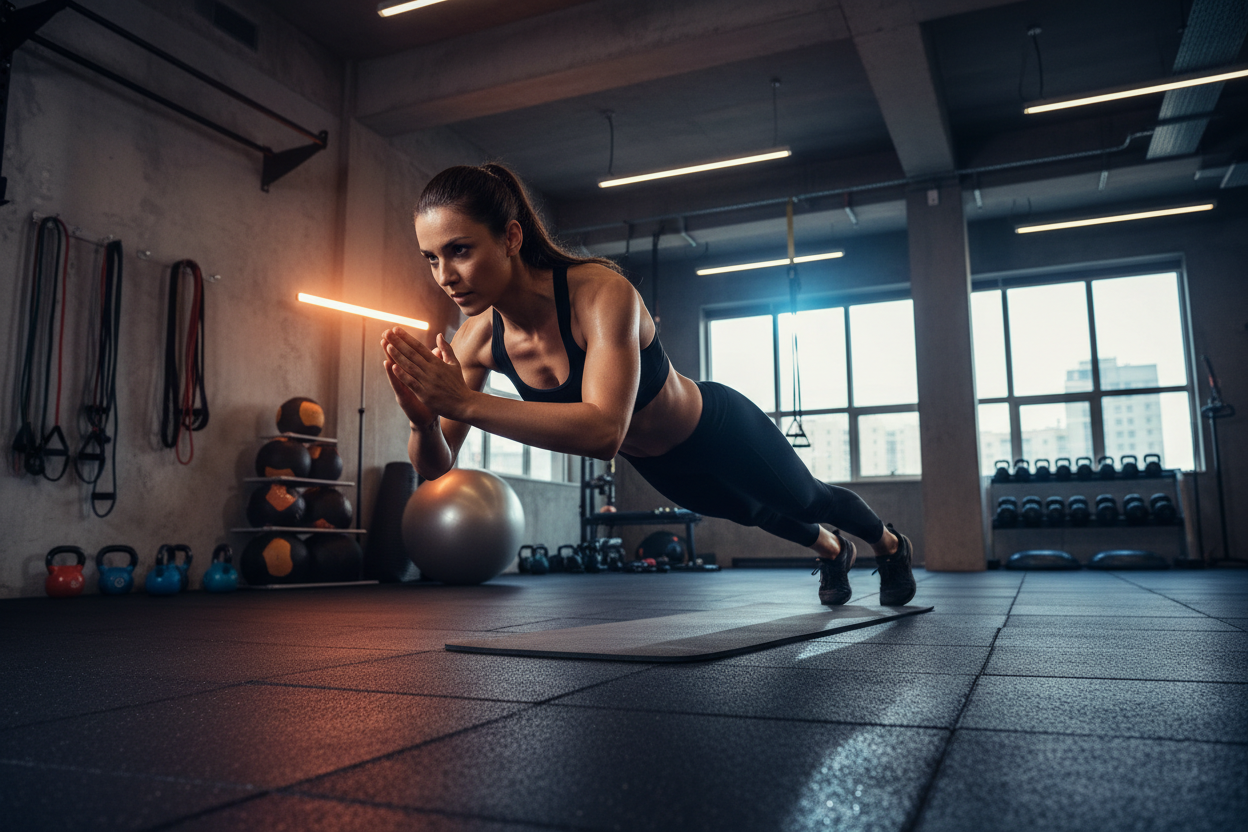
- Push-up Variations: Incorporating incline, decline, and staggered-hand push-ups engages different areas of the chest while challenging your core and shoulder stabilizers.
- Dumbbell Floor Press: Performing presses from the floor limits range of motion, encouraging controlled movement and improving lockout strength—great for functional power.
- Single-Arm Chest Press: Whether on a bench or stability ball, working one side at a time increases balance and strengthens the core.
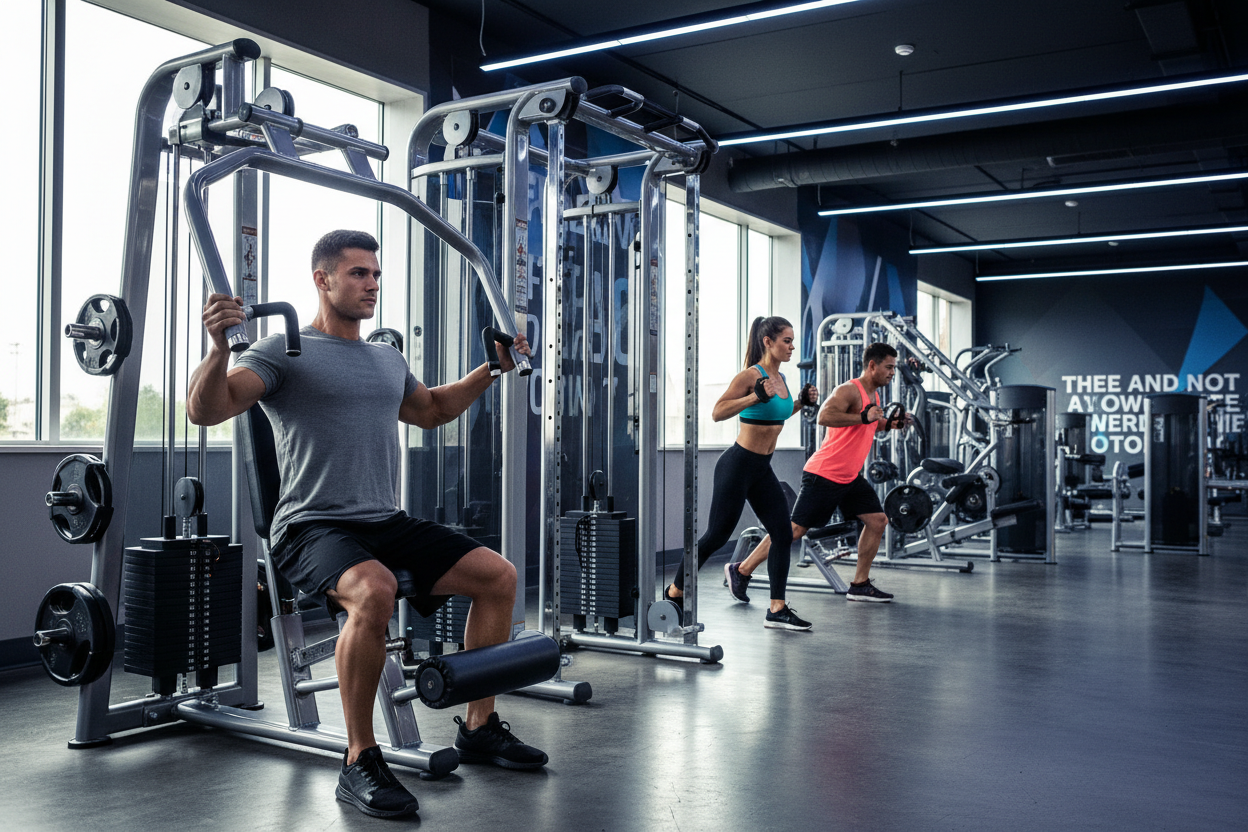
- Cable Chest Fly with Split Stance: This variation forces you to stabilize your body through your legs and core while performing a chest fly motion.
- Medicine Ball Push-Throw: An explosive push throw builds functional power and mimics sports movements such as passing in basketball or rugby.
Structuring a Functional Chest Workout
To create a balanced routine, combine pressing movements, stability work, and dynamic exercises. Warm up with mobility drills for the shoulders and thoracic spine before starting. A sample workout could include:
- Incline Push-ups – 3 sets of 12 reps
- Cable Chest Fly with Split Stance – 3 sets of 10 reps
- Dumbbell Floor Press – 4 sets of 8 reps
- Single-Arm Stability Ball Press – 3 sets of 8 reps per side
- Medicine Ball Push-Throw – 3 sets of 6 reps
Rest for 60–90 seconds between sets, focusing on maintaining proper form over lifting heavier weights.
My Experience with Functional Chest Training
When I first moved from traditional bench presses to functional chest work, I was surprised by how quickly my overall athletic performance improved. I noticed greater shoulder stability during sports and less strain during daily tasks such as lifting objects overhead. The single-arm press and split stance cable fly particularly challenged my balance and revealed weaknesses I hadn't recognized before. Over time, these exercises made my pressing strength more adaptable to different angles and positions.
Safety and Progression Tips
As with any workout plan, start with manageable weights and progress gradually. Pay attention to shoulder positioning, as improper form can lead to strain or injury. Breathing correctly during lifts also supports core activation and stability. If you’re unsure about form, consider having a fitness professional assess your technique before adding more resistance or complexity.
Adapting for Different Fitness Levels
Beginners can start with bodyweight exercises such as kneeling push-ups or band-resisted presses. Intermediate lifters may benefit from free weight movements with added stability challenges, while advanced athletes can incorporate explosive exercises that build power alongside control. The adaptability of functional chest exercises makes them suitable for almost everyone.
The Takeaway
Functional chest exercises blend strength, stability, and mobility—helping you push, lift, and move with more confidence and resilience in everyday life. They enhance chest development while also challenging supporting muscles and improving coordination. Consistent practice will not only improve your fitness performance but also make everyday movements easier and safer.