Build Explosive Power: The Ultimate Leg Day Guide for Athletes
True athletic performance requires a shift in mindset. While a bodybuilder steps into the gym to isolate muscles and chase a pump, an athlete steps in to build force, velocity, and resilience. To train legs like an athlete, you must prioritize movement patterns—squatting, hinging, lunging, and rotating—rather than just focusing on quads or hamstrings in isolation. The goal is to create a body that functions as a cohesive unit, capable of generating explosive power from the ground up.
I learned this lesson the hard way during my early years of competitive sports. I spent months obsessed with increasing my back squat numbers, assuming that a heavier squat would automatically make me faster on the field. It didn't. I felt heavy, stiff, and my joints ached constantly. It wasn't until I overhauled my routine to focus on unilateral stability and velocity-based movements that my performance actually transferred to the game. My vertical jump increased, my acceleration improved, and nagging knee pain vanished. That transition from static strength to dynamic power is the cornerstone of a proper athlete leg workout.
The Philosophy Behind Athletic Leg Training
Understanding the difference between training for show and training for go is crucial. A standard gym rat might spend forty minutes on leg extensions and curls. However, the best leg workout for athletes focuses on the posterior chain—the glutes, hamstrings, and lower back—because these are the engines of propulsion. If you cannot extend your hips violently, you cannot sprint fast or jump high.
Furthermore, sports are rarely played with both feet planted firmly on the ground in a symmetrical stance. You are cutting, sprinting, and jumping off one leg. Therefore, a comprehensive leg workout for athletes must include significant volume of single-leg work to correct imbalances and mimic the demands of competition. This approach not only improves performance but significantly reduces the risk of injury.
Compound Movements: The Foundation of Force
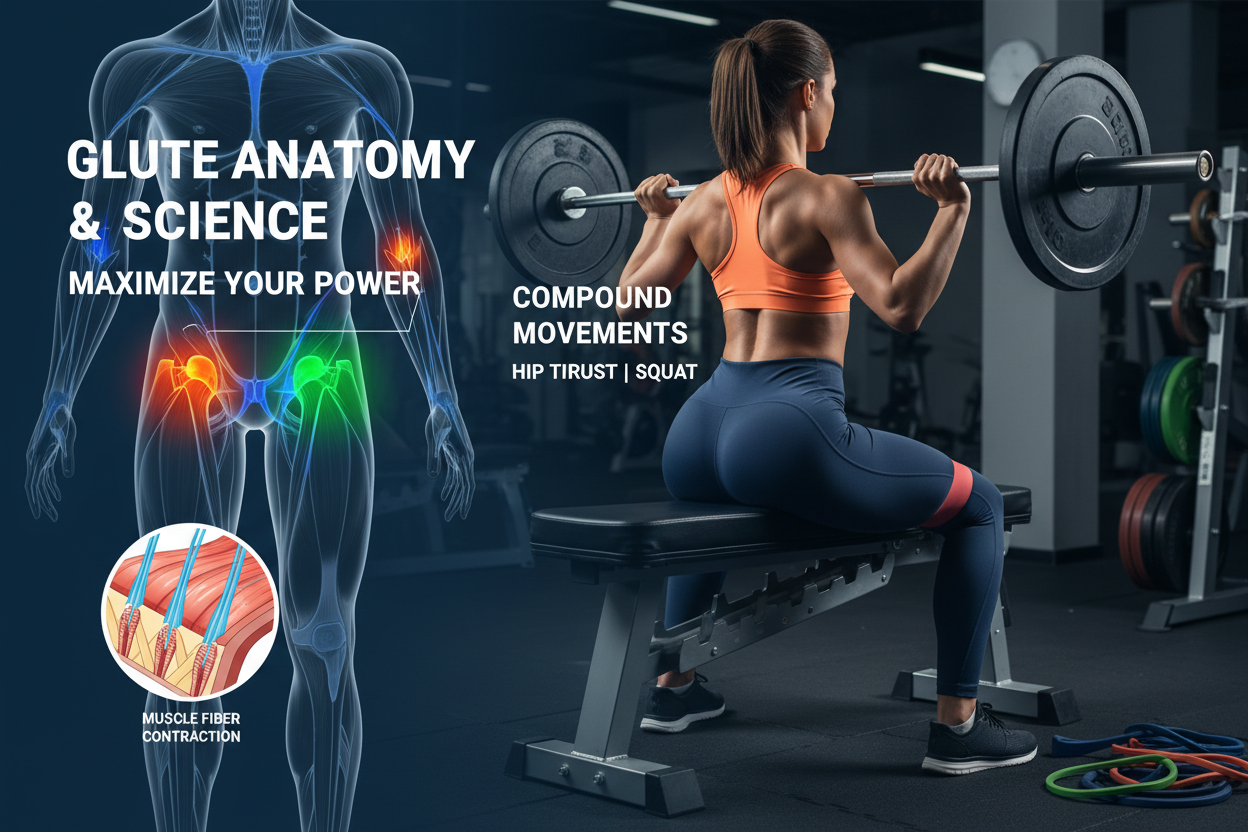
Your session should always begin with a primary compound lift to stimulate the central nervous system. While the back squat is king for many, the trap bar deadlift is often considered one of the best leg exercises for athletes. It reduces shear force on the spine while allowing for high load and peak power output. It mimics the jumping position more closely than a conventional deadlift.
For those focusing on an athlete lower body workout, the front squat is another exceptional tool. It forces thoracic extension and core rigidity, which translates directly to the upright torso position needed in contact sports. These heavy compound movements build the raw strength capacity that you will later convert into speed.
Unilateral Training: The Athlete's Secret Weapon
If you skip single-leg work, you are leaving performance on the table. Leg training for athletes is incomplete without the Bulgarian Split Squat. This exercise is grueling, but it exposes and corrects strength deficits between your left and right sides. When you sprint, you are essentially performing a series of rapid, explosive single-leg bounds. If one side is weaker, your speed leaks energy.
Another staple in an effective athlete leg day is the multi-directional lunge. Sports happen in 360 degrees. Lateral lunges and rotational lunges prepare your adductors and abductors for the chaotic nature of gameplay, ensuring your knees remain stable during high-speed cuts.
Plyometrics and Speed Development
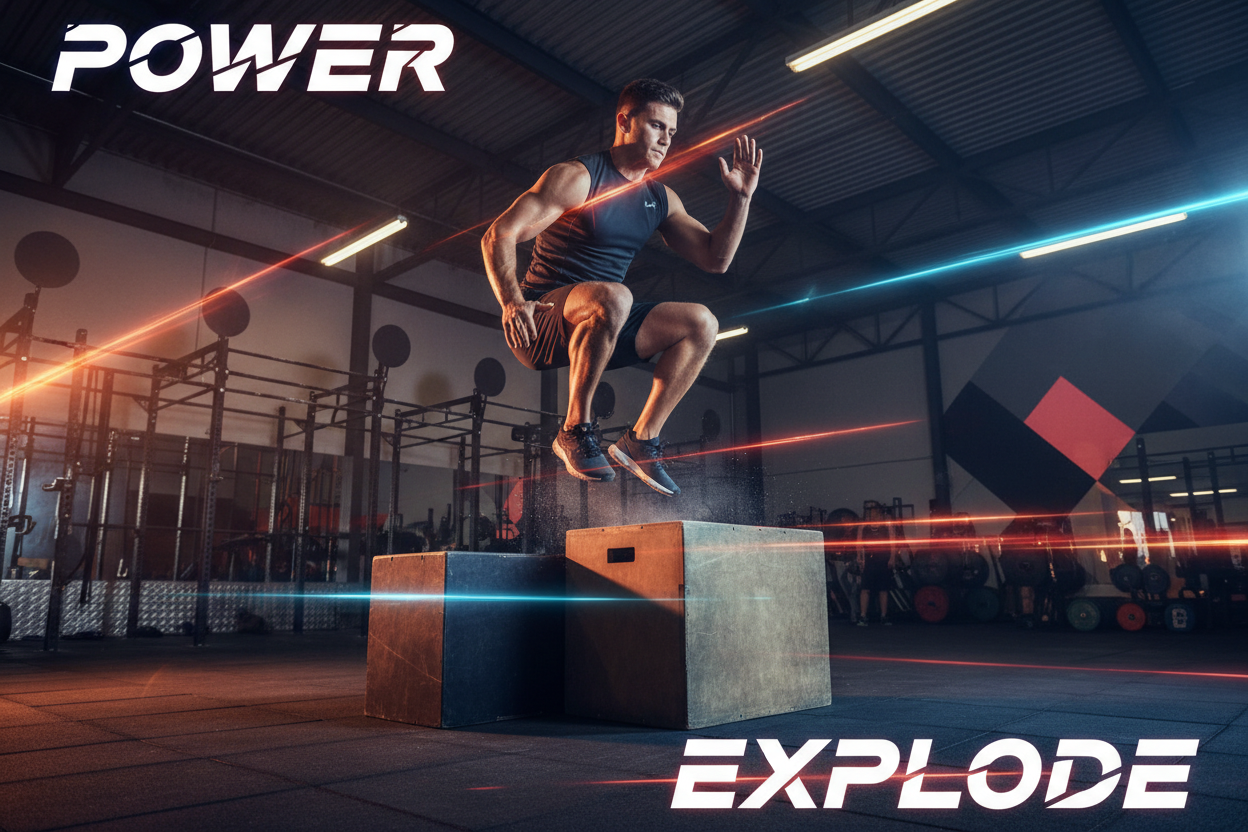
Strength has diminishing returns if you cannot apply it quickly. This is where plyometrics come into play. The best leg exercises for athleticism involve moving light loads fast. Box jumps, depth jumps, and hurdle hops teach your nervous system to fire rapidly. This is often referred to as Rate of Force Development (RFD).
In a well-structured leg day for athletes, plyometrics are often paired with heavy strength movements. This technique, known as contrast training, might involve doing a heavy set of squats followed immediately by vertical jumps. This tricks your nervous system into recruiting more muscle fibers, leading to greater explosiveness.
The Ultimate Athlete Leg Day Workout
Here is a sample routine designed to cover strength, stability, and power. This represents a comprehensive lower body workout for athletes looking to improve on-field performance.
Warm-up: 10 minutes of dynamic stretching and glute activation.
1. Power Block
Perform these movements when you are freshest to maximize explosiveness.
- Box Jumps: 3 sets of 5 reps (Focus on soft landing and maximum height)
- Medicine Ball Slams: 3 sets of 8 reps
2. Strength Block
This is the meat of the athlete leg exercises.
- Trap Bar Deadlift: 4 sets of 5 reps (Heavy, but maintain speed on the way up)
- Rest 2-3 minutes between sets to ensure full recovery.
3. Unilateral Support Block
Essential for stability and injury prevention.
- Bulgarian Split Squats: 3 sets of 8 reps per leg
- Single-Leg RDL (Romanian Deadlift): 3 sets of 10 reps per leg (Great for hamstring health)
4. Accessory & Structural Integrity
Finishing the lower body athlete workout with durability work.
- Nordic Hamstring Curls: 3 sets of 5-8 reps (Control the eccentric phase)
- Tibialis Raises: 3 sets of 15 reps (Crucial for ankle stability and shin splint prevention)
Programming Considerations for Athletes
Frequency matters as much as intensity. A bodybuilder might destroy their legs once a week and not walk for days. An athlete leg workout requires a different approach. You often need to practice your sport the next day. Therefore, it is often better to train legs twice a week with moderate volume rather than once a week with excessive volume. This keeps the neural pathways active without accumulating debilitating fatigue.
When looking at professional athletes leg development, you will notice they aren't just big; they look dense and functional. This comes from years of consistent heavy lifting combined with sprint work. The best leg day for athletes balances the stress placed on the knee and hip joints. If you squat heavy on Monday, you might focus on hip-hinge movements like deadlifts or kettlebell swings on Thursday.
Common Mistakes to Avoid
Avoid using machines that lock you into a fixed path of motion, such as the Smith Machine, for your primary lifts. Athleticism relies on your body's ability to stabilize weight in space. Utilizing free weights forces your stabilizer muscles to work overtime, which is exactly what you want in a leg day workout for athletes.
Another pitfall is neglecting the feet and ankles. Power originates from your contact with the ground. Incorporating barefoot training or specific foot-strengthening drills into your lower body workout athletes routine can improve your proprioception and balance significantly. The best lower body exercises for athletes engage the entire kinetic chain, from the big toe up to the hips.
Final Thoughts on Performance Training
Training for performance is a long-term commitment to movement quality. By integrating heavy compounds, unilateral stability work, and explosive plyometrics, you build a body that is resilient and powerful. Remember that the best leg workout for athletes is the one that allows you to perform better at your chosen sport, not necessarily the one that makes you the sorest the next day. Consistency in these movement patterns will separate you from the competition.
Frequently Asked Questions
How often should an athlete train legs?
Most athletes benefit from training legs two times per week. This frequency allows for sufficient stimulation of the lower body muscles while leaving enough recovery time for sports practice and skill work. In-season training may reduce this volume to maintain strength without inducing fatigue.
Should athletes use machines for leg workouts?
While free weights are generally superior for stabilizer development, machines are not useless. They can be effective for accessory work or rehabilitation when an athlete needs to isolate a muscle without taxing the central nervous system or lower back.
What is the difference between bodybuilding and athletic leg training?
Bodybuilding focuses on muscle hypertrophy and aesthetics, often utilizing isolation movements and training to failure. Athletic training prioritizes movement patterns, force production, and explosive power, avoiding failure on main lifts to preserve the nervous system for competition.