
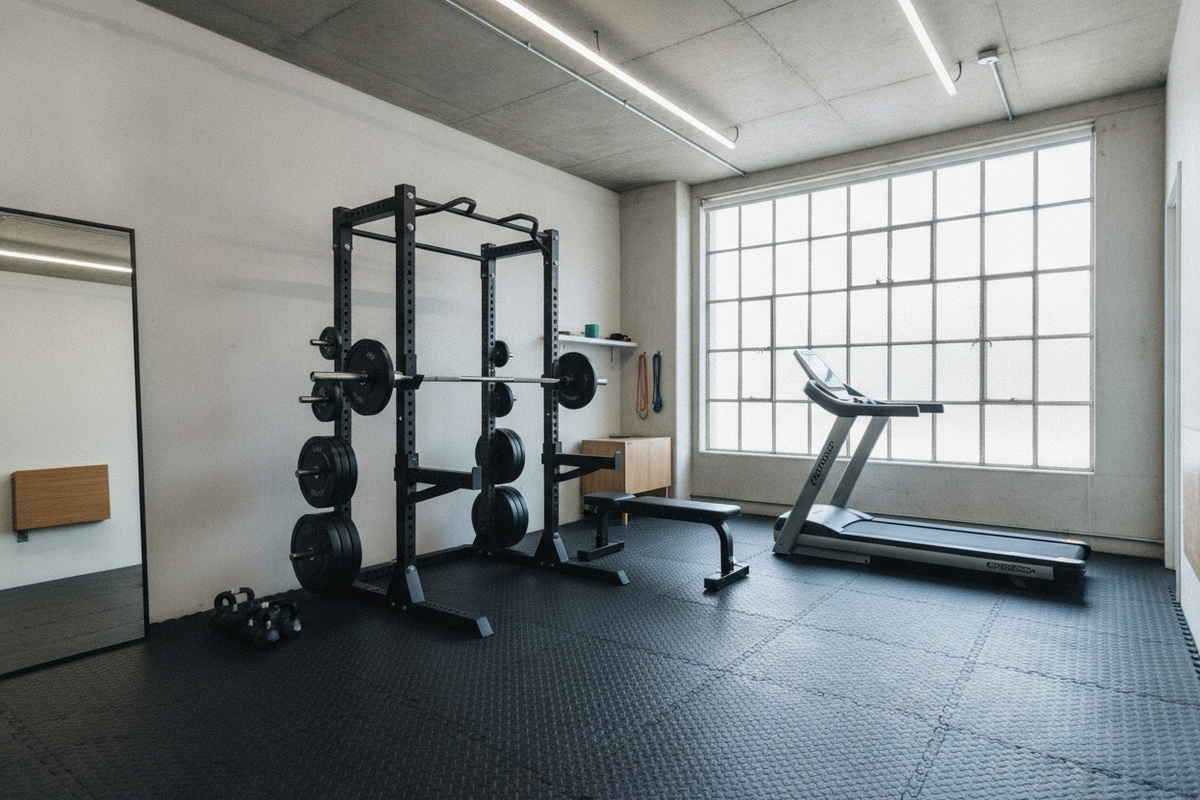
Bodybuilding Cardio: Hypertrophy Preservation, Cutting Protocols, and Home Setup
Integrating cardiovascular exercise into a bodybuilding regimen is a practical way to manage energy expenditure, support systemic recovery, and improve baseline work capacity. For lifters focused on hypertrophy and strength retention, the primary objective is balancing aerobic conditioning against the recovery demands of progressive resistance training. When structured thoughtfully, cardio complements lifting rather than detracting from muscle development.
The Strategic Role of Cardio in Bodybuilding and Hypertrophy
Bodybuilders incorporate cardio for reasons that extend beyond caloric output during a fat-loss phase. Cardiovascular training supports efficient nutrient delivery, assists in waste product clearance between high-volume lifting sets, and elevates baseline stamina across demanding training cycles. By establishing a solid aerobic foundation, lifters can maintain higher training density during heavy compound movements without experiencing early systemic fatigue.
Moreover, cardiovascular work assists in maintaining metabolic flexibility and cardiovascular health. Maintaining consistent aerobic activity ensures that transition periods between muscle-building phases and caloric deficits remain smooth, reducing the abrupt physiological strain often caused by sudden spikes in conditioning volume.
Bodybuilding Cardio for Cutting vs. Bulking Phases
Cardiovascular requirements shift depending on current nutritional goals and training blocks:
- Cutting Phases: During a fat-loss cut, cardio serves as an adjustable variable to increase daily energy expenditure without requiring severe dietary restrictions. Low-to-moderate intensity sessions are commonly favored because they contribute to a caloric deficit while minimizing direct interference with heavy lifting recovery.
- Bulking or Maintenance Phases: During mass-gaining phases, cardio volume is generally kept modest. The goal shifts toward preserving general conditioning, supporting healthy blood flow, and stimulating an active appetite without burning through the caloric surplus necessary for muscle tissue growth.
Selecting the Best Cardio Modalities for Bodybuilders
Not all cardiovascular modalities impose the same recovery burden on connective tissues and musculature. Bodybuilders generally benefit from low-impact exercises that minimize eccentric muscle damage, especially in the lower body:
- Incline Treadmill Walking: Low-Intensity Steady State (LISS) incline walking provides consistent cardiovascular engagement with minimal joint impact, sparing the knees and lower back from excessive pounding.
- Stationary Cycling: Upright or recumbent bikes offer controlled, concentric-focused leg movement that elevates heart rate without the eccentric impact associated with road running. When outfitting a home setup with stationary cycling gear to maintain low-impact conditioning, review our cardio much should guide to choose equipment suited to your training budget.
- Rowing and Low-Impact Ergometers: Ergometers engage both upper and lower body musculature in a smooth, continuous rhythm, distributing conditioning work evenly across muscle groups.
- Bodyweight Conditioning: Low-impact circuits, stepping drills, and controlled movement complexes can be performed on cushioned surfaces to build stamina without heavy eccentric stress. If you are balancing cardiovascular output with introductory resistance splits, our workout routine good guide outlines balanced movement progressions for sustainable progress.
Programming and Timing Cardio Around Resistance Training
How and when you perform cardio significantly influences muscle retention. Separating resistance training and cardiovascular sessions allows the body to prioritize the neuromuscular demands of heavy lifting. When feasible, placing cardio on dedicated active recovery days or several hours away from lifting sessions helps reduce concurrent training interference.
If both sessions must occur within the same workout window, performing lifting first ensures maximal motor unit recruitment, strength output, and focus for resistance sets, leaving low-intensity cardio for the post-workout cooldown. For comprehensive training splits, recovery frameworks, and layout tips, visit our workout resource to structure your home fitness environment.
Creating a Dedicated Home Cardio and Conditioning Zone
Establishing an efficient conditioning space within a home gym requires attention to equipment placement, ventilation, and surface stability. Whether using a stationary bike, a compact rowing machine, or performing mat-based agility intervals, organizing equipment to allow unhindered movement promotes consistent daily training.
Floor Staging and Joint Protection for High-Output Conditioning
Surface selection plays a direct role in biomechanical comfort and equipment stability during cardio sessions. Hard concrete or unyielding garage floors can transmit repetitive shock into ankles, knees, and hips during prolonged sessions. Dedicated high-density gym mats provide the traction needed for secure footing while helping to dampen vibrations from mechanical trainers.
Placing stationary trainers, step platforms, or performing bodyweight intervals on a heavy-duty workout product protects underlying subfloors and provides essential joint cushioning. A non-slip, resilient mat surface ensures that equipment remains firmly anchored during vigorous pedaling or rowing efforts.
Common Bodybuilding Cardio Mistakes and Recovery Audits
To preserve lean tissue while performing regular cardio, avoid these frequent programming missteps:
- Over-relying on High-Impact Running: High-impact road running introduces substantial eccentric stress that can impair squat and deadlift performance. Prioritize low-impact modalities whenever possible.
- Escalating Cardio Volume Too Rapidly: Increasing conditioning volume abruptly during a cut can accelerate systemic fatigue. Adjust volume gradually as fat loss plateaus rather than starting at maximum capacity.
- Neglecting Proper Fueling and Hydration: Extended cardio sessions without adequate electrolyte and fluid replenishment can compromise subsequent lifting performance and muscle fullness.
- Ignoring Recovery Signals: Monitor joint comfort, sleep quality, and lifting progression. If barbell numbers drop rapidly alongside rising cardio volume, adjust frequency or intensity to restore physical balance.


