Bodybuilder Diets: Meal Architecture, Nutritional Periodization, and Home Training Integration
Foundational Principles of Bodybuilder Diets
Structured nutrition serves as the foundation of resistance training. While workout regimens stimulate muscle adaptation, bodybuilder diets provide the sustained fuel, amino acids, and micronutrients necessary for recovery and tissue rebuilding. Successful eating frameworks generally shift between focused phases: periods prioritizing controlled energy surpluses to support muscular hypertrophy, and structured conditioning intervals aimed at improving definition while preserving lean mass.
Rather than relying on short-lived dietary trends or excessive restrictions, sustainable bodybuilding eating habits center on dietary consistency, food quality, and digestive comfort. Athletes balance energy availability across the day to ensure strength during heavy lifts without causing lethargy. Lifters starting their journey often combine these dietary foundations with a structured physical routine, such as a beginner plan men guide, ensuring that progressive overload and dietary intake advance together.
Core Food Groups: What Successful Lifters Eat
A balanced bodybuilding food program relies on foundational whole foods that can be prepped in batches, measured with ease, and consumed consistently throughout the week.
Complete Protein Sources and Satiety
Proteins supply the amino acid building blocks required to repair muscle fibers broken down during intense training. A typical bodybuilder diet incorporates a diverse range of complete protein options:
- Poultry and Lean Meats: Skinless chicken breast, lean turkey breast, and trimmed cuts of lean beef provide concentrated protein with modest fat content.
- Seafood and Fish: White fish offers rapid digestibility, while fatty fish such as salmon adds natural dietary fats to the weekly rotation.
- Eggs and Egg Whites: Whole eggs offer micronutrients and healthy fats, while liquid egg whites allow lifters to increase protein volume without adding excess calories.
- Plant-Based Alternatives: Tofu, tempeh, seitan, and mixed legume bowls offer viable protein alternatives for plant-focused athletes.
- Dairy and Cultured Options: Greek yogurt and low-fat cottage cheese supply slow-digesting casein, making them common choices for evening meals.
Complex Carbohydrates for Muscular Glycogen
Carbohydrates are the body's primary energy source during intense weight training. Muscle glycogen fuels demanding compound lifts, and replenishing these stores prevents premature fatigue. Common bodybuilding staples include:
- Oats and Cream of Rice: Digestible grain options that serve as staple breakfast and pre-training meals.
- Rice Varieties: Jasmine, basmati, and brown rice serve as versatile, easily measured carbohydrate bases alongside lean proteins.
- Tubers: Sweet potatoes and russet potatoes provide complex starches along with dietary potassium.
- Whole Grains and Quinoa: Nutrient-dense carbohydrates that support overall micronutrient intake and steady energy.
Dietary Fats for Systemic Balance
Fat is essential for hormone production, joint health, and nutrient absorption. Rather than eliminating fats, bodybuilders incorporate measured amounts of quality sources such as extra virgin olive oil, avocados, almonds, walnuts, chia seeds, and natural nut butters.
Meal Architecture and Daily Eating Schedules
Organizing daily nutrition into modular intervals helps lifters distribute nutrients evenly, maintain stable energy, and avoid the gastrointestinal discomfort associated with oversized single meals.
Peri-Workout Nutrition Strategy
Nutrient timing around the training window helps ensure adequate fuel for performance and prompt recovery afterward. A meal consumed one to two hours before training typically emphasizes lean protein and moderate complex carbohydrates with minimal dietary fat to ensure smooth digestion. Following a demanding workout, a combination of protein and carbohydrates facilitates recovery, priming the muscles for subsequent training days.
Beginner-Friendly Daily Meal Cadence
Transitioning into structured bodybuilding eating does not require extreme eating schedules. A manageable four-to-five meal framework functions well for many lifters:
- Meal One (Morning Fuel): Whole eggs with egg whites, rolled oats, and fresh berries.
- Meal Two (Midday Nutrition): Grilled chicken breast with jasmine rice and steamed green vegetables.
- Meal Three (Pre-Workout Nourishment): Lean ground turkey, baked sweet potato, and sliced zucchini.
- Meal Four (Post-Workout Recovery): White fish or whey protein with cream of rice and a light drizzle of almond butter.
- Meal Five (Evening Satiety): Low-fat Greek yogurt or cottage cheese paired with mixed seeds and a small portion of fruit.
Aligning Nutrition with Training Modalities and Movement Splits
Nutritional needs fluctuate based on daily physical exertion. Lower-body sessions involving compound squats and deadlifts generally require greater total energy output than isolated upper-body routines or dedicated mobility days. When following a comprehensive build body men guide, lifters often allocate a higher portion of their daily carbohydrates around the training window to sustain high-volume lower-body training.
Similarly, whether an athlete trains with free weights or incorporates specialized equipment featured in a good building muscle guide, progressive overload remains the goal. When organizing lifting splits with a beginners build muscle guide, adjusting caloric volume to match training volume helps avoid unwanted lethargy while preventing unintended fat gain.
Home Gym Staging: Nutrition, Floor Protection, and Training Ground Ergonomics
Nutritional consistency goes hand-in-hand with an organized, safe training environment. Many lifters consume pre-workout hydration, intra-workout electrolytes, and post-workout protein shakes directly within their home training spaces. Creating a functional workout area requires thoughtful flooring and staging choices.
Protecting Subfloors During High-Energy Workouts
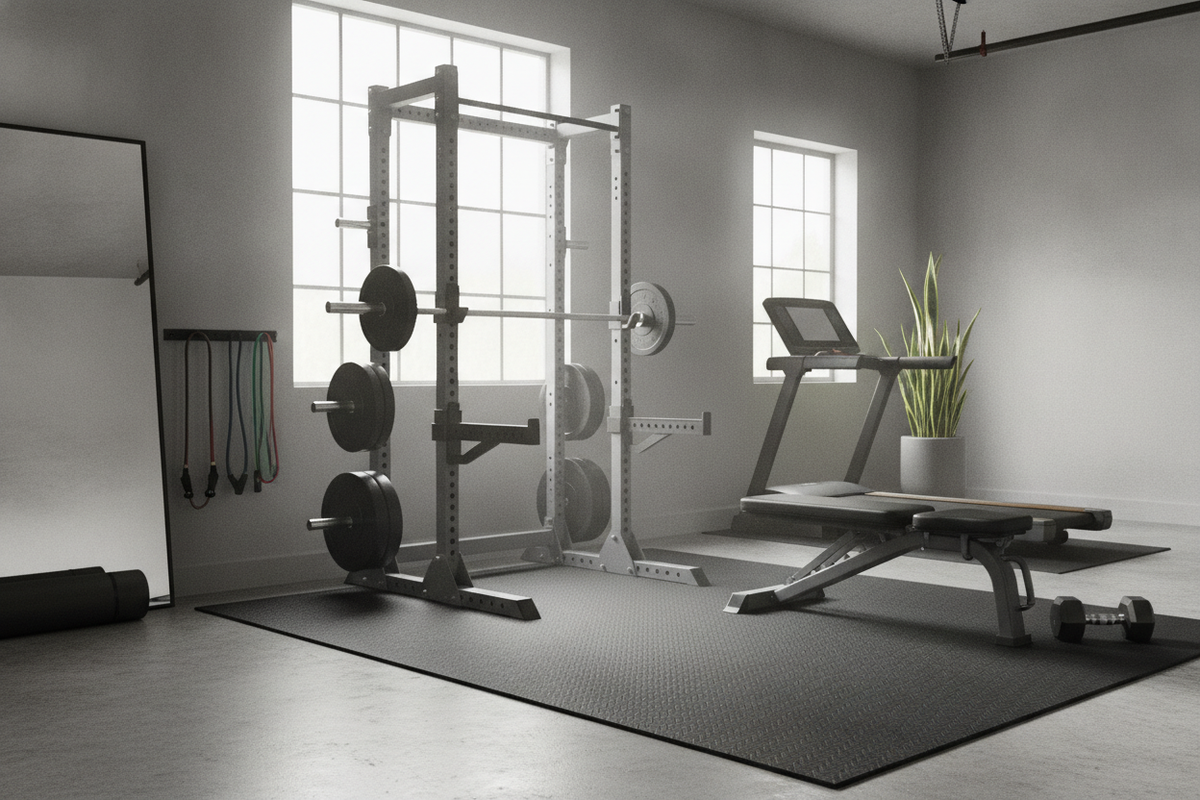
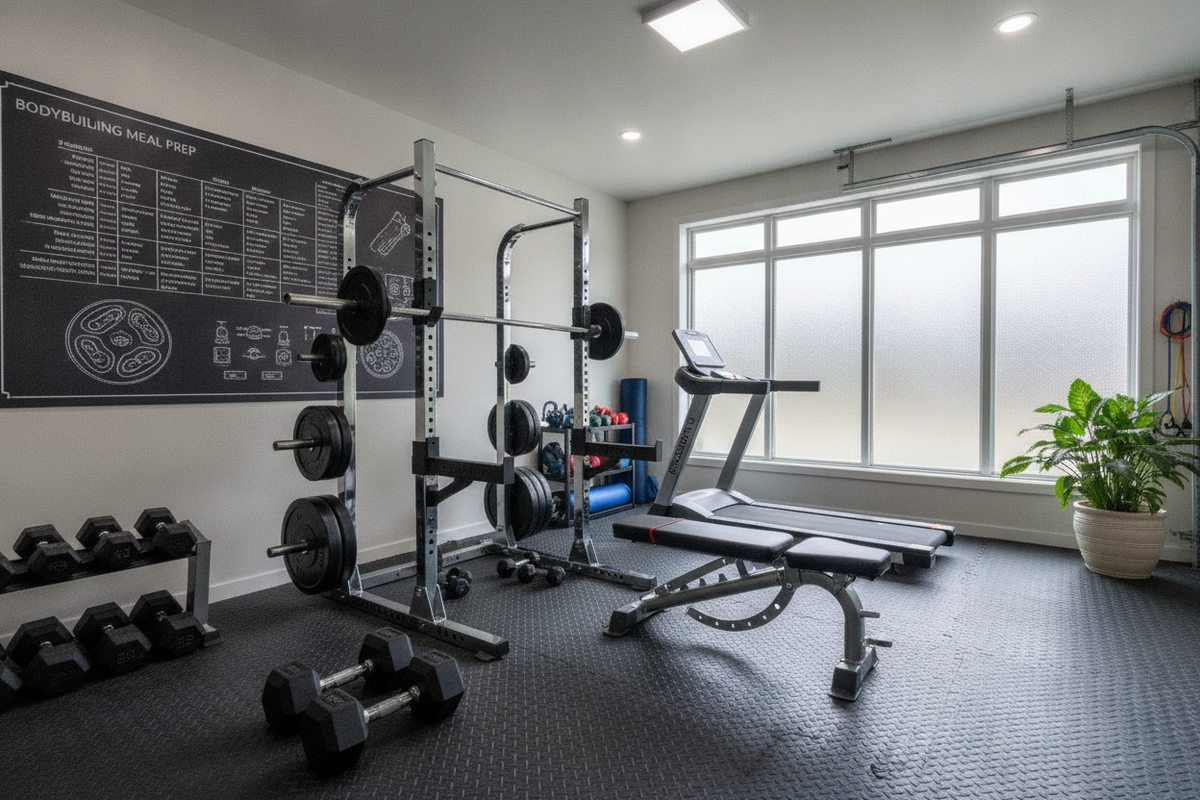
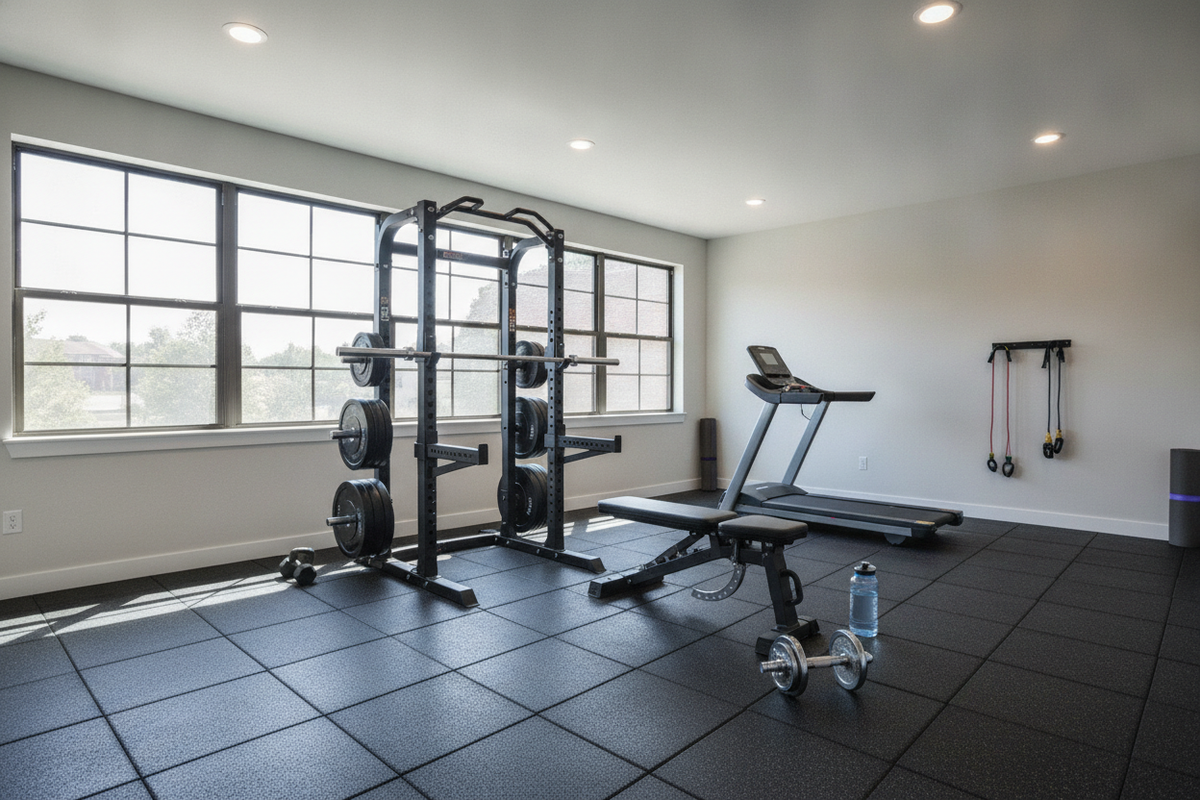
Fueled by proper nutrition, high-intensity workouts often involve heavy dumbbells, barbells, and kettlebells. Dropping or setting down heavy iron weights can quickly damage exposed hardwood, tile, or bare concrete subfloors. Equipping your home gym with dense rubber exercise mats creates a stable foundation that cushions impacts, minimizes subfloor vibration, and provides reliable traction for heavy compound lifting stances.
Hygiene and Mat Maintenance for Dedicated Training Spaces
Hydration bottles and shaker cups are central fixtures during intense workouts, but accidental spills can introduce moisture to gym surfaces. Regular maintenance keeps rubber flooring sanitary, odor-free, and grippy:
- Prompt Spill Management: Wipe up dropped water, electrolyte mixes, or protein shakes immediately to prevent slippery spots and residue accumulation.
- Routine Sweeping and Vacuuming: Keep the floor clear of chalk dust, loose dirt, and grit that can compromise shoe grip during heavy lifts.
- Neutral Cleaners: Use mild, pH-neutral soaps and warm water to mop rubber flooring periodically, avoiding harsh chemical solvents that can degrade the surface texture over time.
Common Nutrition Pitfalls and Sustainable Adjustments
Many lifters encounter common hurdles when transitioning to a structured bodybuilding eating schedule:
- Over-Reliance on Supplements: Shakes and powders offer convenience, but whole-food sources provide higher satiety and a broader micronutrient spectrum.
- Drastic Caloric Fluctuations: Making sudden, extreme swings in caloric intake can disrupt digestion and recovery. Gradual adjustments over several weeks yield more predictable results.
- Underestimating Hydration: Even well-balanced nutrition can be undermined by insufficient daily fluid intake, which plays a major role in nutrient transport and training energy.
By pairing structured whole-food nutrition with a well-maintained, floor-protected home training ground, lifters establish a balanced foundation for continuous athletic progress.