
Best Workout Mats for Garage: Stop Buying The Wrong Flooring
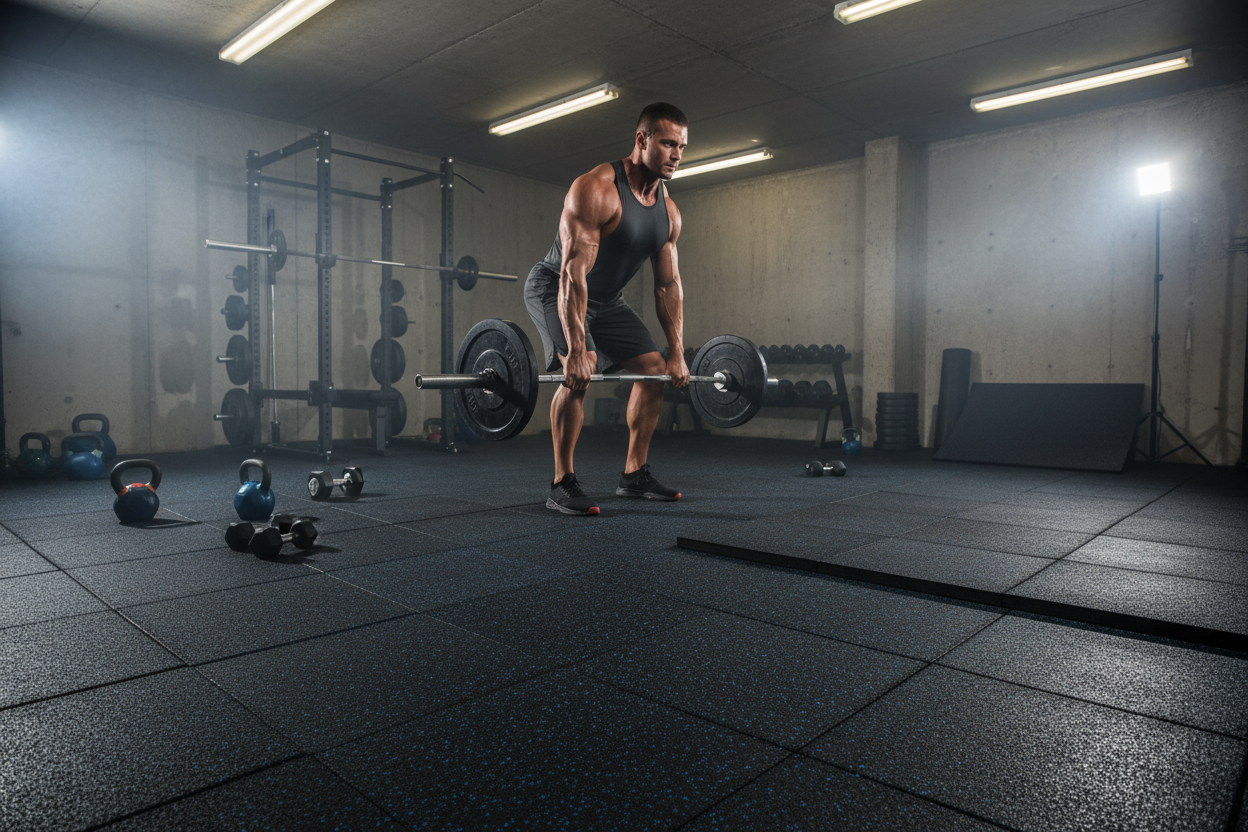
If you have ever tried to hit a heavy deadlift on bare, freezing concrete, you know it is a miserable experience. Not only is it tough on your joints, but dropping a loaded barbell directly onto your garage floor is a fast track to cracked foundation and ruined equipment. Finding the best workout mats for garage setups is the single most important foundational step you can take for your home training space.
Whether you are parking the car on half the space or dedicating the entire area to a squat rack, the right flooring dictates what you can and cannot do safely. In this guide, we will break down exactly what you need to build a durable, shock-absorbing base without overspending.
Key Takeaways
- Thickness is crucial: Aim for at least 3/8-inch thickness for general lifting, and 3/4-inch if you are dropping heavy barbells.
- Material matters: Vulcanized rubber is the gold standard for durability and odor reduction in enclosed spaces.
- Foam is a trap: Avoid cheap foam puzzle tiles if you plan to use heavy equipment; they compress and pose a tripping hazard.
- Installation is easier than you think: Most high-quality rubber mats can be loose-laid, making a diy garage gym floor highly achievable.
Why Your Garage Needs Dedicated Gym Flooring
The Problem with Bare Concrete and Epoxy
Many homeowners start by looking into an epoxy floor for home gym setups because it looks incredibly clean and professional. While epoxy is great for a showroom, it is terrible for shock absorption. Dropping a dumbbell on epoxy will chip the coating instantly. The best flooring for home gym in garage environments needs to absorb impact, provide traction when you are sweating, and protect the subfloor beneath it.
Investing in the best floor mats for garage gym use prevents concrete dusting, dampens the loud noise of clanking weights, and insulates your feet from extreme seasonal temperatures.
Decoding the Options: Tiles, Rolls, or Horse Stall Mats?
Rubber Tiles vs. Rolled Rubber
When browsing for home gym flooring amazon options, you will typically see interlocking tiles and large rubber rolls. Rolled rubber offers a seamless look and is excellent for large, dedicated spaces. However, it is heavy and difficult to install solo. On the other hand, rubber gym tiles amazon sellers offer are incredibly convenient. High-end vulcanized interlocking tiles provide a near-seamless look and allow you to easily replace a single damaged section without tearing up the whole room.
The DIY Approach
If you are building a diy garage gym floor on a budget, you might be tempted by standard gym mats for garage amazon listings. Just be cautious of the material. Many budget options are made of low-density recycled crumb rubber that flakes over time. A popular alternative is sourcing 3/4-inch horse stall mats from a local agricultural supply store. They are practically indestructible, though they can be tough to cut and often carry a strong sulfur smell initially.
How to Choose the Right Thickness and Material
Your training style dictates your flooring needs. If you primarily do yoga, use a stationary bike, and lift light dumbbells, a 1/4-inch or 8mm mat from a reputable gym mat flooring amazon search will suffice. However, if you are setting up a power rack and dropping deadlifts, you need 3/8-inch (10mm) to 3/4-inch rubber. Anything thinner will not disperse the kinetic energy, transferring the shock directly into your concrete slab.
From Our Gym: Honest Take
We have tested almost every type of home garage gym flooring over the years. When I first set up my own garage space, I bought cheap, 1/2-inch foam interlocking tiles. Big mistake. The moment I rolled my 300-pound squat rack onto them, they permanently compressed, and the seams popped up, creating a massive tripping hazard during walking lunges.
I eventually upgraded to 3/4-inch vulcanized rubber stall mats. The durability is unmatched—my chalked grip and heavy bumper plates have not made a single dent after two years of daily use. However, I will be completely honest about the caveat: the off-gassing smell was intense. I had to leave my garage doors open with fans running for nearly three weeks before the rubber odor faded. If you want to skip the smell, invest in premium, low-odor virgin rubber tiles from the start.
Frequently Asked Questions
How thick should garage gym mats be?
For general fitness and light weights, 1/4-inch (8mm) is adequate. For heavy weightlifting, powerlifting, or CrossFit-style workouts where weights are dropped, you need at least 3/8-inch, with 3/4-inch being the safest bet for concrete protection.
Do I need to glue down my garage gym flooring?
In most residential garage gyms, no. Heavy rubber mats (like 3/4-inch stall mats or thick rolled rubber) are heavy enough to stay put under their own weight. Double-sided carpet tape is usually enough to secure the seams if needed.
Can I just use interlocking foam tiles?
Foam tiles are only suitable for bodyweight exercises, stretching, or children's play areas. They compress easily under heavy equipment, tear when subjected to high-friction movements, and do not protect the subfloor from heavy impacts.