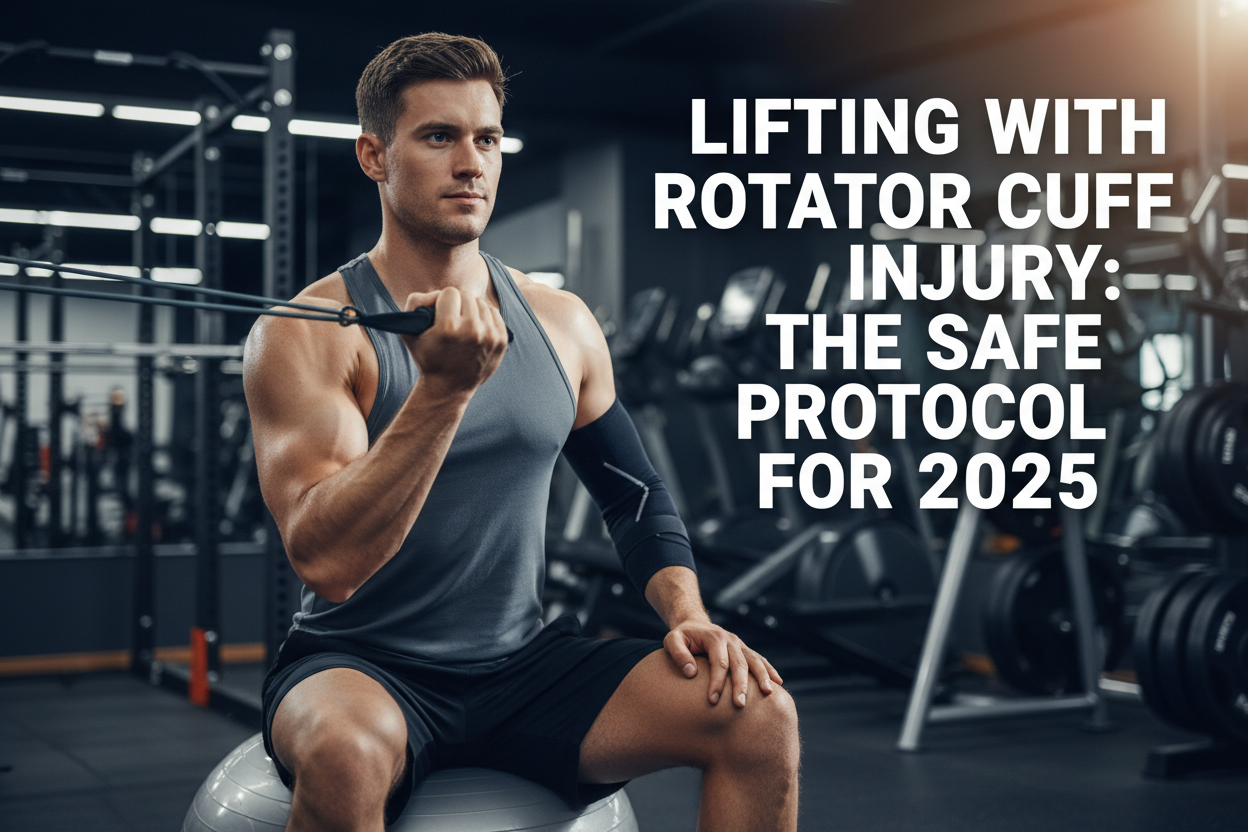
Lifting With Rotator Cuff Injury: The Safe Protocol for 2025
There is nothing quite as frustrating as shoulder pain. One day you are hitting a PR on the bench press, and the next, you can barely lift your arm to put on a t-shirt. If you are reading this, you are likely stubborn—you want to keep training despite the pain. I get it. The question isn't just "can I train?" but rather, how do I go about lifting with rotator cuff injury without ending up on a surgeon's table?
We need to navigate the gray area between complete rest (which causes atrophy) and pushing through pain (which causes tears). This guide acts as your filter for what is safe, what is risky, and how to modify your weightlifting routine to keep the gains while the shoulder heals.
Key Takeaways: Quick Summary
- Consult a Professional: Always rule out a full-thickness tear before continuing weight training.
- Modify, Don't Stop: You can often continue leg and core training, and modify upper body movements.
- Neutral Grip is King: Switch barbells for dumbbells and use a neutral (palms facing in) grip to open the subacromial space.
- Avoid Overhead Work: Stop overhead pressing immediately until you are symptom-free.
- Control the Eccentric: Slow down the lowering phase of lifts to improve tendon stability.
Can You Lift Weights With a Torn Rotator Cuff?
This is the most common question I get. The answer depends entirely on the severity. If you have a massive, acute tear (you heard a pop and can't lift your arm), the answer is a hard no. You need a doctor immediately.
However, for the vast majority dealing with tendinopathy, impingement, or minor partial tears, the answer is often yes—but with strict modifications. Can i lift weights with a torn rotator cuff? Yes, provided you avoid the specific ranges of motion that aggravate the tear.
Complete inactivity is actually detrimental to tendon recovery. Tendons need load to heal, but that load must be applied correctly. This is where smart weight training with rotator cuff injury protocols come into play. We want to stimulate the tissue, not irritate it.
The "Red Light" Exercises (Stop These Now)
When dealing with a weightlifting rotator cuff injury, certain movements are biomechanical nightmares. They pinch the rotator cuff tendons against the acromion bone.
1. Barbell Overhead Press
Pressing directly overhead closes the space in the shoulder joint. If your cuff is inflamed, this is like grinding sandpaper against a raw wound. Park the ego and park the overhead press.
2. Upright Rows
This movement places the shoulder in internal rotation while elevating it. This is the exact mechanism used by doctors to test for impingement. Doing this with weight is asking for trouble.
3. Behind-the-Neck Anything
Whether it is lat pulldowns or presses, putting the bar behind your neck forces extreme external rotation and abduction. It places maximum stress on the anterior capsule and the rotator cuff.
How to Modify Your Training
You don't have to quit the gym. You just need to change your tools. Here is how to approach weight lifting with rotator cuff injury safely.
Switch to Floor Press
The bench press is notorious for shoulder strain, mostly at the bottom of the movement where the shoulder is stretched. By moving to the floor, you artificially limit the range of motion. Your triceps hit the ground before the shoulder rotates too far back, protecting the joint.
The Landmine Press
Instead of pressing vertically, use a landmine setup (angled barbell). This pressing angle (roughly 45 degrees) is far friendlier on the shoulder mechanics than a strict overhead press. It allows the scapula to move freely, which is crucial for rotator cuff weightlifting safety.
Use a Neutral Grip
If you are doing dumbbell presses or rows, turn your palms in to face each other. This slight rotation opens up the shoulder joint and prevents the humerus from grinding against the rotator cuff tendons.
My Training Log: Real Talk
I’m not just writing this from a textbook; I’ve lived through the rehab hell. A few years ago, I ignored a nagging click in my right shoulder. I thought, "It's just stiff," and loaded up for a heavy incline bench session.
On the third rep, I didn't feel a pop, but I felt a sudden loss of power. The bar didn't crash, but my arm just... quit. The reality check wasn't in the gym, though. It was trying to sleep that night.
There is a specific, throbbing ache that rotator cuff injuries have at 2:00 AM that makes you want to scream. I remember trying to reach for my seatbelt across my chest the next morning and feeling a sharp, electric jolt shoot down my bicep. That was my wake-up call.
I spent the next four months exclusively using a Swiss Bar (football bar) for benching and doing hundreds of band pull-aparts. The knurling on that Swiss bar felt weird at first, and my ego took a hit lifting 60% of my max, but it was the only way I could press without that "catching" sensation. If you feel that catch, stop. Don't be the hero who needs surgery.
Conclusion
Weight training rotator cuff issues are a hurdle, not a stop sign. The goal is to maintain as much muscle mass as possible while allowing the tissue to remodel. Be patient. A healed shoulder allows you to lift for decades; a blown shoulder forces you to retire early. Listen to the pain signals—they are the only coach that matters right now.
Frequently Asked Questions
Can I do deadlifts with a rotator cuff injury?
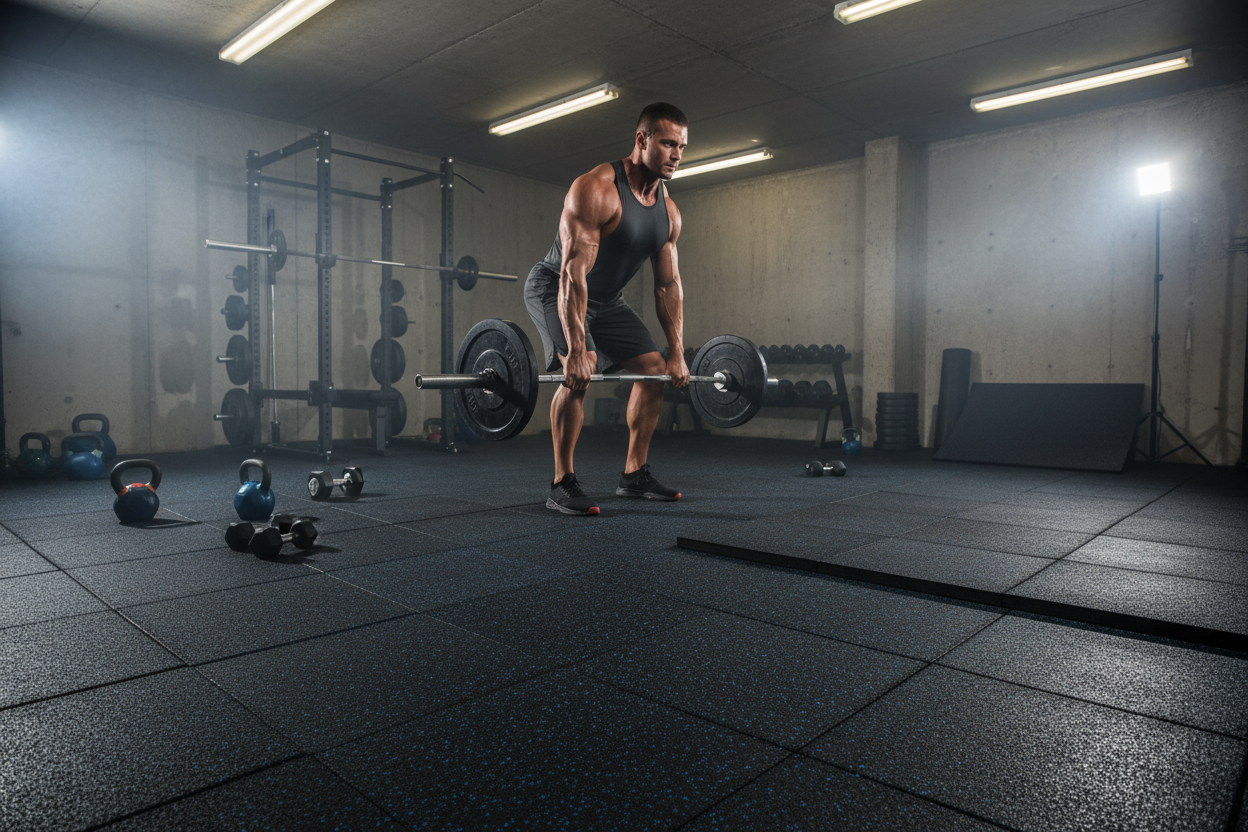
Generally, yes. Deadlifts keep the arm in a distraction position (hanging down), which usually doesn't irritate the rotator cuff. However, you must keep your lats engaged and avoid jerking the weight off the floor, as the sudden shock can aggravate the shoulder.
How long should I wait to lift after a rotator cuff tear?
For minor strains, you might only need 2-4 weeks of modified training. For partial tears, it can take 3-6 months. If you have had surgery, you are looking at a 6 to 12-month timeline before returning to heavy rotator cuff tear weightlifting. Always follow your physical therapist's timeline.
Is heat or ice better for a rotator cuff injury before lifting?
Use heat before lifting to increase blood flow and pliability in the tissues. Save the ice for after the workout to manage inflammation and pain. Never ice a cold muscle before trying to lift heavy weights.