Best Gym Exercises to Prioritize With a Home Setup
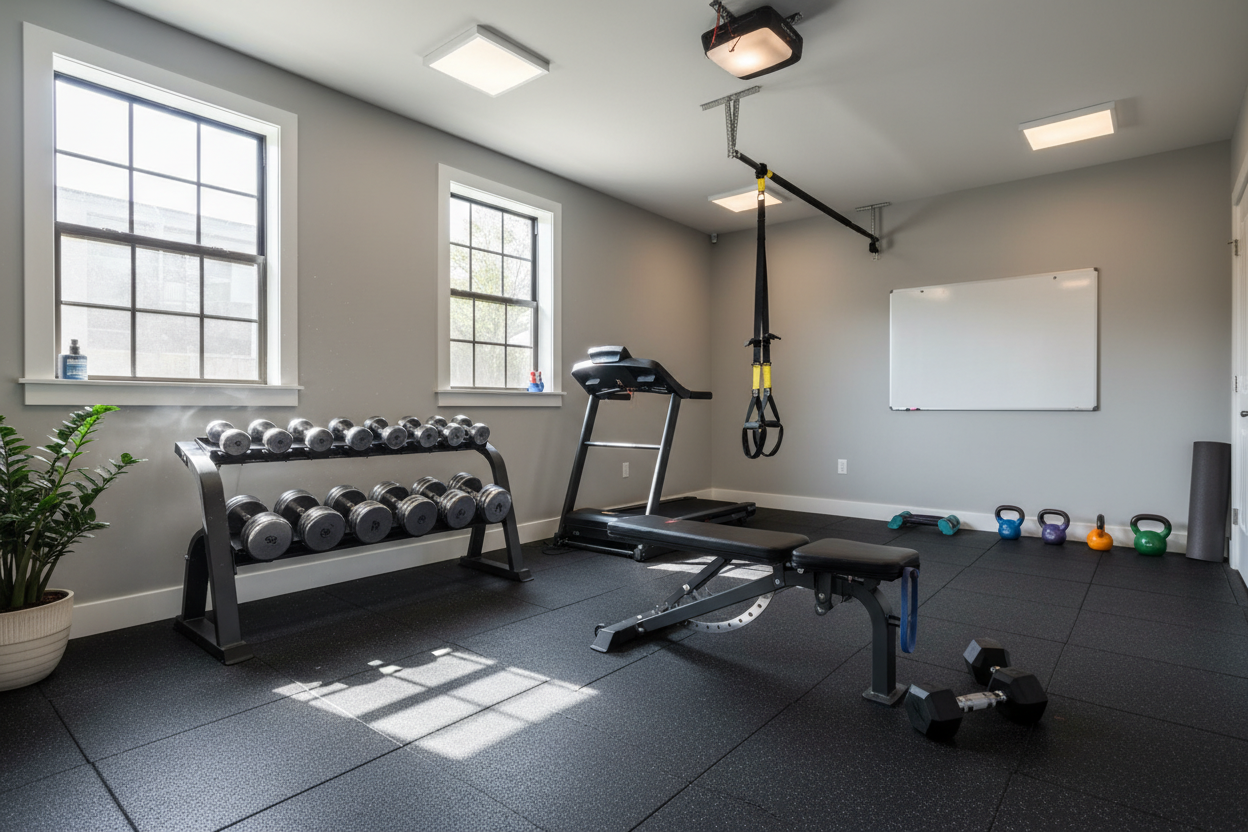
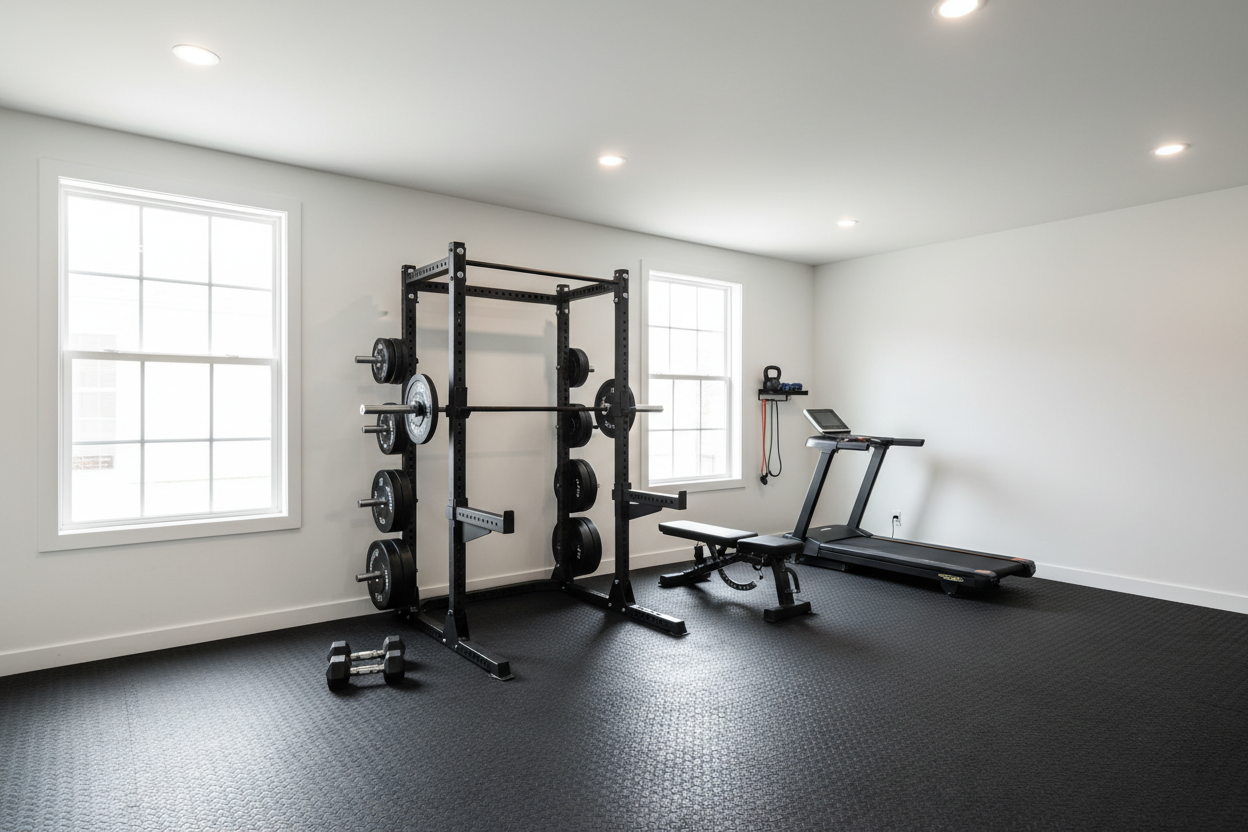
When I first built my garage gym, I thought I was done with commercial facilities forever. I squeezed a power rack, a flat bench, and 400 pounds of bumper plates into a tight 10x10 foot space. It was incredibly convenient for 5:00 AM deadlift sessions without waiting for a platform. But after six months of exclusively training at home, I realized my leg development was stalling, and my joints were taking a beating from the constant heavy barbell work.
That is when I adopted the hybrid training model. I kept my garage setup for the foundational barbell lifts but bought a cheap $20-a-month membership to a local big-box facility. The goal was not to duplicate my garage routine, but to strategically target the best gym exercises that are virtually impossible to replicate safely or effectively in a spare bedroom.
If you are paying for drop-in passes or holding onto a basic facility membership alongside your home setup, you need to be surgical about your exercise selection. Let's break down exactly how to allocate your training volume so you get the maximum return on your commute.
Quick Takeaways
- Prioritize machines that offer constant tension, like massive cable crossovers, which require too much square footage for home setups.
- Reserve heavy mechanical leg movements (leg presses, hack squats) for the commercial facility to push to failure safely.
- Keep your barbell compounds and dumbbell accessory work at home to save time.
- Structure your facility days strictly around isolation and specialized equipment to avoid redundant training.
The Hybrid Training Advantage
Getting the best of both worlds requires a shift in how you view your training week. The hybrid training advantage comes down to resource allocation. Your home gym is a sanctuary for efficiency. You can knock out five sets of heavy squats or bench presses in 30 minutes without waiting for a rack.
However, standard home setups usually lack the spatial footprint and budget for specialized isolation machines. A high-quality commercial functional trainer alone costs upwards of $3,500 and takes up a massive 6x4 foot footprint, not to mention the ceiling height required for the pull-up bar attachments.
By splitting your routine, you use your home gym for frequency and heavy free weights, while using the commercial facility for hypertrophy and joint-friendly volume. I usually recommend clients do 2 to 3 home workouts focusing on barbell compounds, and 1 to 2 facility workouts focusing entirely on machines. This prevents the burnout of constantly loading and unloading plates in a freezing garage while still driving muscle growth through varied movement patterns.
How to Decide What Exercises to Do in Gym Settings
When clients ask me what exercises to do in gym settings versus their garage, I run them through a simple three-question filter. First, does the movement require a machine that costs more than $1,500 or takes up more than 15 square feet? Second, does it provide a resistance curve that free weights cannot match? Third, does it allow you to push to absolute muscular failure with zero risk of being crushed?
If the answer to any of those is yes, that movement belongs on your facility day. For example, a heavy dumbbell row is great, but you can easily do that at home with a set of 5-52.5 lb adjustable dumbbells. Conversely, a chest-supported T-bar row with a specialized chest pad and varied grip handles is a massive piece of equipment. You cannot easily replicate the exact stabilization it provides.
Your commercial facility days should feel completely different from your home sessions. You are there to exploit the thousands of dollars the gym owner spent on specialized machinery. Focus on weight stacks, cam-driven resistance profiles, and heavy mechanical spotters.
The Absolute Best Gym Exercises to Prioritize
Let's get specific about the best exercises to do at gym facilities when you finally make the drive over. These are the movements I explicitly program for my hybrid clients because they offer a stimulus that a barbell and a flat bench simply cannot touch.
Heavy Cable and Constant-Tension Movements
Free weights are governed by gravity, meaning the tension curve drops off at certain points in the range of motion. Think about a dumbbell fly: at the top of the movement, when your hands are together, there is almost zero tension on your pecs.
Cables solve this problem by providing constant, uniform tension throughout the entire concentric and eccentric phases. A commercial dual-cable crossover station allows you to perform high-to-low chest flyes, constant-tension lateral raises, and triceps pushdowns with a buttery smooth weight stack. I have tested several budget home pulley systems that strap to a power rack, and to be completely honest, they just do not compare. The aluminum pulleys on a $5,000 commercial stack glide effortlessly, whereas cheap home setups often swing and catch, ruining your mind-muscle connection.
Machine-Based Leg Press and Hack Squats
If you want to build massive legs without loading your spine with 400 pounds, heavy lower-body machines are mandatory. These are easily some of the best gym moves for pure hypertrophy because they remove the balance component.
When you perform a barbell squat at home, your lower back or core might fatigue before your quads actually reach failure. On a commercial hack squat machine, you are locked into a 45-degree angle with thick shoulder pads. You can load up six 45-pound plates per side and grind out reps until you physically cannot move the sled, knowing the mechanical safety catches will save you if you fail. I always program heavy leg presses and hack squats for my clients' facility days because the safety profile allows for true, high-intensity training.
Structuring Great Workouts to Do at the Gym
Walking into a commercial facility with a plan is crucial. You do not want to commute 20 minutes just to do barbell deadlifts, which you could have done in your pajamas at home. Programming great workouts to do at the gym means grouping your machine-dependent exercises into a cohesive session.
I typically recommend a full-body machine day or an upper/lower split depending on your drop-in frequency. Start your session with the heaviest mechanical compound movements, like a pendulum squat or a machine chest press. Then, move onto cable isolation work, such as seated cable rows or single-arm lat pulldowns.
Finish up with specialized isolation machines for the smaller muscle groups. Think about the seated calf raise, the reverse pec deck for rear delts, or a dedicated preacher curl machine. If you are struggling to build a routine for these specific sessions, learning what to do on drop in days will help you map out a hyper-efficient 60-minute session.
Upper Body Machine Maximization
The chest and back are incredibly responsive to the varied angles provided by commercial machines. Converging chest presses are a prime example. As you push the weight away from your body, the handles move closer together, mimicking the natural arc of your pectoral muscles. You cannot replicate this converging motion with a standard barbell.
Similarly, a dedicated pec deck machine isolates the chest fibers while completely removing the triceps from the equation. When I program upper body facility days, I load these machines up in the 10-15 rep range to flood the muscles with blood. If you want to dive deeper into maximizing these specific setups, checking out a list of chest exercises you can do in the gym will give you plenty of variations to try. Keep the rest periods short, around 60 to 90 seconds, and focus on the deep stretch that these machines safely allow.
Transitioning Back to Your Home Gym Safely
After a heavy machine day at the commercial facility, your body needs a different stimulus. This is where your home setup shines. The good workouts to do in the gym are highly stabilized, but your home workouts should focus on free weights, core engagement, and functional movement patterns.
However, lifting heavy free weights at home requires proper infrastructure to protect both your joints and your property. Dropping a 50-pound dumbbell on bare concrete or cheap puzzle mats will crack the floor and send shockwaves up your elbows. I learned this the hard way when a dropped deadlift cracked my garage foundation.
To safely transition back to your home barbell routines, you need a dedicated, shock-absorbing surface. Investing in a large exercise mat for home gym spaces creates a professional-grade lifting platform right in your garage. I highly recommend outfitting your primary lifting zone with high-density gym flooring for home workout sessions. A proper 6x8 foot mat provides enough traction for heavy lunges and enough cushion to drop weights safely, ensuring your home days are just as productive as your facility drop-ins.
Final Thoughts on Hybrid Programming
Combining a home gym with occasional commercial facility visits is the ultimate strategy for long-term fitness. By keeping your heavy barbell compounds at home and saving the specialized machines for your drop-in days, you maximize both your time and your muscle growth. Stop wasting your gym commute on exercises you can do in your garage. Be strategic, hit the heavy cables and leg machines hard, and enjoy the flexibility that a hybrid training model provides.
FAQ
Is it worth keeping a gym membership if I have a home gym?
Yes, especially if your home gym is limited to free weights. A low-cost membership gives you access to heavy cable stacks, leg presses, and specialized isolation machines that are too expensive and bulky for a standard home setup.
Can I build massive legs at home without machines?
You can build great legs with barbell squats, Bulgarian split squats, and lunges. However, heavy machines like the hack squat allow you to push your quads to absolute failure safely without your lower back giving out first.
How many days a week should I train at the commercial gym?
For most hybrid athletes, 1 to 2 days at the commercial facility is plenty. Use these days for full-body machine circuits or dedicated hypertrophy work, and spend the remaining 2 to 3 training days doing heavy free weights at home.