Best Exercises for Real World Strength at Home
Finding the best exercises for real world strength means looking beyond isolated machine lifts and fixed barbell paths. In everyday living, physical effort rarely happens along a guided track with balanced weight plates. You lift awkward boxes, haul bulky grocery bags, move heavy furniture, and stabilize your body across irregular surfaces. Building true real world strength requires targeted training that challenges your balance, grip, and joints across multidirectional planes.
When you select the best exercises for real world strength, your goal is developing resilient muscles that work as a unified system. Integrating practical compound movements into your weekly routine creates dependable physical capacity for work, play, and home projects. Below, we break down essential movement selections and explain how to organize a safe home space that supports heavy, dynamic lifts.
Gym Strength vs Real World Strength: What Is the Difference?
Many lifters wonder how gym strength vs real world strength diverges when someone who can bench press or leg press massive weight struggles to carry a heavy cooler across a lawn. Traditional gym training often relies on isolated positions where backrests and tracks remove the demand for balance. Outside the gym, physical tasks force your body to create its own stabilization from the floor upward. Understanding gym strength vs real world strength helps you choose functional exercises that build transferable power rather than just gym-specific leverage.
In daily life, loads are rarely balanced. An awkward bag of soil or a moving container shifts as you walk. This contrast between gym strength vs real world strength highlights why compound exercises and free weights form the foundation of functional fitness. Reviewing a practical world strength guide reveals that physical preparedness depends heavily on torso rigidity, balanced joints, and total-body coordination under shifting loads.
Top Functional Exercises for Practical, Everyday Power
Selecting the best exercises for real world strength means prioritizing fundamental movement patterns: hinging, carrying, squatting, pushing, and pulling. Rather than training individual muscles in isolation, these functional exercises train muscle groups to fire together. If you want a complete physical foundation, exploring a comprehensive strength exercise guide will show you how compound exercises stimulate balance, joint durability, and lasting functional strength.
To master the best exercises for real world strength, focus on tools like kettlebells and dumbbells alongside barbells. These versatile weights allow your wrists and shoulders to rotate naturally, preparing your tendons and joints for unexpected strains. By targeting multi-joint movement patterns, you build functional strength that directly supports real world tasks.
Can Deadlifts Improve Your Everyday Lifting Ability?
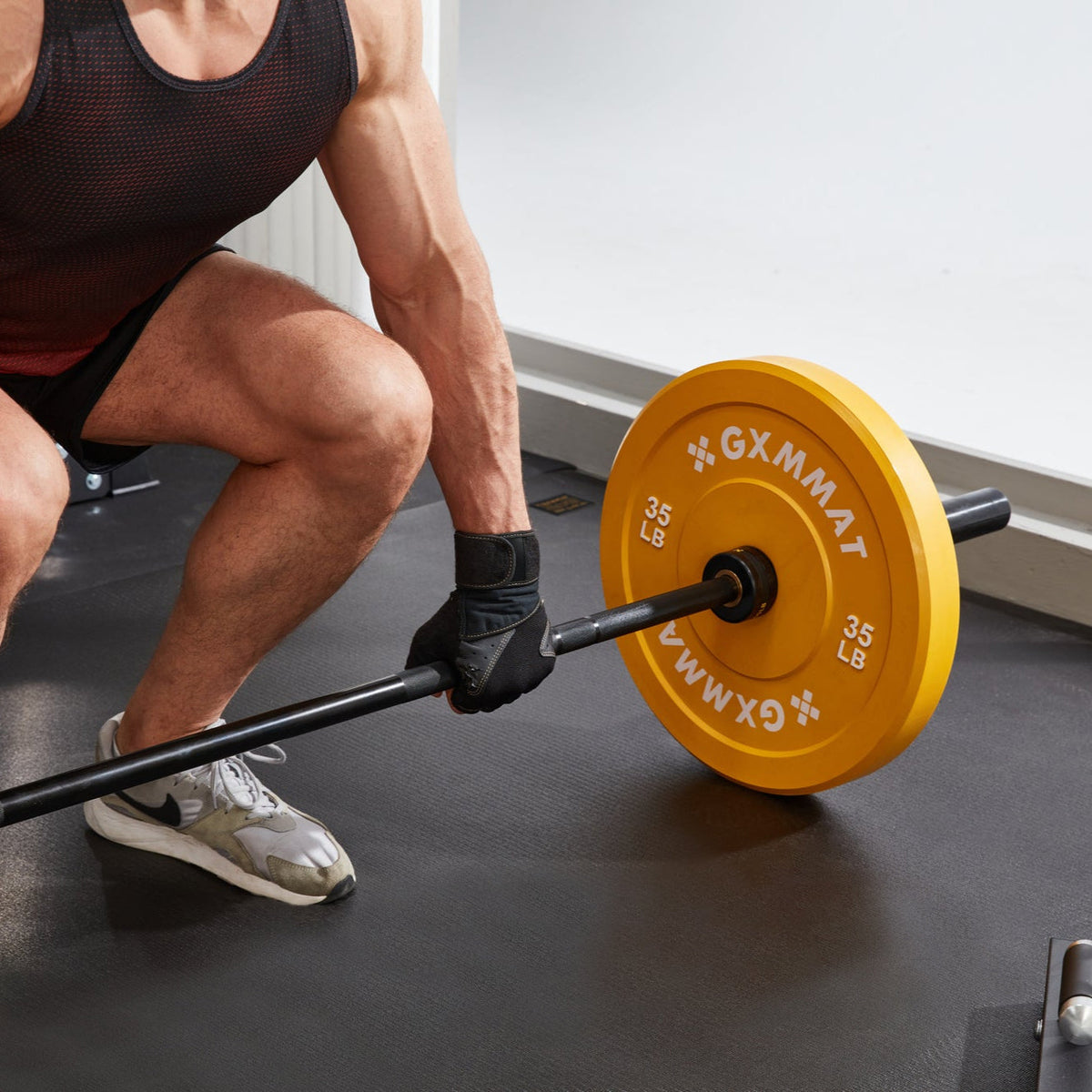
Deadlifts directly improve your everyday lifting ability by reinforcing the hip hinge pattern used whenever you lift an object off the ground. Whether you are picking up a child or lifting a heavy crate, deadlifts teach you to drive through your feet and engage your glutes rather than rounding your lower spine. Developing proficiency in deadlifts trains your posterior chain to handle heavy loads with calm control.
Variations like suitcase deadlifts or trap bar pulls make deadlifts even more applicable to routine chores. Lifting a dumbbell or kettlebell from one side mimics picking up a piece of luggage, demanding high core stability and steady grip strength. Including floor-based deadlifts among your primary functional exercises ensures your hip hinge remains resilient against physical fatigue, establishing deadlifts as one of the single best exercises for real world strength.
Why Are Loaded Carries Essential for Functional Fitness?
Loaded carries are essential for functional fitness because they require you to brace your trunk, sustain strong grip strength, and walk under load simultaneously. In physical work, moving weight from one location to another is far more common than simply lifting it in place. Performing loaded carries strengthens your postural endurance and conditions your body to absorb foot impacts while holding heavy loads.
Classic farmer carries done with heavy kettlebells or dumbbells challenge your forearms, upper back, and abdominal wall. By walking smoothly during farmer carries, you eliminate side-to-side torso sway and build deep core stability. Adding offset loaded carries—such as holding a single weight at your side—demands intense resistance to twisting. For targeted lower-body drive, consulting a structured strength gym guide demonstrates how unilateral exercises reinforce hip stability during carries.
Unilateral Exercises and Single-Leg Movement
Real-world locomotion happens on one leg at a time. Incorporating unilateral exercises like lunges, step-ups, and split squats balances the physical output between your left and right sides. Bilateral squats build raw force, but split squats expose hidden imbalances and force your stabilizer muscles to manage weight across uneven foot placement.
Pairing split squats with kettlebells or dumbbells challenges ankle control and knee alignment. When navigating stairs or stepping over obstacles under load, the stability developed through unilateral exercises prevents stumbling. For anyone pursuing the best exercises for real world strength, split squats and single-arm floor presses are non-negotiable tools for building functional strength and lasting core stability.
Setting Up Your Home Space and Gym Flooring for Dynamic Lifts
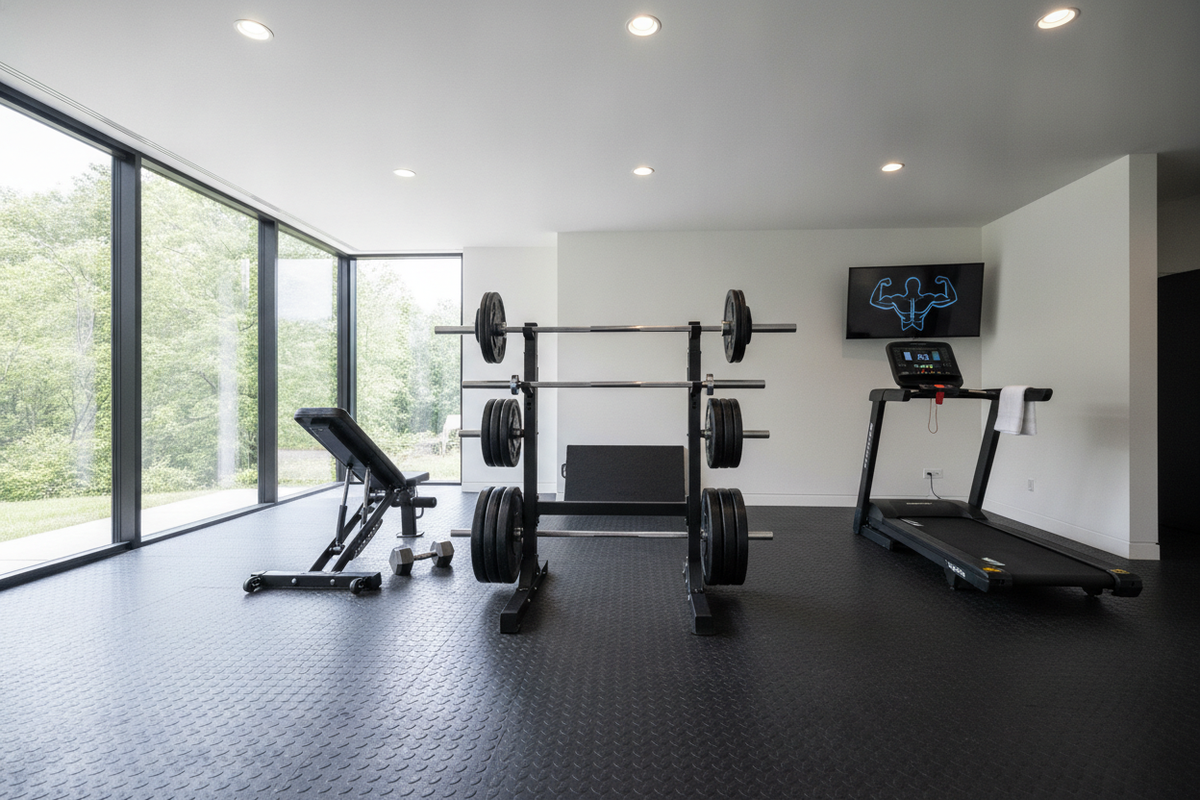
Training with the best exercises for real world strength requires a reliable space for dynamic floor work, floor pulls, and loaded carries. Equipping your workout area with appropriate strength equipment allows you to perform deadlifts, farmer carries, and rows safely. However, moving heavy loads inside a home demands careful attention to room planning and floor preservation.
A sensible home gym setup starts with dedicated floor protection. When practicing the best exercises for real world strength, you will place heavy dumbbells and kettlebells on the floor between sets. Adequate subfloor protection prevents structural cracking in concrete and preserves delicate subflooring beneath residential carpets or hardwood. In our view, a dense floor layer also gives lifters the footing confidence needed to push their functional strength limits.
Durable Gym Flooring and Subfloor Protection
Investing in heavy-duty gym flooring is essential when performing explosive pulls or resting heavy loads between sets. High-density rubber gym mats provide crucial shock absorption that dampens vibration and muffles noise throughout the home. Unlike soft foam padding, firm rubber gym mats will not compress excessively underfoot, giving you a steady base during deadlifts and farmer carries.
Placing an exercise mat over high-traffic zones shields vulnerable floor surfaces from kettlebells and dropped plates. Reliable shock absorption protects foundation slabs while durable gym flooring delivers consistent traction for sudden lateral steps. Proper equipment placement ensures you have a clear walking lane for loaded carries, allowing your home gym setup to support the full range of the best exercises for real world strength without clutter.
Equipment Placement and Mat Maintenance for Heavy Lifts
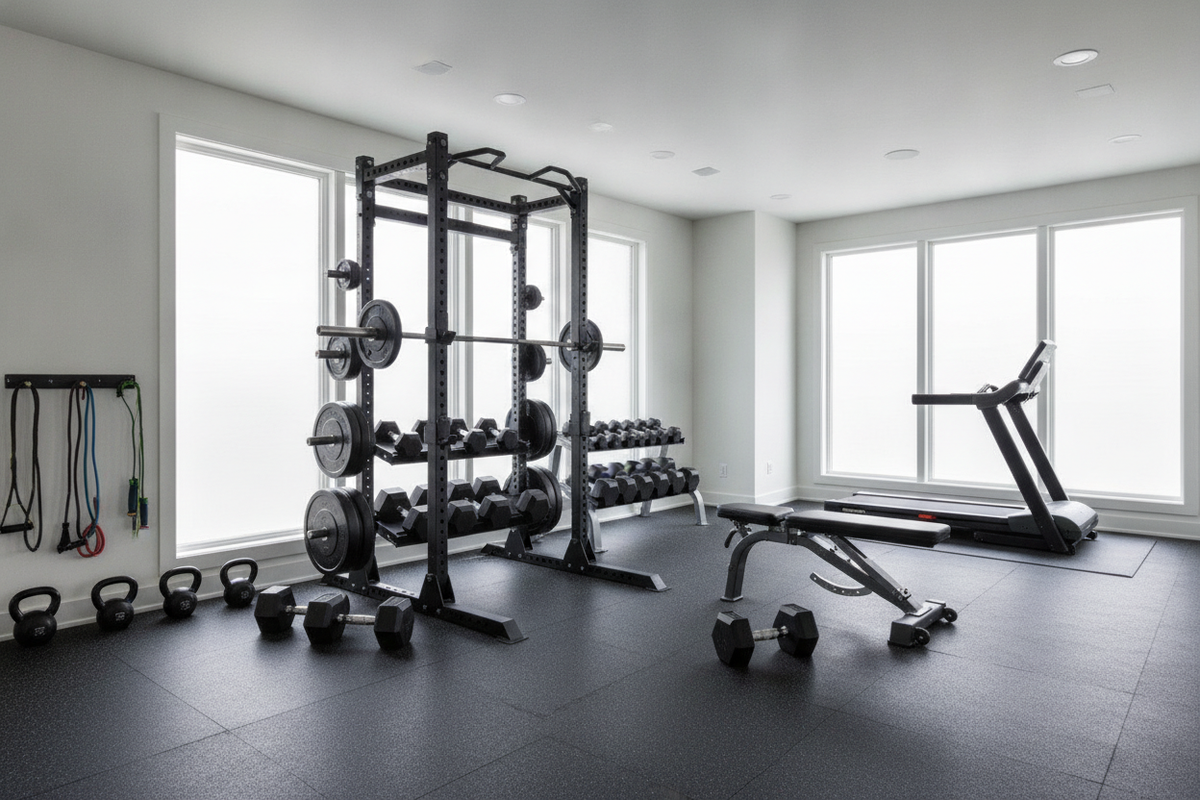
Thoughtful equipment placement keeps your workout area functional and accident-free. Keep kettlebells, dumbbells, and barbells arranged along perimeter walls so that the center of your rubber gym mats remains open for split squats and multi-directional carries. Maintaining clear floor corridors is vital when carrying heavy loads under grip fatigue.
Consistent mat maintenance preserves surface grip and extends the lifespan of your gym flooring. Wipe down your exercise mat with a mild cleaning solution after intense sessions to remove sweat and dust. Routine mat maintenance prevents slippery residue from accumulating, ensuring your rubber gym mats deliver firm traction during dynamic functional exercises. A well-maintained exercise mat provides the foundation you need to safely practice the best exercises for real world strength week after week.
How to Program Functional Strength Lifts Into Your Weekly Routine
Structuring your routine around the best exercises for real world strength requires balancing high-effort compound exercises with adequate recovery. Rather than training to absolute failure on isolated machines, focus on quality repetitions across your core movement patterns. Balancing heavy free-weight pulls with dedicated resistance tools, such as a specialized lower body strength machine, allows you to build foundational leg drive while perfecting functional floor technique.
A balanced weekly schedule might look like this:
- Day 1 (Hinge and Carry): Deadlifts, farmer carries with heavy dumbbells, single-arm rows, and core stability work on your exercise mat.
- Day 2 (Squat and Push): Split squats with kettlebells, overhead presses, push-ups, and mobility drills across your gym flooring.
- Day 3 (Full-Body Functional Conditioning): Unilateral exercises, suitcase carries, floor presses, and hip hinge variations to tie together real world strength.
By rotating these functional exercises, you reinforce grip strength, joint resilience, and core stability across every session. Consistently training with the best exercises for real world strength builds durable physical confidence, preparing you to tackle demanding physical tasks inside and outside the home with total control.