4 Real-World Examples of Muscular Strength (And How to Test Them)
I’ve spent years in a humid 10x10 garage, chasing numbers that most people find insane. Last week, I saw a guy at a commercial gym doing 50 reps of air squats and telling his buddy he was building elite strength. I almost dropped my shaker bottle. If you are huffing and puffing but the weight on the bar hasn't moved in six months, you aren't building strength—you are just building a better gas tank. Understanding examples of muscular strength is about separating the 'burn' from the burden of heavy iron.
Quick Takeaways
- Strength is the maximal force a muscle can generate in a single effort.
- Endurance is about repetition; strength is about load.
- The deadlift is the gold standard for testing total body power.
- Safety gear like spotting arms is non-negotiable when testing limits.
The Sweaty Illusion: Endurance vs. True Power
Modern gym culture has a massive problem with vocabulary. We see people doing high-intensity interval training (HIIT) with 15-pound dumbbells and calling it a strength workout. It isn't. That is metabolic conditioning. While those examples of muscular fitness are great for your heart and your waistline, they do very little to move the needle on your absolute ceiling of force production.
True muscular strength is your ability to overcome high external resistance. Think of it like a truck’s torque versus its fuel efficiency. Endurance is how many miles you can go on a gallon; strength is whether or not you can pull a stump out of the ground. If you want to get actually strong, you have to stop chasing the feeling of being tired and start chasing the feeling of being crushed by a heavy bar—and then standing up anyway.
Which Action Is the Best Example of Muscular Strength?
If you are looking for a single movement that defines this concept, which action is the best example of muscular strength? The answer is a one-repetition maximum (1RM) deadlift. Unlike a push-up or a lunging circuit, a 1RM deadlift requires you to recruit every motor unit in your posterior chain to move a weight that is likely two to three times your body weight. There is no momentum, no 'cheating' the rep with a bounce, and nowhere to hide.
People often ask if an exercise of muscular strength can be done with just body weight. Technically, yes, if you are doing something like a one-armed pull-up or a planche. But for 99% of us, bodyweight movements eventually shift into the endurance category. Once you can do 20 reps of something, you aren't testing strength anymore; you're testing how well your muscles can clear lactic acid.
4 Undeniable Tests of Raw Power
When you want a concrete muscular strength example, you need to look at compound movements that use multiple joints and massive muscle groups. Don't get distracted by a list of muscular strength exercises that includes 50 different isolation moves. You only need these four to know where you stand.
- The 1-Rep Max Back Squat: This is the ultimate test of lower body force. If you can’t squat at least 1.5x your body weight, you have a lot of work to do.
- The Heavy Yoke Carry: This is 'strongman' strength. Loading 500+ pounds on your spine and walking 50 feet proves your core and stabilizers are made of granite.
- The Strict Overhead Press: No legs, no dip, just raw shoulder and triceps power. Pressing your own body weight over your head is a rare feat in most local gyms.
- The Double Bodyweight Deadlift: As mentioned, this is the king. Pulling twice your weight off the floor is the universal entry fee into the world of the truly strong.
How to Test Your Own Baseline Safely at Home
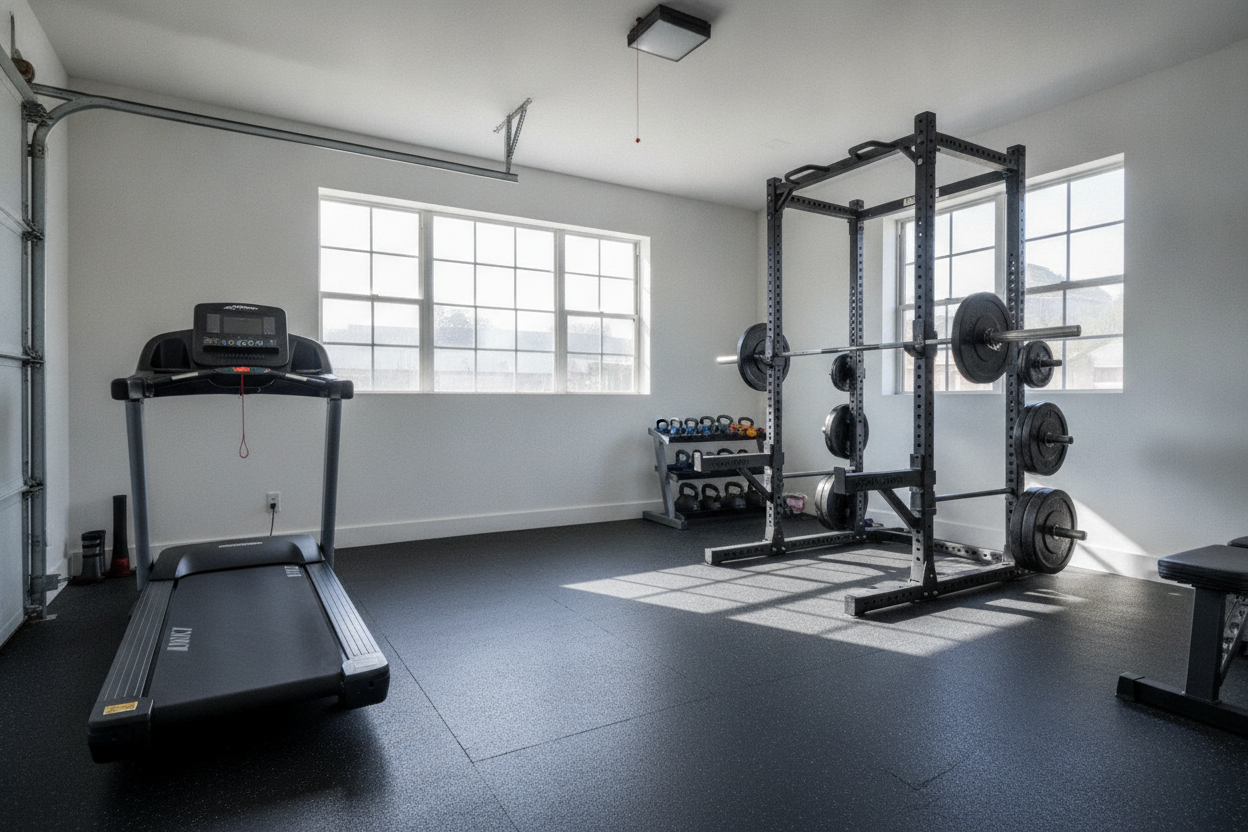
Testing your 1RM in a garage gym is a different beast than doing it at a powerlifting meet with three spotters. You need to be smart. I never test my max without setting my safety pins exactly two inches below the bottom of my lift. If I’m squatting 400 pounds and my knees buckle, I want that bar hitting the rack, not my floor or my spine.
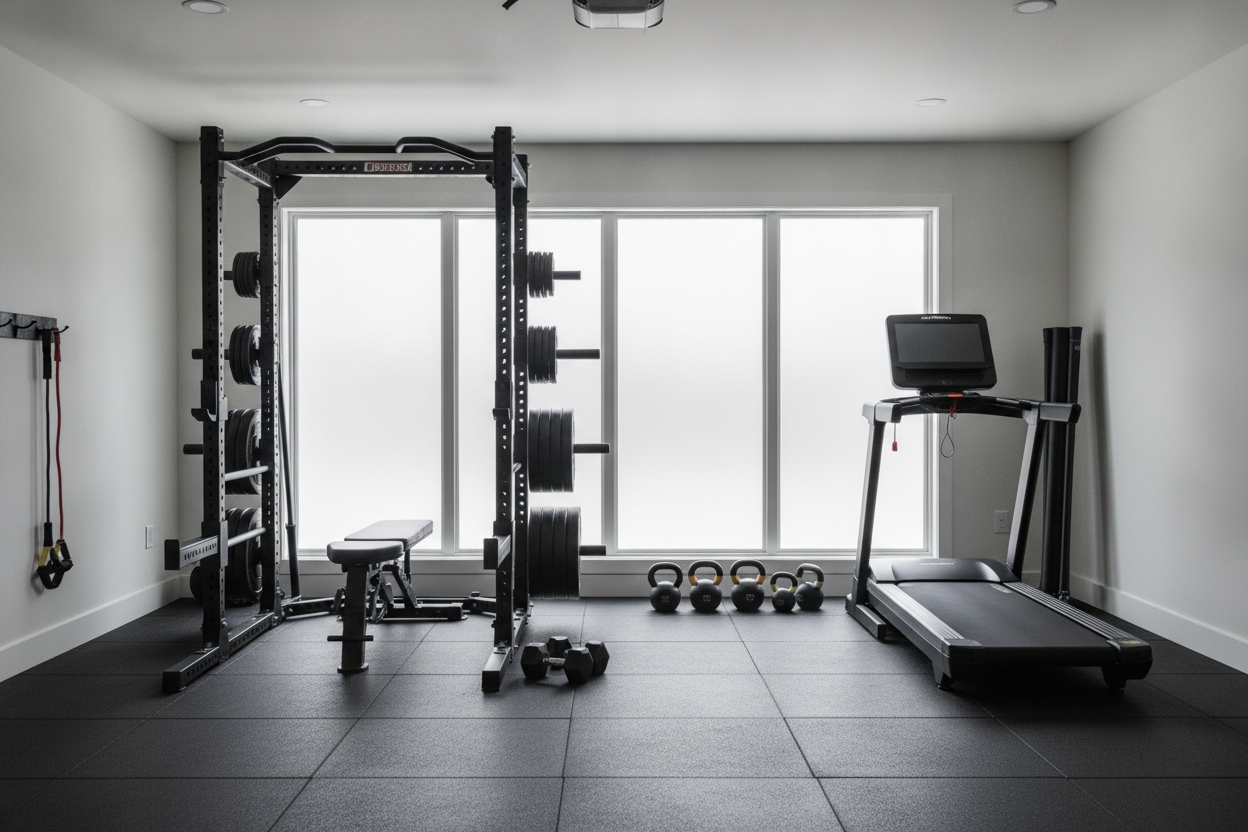
You also need heavy-duty strength equipment that won't wobble when the weight gets real. I’ve seen cheap, 14-gauge steel racks sway like trees in a hurricane when someone tries to re-rack a heavy set. Invest in a 3x3 inch 11-gauge steel rack if you plan on actually testing your limits. Use a 1RM calculator to estimate your max based on a heavy set of three or five reps first, so you aren't walking into a heavy lift blind.
Stop Overcomplicating It: The Only Gear You Need
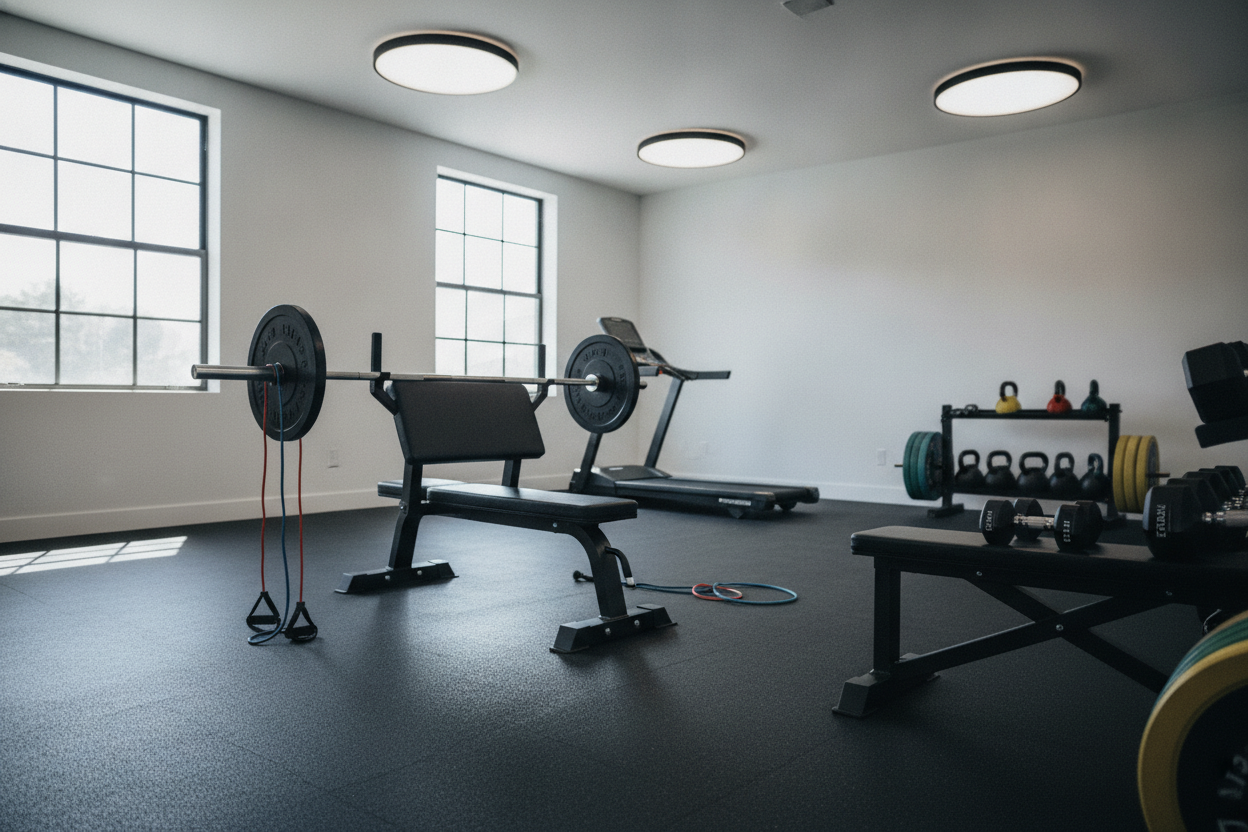
You don't need fancy machines with touchscreens to get strong. In fact, those machines often stabilize the weight for you, which defeats the purpose. To build undeniable power, you need a barbell, a mountain of plates, and a few key strength training accessories like a 10mm lever belt and some decent chalk. The belt isn't a crutch; it's a tool to help you create more intra-abdominal pressure, allowing you to move more weight safely.
Personal Experience: The Day the Rack Swayed
Early in my lifting days, I bought a 'bargain' squat stand from a big-box store. It was rated for 500 pounds, so I thought I was fine. I loaded up 315 for a PR attempt. As I walked the bar out, the entire stand shifted about three inches to the left. My heart skipped a beat. I finished the rep, but I realized then that 'cheap' and 'heavy' don't mix. I sold that stand on Craigslist the next day and bought a real power rack. Don't learn the hard way—buy gear that matches your ambitions.
FAQ
What is the difference between muscular strength and muscular endurance?
Strength is how much you can lift once. Endurance is how many times you can lift a lighter weight before failing. One is about force; the other is about stamina.
Can I build muscular strength without a barbell?
Yes, you can use heavy dumbbells or kettlebells, but you will eventually hit a ceiling. A barbell is the most efficient way to load the body with the massive weights required for peak strength.
How often should I test my 1-rep max?
Not often. Testing a max is incredibly taxing on your central nervous system. Most serious lifters only test their true max every 12 to 16 weeks.