Best Exercise for Glutes Growth: Hypertrophy Vectors, Complete Workout Architectures, and Home Floor Staging
Building well-developed gluteal muscles requires more than random high-repetition leg days. The glute complex consists of the gluteus maximus, gluteus medius, and gluteus minimus, each serving distinct biomechanical functions across hip extension, abduction, and external rotation. Maximizing muscle development involves choosing movements that create intense mechanical tension across different muscle lengths while training in a stable, well-supported environment.
Understanding Glute Hypertrophy: The Tri-Vector Tension Framework
To identify the best exercise for glutes growth, lifters benefit from looking at how resistance is applied across the range of motion. Glute tissue responds robustly when challenged through three distinct tension vectors:
- Shortened-Position Tension (Horizontal Hip Extension): Movements where the highest resistance occurs at full hip extension, producing a powerful peak contraction.
- Lengthened-Position Tension (Hinges and Deep Squats): Movements that place peak resistance on the muscle fibers while they are stretched under load, stimulating substantial mechanical tension.
- Abduction and Rotational Tension (Lateral Vectors): Exercises targeting the upper shelf and lateral stability muscles (gluteus medius and minimus), crucial for hip tracking and overall fullness.
Relying exclusively on one movement pattern often leaves portions of the glute complex under-stimulated. An effective hypertrophy plan blends these vectors strategically.
Top Exercises for Glutes Growth by Mechanical Profile
Different movement patterns offer unique mechanical advantages. Structuring your training around primary compound lifts and targeted isolation movements creates a complete stimulus.
1. The Barbell Hip Thrust (Shortened Range Champion)
The barbell hip thrust provides direct horizontal hip extension with peak tension occurring precisely at full hip lock. By maintaining a posterior pelvic tilt and vertical shins at the top of the movement, the gluteus maximus carries the vast majority of the load without spinal compression from an axial load.
2. Romanian Deadlifts (Lengthened Range Tension)
Romanian deadlifts (RDLs) challenge the glutes in a deep stretch. Pushing the hips back horizontally with a slight knee bend shifts load onto the glutes and upper hamstrings. Controlled eccentrics ensure optimal tension during the lengthening phase.
3. Bulgarian Split Squats and Deep Deficit Lunges (Unilateral Stretch and Stability)
Unilateral exercises expose side-to-side imbalances while offering a deep stretch at the bottom position. Tilting the torso slightly forward during a split squat places greater mechanical leverage directly onto the lead glute.
4. Cable and Banded Hip Abductions (Lateral Fullness)
Direct lateral work stabilizes the pelvis and builds the upper glute region. Cable kickbacks angled at roughly forty-five degrees and standing hip abductions keep constant tension throughout the lateral plane.
Best Workouts for Growing Glutes: Complete Routine Blueprints
Finding the best workout to grow glutes involves balancing volume, exercise sequence, and recovery. Below are two structured training outlines suitable for home or commercial gym environments.
Dedicated Lower-Body Glute-Dominant Session
- Barbell Hip Thrust: 3–4 sets of 8–12 reps (focus on a 2-second isometric hold at the top)
- Dumbbell or Barbell Romanian Deadlift: 3 sets of 8–10 reps (3-second slow lowering phase)
- Rear-Foot Elevated Split Squat: 3 sets of 10–12 reps per leg (slight forward torso lean)
- Cable or Banded Glute Kickback / Abduction: 2–3 sets of 12–15 reps per side
Balanced Full-Body Lower Integration Split
- Deep Goblet Squat or Front Squat: 3 sets of 8–10 reps
- Single-Leg Hip Thrust or Glute Bridge: 3 sets of 10–12 reps per leg
- Walking Lunges: 3 sets of 12 steps per leg
- Seated or Standing Band Abductions: 3 sets of 15–20 reps
For lifters troubleshooting their routine progression, reviewing a detailed workout growing glutes guide can help refine weekly volume targets and exercise selection.
Common Technical Breakdown and Progressive Overload Traps
Even with access to the best workouts for growing glutes, progress often halts due to execution errors:
- Lower Back Hyperextension: In hip thrusts and back extensions, arching the lumbar spine shifts tension away from the glutes and onto the spinal erectors. Keeping the ribcage down and chin tucked encourages pelvic neutrality.
- Quad Dominance: Placing the feet too close to the hips during bridges shifts mechanical advantage toward the quadriceps. Adjusting foot placement until the shins are perpendicular to the floor at the top restores glute focus.
- Relying on Momentum: Bouncing out of the bottom of an RDL or swinging during cable kickbacks reduces muscle tension. Smooth reversals maximize hypertrophy.
When progress plateaus despite consistent effort, checking practical diagnostic steps in a workout growing glutes guide helps isolate technique flaws before adding excessive volume.
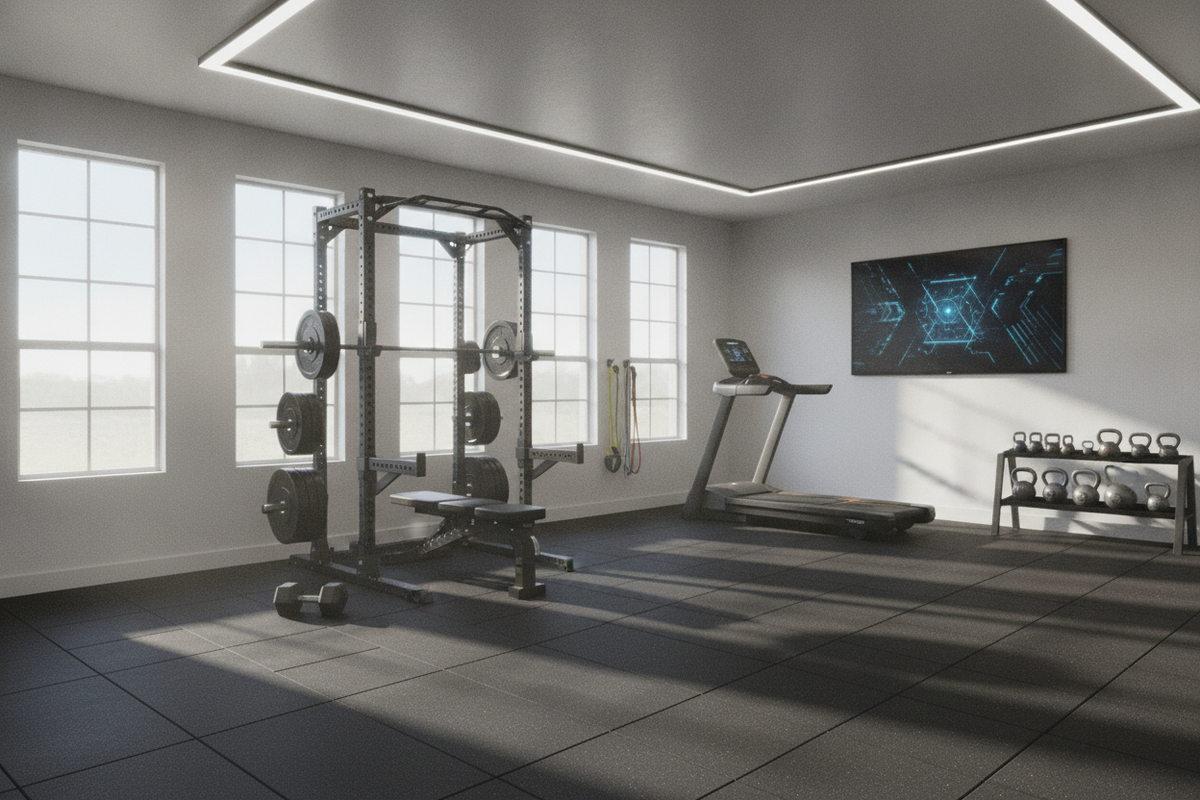
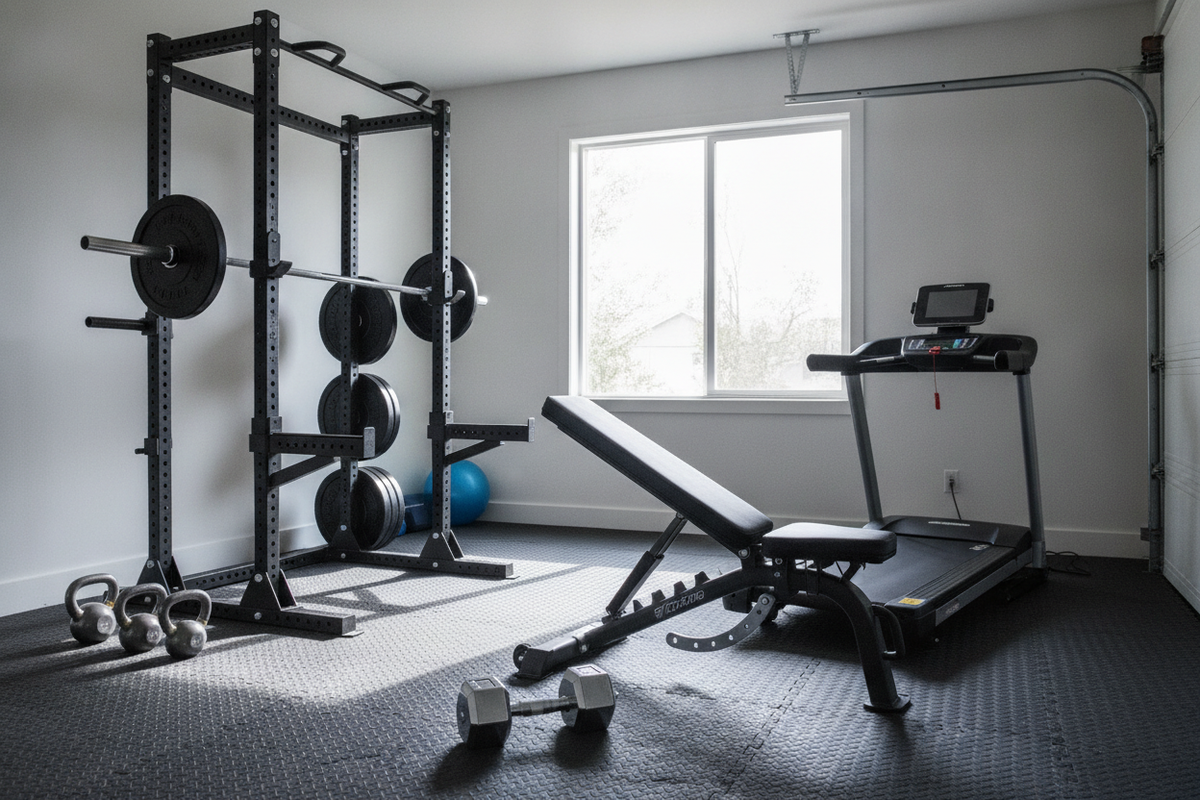
Home Gym Floor Staging and Equipment Protection for Heavy Glute Training
Executing heavy hip thrusts, deadlifts, and split squats at home demands a safe, stable surface. Heavy loading concentrated across small surface areas—such as bench legs, barbell plates, and planted heels—can cause floor damage or unwanted equipment shifting.
Setting up a dedicated exercise workout product provides a firm, slip-resistant foundation. Essential considerations for home floor staging include:
- Bench Anchor Stability: During hip thrusts, the upper back drives backward against a bench. A textured, high-traction mat prevents the bench from sliding backward on hardwood, tile, or polished concrete.
- Foot Traction for Unilateral Work: Lunges and split squats require solid footing. High-density surfaces prevent the lead foot from sliding forward under load.
- Subfloor Cushioning: Setting down heavy dumbbells or lowering barbells during RDLs introduces point-load pressure. Dense rubber or high-density foam distributes this weight, sparing underlying residential flooring.
Subfloor Care, Mat Maintenance, and Layout Management
Maintaining your workout space ensures longevity for both your training surface and the floor beneath it. High-intensity lower-body sessions produce sweat and concentrated barbell contact, requiring simple ongoing care.
Explore our broader exercise collection to find appropriate mats for staging weight stations, stretching zones, and bench setups. After workouts, wipe down mats with a mild soap-and-water solution or non-bleach cleaning wipe to prevent residue buildup. Inspect high-wear areas beneath barbell plate contact zones and bench feet periodically to ensure uniform floor protection across your training space.