
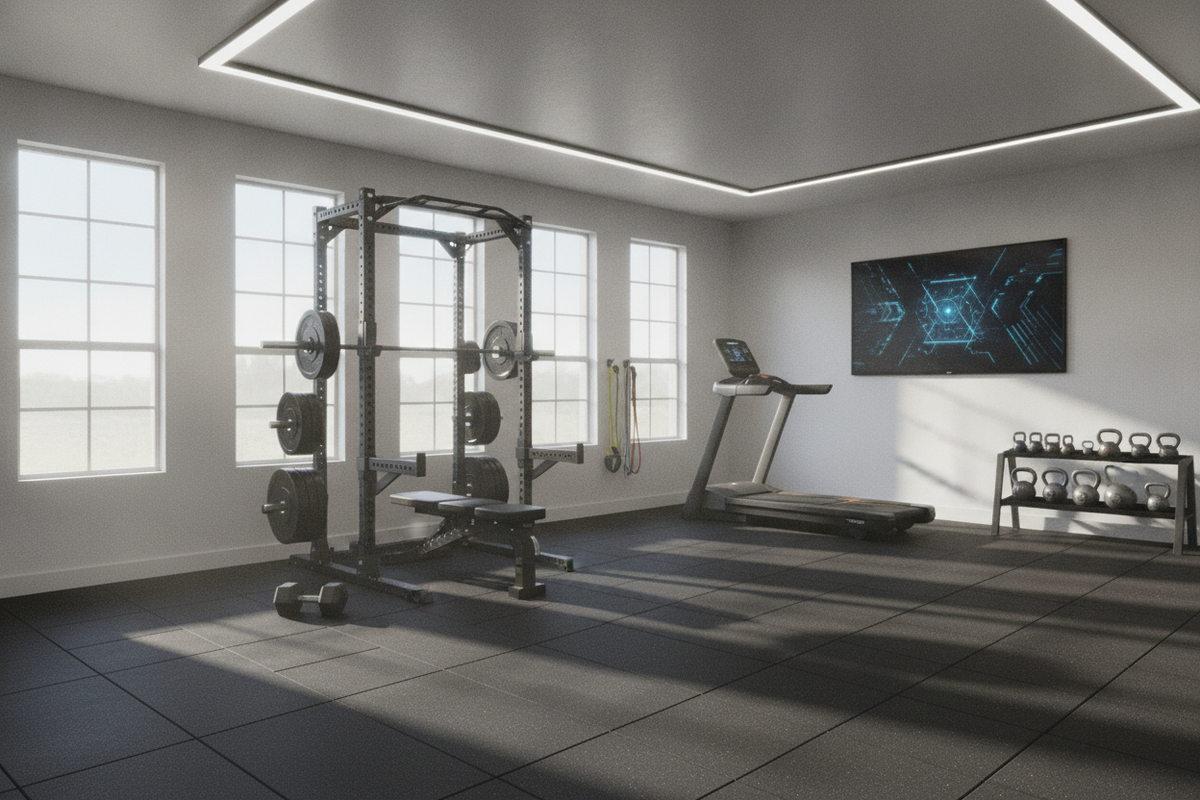
Best Exercise for Getting in Shape: Compound Movement Frameworks, Conditioning Blueprints, and Home Floor Staging
When exploring the single best exercise for getting in shape, many fitness enthusiasts look for a magic drill that builds strength, improves endurance, and transforms mobility simultaneously. In functional training biomechanics, no isolated movement works completely on its own. The real answer lies in multi-joint compound movement patterns that recruit large muscle groups and challenge cardiovascular capacity across multiple planes of motion.
The Anatomy of Getting in Shape: Why Compound Movements Reign Supreme
Isolation exercises, such as bicep curls or seated calf raises, target individual muscles but create minimal overall systemic demand. In contrast, compound multi-joint movements demand coordinated muscular contraction, core bracing, and continuous stabilization. When selecting an exercise to get in shape fast, prioritizing movements that engage the lower body, posterior chain, and upper torso simultaneously yields the highest return on training time.
Functional human movement can be organized into foundational patterns:
- The Squat: Lower-body knee-dominant flexion and extension engaging quadriceps, glutes, and core musculature.
- The Hinge: Posterior-chain dominant hip flexion recruiting hamstrings, glutes, and the spinal erectors.
- The Push: Upper-body horizontal or vertical pressing engaging the chest, anterior shoulders, and triceps.
- The Pull: Upper-body retraction and pulling targeting the latissimus dorsi, rhomboids, and rear shoulders.
- The Carry and Core Brace: Loaded locomotion and anti-rotational core stabilization.
By arranging these foundational patterns into a cohesive program, you create a balanced physical stimulus that develops balanced strength, elevated metabolic conditioning, and resilient joint mobility.
Top Functional Exercises for Rapid Full-Body Conditioning
If you need to select a small group of high-yield exercises to build a potent workout to get in shape fast, focus on functional exercises that bridge strength and aerobic capacity.
1. The Dumbbell or Kettlebell Thruster
The thruster combines a front squat with an overhead press in a single continuous movement. As you ascend from the squat, kinetic energy transfers from the legs through the braced core into the overhead press. Because it traverses the entire kinetic chain, the thruster acts as a prime candidate for the best exercise to get in shape fast, elevating heart rate rapidly while training full-body power output.
2. The Kettlebell Swing
A dynamic hip hinge, the kettlebell swing trains explosive power through the glutes, hamstrings, and lower back. Proper swing execution requires a stable foot plant, active hip drive, and dynamic core tension without overextending the lumbar spine. Paired with minimalist home workout equipment, swings deliver intense conditioning in tight spaces.
3. The Push-Up to Renegade Row
Combining a strict horizontal press with an alternating single-arm row, this hybrid exercise challenges chest and tricep strength while demanding rigorous anti-rotation core stability. Balancing in the high-plank position prevents hip sway and forces total-body tension throughout every repetition.
4. Walking or Reverse Lunges
Unilateral lower-body training addresses strength imbalances between limbs, reinforces ankle and knee stability, and activates the deep stabilizers of the hip. Adding a dynamic tempo or alternating footwork makes lunges an indispensable staple in any comprehensive workout get fit protocol.
Designing the Ultimate Home Conditioning Circuit
To understand how to get fit quickly at home, execution density matters just as much as exercise selection. Metabolic conditioning circuits that pair opposing movement patterns allow one muscle group to recover while another works, keeping work output high without requiring hours of training time.
When adapting multi-joint exercises for living spaces, consider this balanced full-body conditioning template:
- Station 1 (Hinge/Power): Kettlebell Swings (40 seconds of controlled work, 20 seconds rest)
- Station 2 (Push/Core): Tempo Push-Ups or Dumbbell Floor Presses (40 seconds work, 20 seconds rest)
- Station 3 (Squat/Drive): Goblet Squats or Thrusters (40 seconds work, 20 seconds rest)
- Station 4 (Pull/Stability): Dumbbell Bent-Over Rows or Plank Rows (40 seconds work, 20 seconds rest)
- Station 5 (Locomotion/Conditioning): High Knees, Mountain Climbers, or Bodyweight Step-Backs (40 seconds work, 20 seconds rest)
Complete 3 to 4 rounds of this sequence, taking a 90-second rest between full circuits. This metabolic structure constitutes an effective best workout to get in shape fast by balancing cardiovascular output with muscular endurance.
Home Gym Floor Staging: Impact Absorption and Foundation Stability
Executing dynamic multi-joint exercises and conditioning circuits inside a residential setting requires thoughtful attention to your training surface. Standard residential flooring—such as hardwood, tile, laminate, or thin carpeting—is not engineered for ballistic footwork, weighted drops, or lateral dynamic force.
A dedicated large protective home gym mat serves several critical functional purposes during home workouts:
- Traction and Grip: High-density non-slip textures ensure stable footing during explosive lunges, rotational jumps, and heavy goblet squats, preventing slips caused by perspiration or shifting shoes.
- Joint Cushioning: Dynamic conditioning movements deliver repetitive ground reaction forces to the ankles, knees, and lumbar spine. High-density padding softens contact without squishing under load.
- Subfloor Protection: Placing kettlebells, dumbbells, and plates on unpadded flooring can crack tiles or dent wood floors. A sturdy mat disperses point-load pressure.
- Acoustic and Vibration Dampening: High-density foam layers suppress the thud and vibration of fast-paced bodyweight and weighted movements, keeping home training quiet.
Browsing a curated high-density exercise mat collection helps you select the right thickness and footprint to stage a dedicated workout zone tailored to your available floor plan.
Sustaining Progress: Movement Scaling, Recovery, and Longevity
True physical conditioning is built on progressive consistency rather than short-term overexertion. To maintain steady progress toward your fitness goals while protecting your body, keep these principles in mind:
- Prioritize Form Over Speed: Never sacrifice movement mechanics to complete repetitions faster. Clean joint alignment prevents unnecessary strain and reinforces efficient movement patterns.
- Regulate Intensity: Alternate between higher-intensity interval days and moderate-intensity steady-state or mobility sessions throughout the week.
- Scale Movements Appropriately: If full thrusters or jump lunges challenge balance, scale back to bodyweight squats and controlled stationary reverse lunges until movement confidence improves.
- Maintain Consistent Staging: Keeping your training area designated, clear of household clutter, and cushioned with dedicated mats lowers the friction of starting each session.
By grounding your routine in fundamental compound movements, structuring clear metabolic intervals, and outfitting your training space with a stable floor foundation, you establish an effective, sustainable pathway to optimal fitness right at home.


