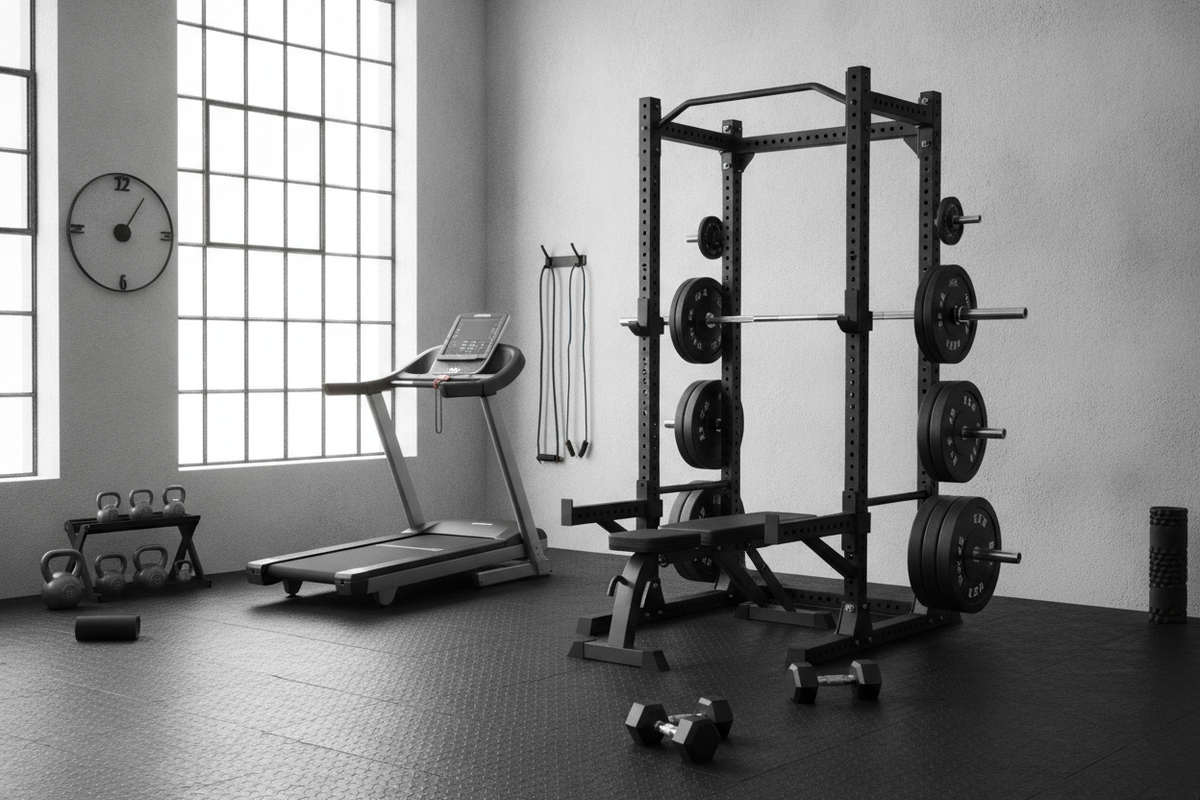
Beginner Gym Routine for Men: Foundational Movement Blueprints, Weekly Training Frameworks, and Station Floor Staging
Starting a strength journey can often feel overwhelming when faced with rows of unfamiliar machines, crowded free-weight zones, and complex bodybuilding splits. A practical beginner gym routine for men strips away unnecessary complexity, prioritizing foundational human movement patterns that build balanced full-body strength, promote joint resilience, and establish long-term training habits.
Foundations of an Effective Beginner Gym Routine for Men
Core Movement Patterns Over Isolated Muscle Fatigue
Rather than organizing workouts around individual body parts or chasing extreme localized muscle soreness, an effective beginner routine centers on fundamental movement categories: the squat, hip hinge, horizontal push, horizontal pull, vertical push, vertical pull, and loaded carry. Mastering these multi-joint exercises teaches the body to recruit major muscle groups in coordinated patterns, establishing a structural foundation for future athletic progress. For a deeper breakdown of structural progression, reviewing a beginner gym routine guide can provide additional joint-friendly perspectives.
Managing Initial Volume, Rest Intervals, and Movement Quality
Beginner lifters adapt rapidly to resistance through neurological efficiency before significant muscular hypertrophy occurs. During the first several weeks, keeping workout volume modest allows your nervous system and connective tissues to adapt without excessive systemic fatigue. Aiming for moderate repetition ranges with deliberate control on both the lifting and lowering phases reinforces sound technique. Taking adequate rest between working sets ensures that movement precision remains high from the first repetition to the last.
The Role of Stance Stability and Ground Contact
Force production begins at the floor. Whether setting your stance for a goblet squat, bracing for a dumbbell shoulder press, or hinging during a deadlift variation, your feet serve as the direct contact point with the ground. Training on a firm, non-slip surface allows for proper tripod foot engagement—distributing weight evenly across the heel, the base of the big toe, and the base of the little toe—which stabilizes the knees and pelvis during loaded lifts.
Structured 3-Day Full-Body Beginner Gym Workout Plan
A full-body training template performed three non-consecutive days per week (such as Monday, Wednesday, and Friday) provides an optimal balance between training stimulus and systemic recovery for beginner lifters. This framework allows each movement pattern to be practiced frequently without overloading any single muscle group. For broader workout ideas and scheduling templates, refer to an established workout resource.
Session A: Squat, Horizontal Press, and Row Mechanics
- Goblet Squat: 3 sets of 8 to 10 repetitions. Focus on holding a single dumbbell vertically against the chest while maintaining an upright torso and driving the knees out in line with the toes.
- Flat Dumbbell Bench Press: 3 sets of 8 to 10 repetitions. Position your feet firmly on the floor, pull your shoulder blades down and back, and lower the dumbbells with controlled forearm alignment.
- Chest-Supported Row or Cable Seated Row: 3 sets of 10 to 12 repetitions. Emphasize pulling through the elbows and initiating the movement by retracting the shoulder blades rather than leaning backward.
- Plank Hold: 3 sets of 20 to 30 seconds. Maintain a rigid line from head to heels while pressing the forearms actively into a cushioned floor mat.
Session B: Hinge, Vertical Press, and Lat Pull Mechanics
- Romanian Deadlift (Dumbbell or Barbell): 3 sets of 8 to 10 repetitions. Soften the knees slightly and push the hips backward while keeping the weight close to your shins, maintaining a neutral spine throughout.
- Seated or Standing Dumbbell Overhead Press: 3 sets of 8 to 10 repetitions. Press the weights overhead without arching the lower back, locking out with the biceps aligned near the ears.
- Lat Pulldown: 3 sets of 10 to 12 repetitions. Grasp the bar just outside shoulder width, pull the bar down toward the upper chest, and control the upward return.
- Farmer's Walk: 3 sets of 30 to 40 paces. Carry a moderate dumbbell in each hand with an upright posture and deliberate, stable footsteps.
Session C: Unilateral Leg Work, Overhead Stability, and Core Staged Finishers
- Reverse Lunges or Split Squats: 3 sets of 8 to 10 repetitions per leg. Step backward onto a secure surface, lowering the rear knee gently toward the mat while keeping the front shin relatively vertical.
- Incline Dumbbell Press or Push-Ups: 3 sets of 10 to 12 repetitions. Maintain a stable core and steady tempo, avoiding bouncing at the bottom of each repetition.
- Single-Arm Dumbbell Row: 3 sets of 10 to 12 repetitions per side. Support the non-working knee and hand on a flat bench to stabilize the spine while rowing the free weight toward the hip pocket.
- Dead Bug or Bird-Dog: 3 sets of 8 to 10 controlled repetitions per side on a supportive floor mat.
Navigating Commercial Gym Equipment and Staging Free-Weight Stations
Transitioning from Guided Selectorized Machines to Free Weights
Selectorized pin-loaded machines are helpful for initial familiarization with resistance, as they enforce a fixed path of motion and reduce the balance demands on stabilizing muscles. However, transitioning gradually to free weights—such as dumbbells, kettlebells, and barbells—builds functional core stability and allows your joints to move along their natural anatomical pathways. If you are balancing gym sessions with home training days, consulting a workout routine beginners guide can help you adapt movements between machine and free-weight setups.
Bench, Rack, and Dumbbell Zone Etiquette and Setup
Navigating the free-weight zone requires spatial awareness and respect for shared equipment. Always allow sufficient clearance between your station and neighboring lifters, especially during wide movements like lateral raises or walking lunges. When selecting dumbbells, take one step back from the rack before starting your set to allow other gym members access, and return weights to their designated holders immediately upon finishing.
Floor Surface Selection: High-Density Mats vs. Unprotected Gym Floors
Commercial gym floors generally utilize heavy rubber surfacing to absorb impact and prevent slipping. When performing ground-based movements such as lunges, floor presses, stretching, or core drills, stepping onto dedicated high-density exercise mats provides necessary joint cushioning for knees, elbows, and wrists while maintaining firm footing that will not compress unpredictably under load.
Adapting the Routine for Home Gyms and Garage Training
Essential Gear and Space Organization for Men's Strength Training
Setting up a beginner routine at home requires only a minimal footprint. A versatile pair of adjustable dumbbells, an adjustable bench, and a resilient, high-density gym workout product create a comprehensive training station that supports every movement pattern outlined in this framework.
Subfloor Protection Under Heavy Dumbbells and Benches
Hardwood, tile, and bare concrete subfloors can crack or scratch under the concentrated point loads of heavy workout benches and dumbbell descents. Laying down a large, seamless, high-density mat distributes weight across a broader surface area, preventing scuffs, damping vibrations, and preserving both your equipment and the underlying flooring.
Mat Maintenance and Grip Integrity for High-Sweat Sessions
Maintaining footing traction is essential for safe lifting. Sweat and dust can accumulate on exercise mats, creating slick spots during dynamic movements or heavy carries. Periodically wiping your training mat with a mild soap solution or specialized mat cleaner preserves surface texture, prevents residue buildup, and maintains long-term grip integrity.
Progressive Overload and Long-Term Habit Blueprint
Tracking Progress Through Form Mastery and Gradual Load Adjustments
Progressive overload is the cornerstone of strength development, but it does not mean adding heavy weight to the bar every single session. In the early stages, progress is measured by improved movement control, increased range of motion, and higher movement consistency under fatigue. Once you can complete all prescribed sets and repetitions with pristine form, increase the resistance by small, incremental amounts.
Active Recovery and Warm-Up Protocols on Supportive Flooring
Before beginning loaded sets, spend five to ten minutes performing dynamic mobility work on a cushioned mat. Hip openers, ankle mobilizations, arm circles, and bodyweight squats prepare the joints for resistance training by elevating body temperature and reinforcing movement pathways. Following each session, gentle static stretching and deep breathing help transition the body into an active recovery state.
Transition Pathways Beyond the Beginner Phase
After several months of consistent adherence to a 3-day full-body routine, you may notice that recovery between sessions requires more deliberate management as lifting loads increase. At this juncture, transitioning to an upper/lower split or an alternating push-pull framework allows you to manage training volume effectively while continuing to build balanced strength across all core movement patterns.