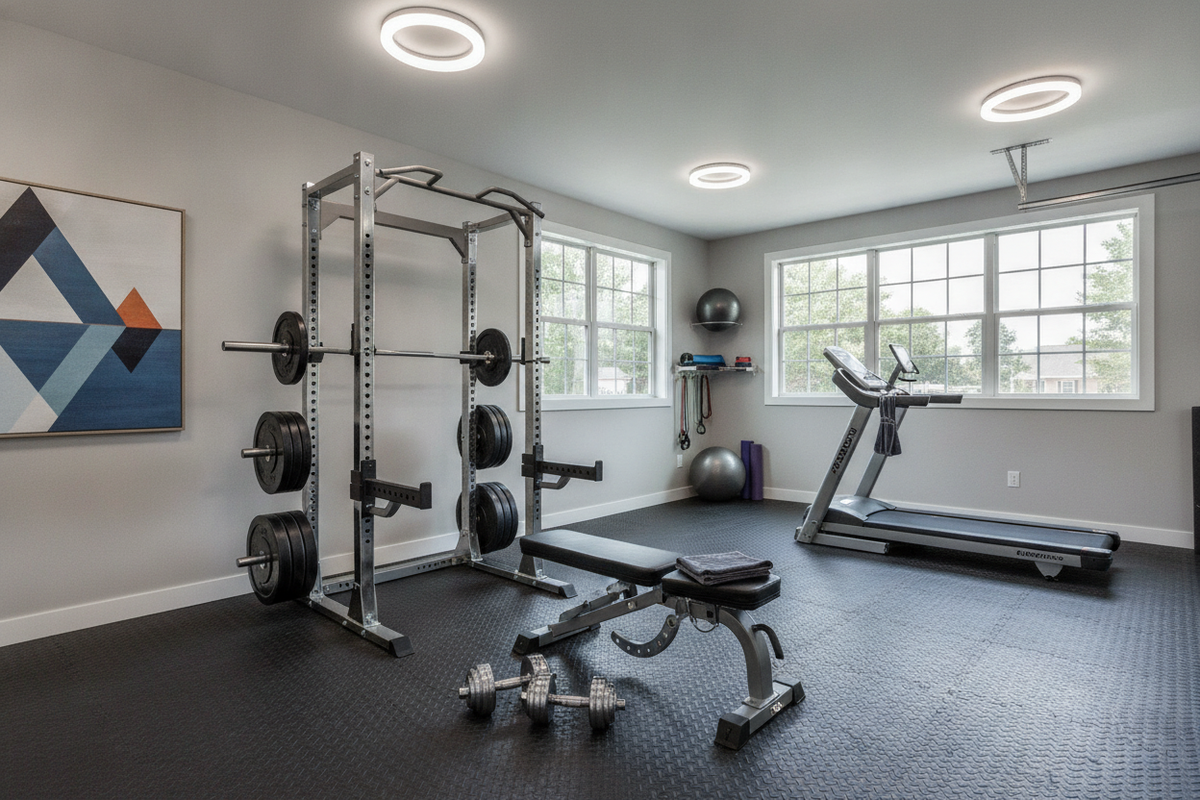
At Home Booty Workout Equipment: Gear Selection, Machine Setup, and Floor-Staging Guide
Designing an effective home lower-body workout zone requires balancing biomechanical versatility, spatial constraints, and floor surface integrity. While commercial gyms provide rows of specialized machinery, creating a functional routine at home depends on selecting gear that accommodates varied movement planes without overloading your living area. From compact resistance bands and adjustable free weights to a dedicated glute exercise machine at home, understanding equipment characteristics and staging requirements helps establish a balanced, sustainable setup.
Categorizing At Home Booty Workout Equipment: Form Factors and Movement Vectors
Effective glute training involves addressing multiple movement vectors: horizontal hip extension (such as hip thrusts and glute bridges), vertical loading patterns (such as squats, step-ups, and lunges), lateral abduction, and hip rotation. Structuring your equipment collection around these vectors ensures comprehensive muscular stimulation without redundant purchases.
When organizing at home booty workout equipment, gear generally falls into three primary form factors:
- Free Weight and Hinge Tools: Barbells, dumbbells, and kettlebells that provide direct vertical and diagonal loading during deadlifts, split squats, and Romanian deadlifts.
- Dynamic Tension Tools: Loop resistance bands, ankle cuffs, and fabric tension rings that offer variable accommodating resistance throughout abduction, kickbacks, and lateral walks.
- Dedicated Lever and Platform Systems: Specialized hip thrust benches, glute-ham developers, and compact pulley systems designed around fixed movement paths.
When integrating glute-specific gear alongside broader conditioning setups, referencing an exercise equipment workout guide ensures well-rounded home training utility across both lower-body and full-body movement patterns.
Dedicated Glute Exercise Machine at Home: Types, Footprint, and Setup
For individuals seeking fixed-leverage positioning, investing in a dedicated glute exercise machine at home can streamline exercise execution. These machines help isolate posterior-chain movement patterns while standardizing foot placement and spinal alignment.
Common configurations include:
- Compact Hip Thrust Benches: Padded back supports integrated with footplates and band pegs or barbell guides, providing a stable pivot point for horizontal hip extension.
- Multi-Functional Lever Arms: Wall-mounted or rack-attached lever units that facilitate belt squats, standing kickbacks, and weighted donkey kicks with controlled resistance paths.
- Cable Pulley Attachments: Freestanding or door-mounted low-pulley setups paired with ankle straps to maintain continuous tension throughout extended hip extension arcs.
Comparing dedicated lower-body lever systems with standard apparatuses outlined in our exercise machine equipment guide helps clarify mechanical leverage and footprint trade-offs when planning dedicated workout spaces.
Essential Floor Protection and Equipment Staging for Glute Training
Glute training frequently involves substantial point-load forces and downward pressure. Heavy hip thrust benches, loaded barbell sleeves, and weighted dumbbells concentrate significant force onto small contact patches. Without adequate surface buffering, metal frames and dropped weights can indent hardwood, crack tiles, or compress carpet underlayment permanently.
Establishing an unyielding, high-traction training perimeter begins with high-density options from our exercise collection. Dense rubberized surfaces serve two critical roles during lower-body workouts: they disperse localized point-load pressure across the subfloor and provide textured footing that prevents slippage during high-drive hip extensions.
Optimizing Mat Dimensions for Dynamic Booty Workouts
Static equipment footprints tell only part of the spatial story. Movements such as walking lunges, lateral band strides, and curtsy squats require continuous multidirectional clearance. Staging a mat that accommodates both the footprint of a thrust bench and adjacent dynamic movement paths avoids the hassle of shifting equipment mid-routine.
For setups requiring seamless coverage across thrust benches and dynamic lunges, a spacious exercise workout product ensures complete subfloor protection and footing security across diverse movement patterns.
Compact & Portable Glute Gear: Bands, Wedges, and Load Modifiers
Training setups with minimal dedicated square footage benefit from modular accessories that deliver progressive resistance without demanding permanent floor space. Selecting versatile accessories expands training options while keeping gear easy to store:
- Fabric Loop Resistance Bands: Non-slip woven bands provide consistent lateral tension during warm-ups, clamshells, and banded bridge variations without rolling or pinching.
- Squat Wedges and Heel Elevation Blocks: Angled footplates modify ankle dorsiflexion demands, facilitating deeper hip flexion and greater quad-to-glute transition control during deep squats and split squats.
- Ankle Straps and Resistance Tubing: Portable attachment cuffs that turn doorways or weighted poles into cable-style kickback stations.
- Adjustable Dumbbells and Sandbags: Adaptable mass tools that deliver progressive overload for Bulgarian split squats, glute bridges, and walking lunges without occupying an entire weight rack.
Maintenance, Hygiene, and Long-Term Home Gym Care
Sustaining the longevity of your glute workout tools requires regular inspection and upkeep routines. Because lower-body exercises place significant demand on footwear contact points and floor padding, routine care preserves both hygiene and functional performance:
- Surface Cleaning: Wipe down dense mat surfaces and machine vinyl padding with mild soap solutions after high-intensity training to prevent sweat buildup and maintain non-slip traction.
- Hardware and Fastener Audits: Routinely check bolts, pivot points, and band pegs on hip thrust units or lever frames to verify all components remain securely tightened.
- Elasticity Checks: Inspect fabric and rubber resistance loops periodically for micro-tears or loss of elasticity to ensure predictable resistance during dynamic movement.
- Proper Storage: Store loop bands, wedges, and loose accessories off the floor in storage bins or wall racks to preserve open floor staging and maintain a clutter-free training zone.