Are Your Favorite Brands for Gym Equipment Selling the Same Gear?
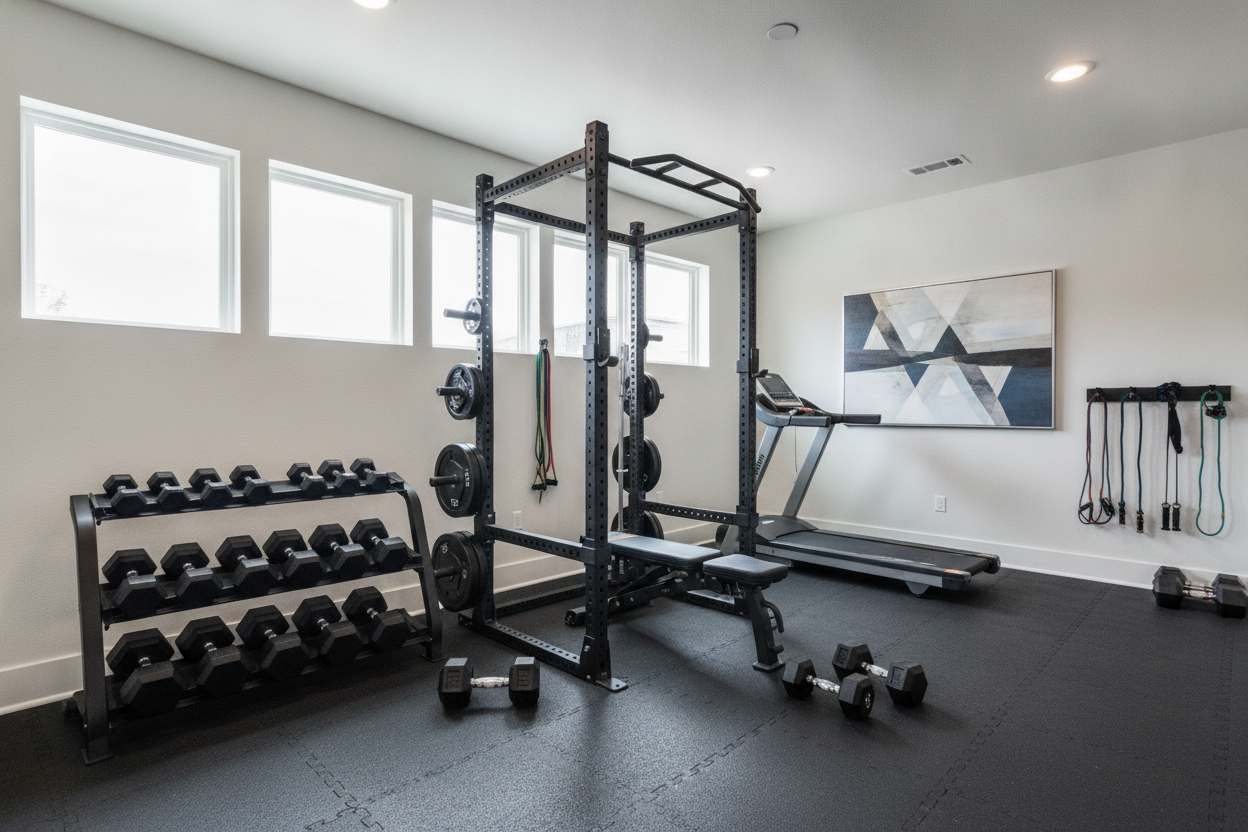
I was scrolling through a popular fitness forum the other day when I saw three different guys post photos of their new power racks. All three had different logos on the crossmembers, but the J-cups, the upright hole spacing, and even the specific shade of matte black powder coating were identical. It’s a frustrating realization when you find out the 'premium' brands for gym equipment you’ve been eyeing might just be the same generic imports with a 30% markup.
We’ve all been there. You spend hours comparing specs, trying to justify the extra $200 for a name you recognize, only to find out the steel came out of the exact same factory in Ningbo. Here is the truth about how the industry actually works and how to avoid getting ripped off by a sticker.
- Most mid-tier equipment is white-labeled from a handful of overseas OEMs.
- Look at the hardware (bolts and washers) and J-cup designs to spot clones.
- Pay for the brand only if the customer service or warranty is top-tier.
- Don't buy your whole gym from one company; specialize your purchases.
The Dirty Little Secret of the Fitness Industry
Most people think every fitness equipment brand has a team of engineers in white lab coats designing steel from scratch. In reality, a huge chunk of the market relies on Original Equipment Manufacturers (OEMs). These are massive factories that design a 'base model' rack or bench and then pitch it to dozens of different workout machine companies.
The factory says, 'Here is our 3x3-inch 11-gauge power rack. We can paint it any color and laser-cut your logo into the uprights.' One brand picks red, another picks blue, and a third adds a fancy name. Underneath the paint, they are the exact same product. If you aren't careful, you’re just paying for the marketing budget of the guy who bought the most Facebook ads.
How to Spot an Identical Rack With a Different Sticker
Identifying a clone isn't hard if you know where to look. Start with the J-cups. If you see the same plastic-lined, sandwich-style J-cup on four different websites, they’re likely coming from the same source. Look at the hole spacing too. Is it 2-inch spacing throughout, or does it feature the Westside hole pattern in the bench zone? If the dimensions and the hole patterns match perfectly across brands, it’s a white-label job.
This is even more common when you move away from simple steel and look at different weight machine types. Functional trainers and cable crossovers are notorious for this. The pulley housings and the weight stack shrouds are usually dead giveaways. If the frame shape looks identical, it probably is. Don't let a fancy exercise equipment brand convince you their proprietary cable system is unique when it uses the same nylon pulleys as the $500 cheaper version.
When It Actually Makes Sense to Pay the Brand Tax
I’m not saying you should always buy the cheapest option. Sometimes the brand tax is actually a service fee. When you buy from a reputable workout equipment brand, you’re paying for someone to answer the phone when a bolt is missing or a weld fails. The generic Amazon seller isn't going to send you a replacement upright three years from now; a dedicated company will.
You also pay for the ecosystem. If you buy a rack from a company that has 50 different attachments—lat pull-downs, lever arms, dip stations—you are buying into a system. If you want the peace of mind that everything will fit perfectly, it might be worth waiting for the best home gym equipment deals on a name-brand rack rather than gambling on a generic one that might have non-standard hole sizes.
The Ecosystem Trap You Need to Avoid
One of the biggest mistakes I see is the 'one-brand gym.' Just because a company makes the best power rack on the market doesn't mean their benches or dumbbells are worth a damn. Many weight equipment companies are great at welding heavy steel but terrible at upholstery or precision machining.
I’ve seen guys drop $3,000 on a rack and then buy the same brand's matching adjustable bench, only to find out it wobbles like a folding chair. When you are looking for free weight exercise equipment, you need to vet each category individually. Buy your rack from the steel experts, your plates from the foundry specialists, and your specialty bars from the guys who actually know how to knurl a shaft.
How to Vet Your Gear Before Hitting Checkout
Before you click buy, do a spec-check. Check the shipping weight. If Brand A's rack weighs 250 lbs and Brand B's 'identical' rack weighs 180 lbs, Brand B is using thinner steel. Always look for 11-gauge steel for anything you plan on dropping a heavy barbell on. 14-gauge is fine for a coat rack, but not for a 400-lb squat.
Saving money by avoiding the logo markup on a rack is smart because it frees up cash for things that actually matter for your joints and your floor. I'd much rather have a generic 3x3 rack and spend the savings on heavy-duty gym flooring for home workouts than have a prestige rack sitting on thin foam tiles that shift every time I move. Invest in the foundation first.
My Biggest Gear Mistake
A few years ago, I bought a high-end adjustable bench for $450. I thought I was getting something special. A month later, I visited a buddy who had a $200 bench from one of those work out equipment brands I'd never heard of. We put them side-by-side. Every single bolt, the thickness of the pad, and even the specific click of the adjustment pin were identical. I paid $250 for a screen-printed logo on the headrest. I felt like an idiot, but it taught me to look at the hardware, not the marketing copy.
FAQ
Is 11-gauge steel really necessary for a home gym?
For a power rack, yes. It’s more stable and handles attachments better. For a simple plate tree? You can get away with thinner stuff, but for anything structural, stick to 11-gauge.
How do I know if a brand is just a middleman?
Check their 'About Us' page. If they don't talk about their manufacturing process or design philosophy and only show stock photos of people smiling, they are likely just a white-label importer.
Can I mix and match attachments from different brands?
Sometimes. If both racks use 3x3-inch tubing and 1-inch holes, many attachments are interchangeable. Just measure your hole spacing carefully before buying.