Are You Wasting 70% of Your Muscle Building Workout?
I remember spending two hours every evening in my garage, sweating through 25 sets of chest and back because some glossy magazine told me I needed 'total annihilation' to grow. I was sore for a week, but my bench press didn't budge and my shirts weren't getting any tighter. If you're currently grinding through a marathon muscle building workout and seeing zero progress, you aren't lazy—you're probably just doing too much 'junk.'
Quick Takeaways
- Most muscle growth happens during the final 2-3 reps of a set when the bar slows down.
- Junk volume is extra work that causes fatigue without stimulating new tissue growth.
- Quality of effort beats quantity of sets every single time for natural lifters.
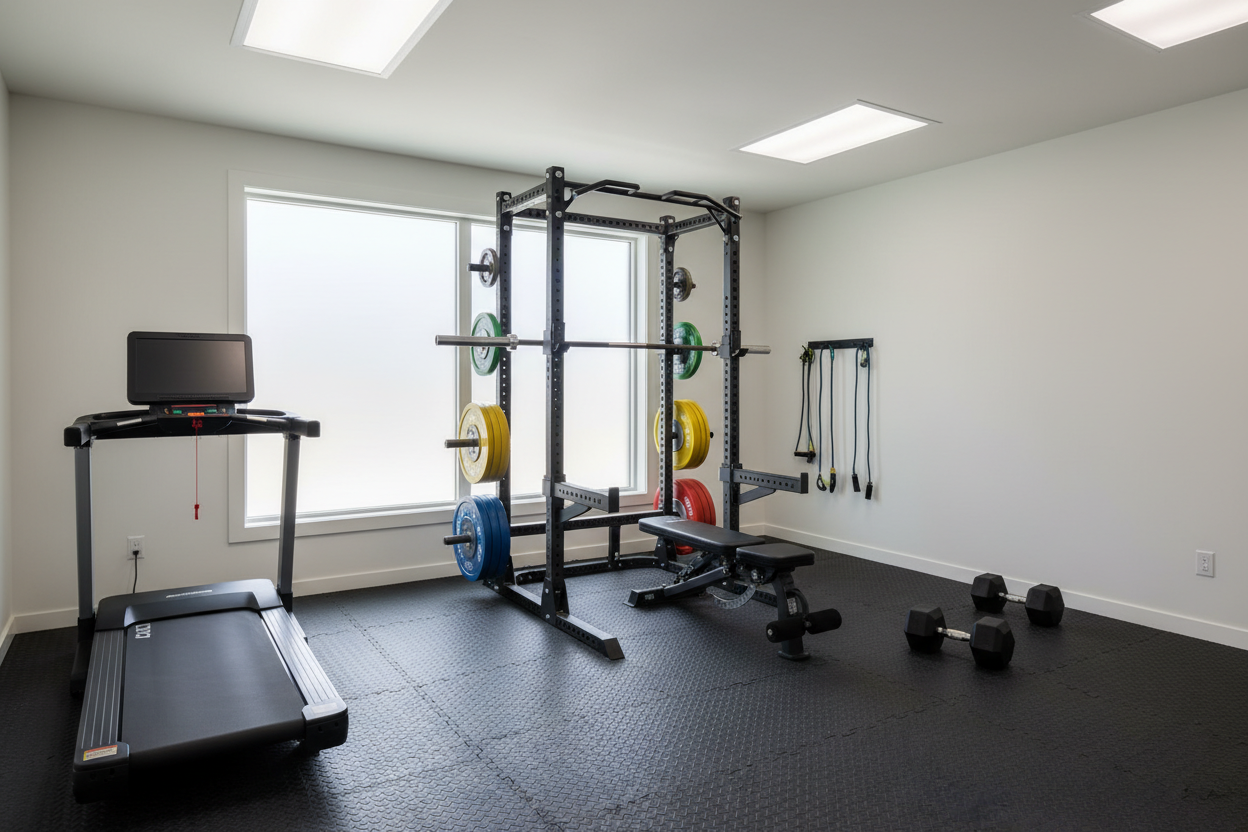
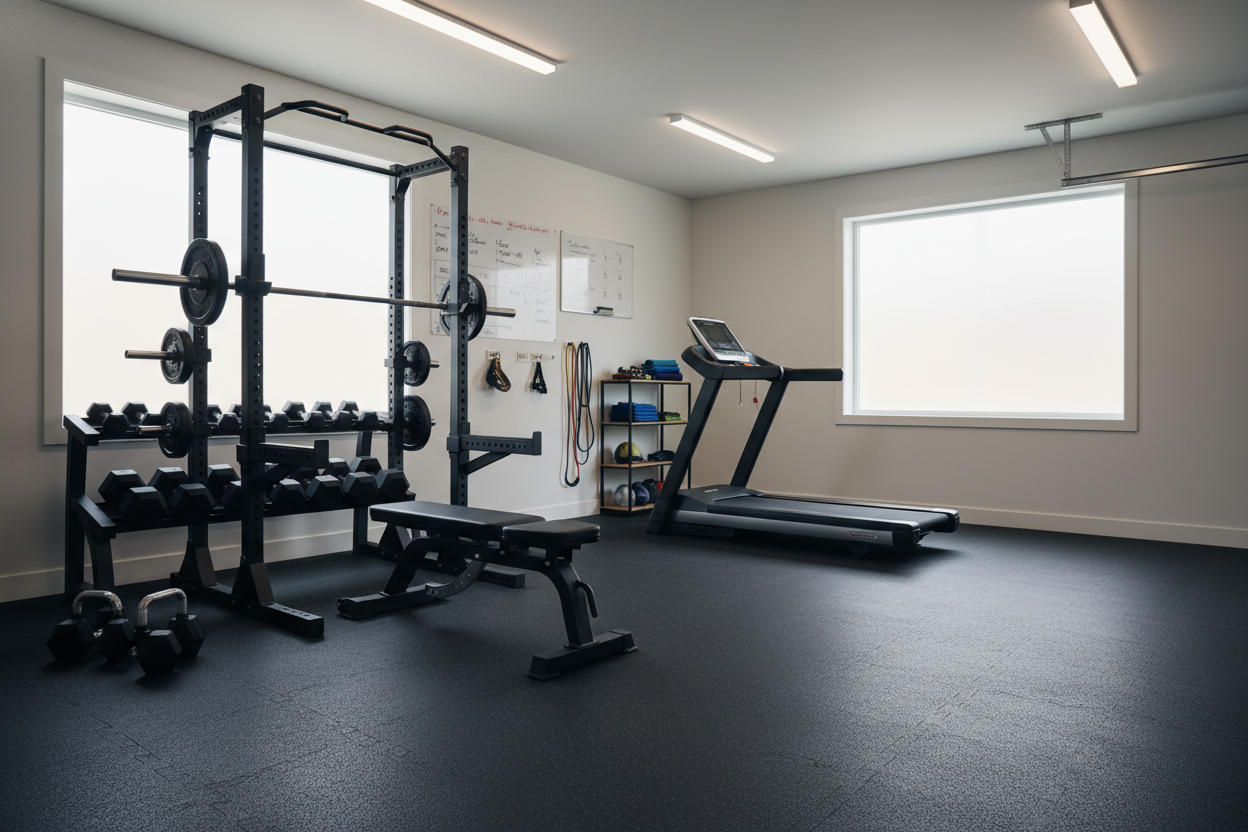
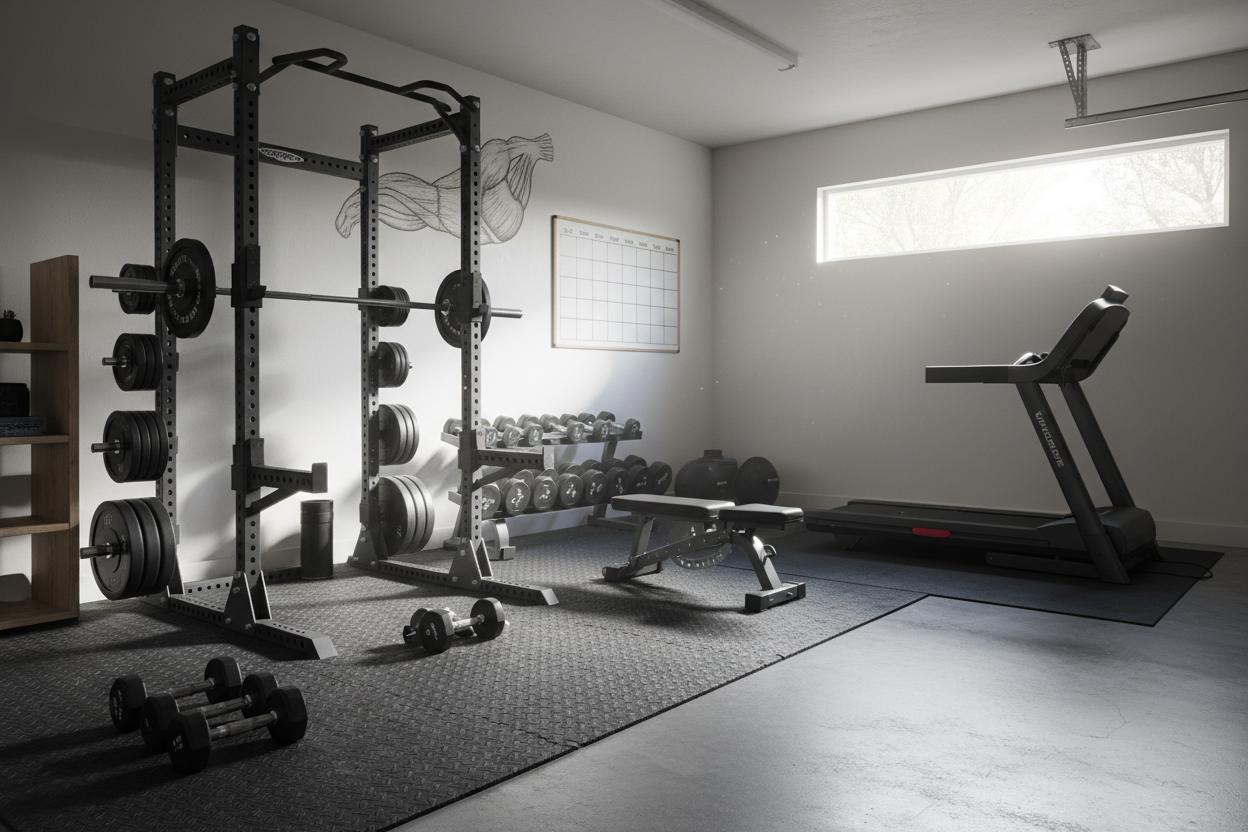
- Your home gym is the best place to train high-intensity because you aren't performing for a crowd.
The Dirty Secret About 'Junk Volume'
Most guys think that a workout to gain muscle mass needs to be a grueling two-hour session that leaves them unable to lift their arms. I used to be that guy. I'd do five different types of curls and three variations of the bench press. But here is the reality: your body has a limited recovery debt it can pay. When you do 20 or 30 sets per body part, you aren't providing a better stimulus; you're just practicing being tired.
This 'junk volume' is the biggest killer of progress I see in home gym owners. You have the best workout plan for gaining muscle mass on paper, but you're executing it with 50% intensity just so you can survive the sheer volume. If you can do 10 sets of squats, you didn't do a single set of squats correctly. By stripping the fluff, you allow your central nervous system to actually recover, which is when the actual growth happens. A great muscle building workout routine should feel like a surgical strike, not a war of attrition.
I've tested everything from 5x5 to high-volume German Volume Training. The biggest gains I ever made came when I cut my total sets by 40% but doubled the aggression on the sets that remained. You don't need more exercises; you need more focus on the build muscle exercise plan you already have.
What Actually Constitutes an 'Effective Rep'?
To understand the best workout plan to build muscle, you have to understand motor unit recruitment. Your body is efficient—and lazy. If you pick up a weight you can handle for 10 reps, your brain only recruits the small, weak muscle fibers for the first seven. It’s only when those fibers fatigue and the weight starts feeling like a ton of bricks—usually reps 8, 9, and 10—that your brain 'calls in the cavalry.' These are the high-threshold motor units, and they are the only ones capable of significant growth.
If you stop a set three reps before failure, you essentially did zero 'effective reps.' You did the work, you burned the calories, but you didn't give your body a reason to change. This is why the best workout routine for muscle building often looks 'easy' to an outsider—it’s low volume but high stakes. You can find examples of how to structure these high-intensity, low-volume templates at the Workout Hub.
Think of it like starting a car in the winter. The first few turns of the key do nothing, but they are necessary to get to the one turn that actually starts the engine. If you stop turning before that final click, you're just wasting your time. The best workout routine for muscle gain is the one that maximizes those 'engine-starting' reps while minimizing the 'meaningless turning.'
How to Restructure Your Routine for Maximum Yield
Auditing your current exercise plan to gain muscle starts with honesty. Look at your logbook. If you're doing four sets of 12 on the overhead press, are you actually struggling on the 12th rep of the first set? If not, that set didn't count. I recommend moving toward a 'Top Set' and 'Back-off Set' model. This allows you to hit your heaviest weight while you're fresh, ensuring the highest mechanical tension possible.
When you reduce the total number of sets, you can afford to push closer to failure. Instead of doing four mediocre sets, do two sets where the last rep is a genuine struggle. This is the core of how to build real muscle with a Body Solid workout routine. Heavy compound movements like rows, presses, and squats demand this level of respect. If you try to do high volume with heavy compound lifts, your form will break down long before your muscles do, leading to a one-way ticket to the physical therapist.
Trimming the fat from your muscle building workout plan means you can spend more time on the movements that actually move the needle. If an exercise doesn't allow you to safely progress the weight over time, it’s probably junk. Stick to the basics: hit them hard, hit them fast, and then go eat.
Stop Treating Warm-Ups Like Working Sets
I see guys in their garage gyms doing 15 reps with the empty bar, then 12 reps with 95 lbs, then 10 reps with 135 lbs. By the time they get to their working weight of 225 lbs, they've already done 37 reps of junk. They are pre-fatigued. Their 'effective reps' at 225 will be garbage because they're already gassed from the warm-up.
Your warm-up should be the bare minimum required to get blood flowing and grease the groove of the movement. I like to do some light mobility work on a high-quality gym flooring for home workout to wake up my joints, then do 3-5 reps at 50%, 2 reps at 70%, and maybe 1 rep at 90% of my working weight. This primes the nervous system without burning the fuel you need for the sets that actually build muscle.
The Garage Gym Advantage for High-Effort Lifting
Training for maximum hypertrophy is a vulnerable process. To hit those truly effective reps, you have to look like a maniac. You might grunt, your face will turn purple, and you might even fail a rep and have to dump the bar onto the safeties. In a commercial gym, people stare. In your garage, you have the freedom to be as intense as the workout requires.
This is why having the best home workout equipment for men is a literal game-changer for muscle growth. When you have a rack you trust and no one waiting for your bench, you can take the 3-5 minute rest periods needed to fully recover between sets. That recovery is vital. If you only rest 60 seconds because you feel rushed, your next set will be limited by your lungs, not your muscles. At home, you set the pace, and that pace should be 'high intensity, full recovery.'
My Biggest Mistake
Early on, I thought my 11-gauge steel rack and fancy bearing barbell were magic. I thought the gear would do the work. I ran a high-volume 'bro split' for a year and gained almost nothing but joint pain. It wasn't until I stopped worrying about 'feeling the burn' and started worrying about 'adding 5 pounds to the bar' that I actually changed my physique. I had to learn that my body doesn't care about my work ethic; it only cares about mechanical tension and progressive overload.
FAQ
How many sets do I really need per muscle?
For most people, 6 to 10 'hard' sets per muscle group per week is the sweet spot. If you're doing more than that, you likely aren't training with enough intensity on the sets you are doing.
Should I go to failure on every set?
On isolation moves like curls or lateral raises, yes. On big compounds like squats or deadlifts, leave one rep in the tank (RPE 9) to keep your spine safe and your form tight.
Why am I not sore after a low-volume workout?
Soreness is a poor indicator of growth. It usually just means you did something new or focused on the eccentric too much. Progress in the logbook—adding weight or reps—is the only metric that matters.