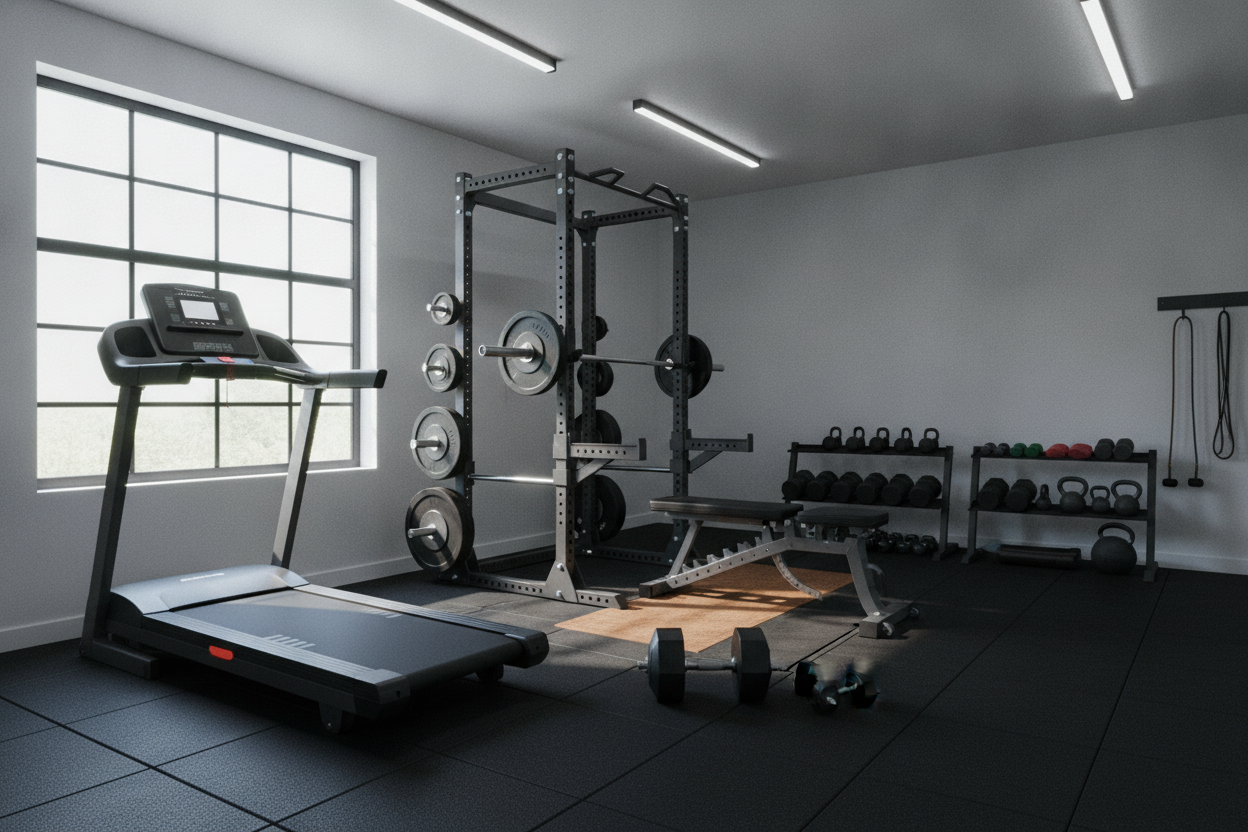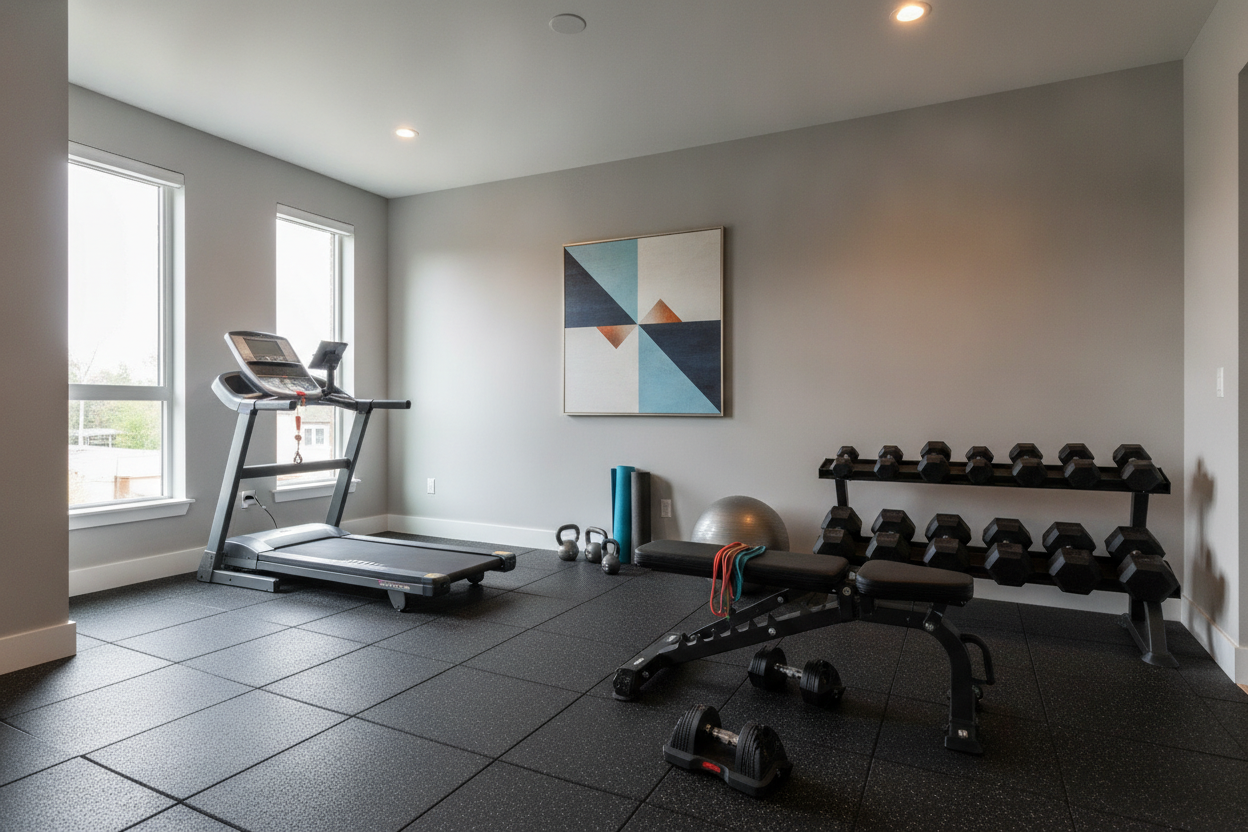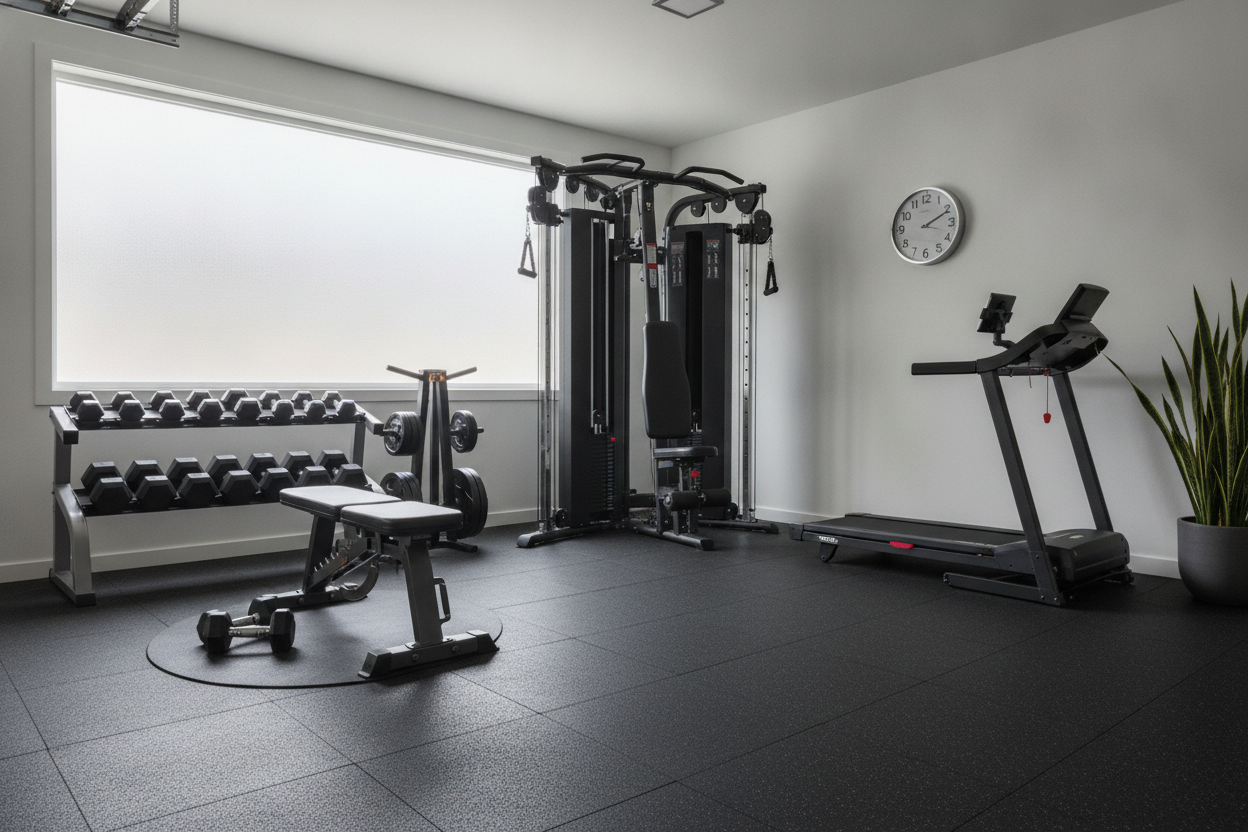
Are Weight Machines Home Gym Staples or Massive Space Wasters?
I remember the day I realized my garage was full. I couldn't even shuffle sideways between my power rack and the wall because I'd impulsively bought a used seated chest press. It looked cool in the Craigslist photo, but in my 200-square-foot sanctuary, it was just a $400 laundry rack that hit one muscle group and killed my flow.
Deciding to bring weight machines home is a high-stakes game. You're trading floor space—the most valuable currency in a home gym—for a very specific range of motion. Before you sacrifice your precious square footage, let's talk about which pieces of home strength training equipment actually earn their keep and which ones are just glorified coat racks.
- Functional trainers offer the most versatility but demand a massive footprint.
- Leg presses are the #1 cause of 'buyer's remorse' in small garages.
- Lat pulldown/low row combos are the most justifiable 'single-purpose' machines.
- Plate-loaded gear is usually a smarter buy for home use than selectorized stacks.
The Reality Check Before You Buy Bulky Gear
Most people start their home gym journey by looking at what their local commercial gym has. That is a massive mistake. A commercial facility has 10,000 square feet and a budget to match; you likely have a slab of concrete shared with a lawnmower. When you look for home strength training equipment, you have to prioritize utility per square foot.
A single-function machine, like a seated leg extension, takes up about 15 square feet. In a typical garage gym, that's nearly 10% of your usable lifting area just to work your quads. You need to Stop Buying Weight Training Equipment for Home Like a Commercial Gym and start thinking like a minimalist. If a machine doesn't allow for at least three distinct movements, it’s probably not worth the real estate.
The Cable Crossover: Versatility vs. Square Footage
The functional trainer is the heavy hitter of home weightlifting equipment. It’s essentially two adjustable cable columns. You can do crossovers, rows, tricep extensions, and even weighted pull-ups. But here’s the rub: a decent unit is usually 5 feet wide and 4 feet deep. When you add the 'working area' needed to actually pull the cables, you're looking at an 8x8 foot zone.
Is it worth it? If you value hypertrophy and accessory work, yes. Cables provide constant tension that weight training home equipment like dumbbells simply can't match. If you’re a pure powerlifter, you might find that a simple pulley attachment for your rack does 80% of the job for 5% of the cost. But for sheer variety in home gym weight training equipment, a cable tower is hard to beat.
Leg Presses and Hack Squats: The Ultimate Space Eaters
I get the appeal of heavy lifting equipment for home use. There is nothing like the feeling of loading up ten plates on a leg press and going to town without worrying about your balance. But for most weight lifting equipment for home setups, a dedicated leg press is a space disaster. They are incredibly long, often stretching 7 to 9 feet from the wall.
Unless you are a competitive bodybuilder, that space is better served by a high-quality squat rack and a pair of adjustable dumbbells. If you absolutely must have a machine for legs, look for a 'vertical leg press' or a compact belt squat. They provide the stimulus without eating half the garage or making you move your car into the driveway forever.
Lat Pulldown and Low Row Combos: The Exception to the Rule
If I could only have one machine besides my rack, it would be a lat pulldown and low row combo. This is the gold standard for weight training home gym equipment. Why? Because replicating a true vertical pull with a barbell is impossible, and pull-ups eventually reach a point of diminishing returns for high-volume back growth.
A high-quality home unit often feels better than the beat-up gear at the local Y. Actually, Why My Home Weight Training Equipment Beats Any Commercial Gym often comes down to maintenance; you can keep your cables lubed and your guide rods polished. A smooth 200-lb stack for rows and pulldowns will do more for your physique than almost any other specialized weight training system.
How to Choose Without Wrecking Your Gym's Layout
Before you buy any weight training kit, get out the blue painter's tape. Tape the footprint of the machine on your floor. Now, stand inside that box and imagine moving around it with a barbell. If you can't perform a clean or a lunge without hitting the machine, it's too big. Floor space is a finite resource—don't spend it all in one place.
Also, check your ceiling height. Many weight training systems home units are 82 to 84 inches tall. If you have a low basement ceiling or a garage door opener in the way, you're going to have a very expensive, very heavy headache. Prioritize units that offer multi-functionality, like a cable tower that also has a footplate for seated rows.
Personal Experience: The Leg Extension Folly
I once spent $600 on a standalone leg extension/curl machine. I used it twice a week for twenty minutes. The rest of the time, I was stubbing my toe on it while trying to deadlift. I eventually sold it for half what I paid just to get my floor space back. Now, I use a $50 leg extension attachment that hooks onto my power rack. It's not as 'commercial' as a dedicated unit, but I can actually park my car in the garage again. That’s a win in my book.
Which is better: plate-loaded or selectorized?
Selectorized (pin-loaded) is faster for drop sets, but plate-loaded is cheaper and easier to move if you ever rearrange your gym. For home use, plate-loaded usually wins on value.
Can I put weight machines on a second floor?
Be careful. A 300-lb weight stack plus the frame plus your body weight is a massive concentrated load. Check your floor joists or stick to the garage and basement for the heavy stuff.
Do I really need a functional trainer?
Need? No. But if you have the space and the budget, it's the single best piece of equipment for finishing movements and injury prevention work. It's the one machine that replaces a dozen others.