Why Fitness for 70 Year Olds Shouldn't Feel Like Rehab
I remember watching my father-in-law attend a local 'Senior Strength' class. It was a room full of capable adults sitting in folding chairs, curling 2-pound pink plastic dumbbells while listening to elevator music. He looked bored out of his mind, and frankly, he wasn't getting any stronger. If you are looking into fitness for 70 year olds, you need to understand that your body doesn't stop responding to challenge just because you hit a certain decade. You don't need a nursery; you need a plan.
Quick Takeaways
- Muscle mass is the primary currency of longevity—don't spend it on useless, low-effort movements.
- Standing exercises beat seated exercises for bone density and balance every single time.
- A high-traction floor is your most important piece of safety equipment.
- Focus on functional movements like the box squat and farmer's carry over bicep curls.
The 'Fragility Myth' Keeping You Weak
The medical establishment has a bad habit of treating 70-year olds in great shape like they are made of spun glass. There is a massive difference between acute physical therapy—which is what you do after a stroke or a hip replacement—and actual training. Exercise for 70 and over is often marketed as 'rehab-lite,' but if you want to stay out of a nursing home, you need progressive overload. That means gradually increasing the difficulty of your movements so your muscles and bones have a reason to stay strong.
Getting fit at 70 isn't about reckless ego lifting. It's about recognizing that 'taking it easy' is exactly how you lose the ability to carry your own groceries or get up from a fall. When I see over 70 fitness routines that never ask the person to break a sweat or breathe hard, I see a missed opportunity to build real resilience. You aren't fragile; you're just detrained. The goal of fitness at 70 should be to move you away from the clinical setting and back into the world of active living.
Stop the Seated Nonsense
If you can stand, you should be standing. Gravity is a tool, not an enemy. Seated leg extensions and chair yoga might feel safe, but they do almost nothing for your balance or your bone mineral density. To keep your skeleton strong, you need to put weight through your spine and hips. This is why you need to stop the chair aerobics and start engaging your core and stabilizer muscles in a standing position.
Exercise for over 70s should mimic life. You don't sit down to lift a grandchild or reach for a heavy pot in the kitchen. You stand. By training on your feet, you're forcing your brain and nervous system to coordinate dozens of muscles at once. This 'neuromuscular' training is what actually prevents falls. If you spend your entire over 70 workout in a chair, you're training your body to be good at sitting, which is the last thing an active senior needs.
Ground Control: Your Living Room is a Hazard
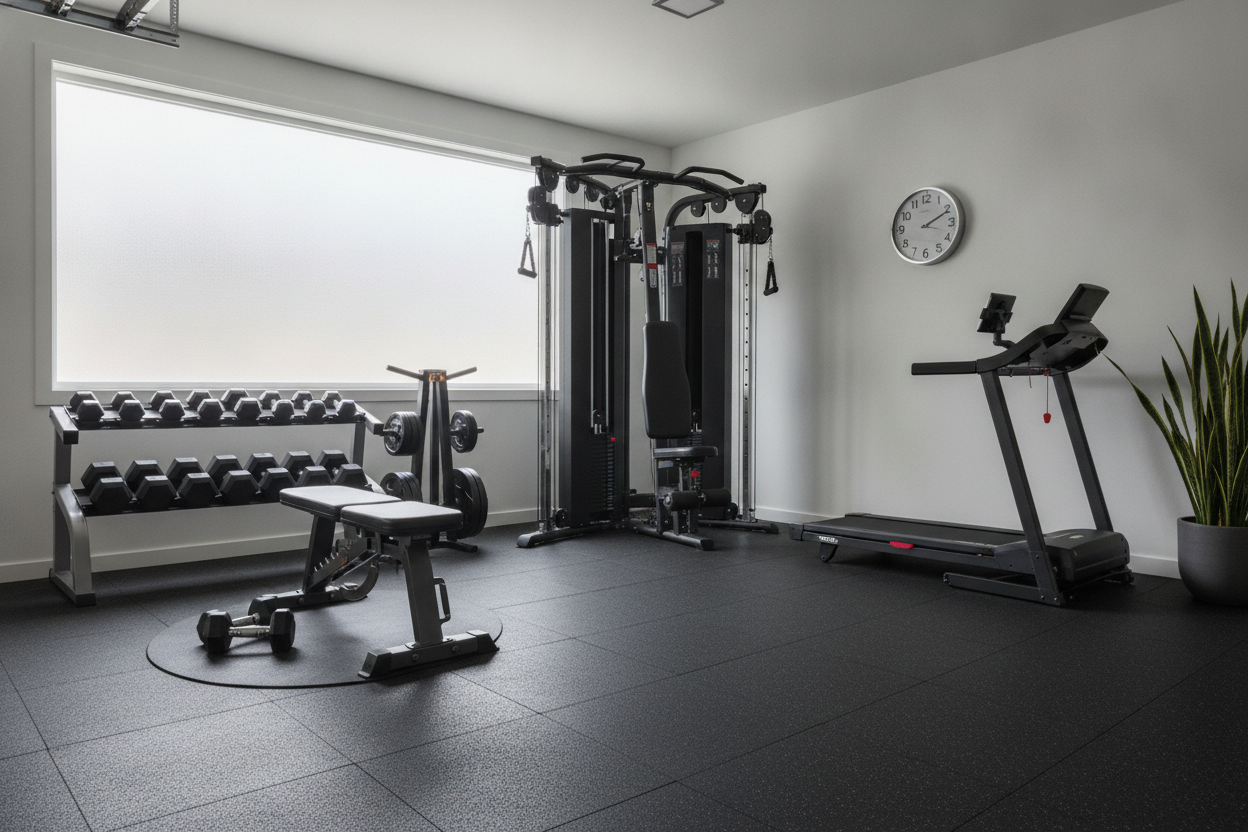
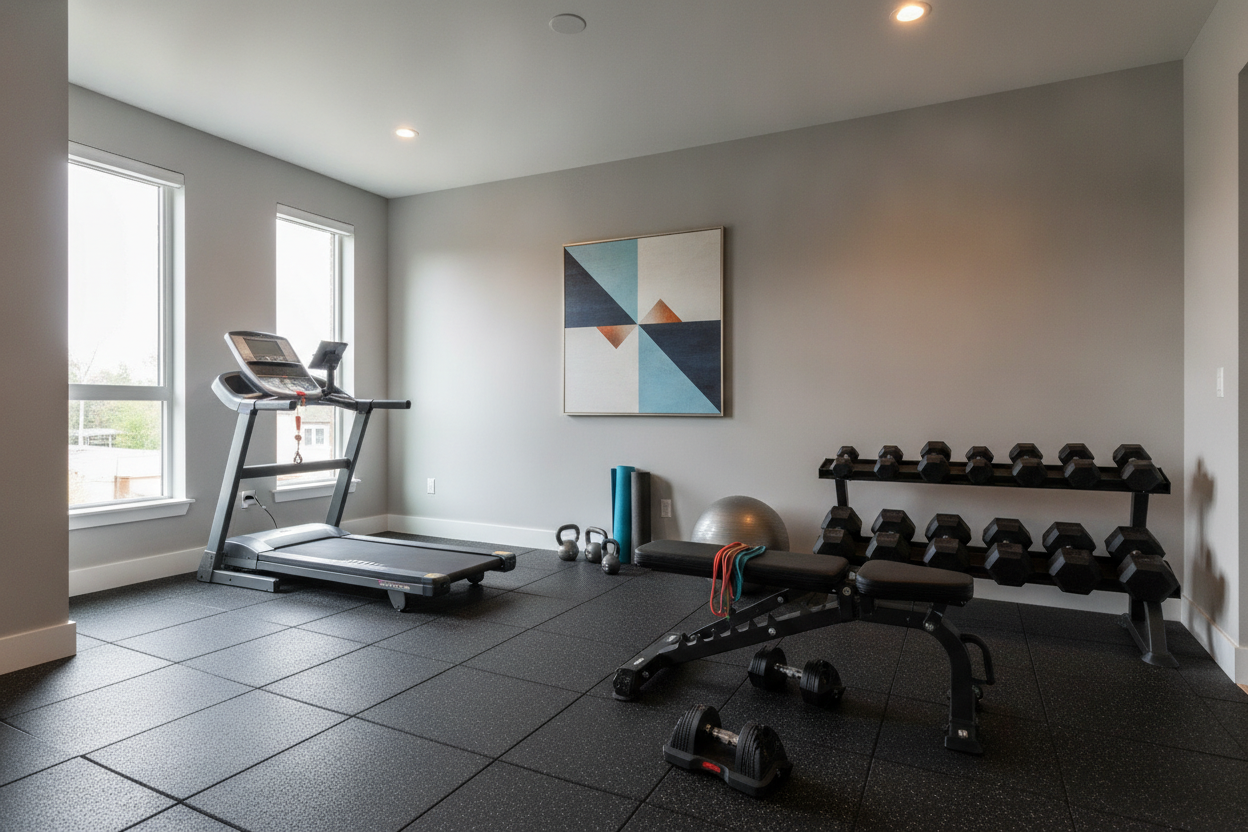
Before you pick up a single weight, look at your floor. Most home injuries for the over 70 crowd don't happen because a weight was too heavy; they happen because someone slipped on a loose rug or a slick hardwood floor. If you're serious about fitness after 70, you need a dedicated, non-slip zone. I’ve seen people try to do lunges on a yoga mat that slides across the floor like a magic carpet. That is a recipe for a torn meniscus.
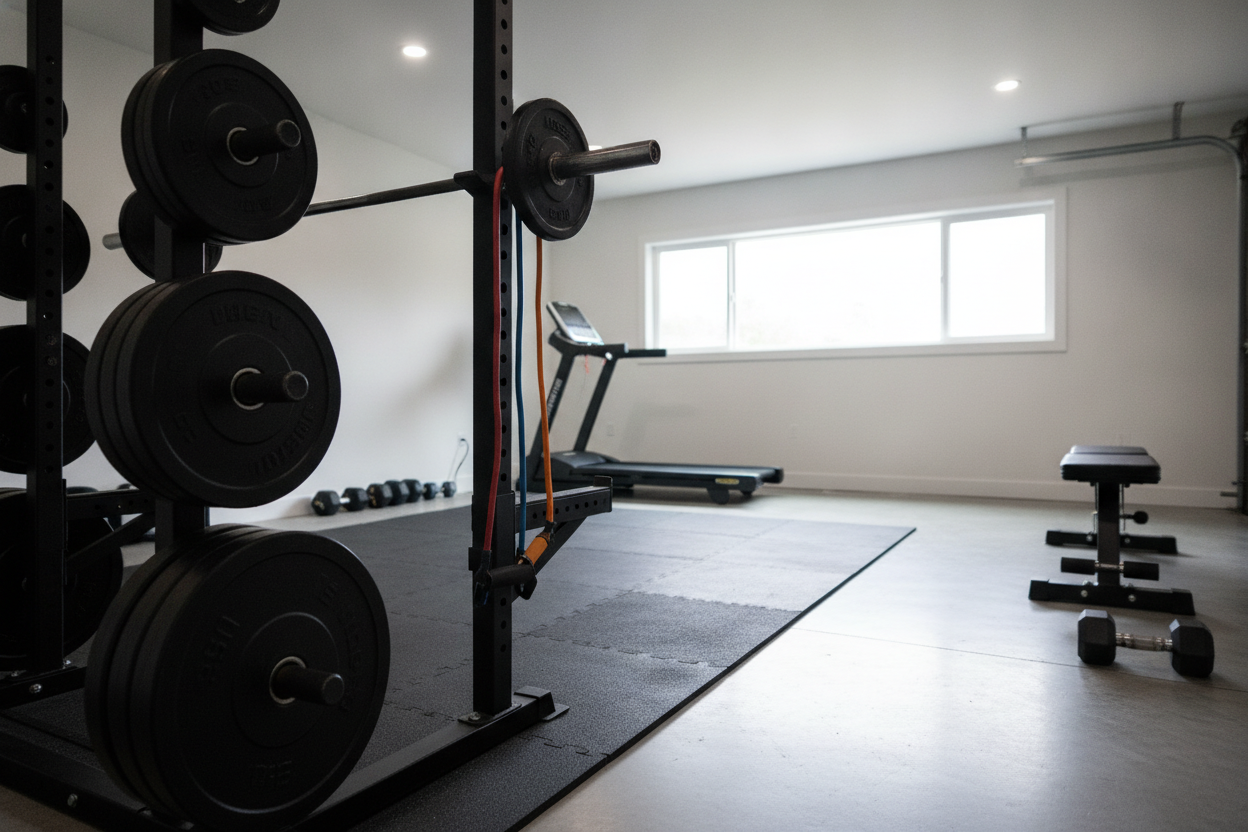
Invest in a high-density, large exercise mat for home gym use. You want something that stays put and provides enough 'bite' for your sneakers. I personally recommend a 6x8ft exercise mat because it gives you enough space to take a wide stance or perform lateral movements without stepping off the edge. Having a consistent, high-traction surface gives you the confidence to move with intent rather than shuffling your feet in fear of a slip.
Three Movements That Actually Matter Now
Forget the complicated machines. There are three movements that define fitness for over 70s. First: the box squat. This is just sitting down on a sturdy bench or chair and standing back up without using your hands. If you can do this with a 15-lb kettlebell at your chest, you’ve secured your independence for another decade. Second: the farmer’s carry. Pick up two moderately heavy weights and walk for 50 feet. This builds grip strength, which is a massive predictor of mortality, and stabilizes your shoulders.
Third: the hinge. This is the 'picking things up' movement. Instead of rounding your back, you push your hips back like you're trying to close a car door with your butt. Mastering the hinge is the best exercise for 70 year olds because it protects the lower back. When you combine these three, you aren't just 'working out'; you're bulletproofing your body against the standard indignities of aging. This is what it means to be fit after 70.
How to Start Without Wrecking Your Joints
The biggest mistake I see is the 'Monday Morning Warrior' approach. You decide to get in shape at 70 and try to do the same routine you did at 40. Your tendons aren't going to like that. Start with bodyweight only. Focus on perfect form—chest up, knees tracking over toes, spine neutral. Once you can do 15 perfect squats, then you add 5 pounds. Then 10. There is no rush, but there must be progress.
Also, keep your data simple. I swapped my fitness apps for a basic logbook years ago, and I suggest my older clients do the same. You don't need a heart rate monitor telling you that you're stressed; you need to see that you lifted 5 more pounds this week than you did last month. Consistent, simple iron beats a 'smart' workout every day of the week. Focus on the feeling of the weight and the quality of your movement.
My Honest Experience
I once trained my Uncle Frank, who was 72 at the time. I made the mistake of thinking he needed 'special' senior modifications for everything. I had him doing wall push-ups and balance drills on a foam pad. He hated it. He told me he felt like he was back in a physical therapy clinic after his knee surgery. The moment I put a light barbell in his hands and taught him to deadlift, his entire demeanor changed. He felt capable again. The downside? I didn't check his overhead mobility well enough, and he strained a shoulder trying to press. I learned that day: load the legs and hips heavily, but be very, very conservative with the shoulders.
FAQ
Is it safe to lift weights at 70?
Yes, and it's actually safer than not lifting. Sarcopenia (muscle wasting) is a bigger threat to your safety than a 10-pound dumbbell. Just start light and prioritize form.
How many days a week should an over-70 person workout?
Three days a week of strength training is the sweet spot. It gives your central nervous system and joints 48 hours to recover between sessions, which is crucial as we age.
Do I need a squat rack for a workout for 70 year olds?
Not necessarily. You can do a lot with a sturdy chair and a pair of adjustable dumbbells. A rack is great if you want to go heavy, but 'goblet' style exercises are usually enough for home maintenance.