Are the Best Exercises to Gain Strength Really This Boring?
I have spent the last decade in a garage gym that smells like old rubber and stale coffee. I have tested every 'revolutionary' piece of gear that has crossed my social media feed, from vibrating foam rollers to cable machines that look like they belong on a spaceship. After loading, testing, and dropping more iron than most commercial gyms own, I have realized a hard truth: the best exercises to gain strength are the ones that make you want to check your phone out of pure boredom.
We have been conditioned to crave variety. We think that if we are not 'confusing' our muscles with a new variation every Tuesday, we are plateauing. That is a lie sold by people trying to sell you a new app subscription. Real strength is built on the back of repetitive, heavy, and frankly dull movement patterns. If your workout feels like a circus act, you are probably not getting stronger; you are just getting better at being a performer.
- Compound movements beat isolation every single time.
- Stability is the prerequisite for force production.
- Progressive overload requires a measurable, repeatable baseline.
- Equipment quality matters when you are moving heavy loads.
Why 'Boring' Always Wins in the Garage Gym
Mechanical tension is a cold, hard scientist. It does not care if you are bored. It does not care about your 'flow state' or whether you have a cool transition for your TikTok. Your muscle fibers respond to load and tension. When you perform the same movement pattern for the 500th time, your central nervous system (CNS) stops panicking and starts optimizing. This efficiency is exactly how you move from a 225-lb squat to a 405-lb squat.
The fitness media thrives on novelty because 'do the same five things for three years' does not generate clicks. But in my experience, the guys with the most impressive home gyms and the strongest totals are the ones with a power rack, a barbell, and a pile of plates. They are not doing 45-degree-angle-cable-flyes. They are doing the same best exercises for building strength that were popular in the 1970s. Repetition is the mother of mastery, and in the world of iron, mastery equals power.
The Real Mechanics Behind Good Muscle Exercises
What actually makes a movement effective for raw power? It comes down to three things: loadability, stability, and recruitment. You want movements that allow you to add weight indefinitely. A bodyweight lunge is great until it isn't. A barbell back squat can be loaded until the bar literally bends. That is the difference between a 'fitness' move and good muscle exercises.
Stability is the hidden driver of strength. Your brain will literally shut down your power output if it feels you are unstable. This is why I always tell people to ditch the Bosu balls. When you use stable, compound movements, you create highly efficient exercises for a full body workout because your entire system—from your grip to your core to your feet—is forced to work as a single unit. If you are wobbling, you are not winning.
The Core Four: Best Exercises for Building Strength
If you want to stop spinning your wheels, you need to build your entire program around four basic patterns. These are the non-negotiables. If these are not in your logbook, you are just exercising; you are not training. They cover every major muscle group and offer the highest return on investment for every minute you spend in the garage.
The Horizontal Press (Bench Variations)
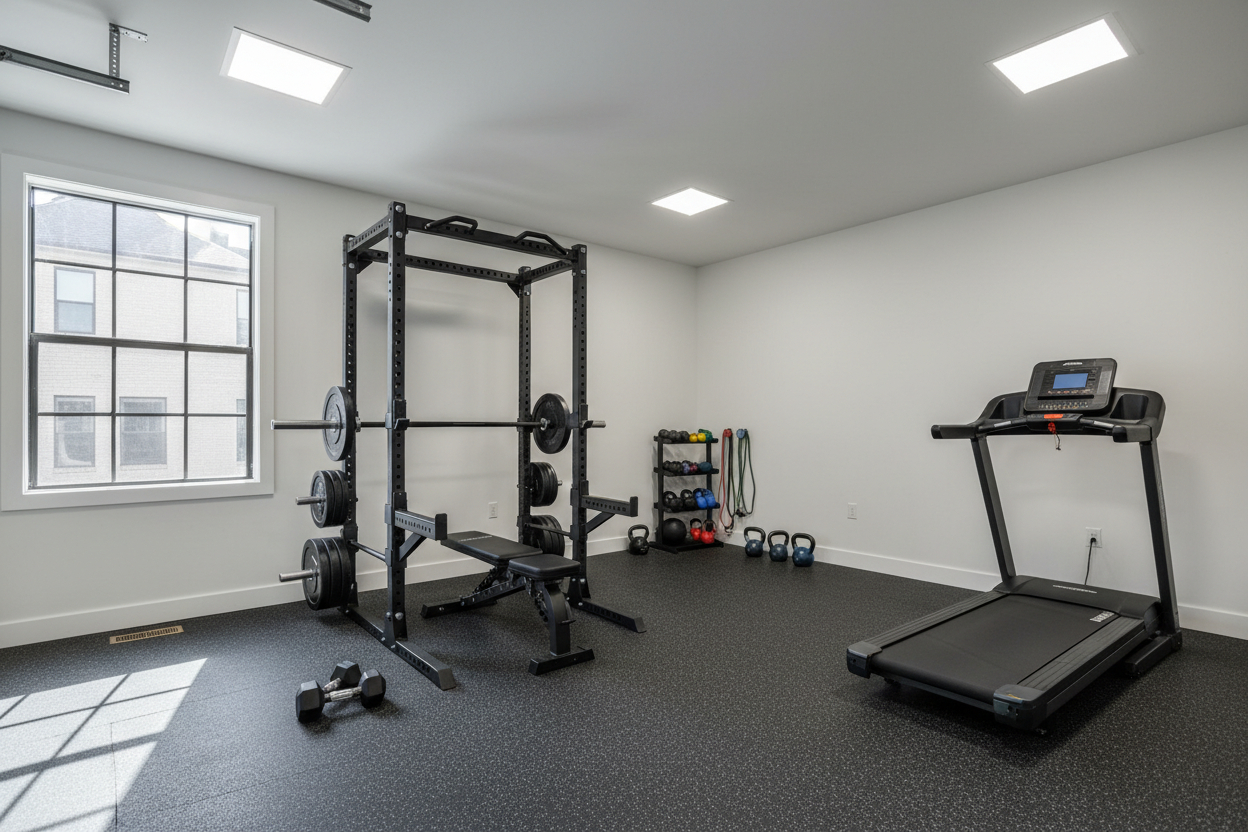
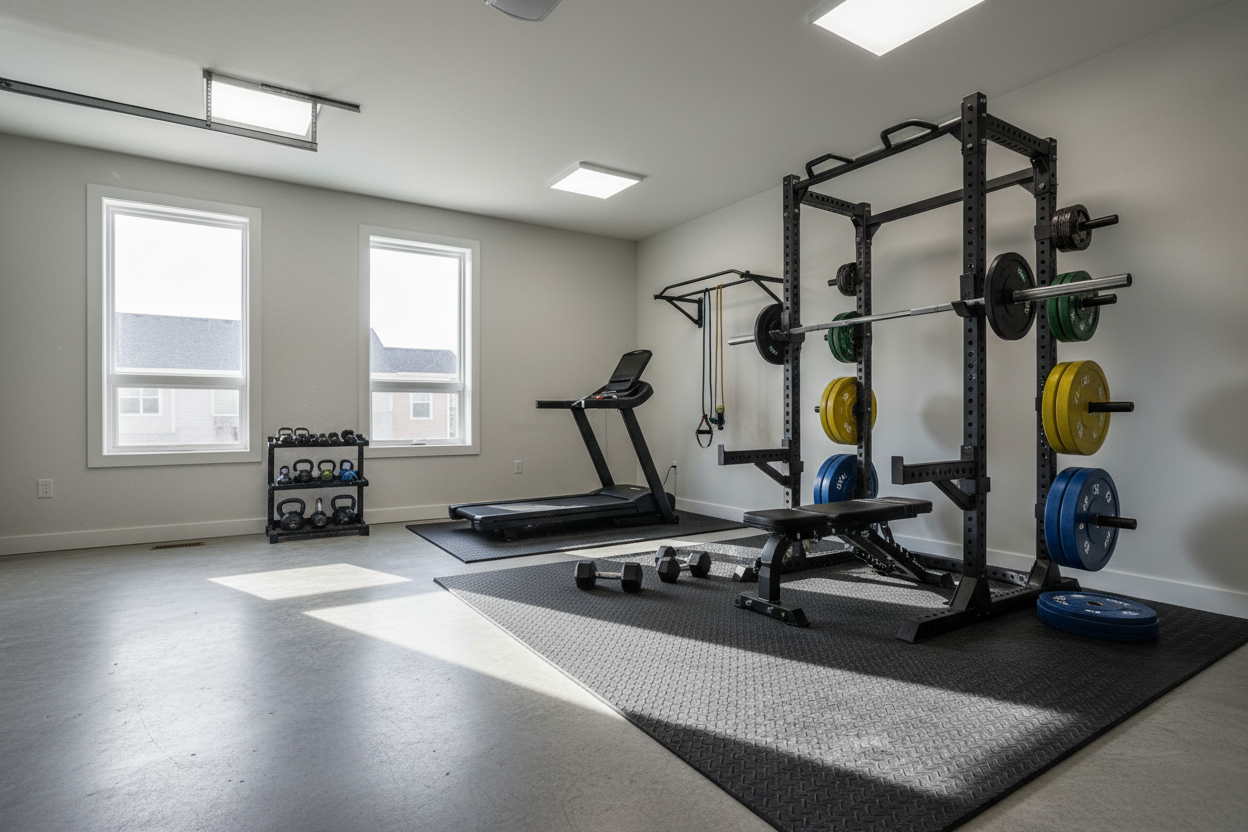
The barbell bench press is the undefeated king of upper body pushing. I have tried the fancy chest press machines that cost $3,000, and they still do not match the raw recruitment of a heavy bench set. When you are looking for chest exercises to build strength, the flat bench allows for the most weight to be moved through a significant range of motion. Use a rack with solid spotter arms—I prefer 3x3 inch steel uprights—so you can push to failure without fear of a trip to the ER.
The Heavy Hip Hinge (Deadlifts)
The deadlift is the ultimate test of 'can you pick this up?' It builds a posterior chain that is bulletproof. Whether you pull sumo or conventional, the goal is the same: move heavy weight from the floor. To keep the focus on your back and hamstrings rather than your grip, do not be afraid to use strength training accessories like figure-8 straps or a high-quality 10mm leather belt. These tools allow you to overload the hinge pattern long after your smaller muscles want to quit.
The Squat Pattern
Whether it is a high-bar back squat or a safety bar squat, putting a load on your spine and sitting down is the fastest way to grow. The squat forces a CNS adaptation that no leg extension machine can mimic. I have found that using a Safety Squat Bar (SSB) is a lifesaver for older lifters or those with shoulder mobility issues. It keeps the weight distributed slightly forward, forcing your upper back to stay tight while your quads do the heavy lifting.
Getting the Most Out of Your Setup
Training at home means you are the head coach and the equipment manager. To make these boring lifts work, you need to prioritize your gear. Invest in strength equipment that is rated for at least 1,000 lbs. Even if you are not lifting that much yet, the lack of 'flex' in a high-quality bar or rack provides the stability your brain needs to let you push your limits. I have used cheap, 1-inch diameter bars that felt like pool noodles; they are a one-way ticket to a wrist injury.
Keep your rep ranges simple. Stay in the 3 to 6 rep range for your main lifts to focus on neurological strength. Rest periods should be long—three to five minutes. This is not cardio. If you are not bored during your rest periods, you are not lifting heavy enough. Put on a podcast, sit on your bench, and wait until your heart rate settles before you attack the next set.
Stop Entertaining Yourself, Start Lifting Heavy
The biggest mistake I see is people changing their program because they 'stopped seeing results' after three weeks. Strength does not work like that. It is a slow, grinding process of adding 2.5 lbs to the bar every week. I challenge you to pick these boring lifts, stick to them for 12 weeks without adding any 'fancy' variations, and watch your numbers skyrocket. Stop looking for entertainment in the gym and start looking for progress.
Personal Experience: The 'Revolutionary' Trap
I once spent a significant chunk of my gear budget on a multi-functional cable station that promised it could replace my rack. It had 50 different attachments and 'unlimited' movement possibilities. I spent more time switching pins and adjusting pulleys than I did actually lifting. My strength plummeted. I felt 'pumped' but I wasn't powerful. After six months, I sold it on Craigslist, bought a second-hand Ohio Bar and a sturdy flat bench, and hit a PR within three weeks. That was the day I realized that complexity is the enemy of strength.
FAQ
Do I really need to do the same exercises every week?
Yes. If you want to get stronger, you need to get better at the movement. You cannot measure progress if the variables are always changing. Stick to the basics for at least 8-12 weeks before swapping a variation.
What if I don't have a spotter for benching?
Use a power rack with safety pins or flip-down safeties. Set them just below your chest level so if you fail, you can exhale and let the bar rest on the steel, not your ribs. Never bench alone without safeties.
Can I gain strength with just dumbbells?
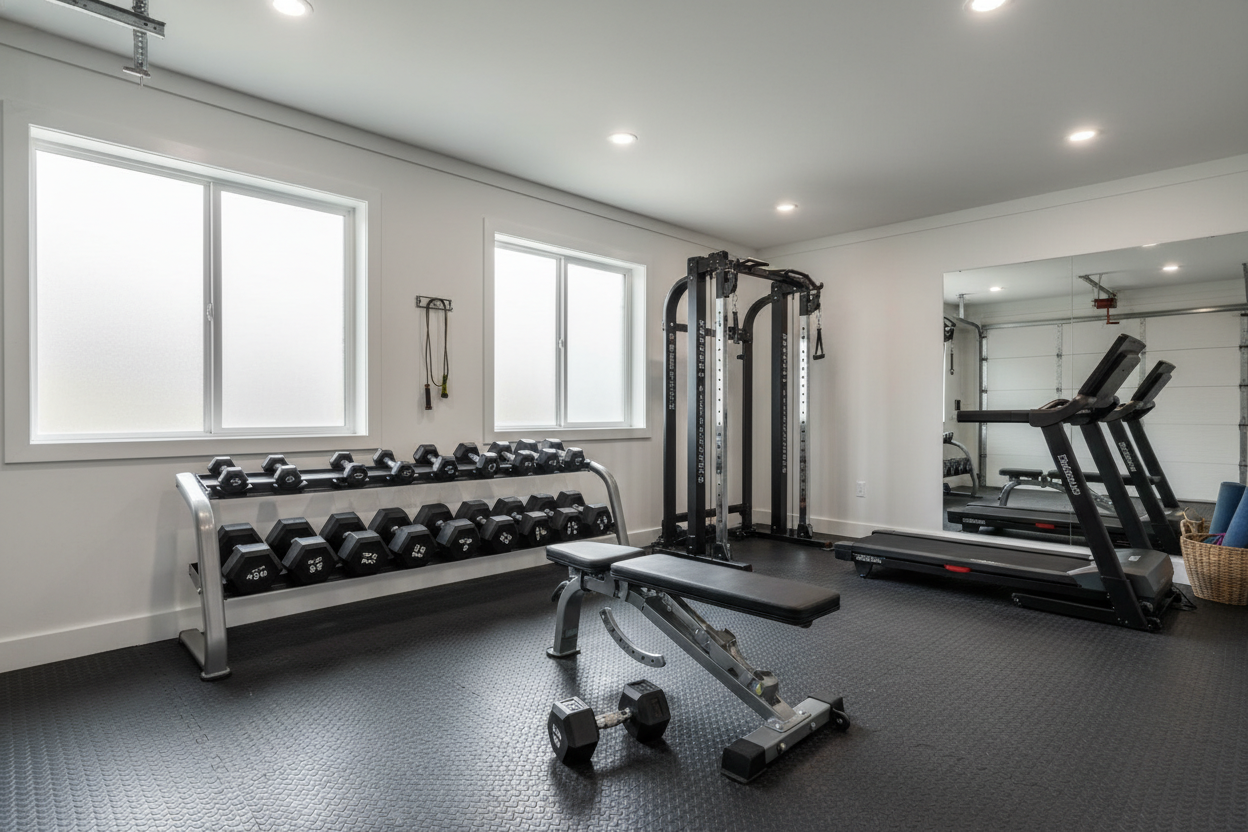
You can, but it is harder to 'micro-load.' Adding 5 lbs to a barbell is easy; jumping from 80-lb dumbbells to 85-lb dumbbells is a massive 6.25% increase per hand. Barbells are the most efficient tool for incremental strength gains.