Are Hip Thrust Effective, Or Can I Just Stick to Deadlifts?
I remember the first time I saw someone doing hip thrusts in my old commercial gym. It looked ridiculous—just a person sitting on the floor, shoving a padded barbell into their lap, and aggressively thrusting toward the ceiling. At the time, I was convinced it was just for the 'belfie' crowd and that my heavy deadlifts were all I needed for a strong posterior chain. I was wrong.
After years of testing gear and programming for strength, I've had to eat my words. If you're wondering are hip thrust effective, the answer isn't just a simple yes; it's a 'why aren't you doing them yet?' But there is a catch. The setup is a pain, the movement is awkward, and if you do it wrong in a home gym, you'll end up with a hole in your drywall or a tipped-over bench.
Quick Takeaways
- Glutes reach peak tension at the top of a thrust, unlike squats where tension drops at lockout.
- They are easier on the lower back than heavy deadlifts, allowing for more volume.
- Setup is the biggest hurdle for home gym owners.
- They are scientifically superior for isolating the gluteus maximus.
The Elephant in the Room: Why Everyone Is Doing Them
The explosion of this lift isn't just Instagram hype. For a long time, the fitness world assumed that if you wanted big glutes and a powerful lower body, you just had to squat deep. While I'll never tell you to stop squatting, the physics of a squat don't actually favor the glutes at the top of the movement. Most people ask is hip thrust a good exercise because they want to know if the 'burn' they feel is actually translating to strength.
In my experience, the carryover to functional power is massive. Whether you're trying to improve your sprint speed or just want to fill out a pair of jeans, the hip thrust targets the glutes in a way that vertical loading simply cannot. It has moved from a 'glute day' accessory to a staple in many professional strength programs because it works without taxing the central nervous system as heavily as a 500-lb pull.
The Biomechanics: What Makes This Awkward Lift Work?
The magic is in the horizontal force production. When you squat or deadlift, the resistance is vertical. Gravity is pulling that bar straight down toward your midfoot. In a hip thrust, the weight is resting directly on your pelvis. This creates a leverage disadvantage for your glutes that forces them to work at their maximum capacity right at the point of full hip extension.
When we debate if this is a compound exercise, or just a glute isolator, we have to look at the secondary movers. You're using your hamstrings, your core to stabilize, and even your adductors. So, how effective are hip thrusts compared to a leg press? It's not even a contest. The thrust allows for a much higher degree of glute activation because the knees stay bent, which keeps the hamstrings from taking over the movement.
Squats vs. Thrusts: Are They Actually Mandatory?
I used to be a purist. I thought if you could pull five plates, your glutes were fine. But I noticed my deadlift lockout was always the sticking point. Once I added heavy thrusts, that lockout became a non-issue. The glutes are capable of moving a staggering amount of weight the human hips can move, often far exceeding what a lifter can squat.
So, are hip thrust necessary? If your goals are purely general health, maybe not. You can get by with lunges and hinges. But if you want to maximize hip power or aesthetic development, you're leaving gains on the table by skipping them. The glutes are the largest muscle group in your body; treating them like an afterthought is a mistake I made for way too long.
Setting Up at Home Without Ruining Your Gear
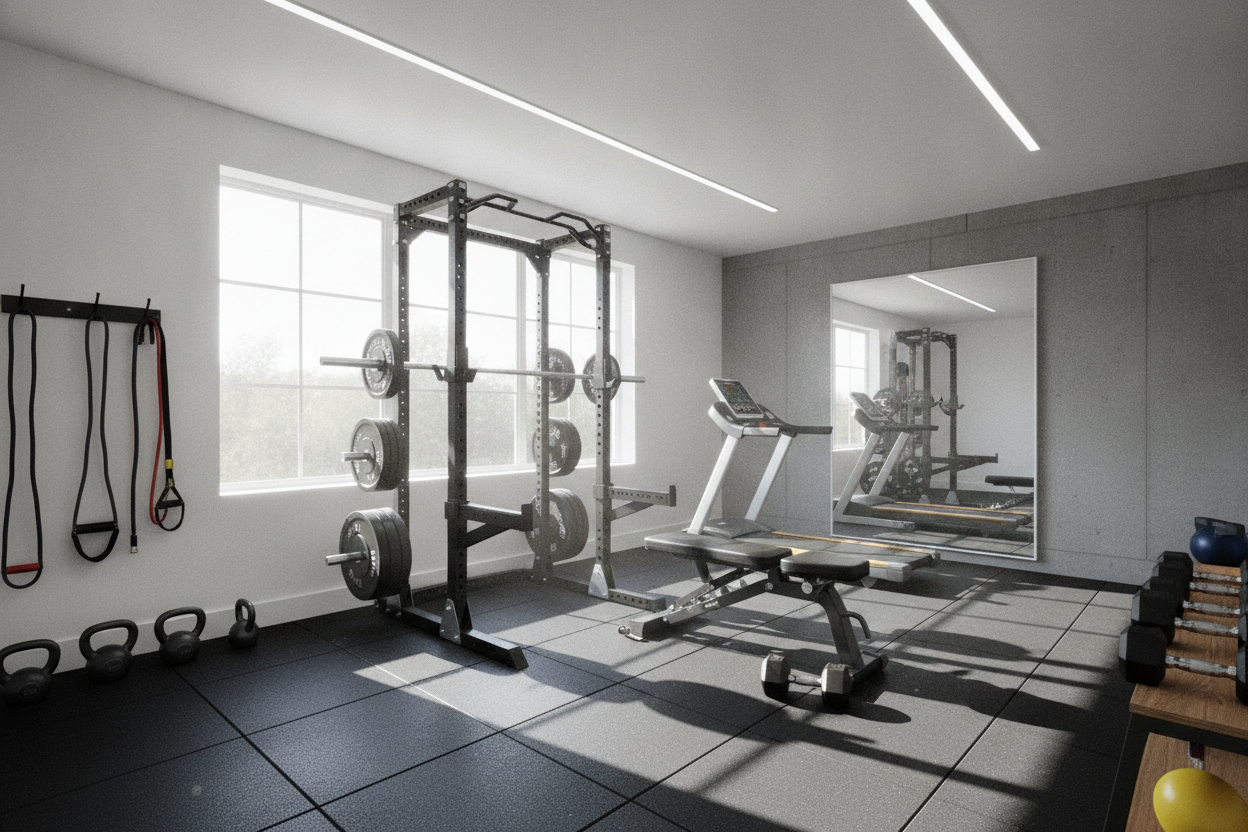
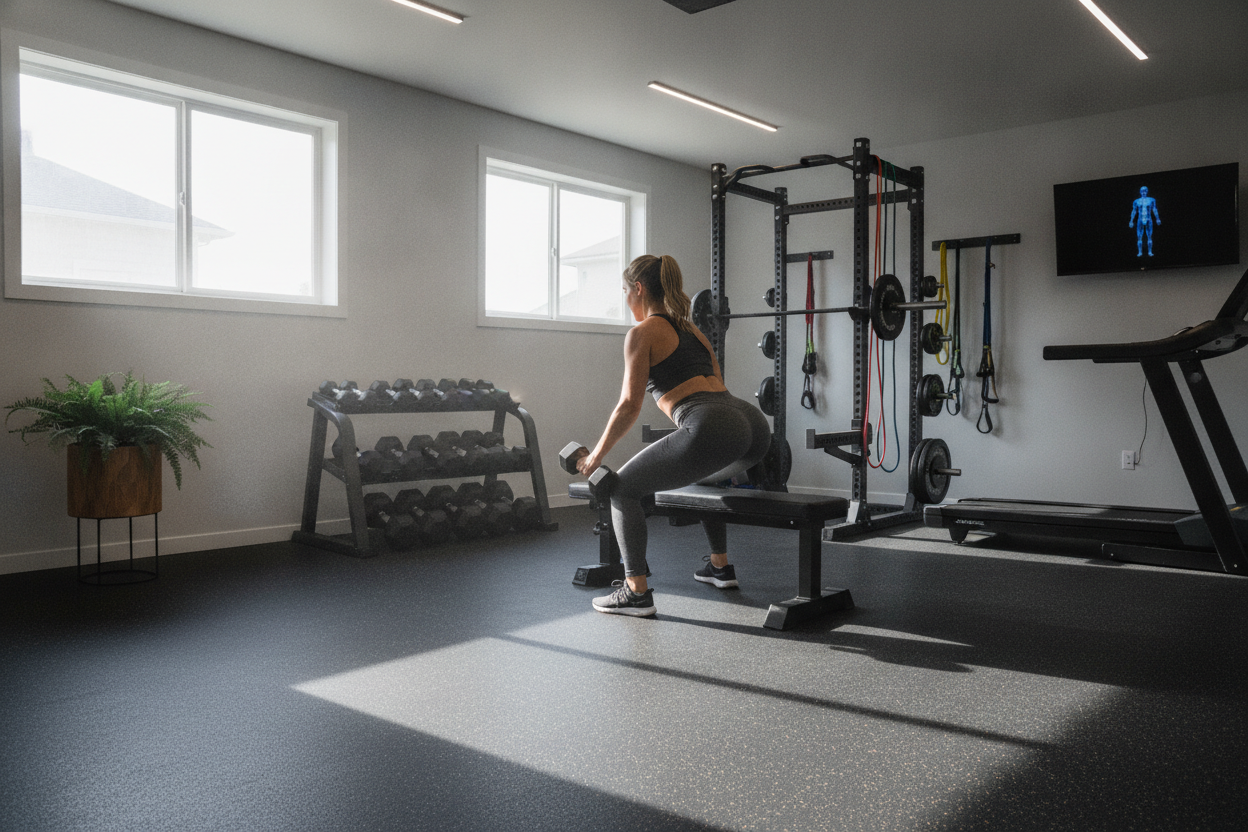
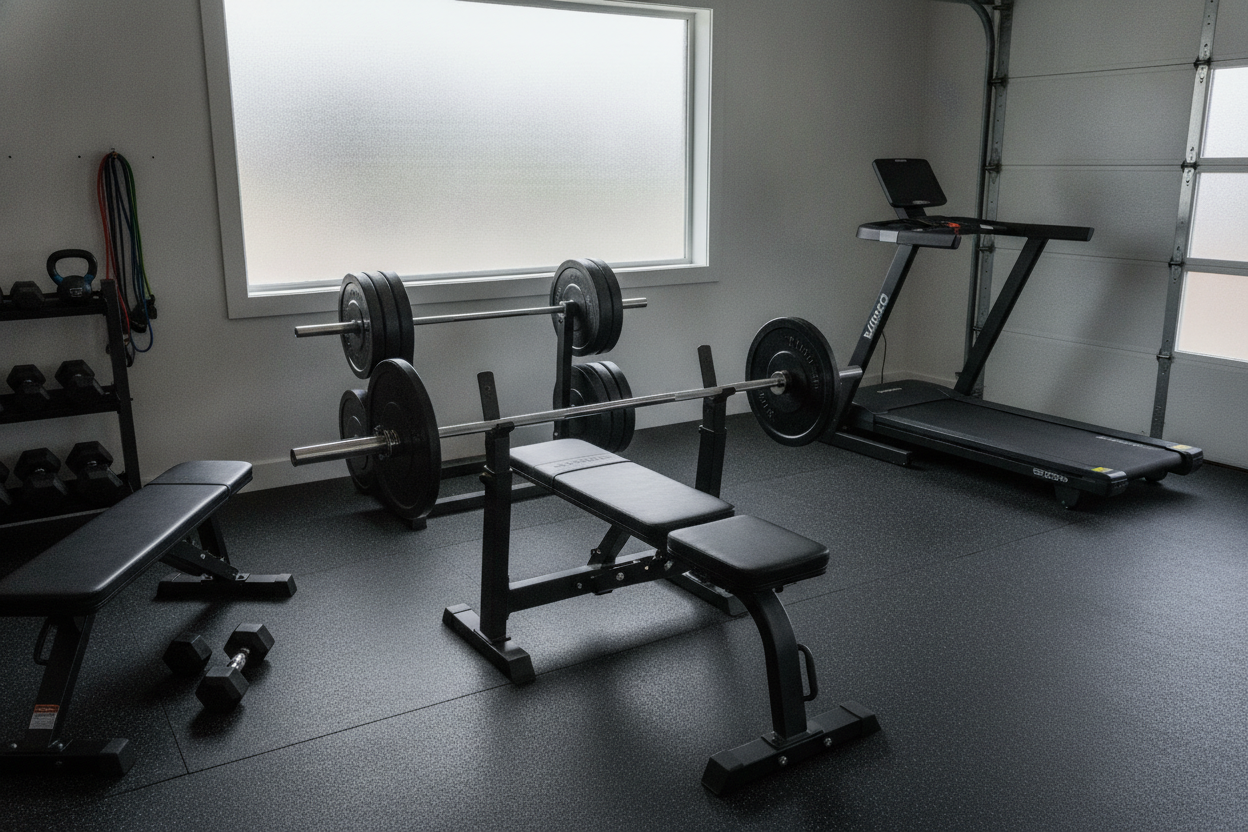
Here is where it gets real for the garage gym crew. Setting up a barbell on a standard flat bench is a recipe for disaster. I’ve had benches slide across my stall mats and nearly tip over when the weight got over 315 lbs. If you're serious about this, I highly recommend a dedicated hip thrust bench. These are lower to the ground and have a wider footprint, so they don't move when you're driving your back into them.
Also, please don't drop 400 lbs of iron directly onto your garage floor. Even with decent concrete, the concentrated pressure of a hip thrust can cause issues over time. I always use a heavy-duty exercise mat under my setup. It saves the floor and keeps the plates from rolling away while you're trying to wiggle your legs under the bar. Trust me, the 'barbell wiggle' is the least dignified part of the workout; don't make it harder by having the bar roll away on a slick floor.
The Final Verdict: Worth the Setup Time?
If you have the space and the patience for the setup, do them. I personally program them once a week as a secondary lift. My honest take? They are the most effective way to build glute mass and lockout strength, but they are also the most annoying lift to prepare for. If you're short on time, a heavy kettlebell swing or a Romanian deadlift is a decent substitute, but they won't give you that same peak contraction.
FAQ
Do I need a bar pad?
Yes. Don't be a hero. A heavy barbell across your hip bones without a pad is excruciating and will leave bruises that last for weeks. Get a thick, high-density foam pad.
Can I do these with dumbbells?
You can, but you'll outgrow them fast. Once you get past a 60-lb dumbbell, it becomes hard to balance on your lap. The barbell is the gold standard for a reason.
How high should my bench be?
Most standard benches are about 17 inches, which is actually a bit too high for many people. Ideally, you want something around 12 to 14 inches so your shoulder blades can pivot comfortably.