Are Front Delt Cable Exercises Actually Worth Your Time?
I spent years thinking my shoulders were 'weak' because my front delts didn't pop like a pro bodybuilder's. I'd finish a heavy bench session and then grind through four sets of heavy dumbbell raises, wondering why my AC joints felt like they were filled with crushed glass. The truth is, most of us are overworking the anterior deltoid without actually challenging the muscle where it counts.
If you're already hitting heavy overhead presses and incline bench, front delt cable exercises might seem like overkill. But after testing dozens of pulley setups in my own garage, I've found that the right cable movement can do what a dumbbell simply can't: provide constant tension through the entire range of motion.
Quick Takeaways
- Most lifters don't need direct front delt work if they press heavy twice a week.
- Cables are superior to dumbbells because they eliminate the 'dead zone' at the bottom of the lift.
- Facing away from the pulley is the gold standard for tension and joint safety.
- Stick to high reps (12-15) to avoid irritating the shoulder capsule.
The Elephant in the Room: Do Your Front Delts Need More Volume?
Look at your program. If you're doing flat bench, incline work, and some form of overhead press, your front delts are already screaming. They are the primary movers in almost every anterior pressing movement. Adding three variations of front delt exercises cable style on top of that is a fast track to tendonitis.
I usually tell people to skip isolation work entirely if their bench is still progressing. However, if you're a hypertrophy nut or you find your chest takes over too much on presses, isolation becomes a tool. The key isn't more volume; it's better tension. You don't need 10 sets. You need two sets that actually burn.
Why Pulleys Outperform Dumbbells for Anterior Isolation
Dumbbells are great for a lot of things, but front raises aren't one of them. When you hold a dumbbell at your side, there is zero tension on the delt. Gravity is pulling the weight straight down through your arm into the floor. You don't hit the 'work' phase until the weight is about 30 degrees out.
With cable front delt exercises, you can set the pulley low and step forward. This creates a diagonal line of pull that keeps the muscle loaded from the very first inch of movement. You're fighting the weight at the bottom, the middle, and the top. This constant mechanical tension is the secret sauce for growth without needing to swing 50-lb dumbbells like a maniac.
The Only 3 Cable Setups That Make Sense
I've tried every weird angle possible, and most of them just hurt. Stick to these three. First, the facing-away rope raise. Stand with the cable between your legs, grab the rope, and walk out until the weights are off the stack. Lean slightly forward and raise. It’s stable and keeps the shoulders in a neutral, safe position.
Second, the cross-body single-arm pull. Stand sideways to the machine and reach across your body to grab a D-handle. This hits the front delt from a slightly different angle and is great for people with narrow shoulders. Third, the low-pulley D-handle raise. It’s basic, but it works. The key is to keep your palm facing down or slightly inward to avoid that nasty 'clicking' feeling in the joint.
How to Rig These Up in a Standard Garage Gym
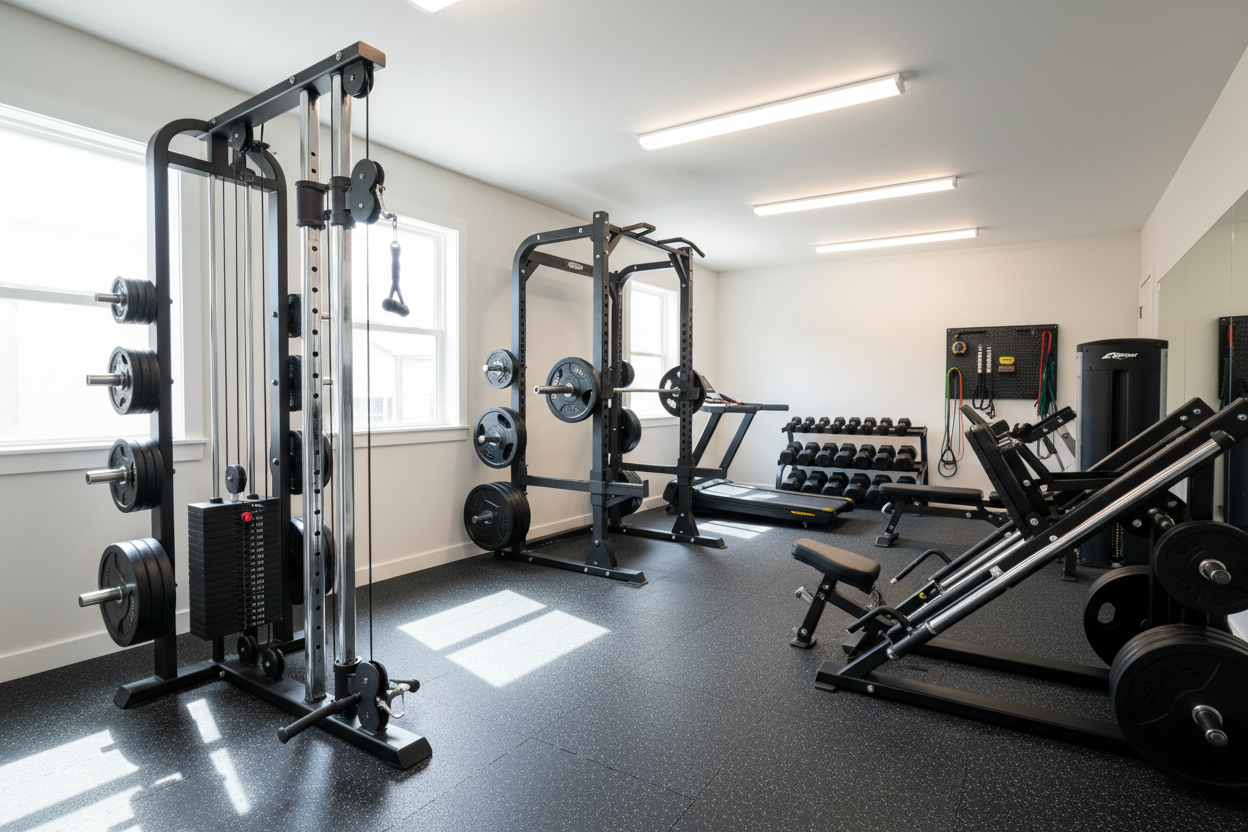
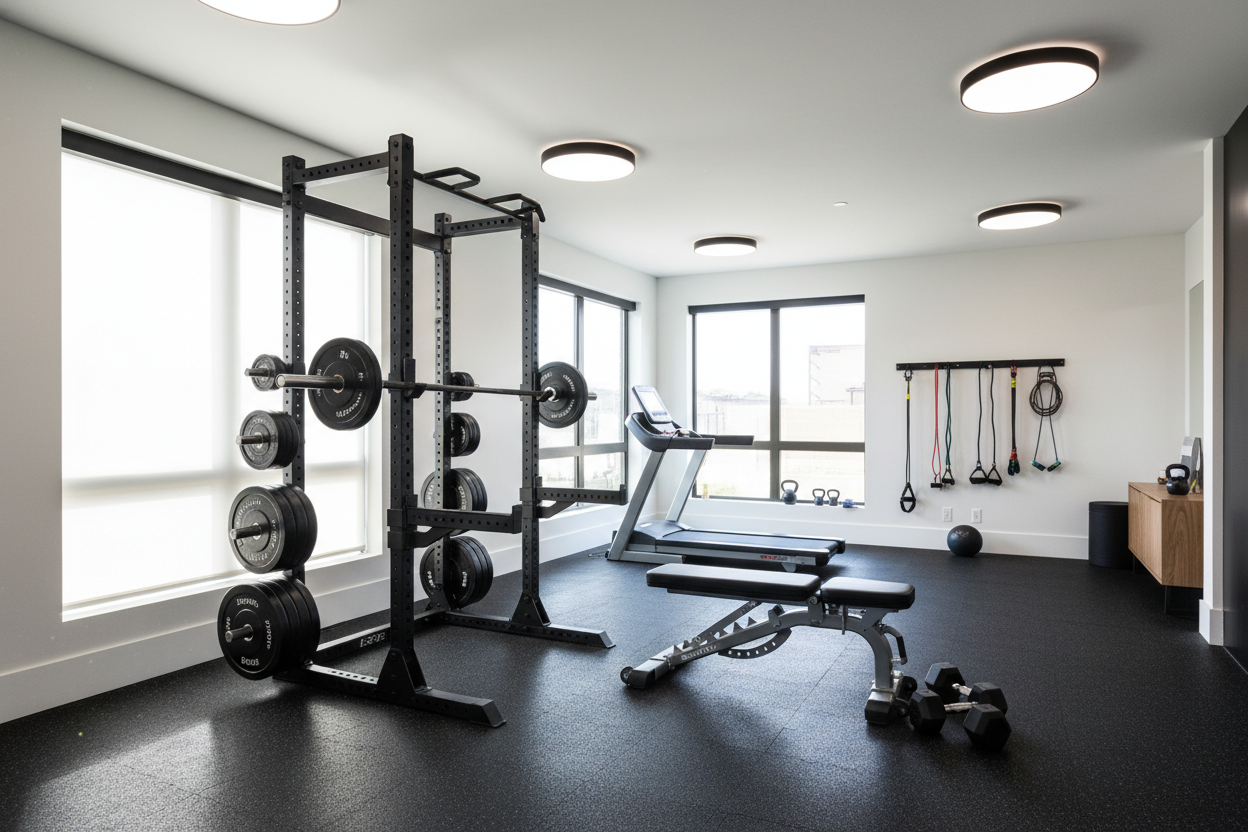
You don't need a $3,000 functional trainer to do this right. A simple wall-mounted pulley or even a plate-loaded lat pulldown with a low row attachment works fine. The main thing is positioning. You want the pulley set at the lowest point, and you need enough floor space to step at least three feet away from the stack.
If you're still on the fence about adding a pulley system to your rack, ask yourself if you're tired of plateauing on accessory work. I wrote a whole breakdown on whether a cable exercises machine is it worth the home gym investment for a small space. For front delt work specifically, the fluidity of a high-quality cable beats a cheap Amazon pulley every time.
Personal Experience: My Shoulder Mistake
A few years back, I was obsessed with 'finishing' my shoulder days with heavy front raises. I was swinging 60-lb dumbbells, using a ton of momentum, and my front delts weren't getting any bigger—but my rotator cuffs were getting a lot angrier. I swapped to single-arm cable raises with a slow 3-second eccentric. The pump was localized, the joint pain vanished, and I actually saw separation for the first time. Lesson learned: tension beats ego weight.
FAQ
Can I do these with resistance bands?
You can, but the resistance profile is the opposite of what you want. Bands get hardest at the top where you're weakest. Cables provide the same weight throughout, which is much better for muscle growth.
Should I use a straight bar or a rope?
Use a rope. A straight bar forces your wrists into a fixed position that can put weird torque on your elbows and shoulders. The rope allows your hands to move naturally.
How many times a week should I train front delts?
Directly? Once is plenty. Indirectly? They get hit every time you push something. If you're doing them more than twice a week, you're likely overtraining.