Are All Forms of Strength Training Actually Created Equal?
I remember sitting in my garage in 2020, staring at a set of $20 resistance bands I bought off Amazon, genuinely trying to convince myself they were just as good as the 45-lb iron plates I couldn't find anywhere. I spent six months 'pumping' away with rubber tubes, only to realize I’d lost significant top-end power the second I touched a barbell again. It was a harsh lesson: not all forms of strength training are created equal, no matter what a celebrity trainer tells you on Instagram.
- Barbells and dumbbells provide the highest mechanical tension for raw growth.
- Machines are superior for isolating muscle groups without burning out your CNS.
- Bodyweight training is excellent for joint health but notoriously difficult to load.
- Bands and chains are accessories, not foundational tools for building mass.
Stop Pretending All Resistance Is the Same
There is a popular myth that your muscles 'don't know the difference' between a barbell and a resistance band. That’s nonsense. Your muscles might not have eyes, but they have mechanoreceptors that are very sensitive to the magnitude of tension. The strength exercise type you choose determines your ceiling for progress.
If you choose a modality with a shallow progression curve, you’ll plateau in weeks. If you choose one that allows for infinite micro-loading, you can progress for decades. Choosing the right type of strength training is the difference between looking like you lift and just being the guy who gets sweaty in his garage three times a week.
The Three Major Types of Strength Training Exercises
To build a physique that actually performs, you need to understand the hierarchy of three major types of strength training exercises. Every program worth its salt is built on these three pillars, ranked by their ability to force your body to adapt.
Free Weights: The Unchallenged Kings of Raw Power
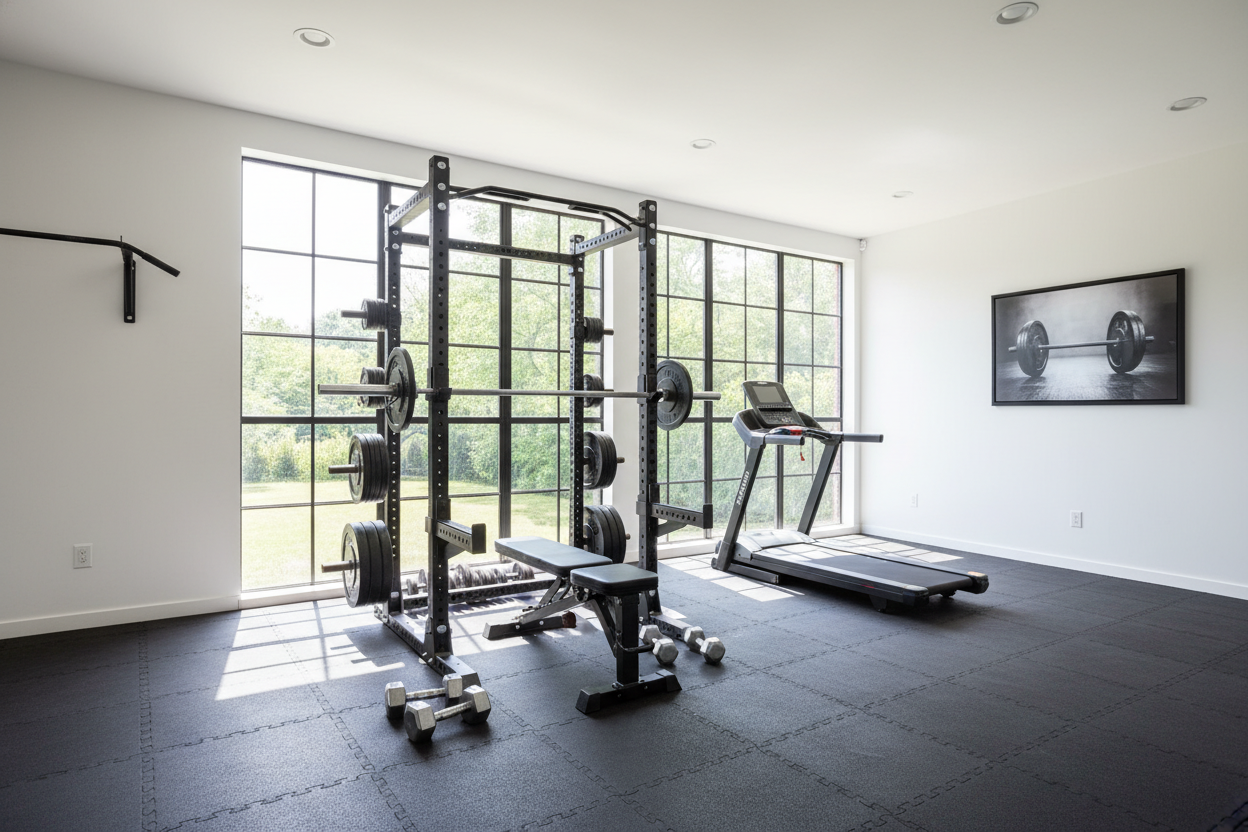
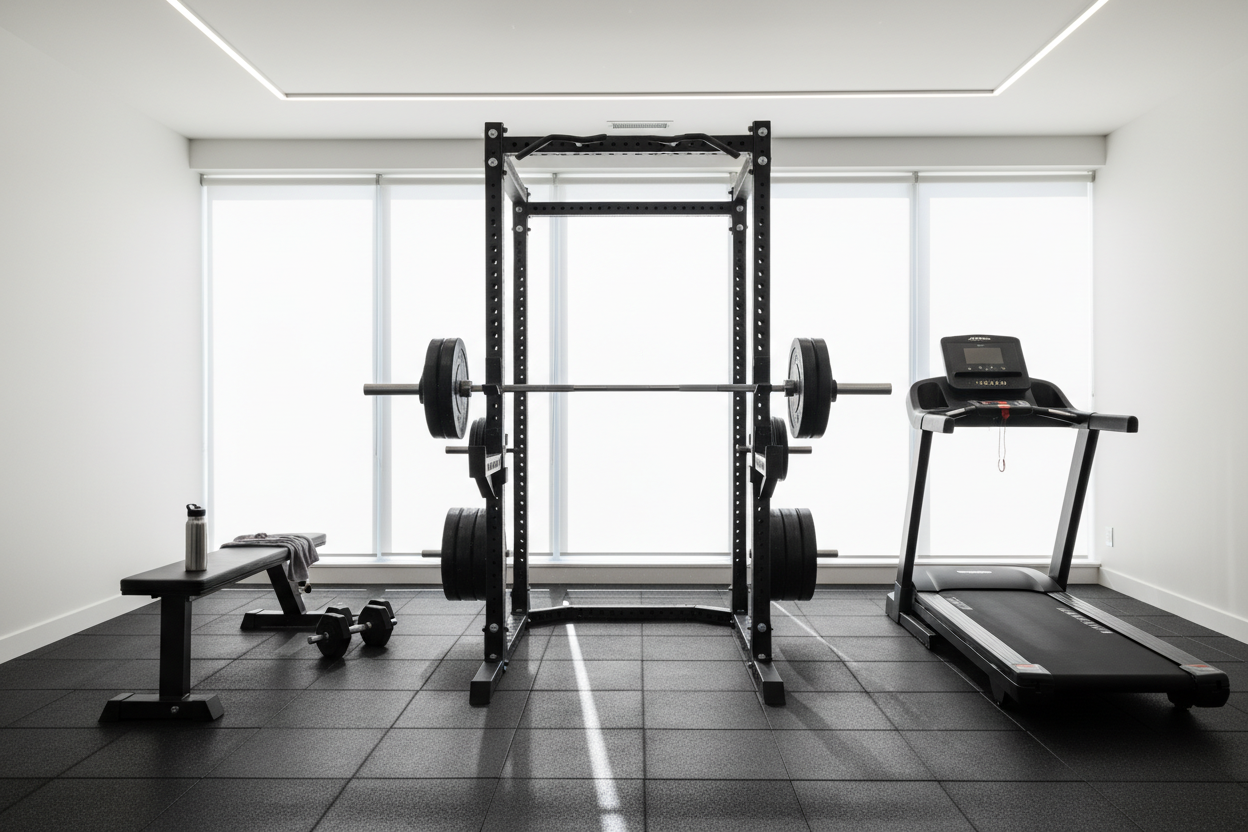
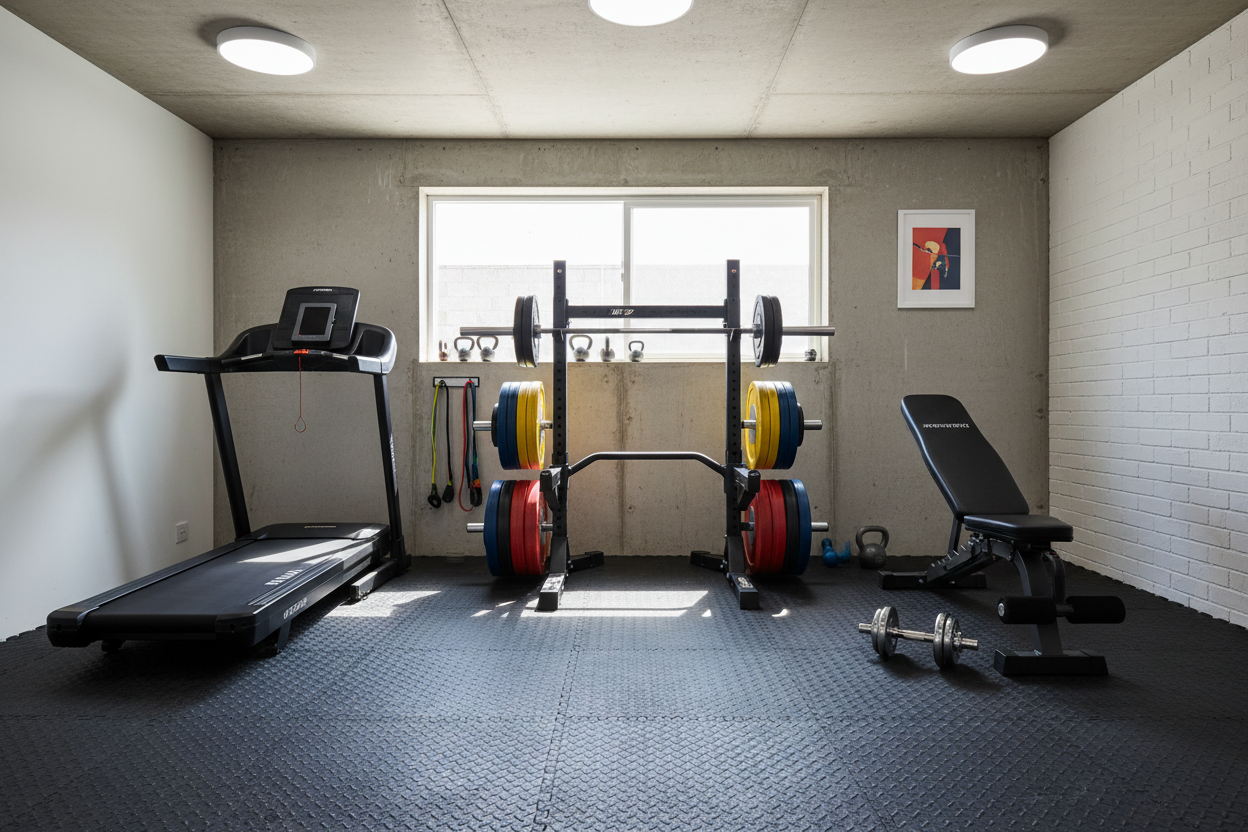
Nothing beats iron. Barbells and dumbbells are the gold standard because they force you to stabilize the load while moving through space. When you’re squatting 315 lbs, your core, your grip, and your stabilizer muscles are all screaming. This is why investing in basic strength equipment is the smartest move you can make for a home gym.
Free weights allow for 'micro-loading'—adding those tiny 1.25-lb plates to the bar. That incremental progress is what builds dense muscle. If you can’t measure it down to the pound, you aren't really training for strength; you’re just exercising.
Machines and Cables: The Isolation Specialists
I used to be a free-weight elitist until I realized my lower back was giving out long before my quads on high-rep sets. That’s where this strength training type shines. Machines remove the stability requirement, allowing you to drive a muscle to absolute failure without your form breaking down.
Cables are particularly good for fixing tension leaks that happen during free-weight movements. Think about a dumbbell fly—there’s zero tension at the top. On a cable machine, that chest muscle is under fire the entire time. It’s a surgical tool for growth.
Bodyweight: The Master of Convenience (And Its Limits)
Calisthenics is a legitimate strength exercise type, but it has a massive logistical problem: the 'plateau of body mass.' Once you can do 20 perfect push-ups, doing 50 doesn't make you stronger; it just makes you better at doing 50 push-ups. You eventually have to start wearing weighted vests or doing weird gymnastic variations that are hard on the elbows.
What About Bands? The Fringe Strength Exercise Types
Bands, chains, and sandbags fall into the category of 'accommodating resistance.' These are fantastic strength training accessories, but they are terrible foundations. A band is easiest at the bottom and hardest at the top, which is the exact opposite of how your muscles actually produce force.
I use bands to warm up or to add 'extra' tension to a squat, but if bands are your only types of muscle training, you’re leaving 70% of your gains on the table. They lack the consistent, heavy eccentric load required to tear down muscle fibers and trigger repair.
How to Actually Combine These Modalities for Growth
The smartest way to train is to use a 'top-down' approach. Start your session with the heaviest strength exercises types—your big barbell compounds. This is when your nervous system is fresh and you can handle the most weight safely.
Once the heavy work is done, move to machines or cables to finish the muscle off. And most importantly, stop using a traditional bro split if you want to see real results. Hit each muscle group twice a week using a mix of these tools. You need the frequency to trigger protein synthesis often enough to actually see a change in the mirror.
FAQ
Which form of strength training is best for beginners?
Start with basic free weights like dumbbells. They teach you how to move and stabilize weight simultaneously, which builds a foundation that machines can't touch.
Can I build muscle with just bodyweight exercises?
Yes, but it's harder to track. You'll eventually need to add external weight—like a dip belt or a vest—to keep the strength training type effective for hypertrophy.
Are machines safer than free weights?
Not necessarily. Machines lock you into a fixed path that might not suit your specific joint anatomy. Free weights allow your body to find its natural 'groove,' which is often safer for shoulders and hips.