American Exercise Equipment: The Truth About Domestic Durability
You have likely felt that moment of panic. You are under a heavy bench press, and the structure beneath you shifts slightly. It is a subtle wobble, but it breaks your focus. This is the hidden cost of budget gear. When you invest in american exercise equipment, you are buying more than just steel; you are purchasing peace of mind and structural integrity.
The market is flooded with flashy marketing promising commercial grade quality at basement prices. But as anyone who has built a serious home gym knows, physics doesn't lie. Domestic manufacturing standards differ vastly from imported alternatives, and understanding these differences is crucial for your safety and your wallet.
Key Takeaways
- Steel Quality Matters: American brands typically use 11-gauge US/Canadian steel, which offers higher tensile strength than the 12 or 14-gauge steel often found in imports.
- Resale Retention: Domestic equipment holds up to 70-80% of its value on the used market, compared to pennies on the dollar for generic imports.
- Weld Integrity: US fabrication standards require deeper penetration on welds, preventing the catastrophic failure points seen in cheaper gym equipment brands usa importers.
- Customization: Local supply chains allow for color and height customization that overseas shipping logistics simply cannot match.
The Science of "Overbuilt" Gear
Why do coaches and strength athletes obsess over domestic steel? It comes down to the metallurgy. American steel mills operate under stricter purity regulations. When you buy from top american gym equipment brands, the carbon content in the steel is consistent.
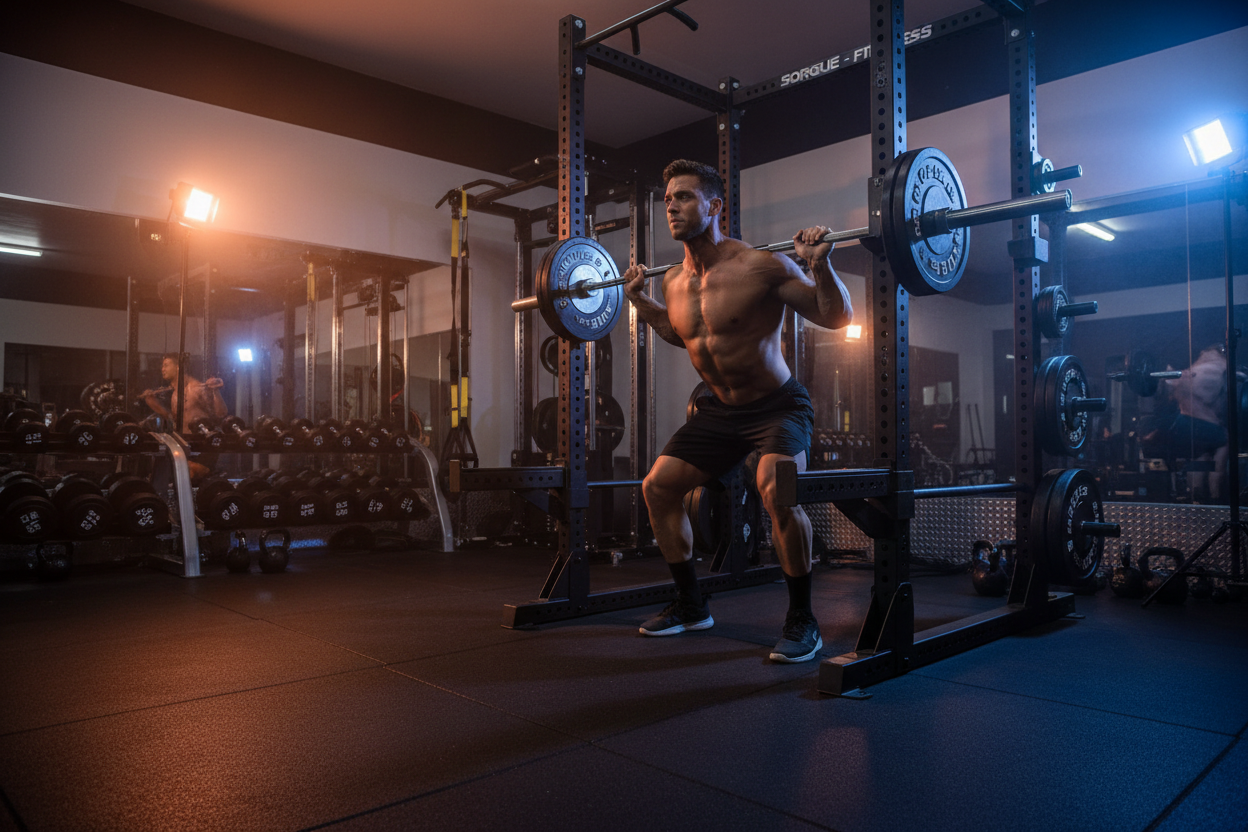
Cheaper imports often use recycled scrap metal with inconsistent structural integrity. In a power rack, this manifests as "sway." When you rack 400 pounds, a US-made rack absorbs the energy. An inferior rack dissipates it by shaking. That shaking loosens bolts over time, turning a safety device into a liability.
The Gauge Game
You will see the term "11-gauge" thrown around often. This refers to the thickness of the tube walls. The lower the number, the thicker the steel.
Most budget gear is 14-gauge. It looks fine in photos, but it dents easily and flexes under load. American manufacturers standardize on 11-gauge (and sometimes 7-gauge for commercial settings). This thickness provides the rigidity necessary to handle dynamic forces, like a failed squat dropping onto safety straps.
The Economics of Buying Domestic
The sticker shock is real. A US-made barbell might cost $350, while an import is $150. However, the cost per use tells a different story.
Imported barbells often use a decorative chrome finish that chips, leading to rust. The bushings seize up, causing wrist rotation issues during lifts. Eventually, you replace it. American bars usually use zinc, cerakote, or bare steel, and rely on composite bushings or bearings that last decades.
Furthermore, look at the used market (Facebook Marketplace or Craigslist). A rogue rack or a piece from Sorinex retains immense value. If you decide to upgrade or sell, you get most of your money back. That cheap import? You often have to pay someone to haul it away.
Spotting the "Assembled in USA" Trap
Be careful with the wording. "Designed in the USA" usually means "Made in China." Even "Assembled in the USA" can mean the parts were fabricated overseas and merely bolted together in a domestic warehouse.
To ensure you are getting genuine gym equipment brands usa quality, look for statements about "US Sourced Steel" or specific mentions of their fabrication shop locations (e.g., Columbus, Ohio or Reno, Nevada).
My Training Log: Real Talk
I want to be transparent about what switching to American steel actually feels like, beyond the spec sheets. A few years ago, I upgraded my generic big-box store barbell to a standard Ohio Power Bar. The difference wasn't visual; it was tactile.
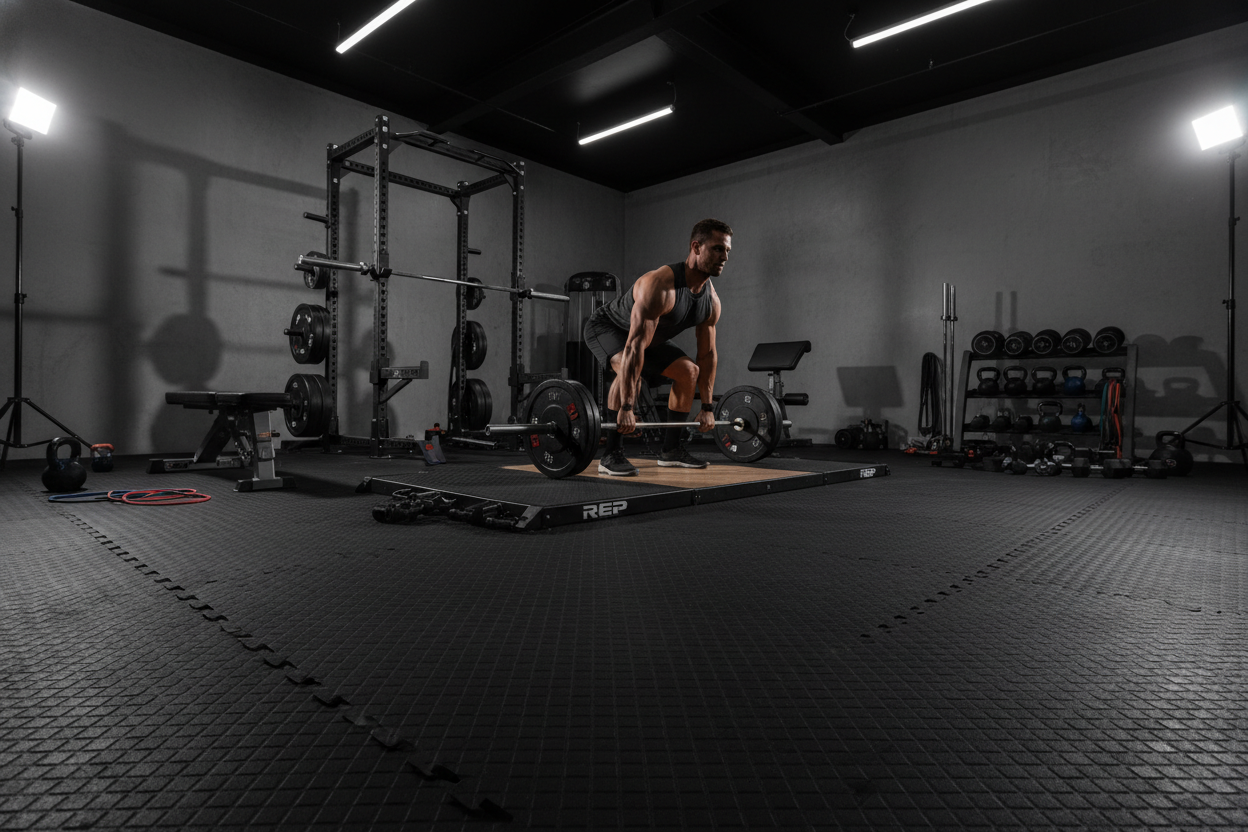
The first time I used it for a heavy deadlift, the knurling (the rough cross-hatching) was so aggressive it felt like it was biting into my skin. It didn't just sit in my hand; it locked in. There was zero slip. But the real "aha" moment was the lack of whip. On my old bar, once I passed 315 lbs, the bar would oscillate unpredictably. With the domestic steel, the pull was stiff and honest. I also noticed that the distinct smell of machine oil lingered on the bar for weeks—a sign it was freshly machined, not sitting in a damp shipping container for three months.
Conclusion
Building a home gym is an investment in your health. While the upfront cost of domestic gear is higher, the longevity, safety, and performance benefits are undeniable. You don't need to replace your entire setup overnight. Start with the pieces that separate you from gravity—your rack, your bar, and your bench. Buy once, cry once, and lift safely.
Frequently Asked Questions
Is American exercise equipment really worth the extra cost?
Yes, primarily for safety and longevity. The use of verified 11-gauge steel and higher quality control on welds ensures the equipment can handle heavy loads without structural failure, and it holds its resale value significantly better than imports.
What are the most reputable American gym equipment brands?
Some of the industry leaders include Rogue Fitness, Sorinex, EliteFTS, and Rep Fitness (note: Rep designs in the USA but manufactures some lines overseas, so check specific items). Rogue and Sorinex are widely considered the gold standard for 100% domestic manufacturing.
How can I tell if equipment is actually made in the USA?
Look for the "Made in the USA" stamp, which is legally regulated. Avoid "Designed in the USA" or "Assembled in the USA" if you are looking for domestic steel fabrication. Reliable brands are transparent about where their steel is sourced and where their factories are located.