A 3-Day Strength Training Program for Women Over 40 That Actually Fits
I remember the night I decided to overhaul my training. I was staring at a 90-minute 'influencer' workout on my phone at 9:00 PM, still in my work clothes, feeling like a failure because I didn't have the energy to move a mountain. The truth is, most fitness content is written for 22-year-olds with zero mortgage and infinite recovery capacity. For us, a strength training program for women over 40 needs to be surgical—get in, hit the heavy stuff, and get back to life.
- Focus on compound movements to maximize metabolic bang for your buck.
- Prioritize recovery; three days a week is the sweet spot for hormone health.
- Stop chasing 'the burn' and start chasing the 'click' of adding another 5 lbs to the bar.
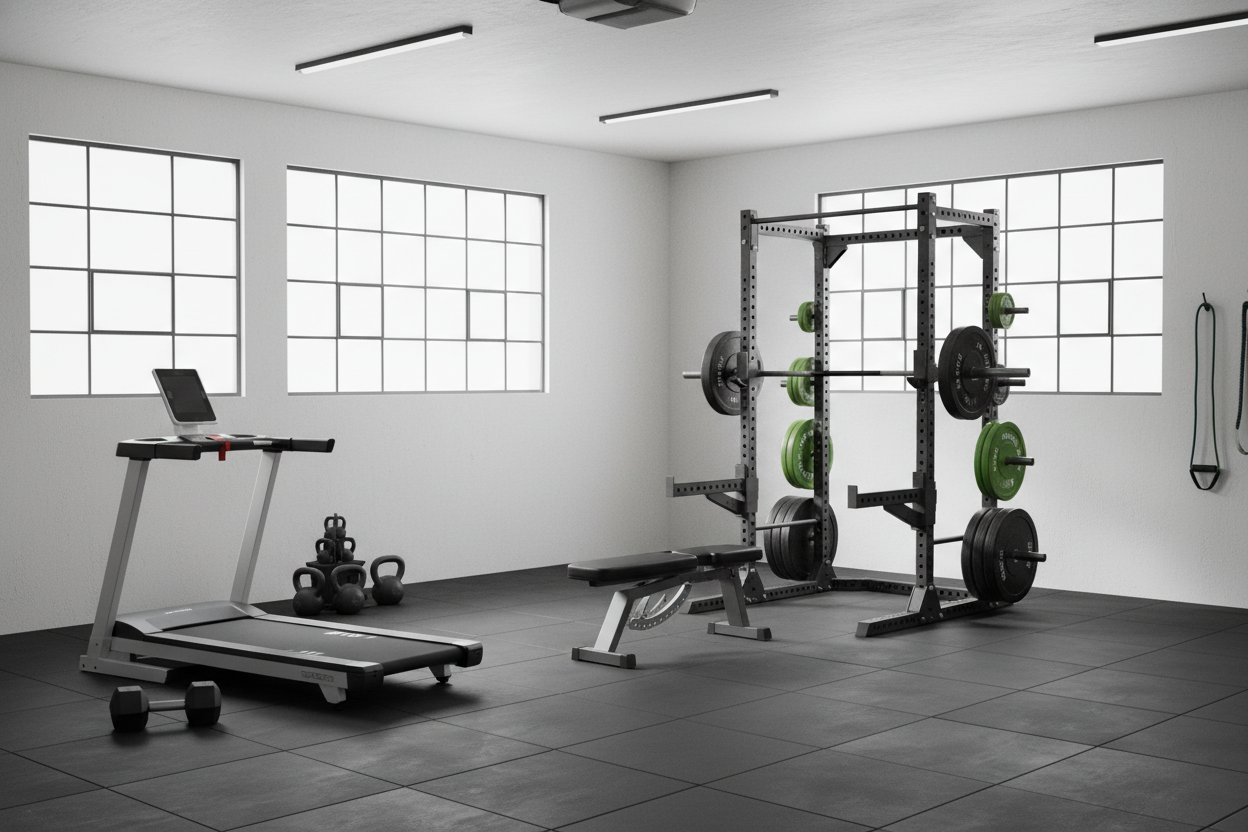
- Invest in a few pieces of high-quality gear rather than a room full of plastic gadgets.
Why Midlife Fitness Shouldn't Feel Like a Part-Time Job
Between career peaks, kids, and the fun biological shifts of perimenopause, your time is a finite resource. You don't need a two-hour daily grind. In fact, over-training after 40 often leads to stubborn inflammation and burnout rather than muscle growth. I've spent years testing racks and bars in my garage, and I've learned that intensity beats duration every single time.
We need to dismantle the myth that you need to live in the gym. A well-structured weight lifting program for women over 40 focuses on efficiency. If you're doing more than five or six exercises in a session, you're likely just doing 'junk volume.' We want movements that recruit the most muscle fibers in the least amount of time.
The Non-Negotiable Elements of Your New Routine
The goal here is progressive overload. That means doing a little more over time—more weight, more reps, or better form. When people talk about low impact strength training for women over 40, they often think of pink dumbbells and bird-dogs. That's a mistake. Low impact means saving your joints from excessive jumping, not avoiding heavy loads.
Smart lifting actually protects your joints by building the muscle around them. Before you start, you need to assess your space and your needs. Choosing The Best Strength And Weight Training Equipment For Your Goals is the first step in ensuring your home setup actually supports a weight training program for women over 40 rather than gathering dust in the corner.
The Minimalist Home Gym Setup You Actually Need
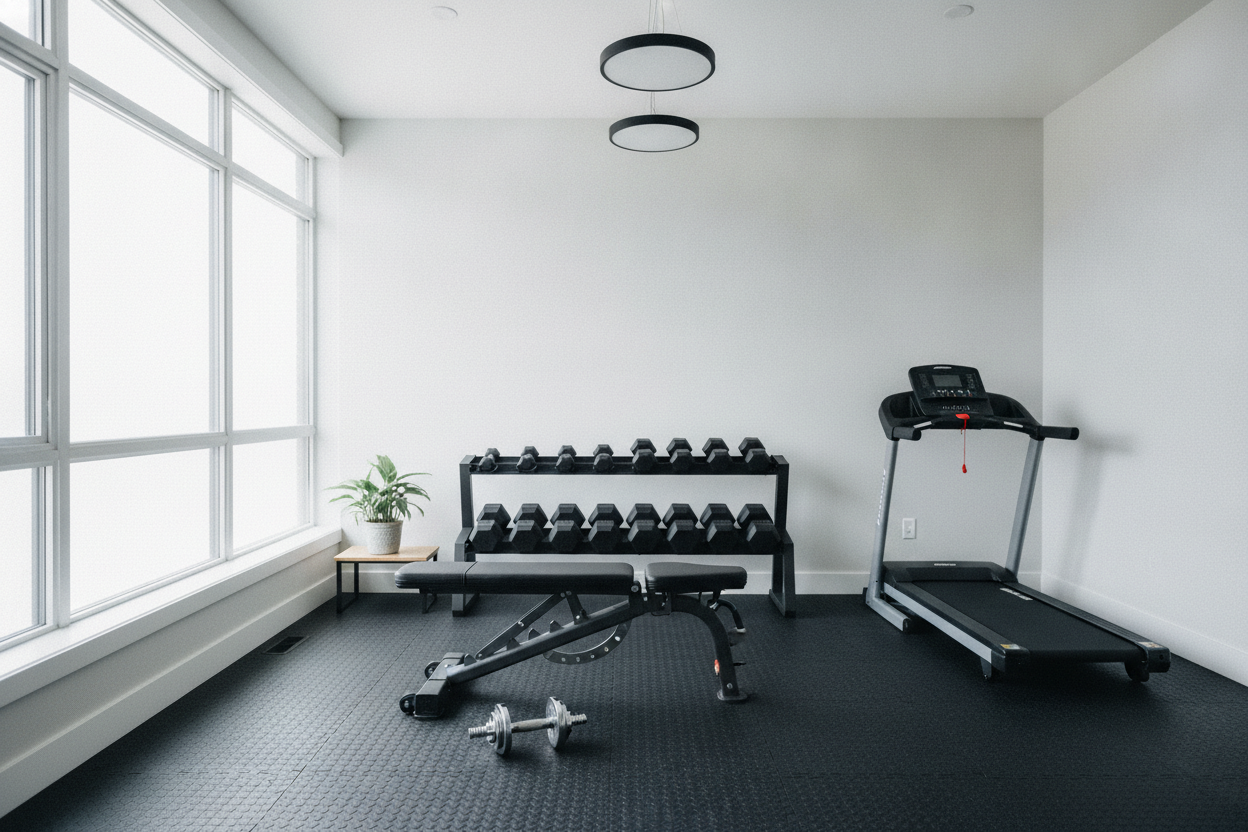
You don't need a 20-piece circuit. You need stability. I've seen too many people try to bench on a flimsy fold-up bench that wobbles the second they pick up 30-lb dumbbells. It's dangerous and it kills your confidence. I personally use the Gxmmat Adjustable Weight Bench because it has a wide footprint and doesn't feel like it's going to tip when I'm doing seated presses.
Beyond a solid bench, grab a set of adjustable dumbbells or a decent barbell. You'll also want a few Strength Training Accessories like mini-bands for glute activation and a decent pair of collars. Don't overcomplicate it. A 6x8 ft corner of your garage is plenty of room if the gear is right. I once tried to save $50 on a cheap bar and the knurling was so sharp it felt like holding a cheese grater—buy once, cry once.
The 3-Day Blueprint: Stop Guessing, Start Lifting
This weight lifting routine for women over 40 is built on a Monday-Wednesday-Friday or Tuesday-Thursday-Saturday schedule. You need those rest days for your central nervous system to recover. We are aiming for 2-3 sets of 8-12 reps for most movements, focusing on a slow eccentric (the lowering phase).
If you have pre-existing injuries or just prefer a more stable environment, incorporating Weight Lifting Machines like a functional trainer or a cable tower can be a fantastic way to hit these patterns without the stabilization demands of free weights. Here is how your week looks.
Day 1: Lower Body and Core Resilience
We start with the big hitters. Goblet squats are the gold standard here—hold a weight at your chest to keep your torso upright. Follow this with Romanian Deadlifts to target the hamstrings and glutes. Finish with a 'suitcase carry,' walking 40 steps while holding a heavy weight in only one hand. This builds a core that can handle anything from grocery bags to grandkids.
Day 2: Upper Body Push and Pull
This day is about posture. We do overhead presses to keep the shoulders healthy and 1-arm rows to build the upper back. Most women over 40 spend too much time hunched over screens; these movements pull your shoulders back where they belong. If you can't do a full push-up yet, do them at an incline against your bench. No shame in the modification game.
Day 3: Full Body Functional Power
The final day of this weight training program women over 40 is a mix. We do lunges for balance, lat pulldowns (or band-assisted pull-ups), and a bridge variation for the glutes. This session ties the week together, ensuring no muscle group is left behind. It’s about being capable in the real world, not just looking good in the mirror.
How to Progress Without Destroying Your Joints
Listen to your body. There will be days when the 25-lb dumbbells feel like 50 lbs. That's fine. On those days, focus on perfect form and maybe drop a set. The goal is longevity. We are lifting heavy now so we don't become fragile later. I often tell my clients to Stop Handing Seniors 2lb Weights: Strength Training for Women Over 60 because the work you do in your 40s is the foundation for your 60s and 70s.
Consistency beats intensity every single time. If you miss a day, don't double up; just pick up where you left off. My biggest mistake was trying to 'make up' for missed sessions by doing two-hour marathons that left me sidelined with tendonitis for a month. Be smarter than I was. Stick to the plan, eat your protein, and keep showing up.
FAQ
Do I need to do cardio too?
Walking is your best friend. Aim for 7,000 to 10,000 steps a day. You don't need high-intensity interval training (HIIT) on top of this lifting plan; it often just spikes cortisol levels that are already high in midlife.
What if I don't have room for a full gym?
A single pair of adjustable dumbbells and a sturdy bench are all you need to run 90% of this program. You can slide the bench under the bed and keep the weights in a closet.
How long until I see results?
You'll feel stronger and more energetic within three weeks. Visible muscle changes usually take 8-12 weeks of consistent lifting and eating enough protein. This is a slow burn, not a quick fix.