6 Upper Glute Workout Movements: Biomechanical Cues, Hip Abduction Tension, and Home Floor Staging
Understanding Upper Glute Anatomy and Hypertrophy Mechanics
Targeting the top shelf of the posterior chain requires an understanding of the upper glute complex. Rather than acting as a single uniform muscle mass, the posterior hip region consists of multiple overlapping muscle groups that respond to distinct biomechanical lines of pull. The upper glute silhouette is primarily shaped by the gluteus medius, the gluteus minimus, and the superior, upper fibers of the gluteus maximus.
While the lower portion of the gluteus maximus functions predominantly as a primary hip extensor during deep flexion patterns like squats and conventional deadlifts, the upper fibers and lateral stabilizers contribute heavily to hip abduction, external rotation, and transverse stability. To stimulate hypertrophy across this zone, training must move beyond standard vertical loading. Combining shortened-range hip extension with lateral abduction tension creates the direct stimulus needed to grow the upper buttocks. For a deeper breakdown of structural glute mechanics, review our build glutes bum guide.
6 Targeted Exercises for the Upper Glute Complex
Executing an effective upper glute workout means selecting movements that isolate pelvic stabilization, lateral drive, and peak hip lockout. Incorporate these six exercises into your routine with strict form and intentional tempo.
Banded Kas Glute Bridges and Hip Thrusts with Abduction Tension
The Kas glute bridge modifies the traditional hip thrust by restricting the range of motion purely to the top portion of hip extension. Place a resistance band directly above the knees and sit with your upper back supported by a stable bench.
- Execution: Keep the lower back neutral and your chin tucked toward your chest. Lower the pelvis only a few inches, then drive upward through your heels into full hip extension.
- Upper Glute Focus: Maintain constant outward pressure against the resistance band throughout the movement. At the top of the bridge, hold the peak contraction for a deliberate count while locking the pelvis in a slight posterior tilt.
Single-Leg Elevated Glute Bridges for Pelvic Stability
Unilateral hip extension challenges the gluteus medius and minimus to act as dynamic anti-rotational stabilizers. When one leg leaves the floor, the stabilizing upper fibers on the working side must fire intensely to keep the pelvis level.
- Execution: Lie on your back on a supportive mat with one heel placed on a low step or bench. Drive through the working heel until your hip reaches complete extension while keeping the non-working knee flexed at a ninety-degree angle.
- Upper Glute Focus: Prevent the non-working side of the hip from dipping toward the floor. Focus on a smooth cadence without bouncing at the bottom.
Standing Cable or Banded Diagonal Hip Abductions
Pure lateral abduction moves the leg directly to the side, but angling the abduction slightly backward—roughly thirty to forty-five degrees behind the torso—aligns the resistance curve directly with the pennation angle of the superior gluteal fibers.
- Execution: Anchor a resistance band or low cable cuff around the working ankle. Stand tall with a slight forward hinge at the hips, bracing your core against a secure upright post.
- Upper Glute Focus: Sweep the leg back and out along the diagonal pathway. Pause at the peak without rotating your torso or arching your lower back to complete the range of motion.
Deficit Curtsy Lunges for Deep Stretch and Lateral Drive
The deficit curtsy lunge places the gluteus medius and upper gluteus maximus fibers under a deep loaded stretch. By stepping across the midline from an elevated platform, the hip moves into adduction and internal rotation under tension.
- Execution: Stand on a firm, elevated surface such as a weight plate or low riser. Step one leg back and diagonally behind the front working leg, lowering the back knee toward the floor under control.
- Upper Glute Focus: Drive firmly through the front heel and midfoot to return to the starting position, focusing on the lateral push generated by the front hip.
Side-Lying Clamshell Raises with Iso-Hold Contraction
Standard clamshells often suffer from poor mind-muscle connection, but elevating the movement into a side-lying plank variation elevates upper glute activation across both the working and supporting hips.
- Execution: Lie on your side supported on your forearm with your knees bent at ninety degrees. Lift your hips off the floor while simultaneously opening the top knee upward against a resistance band.
- Upper Glute Focus: Keep your feet pressed together and prevent your pelvis from rolling backward. Squeeze the top glute at peak external rotation before lowering slowly.
Frog Pumps with Peak Squeeze Emphasis
Frog pumps position the hips in external rotation and slight abduction throughout the entire movement, placing the upper glute shelf under continuous tension during hip extension.
- Execution: Lie supine on a floor mat with the soles of your feet pressed firmly together and your knees flared wide. Drive the outer edges of your feet into the ground to elevate the hips toward the ceiling.
- Upper Glute Focus: Avoid using lumbar extension to gain height. Focus entirely on squeezing the top glute fibers at full extension with higher repetitions and strict control.
Overcoming Common Pitfalls When Upper Glutes Are Not Growing
If your upper glutes are not growing despite regular training, minor technical compensations may be redirecting tension away from the target musculature:
- Lumbar Hyperextension: Arching the lower back at the top of bridges or abductions transfers mechanical load to the spinal erectors instead of the glute shelf. Keep the ribcage pulled down and prioritize a posterior pelvic tilt at peak contraction.
- Quadriceps Dominance: Placing the feet too close to the hips during bridges shifts mechanical emphasis onto the quadriceps. Step your feet slightly forward so the shins remain vertical at top extension.
- Momentum and Swinging: Rapid, uncontrolled kicks during lateral or diagonal abductions rely on hip flexor momentum rather than continuous upper glute tension. Control both the lifting phase and the eccentric lowering phase.
Structuring Your Weekly Upper Glute Training Program
To optimize muscle protein synthesis and recovery, distribute your upper glute volume across two to three dedicated training sessions per week. Begin your workout with light activation work, such as banded lateral walks or side-lying clamshells, to prime neural pathways before progressing into heavy loaded hip thrusts and unilateral lunges.
Vary your repetition schemes across the week. Heavy bilateral thrusts respond well to moderate rep ranges with progressive loading, while isolation abductions and frog pumps thrive on higher rep volumes with sustained isometric holds. For structured programming strategies tailored to home gym environments, explore our comprehensive build muscle booty guide.
Home Gym Floor Staging and Equipment Stability for Glute Workouts
Executing an upper glute workout at home requires a stable, high-traction foundation. Thrusting heavy loads and performing dynamic lateral lunges generate significant shear forces that can cause benches or lifters to slide on bare subfloors.
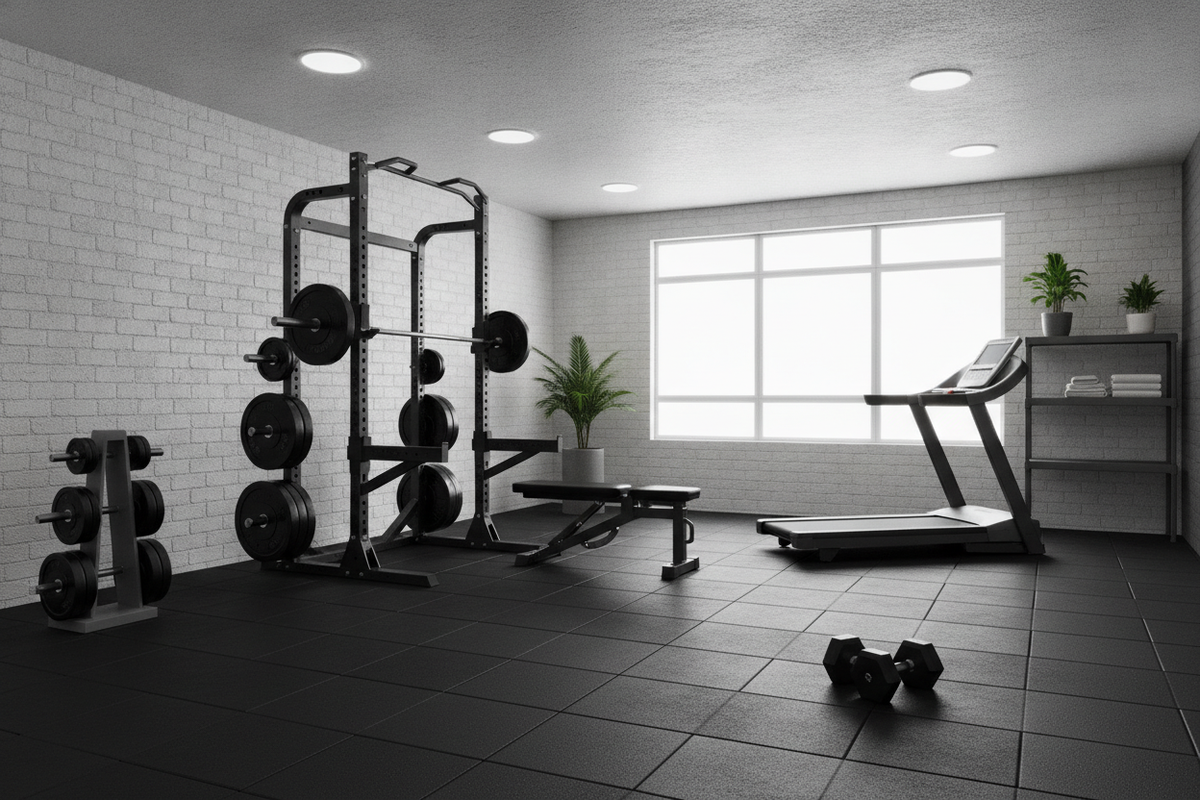
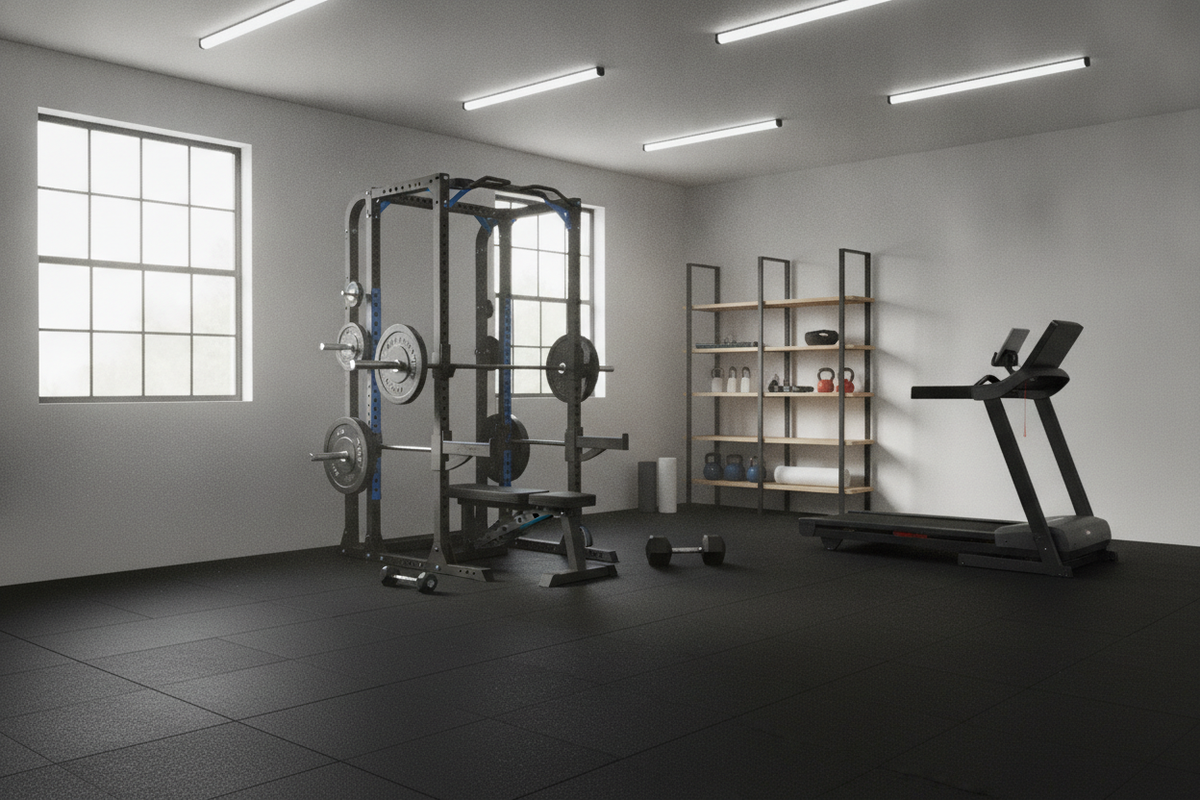
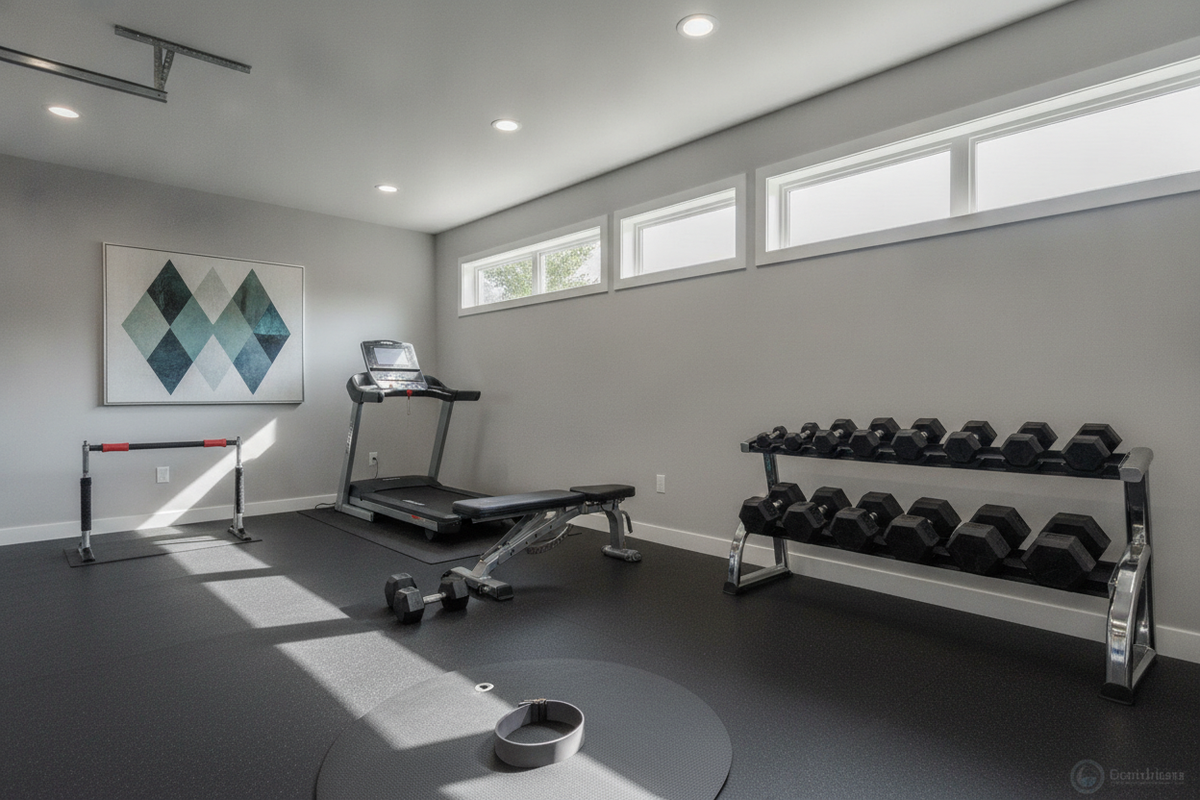
Setting up your training station over dedicated exercise collection flooring provides essential traction, protects your home subfloor from dropped dumbbells or barbells, and provides firm cushioning for kneeling and supine movements. A large, durable surface like the exercise workout product creates an expansive non-slip base that securely anchors weight benches and supports wide-stance lunges and floor-based bridge variations without shifting.