20 Min Legs Workout Guide: Time-Dense Lower-Body Blueprints, Bodyweight Tension Mechanics, and Floor Stability
The Power of High-Density Lower-Body Training in 20 Minutes
Executing an effective lower-body routine does not always require hours in a commercial weight room. A well-constructed 20 min legs session leverages training density—completing a high volume of quality work in a compressed timeframe—to challenge the quadriceps, hamstrings, glutes, and calves. By shortening rest periods and focusing on compound movements, you can create substantial muscular fatigue using only body weight.
When external loads are absent, the primary stimulus shifts to time under tension, movement pacing, and mechanical leverage. Structuring short sessions around continuous movement keeps the target musculature engaged while challenging stamina. For athletes exploring broader routine structures, reviewing a comprehensive workout resource can help frame how brief, high-density sessions fit into a weekly split.
Core Movement Archetypes for a Complete Bodyweight Leg Protocol
A balanced 20 minute bodyweight leg workout targets multiple movement planes to develop the entire lower kinetic chain. Relying on a single exercise risks neglecting key stabilizing muscles and posterior chain tissues. Integrating distinct movement archetypes creates balanced muscular recruitment:
- Bilateral Knee-Dominant Movements: Air squats, tempo squats, and narrow-to-wide stance transitions work the anterior chain, emphasizing the quadriceps and hip adductors.
- Unilateral Split Stances: Reverse lunges, static split squats, and lateral step-outs isolate each leg independently, addressing bilateral strength discrepancies and challenging pelvic stability.
- Posterior Chain Hinges: Single-leg Romanian deadlifts and floor-based glute bridges load the hamstrings and glutes without requiring heavy barbells.
- Plantarflexion and Ankle Control: Elevated calf raises and slow-eccentric ankle pulses build lower-leg endurance and reinforce foot stability.
For detailed breakdowns on progressive loading without added weights, exploring a bodyweight workout legs guide provides further techniques for increasing tension across these archetypes.
Structuring the 20-Minute Workflow: Pacing, Rest Density, and Transitions
Managing the clock is vital during a brief training session. Without structured timing, rest intervals tend to drift, reducing the overall training density. Organizing your 20 min legs routine into defined intervals maintains momentum while allowing adequate recovery between demanding movement blocks.
Popular interval formats include:
- Alternating Supersets: Pairing a knee-dominant exercise with a hip-dominant movement allows one muscle group to recover partially while the other works, maintaining continuous output across the session.
- Timed Work-to-Rest Circuits: Performing forty seconds of continuous work followed by twenty seconds of transition across four to five exercises creates steady pacing without sudden muscular exhaustion.
- Every Minute on the Minute (EMOM): Completing a target repetition count at the start of each minute rewards efficient execution with short, built-in rest windows before the next round begins.
While extended routines like a forty-minute split allow for broader exercise variety, as detailed in this legs leg workout guide, a condensed twenty-minute block prioritizes strict movement discipline and minimal downtime between stations.
Biomechanical Cues: Maximizing Tension and Protecting Joints at Home
When training at speed during a 20 minute bodyweight leg workout, maintaining proper alignment protects vulnerable joints and ensures tension stays on the working muscles. Small adjustments in foot positioning and movement pacing significantly alter the training effect.
Key biomechanical points to monitor include:
- Tripod Foot Grounding: Distribute weight evenly across the base of the big toe, the base of the pinky toe, and the center of the heel to create an active arch and a stable base of support.
- Controlled Eccentric Phases: Lowering slowly into squats and lunges over two to three seconds increases mechanical strain on the muscle fibers without demanding heavy weights.
- Knee-over-Toe Tracking: Ensure the knees track in line with the second and third toes during flexion to minimize shearing stress across the patellofemoral joint.
- Neutral Pelvic Alignment: Maintain an upright ribcage and braced midsection during lunges to avoid excessive lumbar extension during hip extension.
Home Training Surface Dynamics: Grip, Joint Cushioning, and Floor Protection
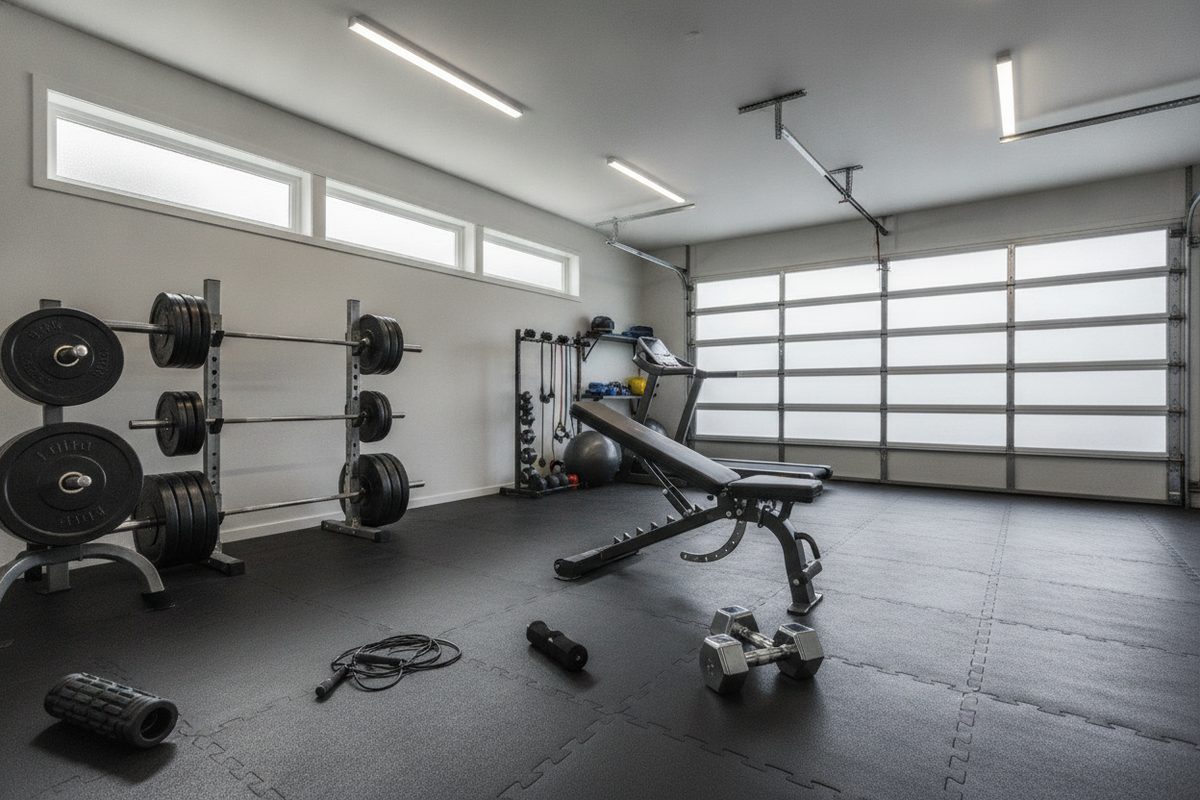
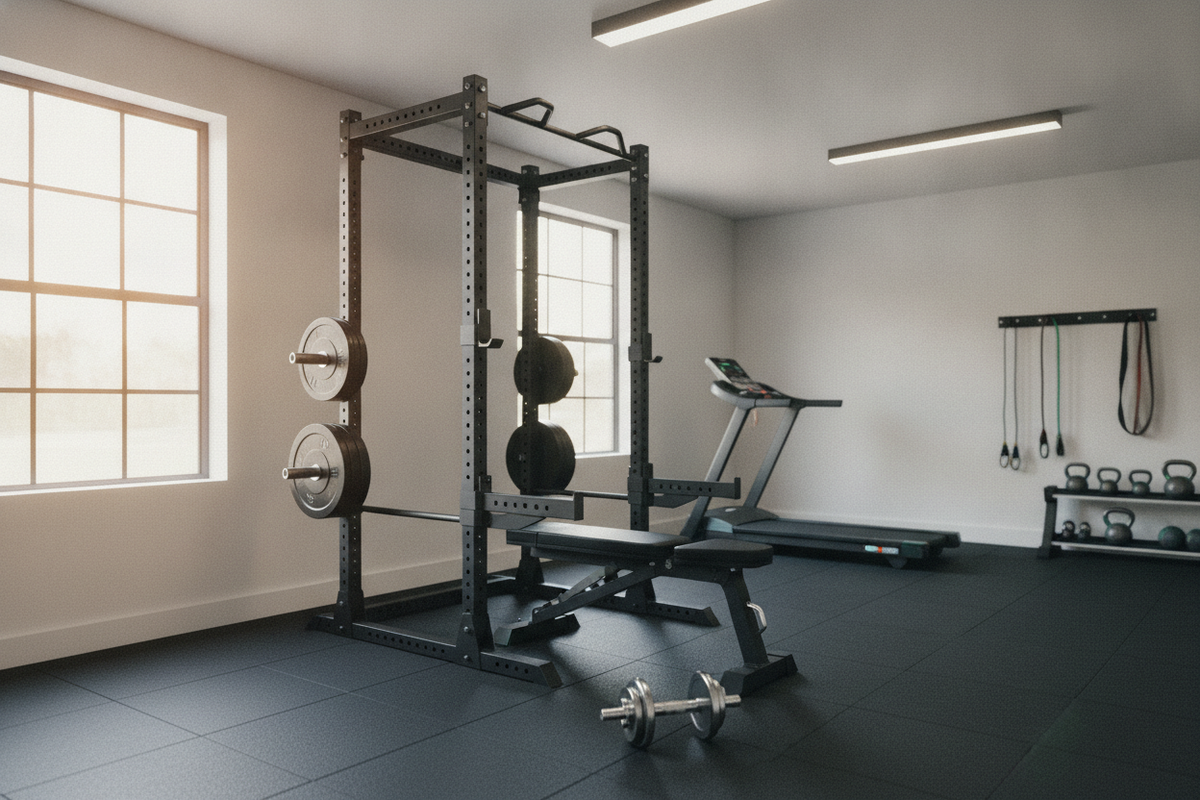
High-volume bodyweight training involves rapid stance changes, deep lunges, and sustained pressure on the feet and joints. Training directly on slippery hardwood, thin rugs, or hard concrete can compromise balance and increase discomfort during kneeling positions or high-rep sets.
A dedicated workout product with dense, non-slip textured construction provides several functional advantages for home leg training:
- Consistent Traction: High-grip surface textures prevent the rear foot from slipping during deep reverse lunges or dynamic lateral squats.
- Joint Cushioning: High-density padding absorbs downward force during lunges, protecting the trailing knee from aggressive contact with hard subfloors.
- Subfloor Defense: Resilient matting protects residential flooring from wear caused by friction, sweat accumulation, and repeated foot placement during dynamic 20 min legs routines.
Mat Care and Training Space Optimization for High-Rep Lower-Body Workouts
Intense lower-body sessions generate continuous friction and perspiration. Maintaining your training surface ensures consistent traction and extends the usable life of your home gym floor. Establishing simple maintenance habits keeps your workout area hygienic and ready for regular use.
Wipe down your mat with a mild soap-and-water solution or gentle exercise mat cleaner after sweat-heavy workouts to prevent residue buildup that could compromise surface grip. Allow the material to air dry completely before rolling or storing it. Additionally, clear a perimeter around your mat to accommodate wide lateral lunges, split-stance movements, and transitions without encountering household obstacles.