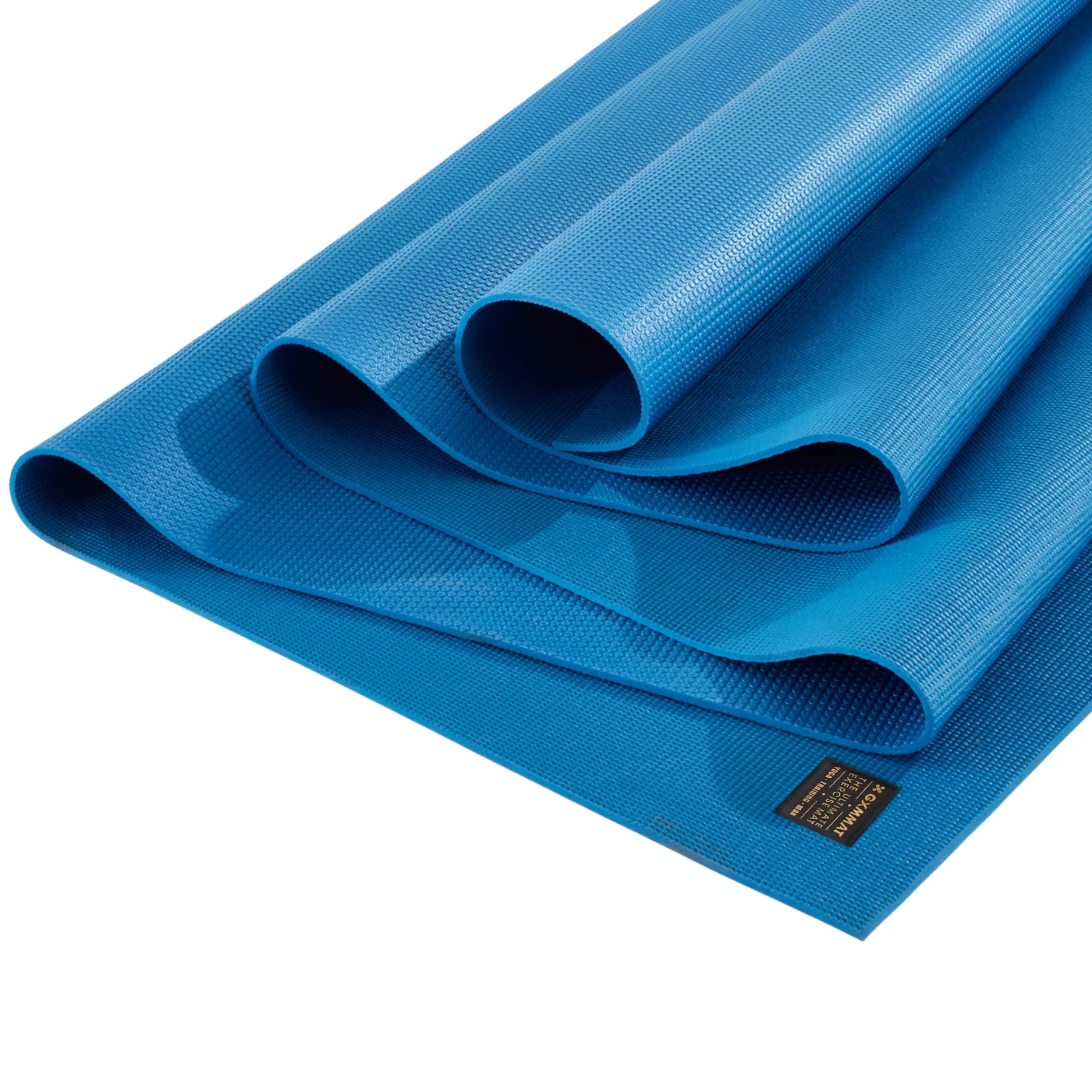
What Is the Difference Between Exercise Mat and Yoga Mat?
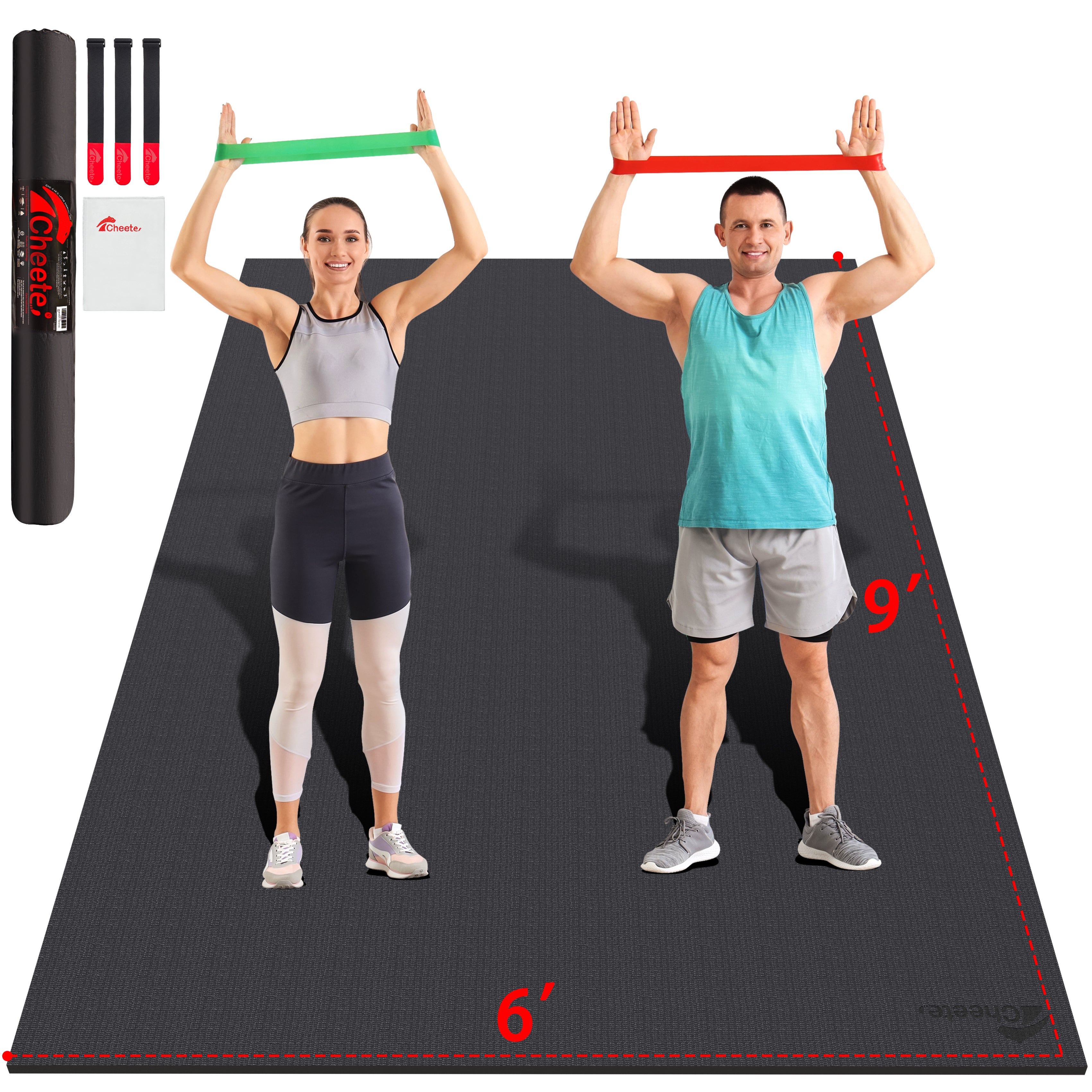
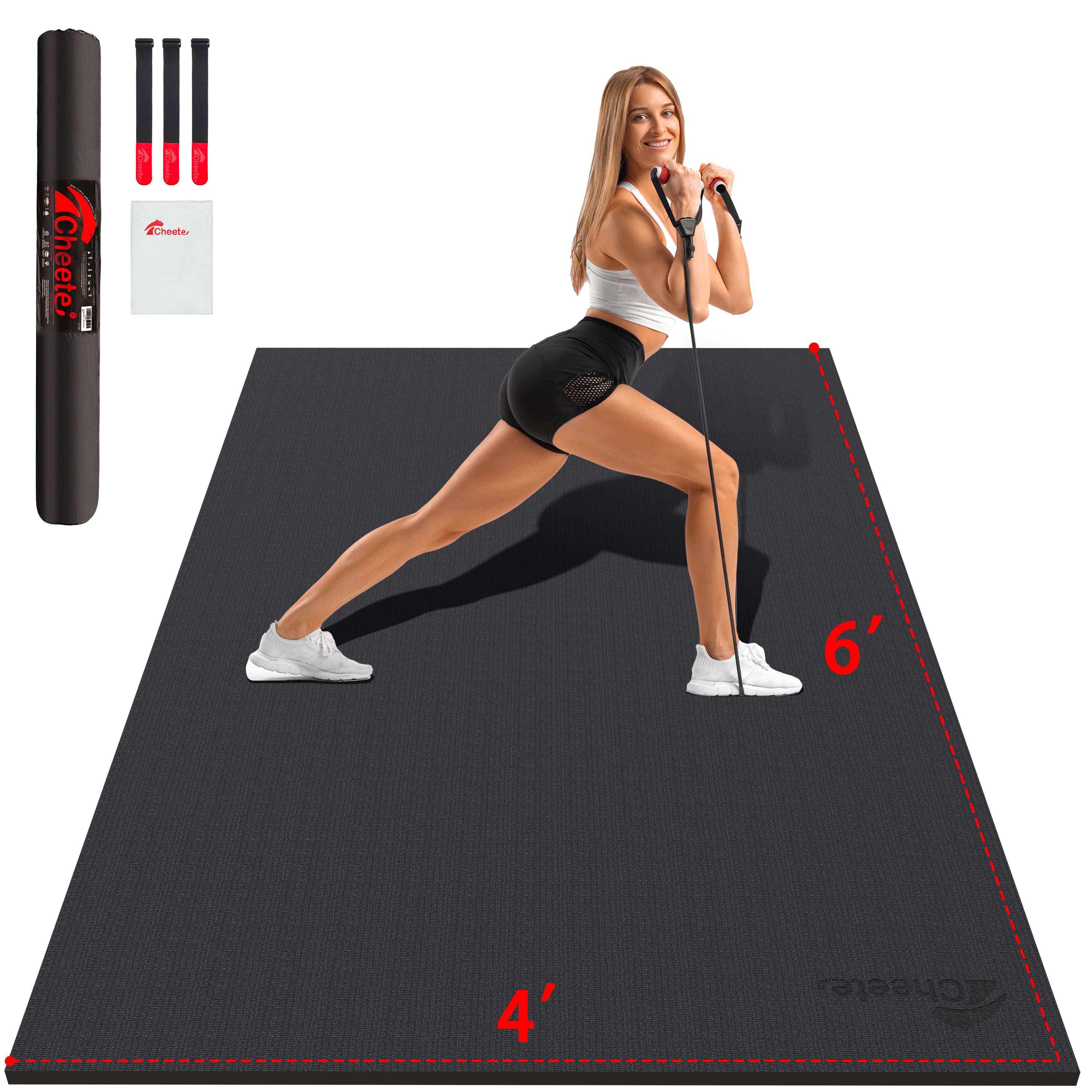
Exercise mats and yoga mats are two common types of gym mats, but there are significant differences in their functions and designs.
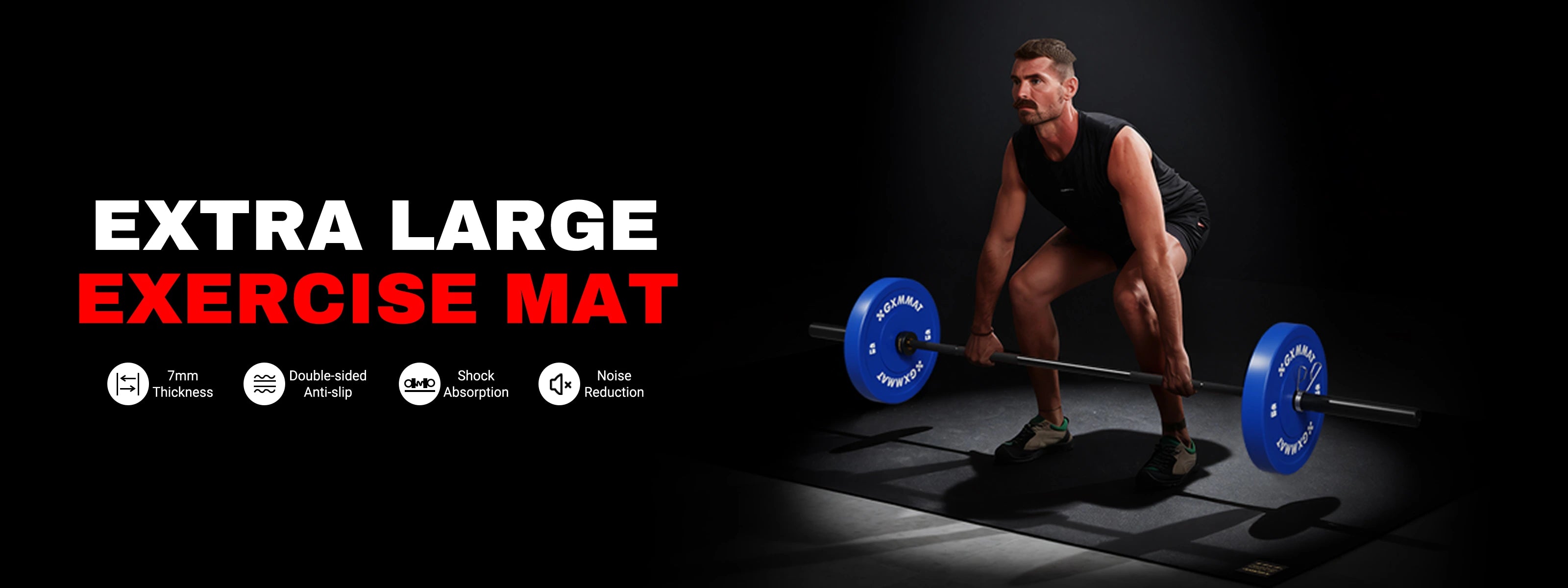
Exercise mats are mainly designed for aerobic workouts and high-impact movements (such as jump squats, burpees, and alternating jumping lunges). They are typically with high density and heavier, offering better shock absorption, noise reduction, and durability. They can be used with shoes on and can also be placed under strength equipment to protect both the floor and the machine.
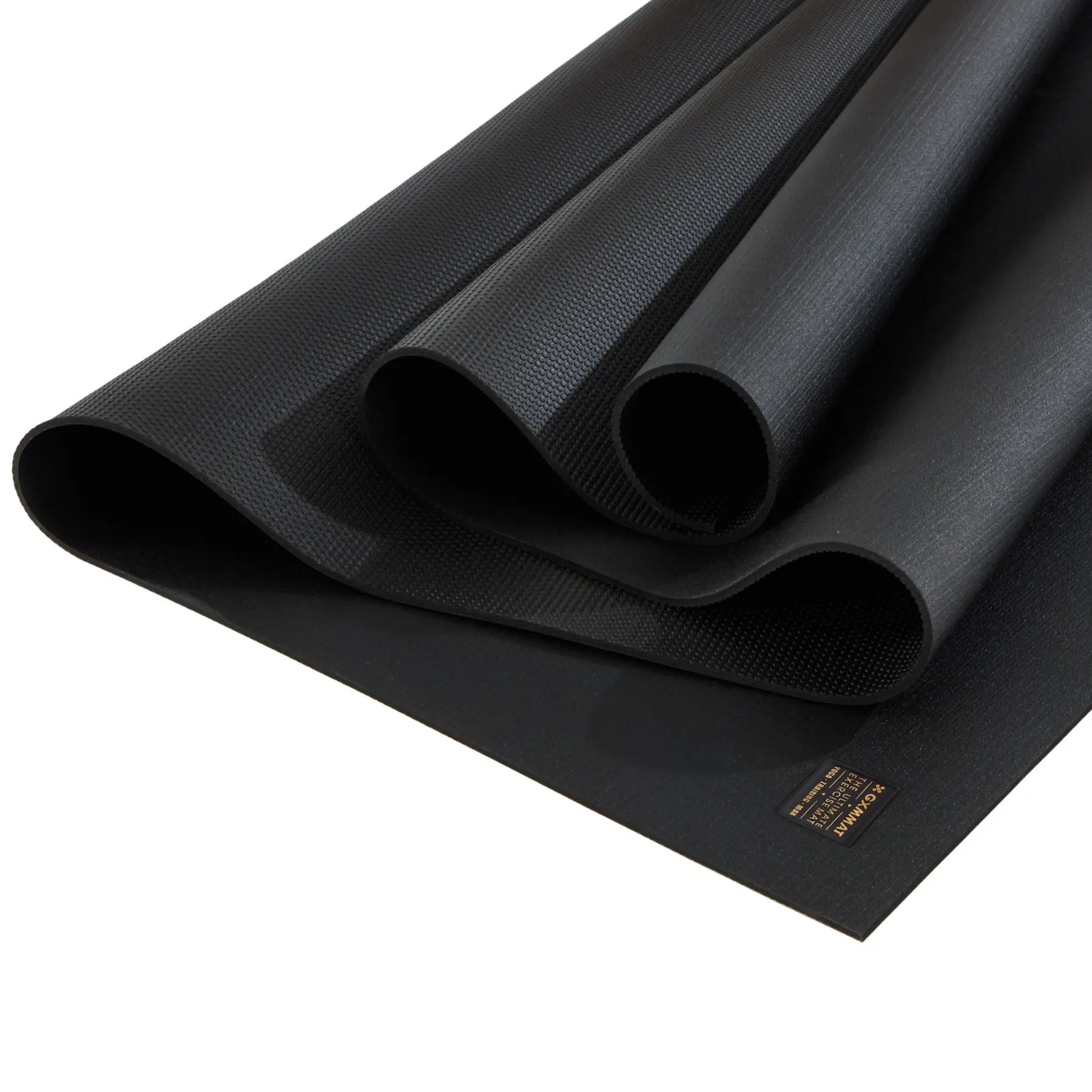
Yoga mats, on the other hand, are usually made of foam. Their soft and comfortable surface provides excellent support and joint protection for yoga and Pilates movements. Depending on different yoga practices, yoga mats also come in various materials, allowing you to choose according to your needs.
In summary, when choosing a gym mat, you should consider not only your workout needs—whether you require an exercise mat or a yoga mat, but also take factors such as thickness, hardness, material, and size into consideration, as all of these will directly affect your training experience.
Foam vs. Rubber Gym Flooring: Which Is Right for You?
Selecting the proper gym flooring is one of the most important steps when setting up a home gym. The mat’s material will directly affect the performance, comfort, and your overall workout experience. Today, foam and rubber are two widely used mat materials for home gym floors. So what's the pros and cons of these two materials and how do you choose between them?
Foam gym mats are an affordable flooring option made from EVA foam (Ethylene-Vinyl Acetate). This lightweight, low-density material provides excellent cushioning and comfort, gently protecting your joints and body during exercise. Foam flooring works well for floor-based activities like yoga, Pilates, and stretching, and is also suitable for light workouts, jumping, and basic cardio.
Rubber gym flooring, on the other hand, is known for its high density, durability, and exceptional wear resistance. It offers superior shock absorption and noise reduction, making it suitable for high-intensity workouts like weightlifting, CrossFit, and HIIT. It can also be placed under heavy equipment to protect your floors, such as power racks, weight benches, and leg machines. However, rubber gym flooring is typically more expensive and is commonly used in commercial gyms.
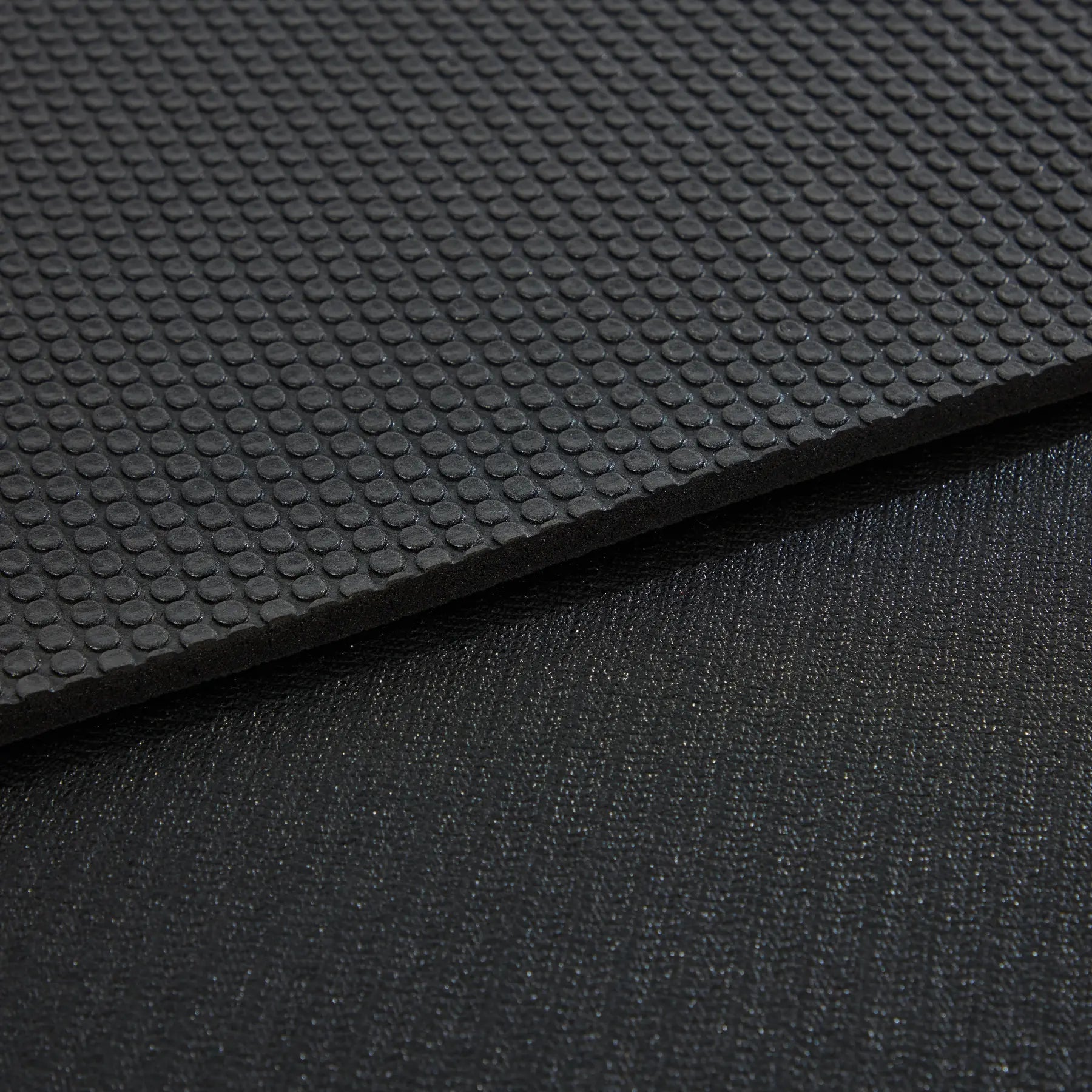
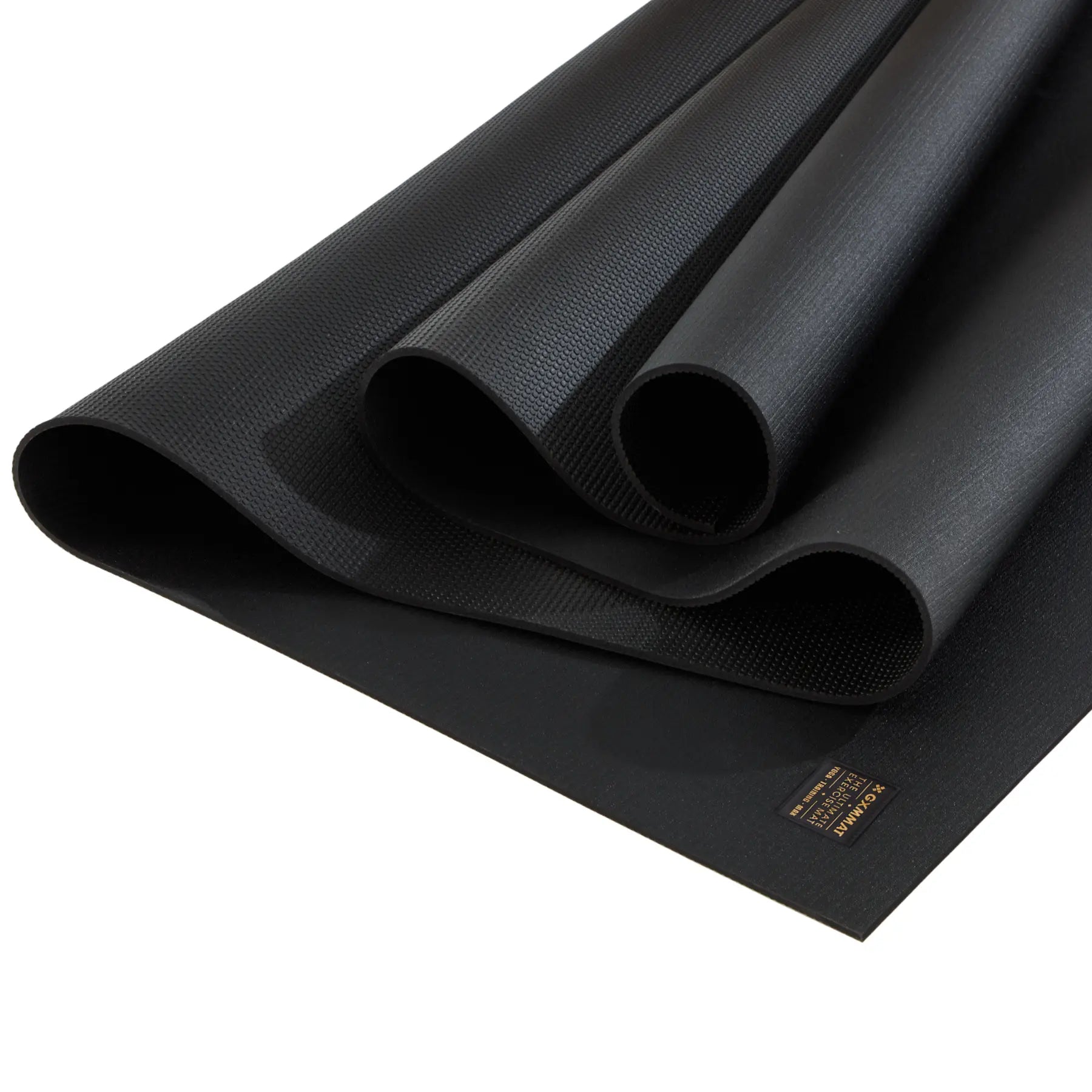
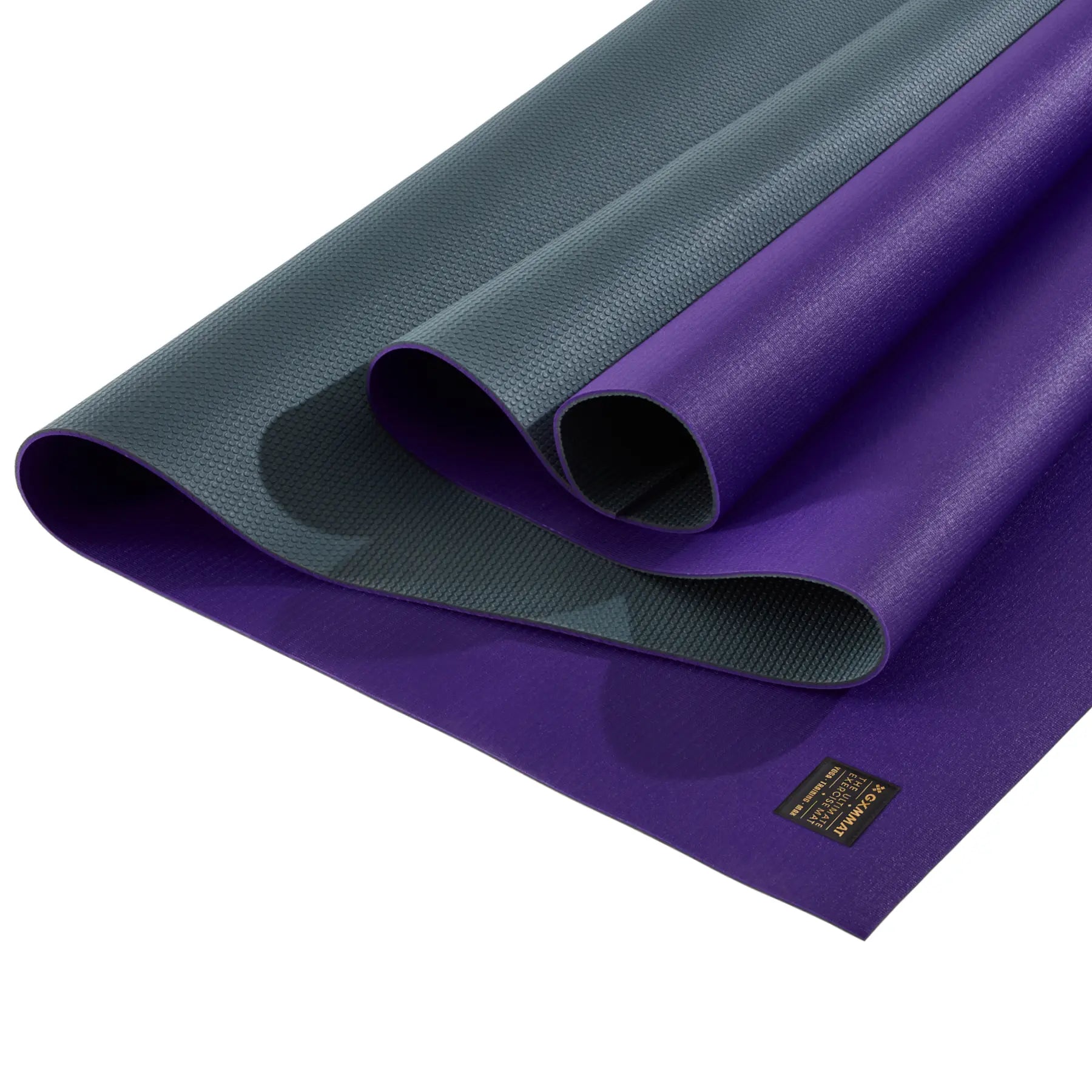
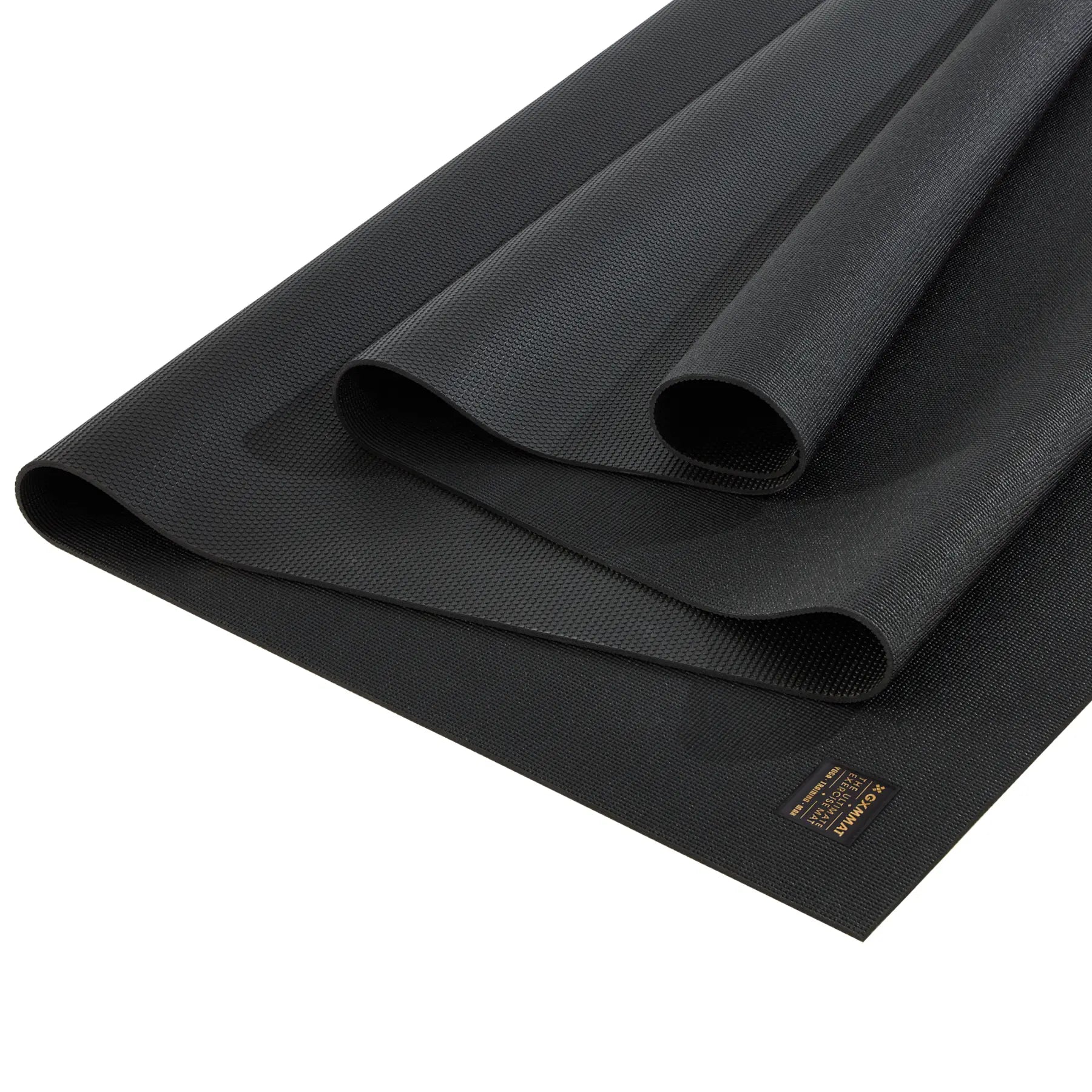
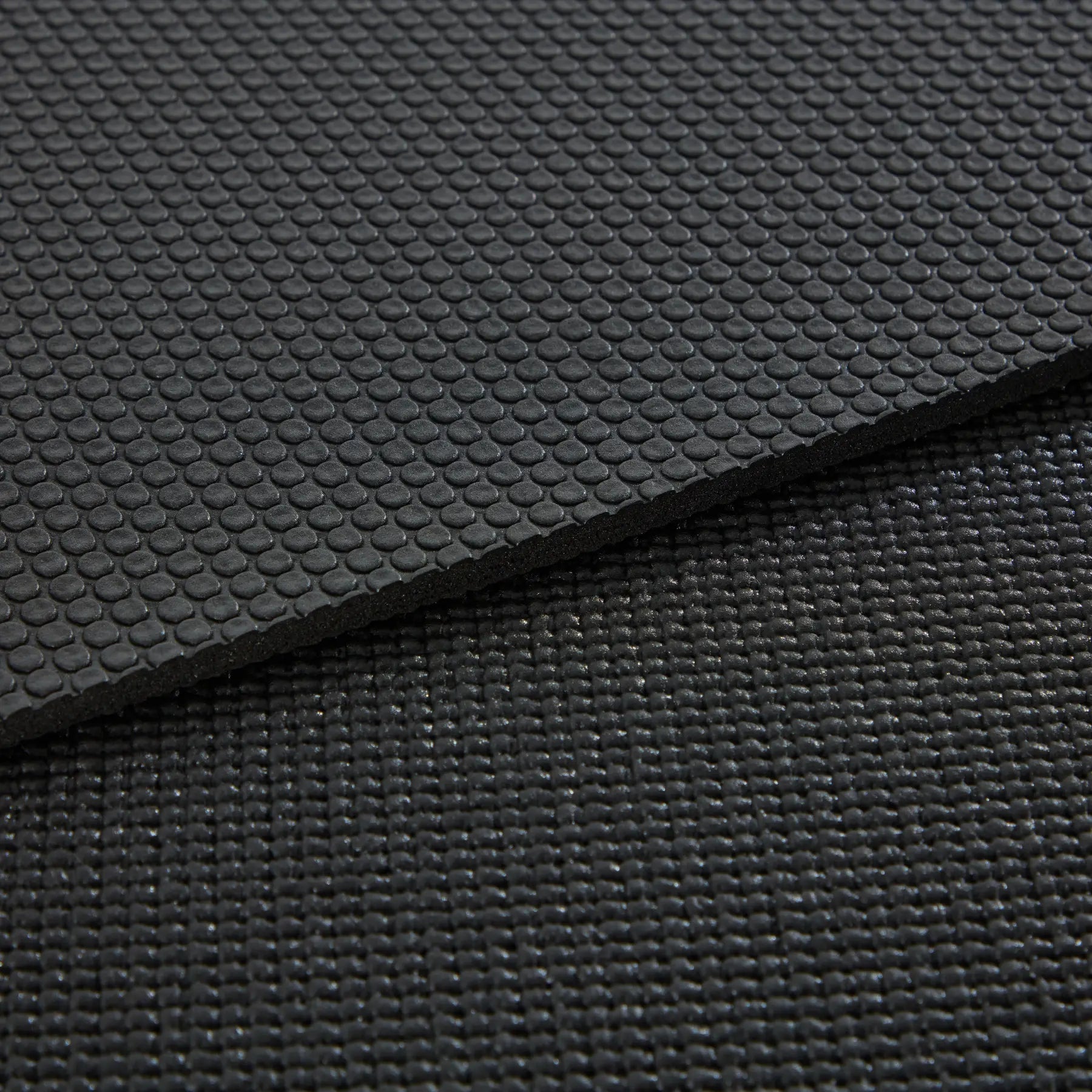
Overall, you can choose the right gym flooring based on your workout style and budget. Of course, we’re also happy to recommend our GXMMAT gym mats. Made with high-density foam and engineered with a 3-in-1 compression technology, our mats offer enhanced durability, excellent shock absorption and is budget-friendly than traditional rubber flooring, making it an ideal flooring solution for home gym.
How to Clean Gym Mats?
Regularly cleaning your gym mat at home can prevent sweat stains, bacteria buildup, and microbial growth. It also helps extend the lifespan of the mats while maintaining a clean and hygienic workout environment. For home gyms, it’s recommended to clean the mats about once a week.
For daily cleaning:
Use disinfectant wipes or a spray to quickly wipe down areas with sweat drops or shoe marks, keeping the workout surface clean.
For deeper cleaning:
1. Use a vacuum or mop to remove dust and debris from the mat’s surface first.
2. Wipe the gym mats with a mild, pH-neutral cleaner and water, and allow them to air-dry completely before using them again.
3. Use a specialized cleaner or hire professional cleaning services for more thorough cleaning.
4. Clean both sides of the mat as well as the floor underneath.
Of course, choosing gym floor mats that are easier to clean and maintain can greatly reduce the difficulty of daily upkeep. Compared with floor interlocking mat and puzzle mats, which have gaps that easily trap dirt and require individual pieces to be removed for cleaning, one-piece mats have a smoother, seamless surface that doesn’t accumulate dust and are therefore more suitable for everyday home use.