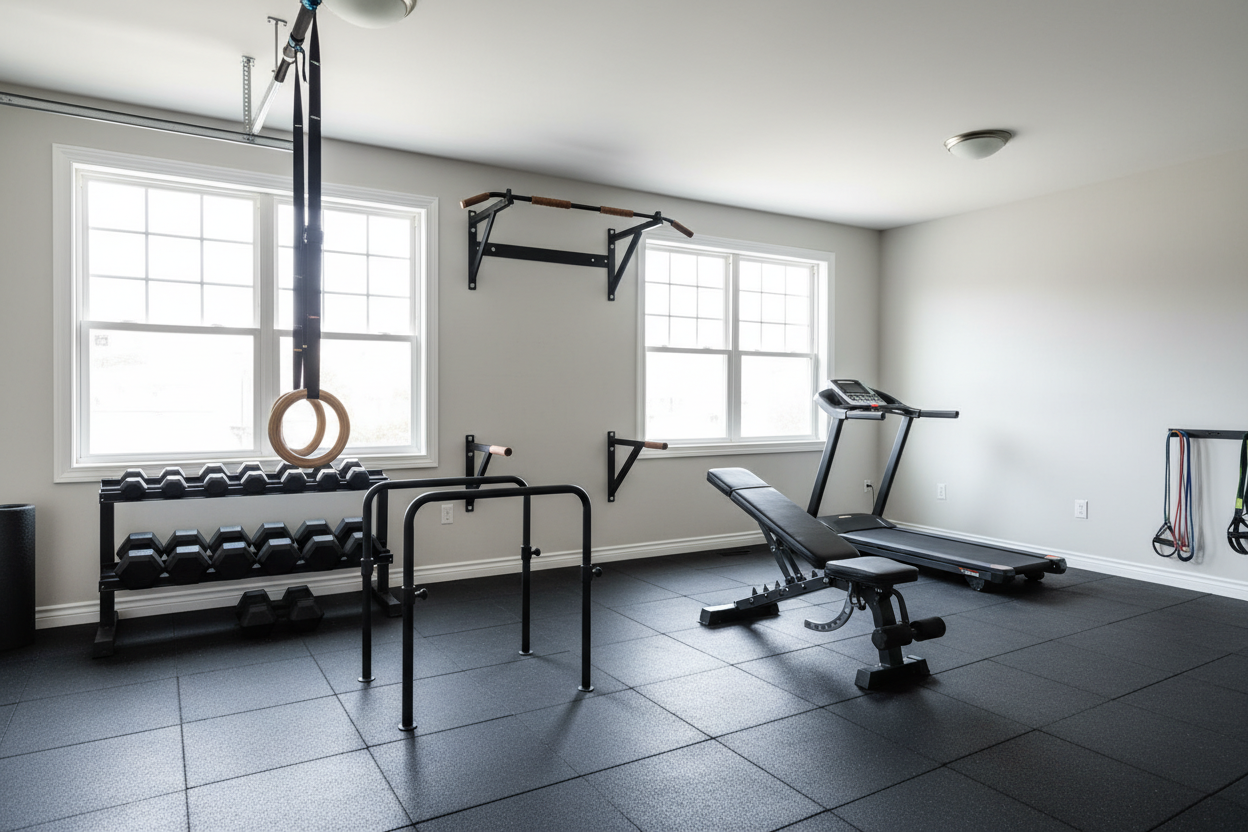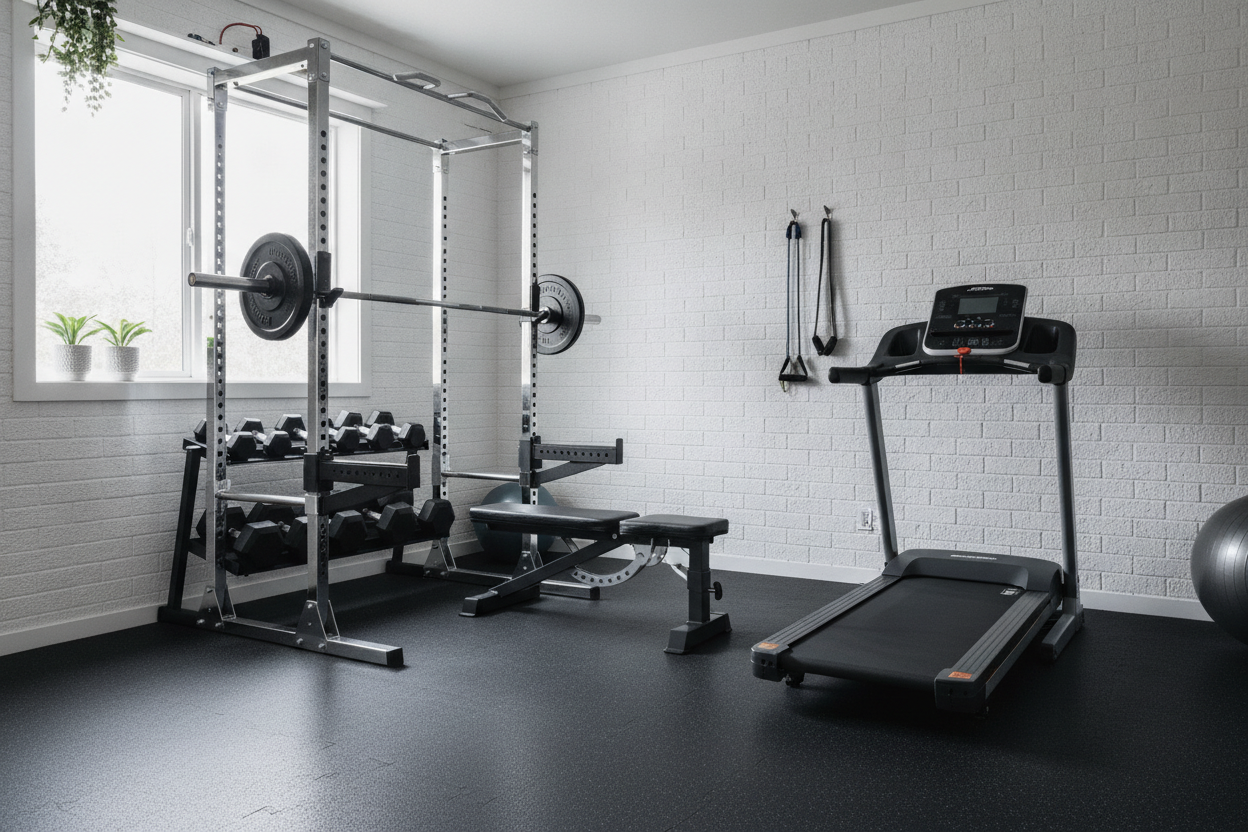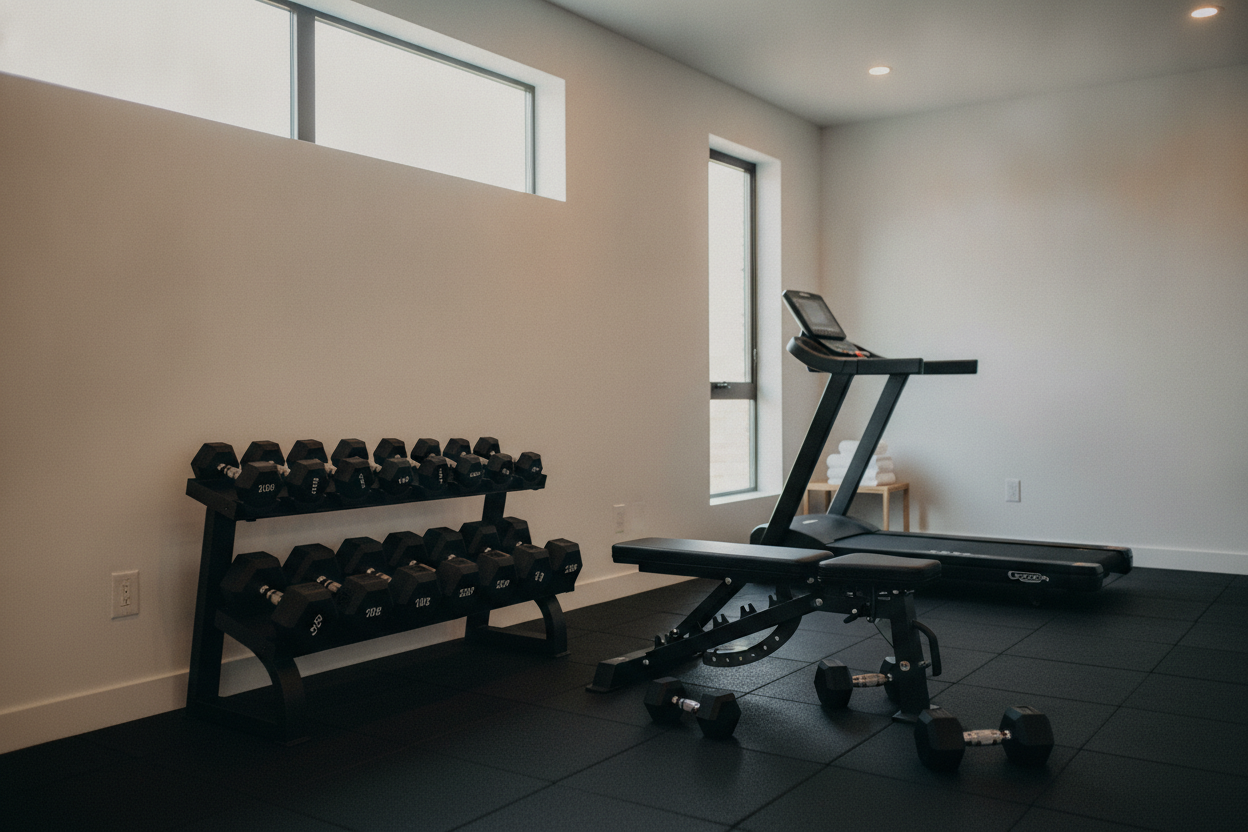
Your YouTube Circuits Aren't Real Home Workout Plans for Beginners
You’ve seen the videos. Some high-energy coach in neon spandex screaming at you to do mountain climbers for 45 seconds while upbeat techno blares in the background. You finish drenched in sweat, gasping for air, and feeling like you did something. But three months later, you look in the mirror and you lift the exact same weight as day one. The hard truth? Most home workout plans for beginners are just random sweat sessions designed to make you feel tired, not to make you better.
I’ve spent a decade loading bars in my garage and testing everything from 52.5-lb adjustable dumbbells to commercial-grade power racks. The biggest mistake I see isn't buying the wrong gear—it's following a map that doesn't lead anywhere. If you want to actually change how you look and move, you need a plan that prizes progress over exhaustion.
Quick Takeaways
- Sweat is a byproduct of work, not a metric of success.
- Focus on the 'Big Four' movements: Push, Pull, Squat, and Hinge.
- Progressive overload—doing slightly more over time—is the only way to build muscle.
- Your floor matters: a stable surface prevents joint pain and improves force production.
- Consistency beats intensity every single time.
The Difference Between Being Tired and Getting Strong
There is a massive difference between exercise and training. Exercise is just moving to burn calories. Training is a systematic approach to improving a specific physical capacity. When you follow a random 20-minute high-intensity video every day, you’re just exercising. You’re chasing a 'burn' that doesn't necessarily lead to muscle growth or strength gains.
Real training requires structure. If you did 10 push-ups on Monday, you should aim for 11 on Friday, or do those 10 with better form. This is called progressive overload. When you transition from random videos to a structured starting workout routine at home, you stop guessing and start tracking. I tell people to keep a simple notebook. If your numbers aren't going up over a month, you aren't training; you're just vibrating in place.
Why You Need a Beginner Muscle Building Workout Plan at Home
Most beginners start with the goal of weight loss, so they gravitate toward cardio. That’s a mistake. Strength should be your foundation. A beginner muscle building workout plan at home does more for your long-term health than a treadmill ever will. Muscle is metabolically expensive; the more you have, the more calories you burn just sitting on the couch watching Netflix.
Building a base layer of muscle also protects your joints. If you have a 'bad back' or 'clicky knees,' the answer usually isn't less movement—it's stronger muscles to support those structures. When you focus on getting strong first, everything else—fat loss, athletic performance, just feeling better—becomes significantly easier.
The 4 Core Moves of a Simple Workout Plan at Home
You don't need a 12-piece cable machine or a circus-act balancing ball. You need to master four basic human movements. This is the foundation of any simple workout plan at home. First, the Squat. Whether it’s a bodyweight air squat or a goblet squat holding a 25lb dumbbell, you’re building the engine of your lower body. Second, the Hinge. Think of a deadlift or a kettlebell swing. This targets your hamstrings and glutes, the 'powerhouse' of the body.
Third, the Push. This can be a standard push-up or an overhead press. If push-ups are too hard, don't go to your knees—elevate your hands on a sturdy bench or a kitchen counter to maintain a rigid core. Fourth, the Pull. This is where most home trainees fail because they don't have a pull-up bar. Grab a set of dumbbells or even a heavy laundry detergent jug and perform one-arm rows. If you can push, pull, squat, and hinge, you have a complete program.
Stop Slipping: Setting Up Your Living Room Gym Floor
I’ve seen people try to do lunges on hardwood floors in socks or mountain climbers on a shaggy rug. It’s a disaster. If your feet are sliding, your brain is focused on not falling instead of moving the weight. This ruins your joint alignment and kills your power. You wouldn't try to build a house on a swamp; don't try to build a body on a slippery floor.
Investing in a large exercise mat for home gym is the most underrated upgrade you can make. You need a surface with enough 'bite' for your shoes to grip and enough density to protect your floors if you drop a 20lb hex dumbbell. A 7mm thick mat is usually the sweet spot—it’s firm enough for stability but has enough give to save your knees during floor work. Plus, physically defining your 'gym space' with a mat helps you switch into a training mindset.
Putting It Together: A Home Gym Routine for Beginners
Stop trying to work out six days a week. You’ll burn out by Tuesday of week three. Start with three non-consecutive days—Monday, Wednesday, Friday. This gives your central nervous system time to recover. In each session, perform one variation of the Big Four moves. Aim for 3 sets of 8 to 12 reps. If you can do 12 reps with perfect form, it’s time to make the move harder by adding weight or slowing down the tempo.
Tracking is non-negotiable. If you don't know what you did last week, you can't beat it this week. This home gym routine for beginners is designed to be efficient. You should be in and out in 45 minutes. If it’s taking longer, you’re probably scrolling on your phone too much between sets. Keep the rest periods to 60-90 seconds, stay focused, and watch the progress happen.
My Biggest Mistake
When I first started training in my garage, I thought I needed to do 'complex' movements to see results. I spent weeks trying to master some weird bosu-ball-one-legged-row I saw in a magazine. I ended up falling over, bruising my ego, and making zero progress. I wasted six months on 'fancy' when I should have been doing basics. The day I stripped it back to heavy rows and basic squats was the day I actually started seeing muscle in the mirror. Stick to the basics; they work for a reason.
FAQ
Do I need a full rack to start?
No. A solid pair of adjustable dumbbells and a flat bench will take you through the first six months of any beginner plan. You can add a rack once you’re moving weights that your grip can't handle alone.
What if I can't do a single push-up?
Don't sweat it. Start with incline push-ups. Put your hands on a table or a bench. As you get stronger, move to a lower surface like a coffee table, and eventually the floor. It's about the angle, not your knees.
How long until I see results?
You’ll feel better in two weeks. You’ll move better in four. Other people will notice a change in about eight to twelve weeks. Consistency is the only 'secret' that actually exists.