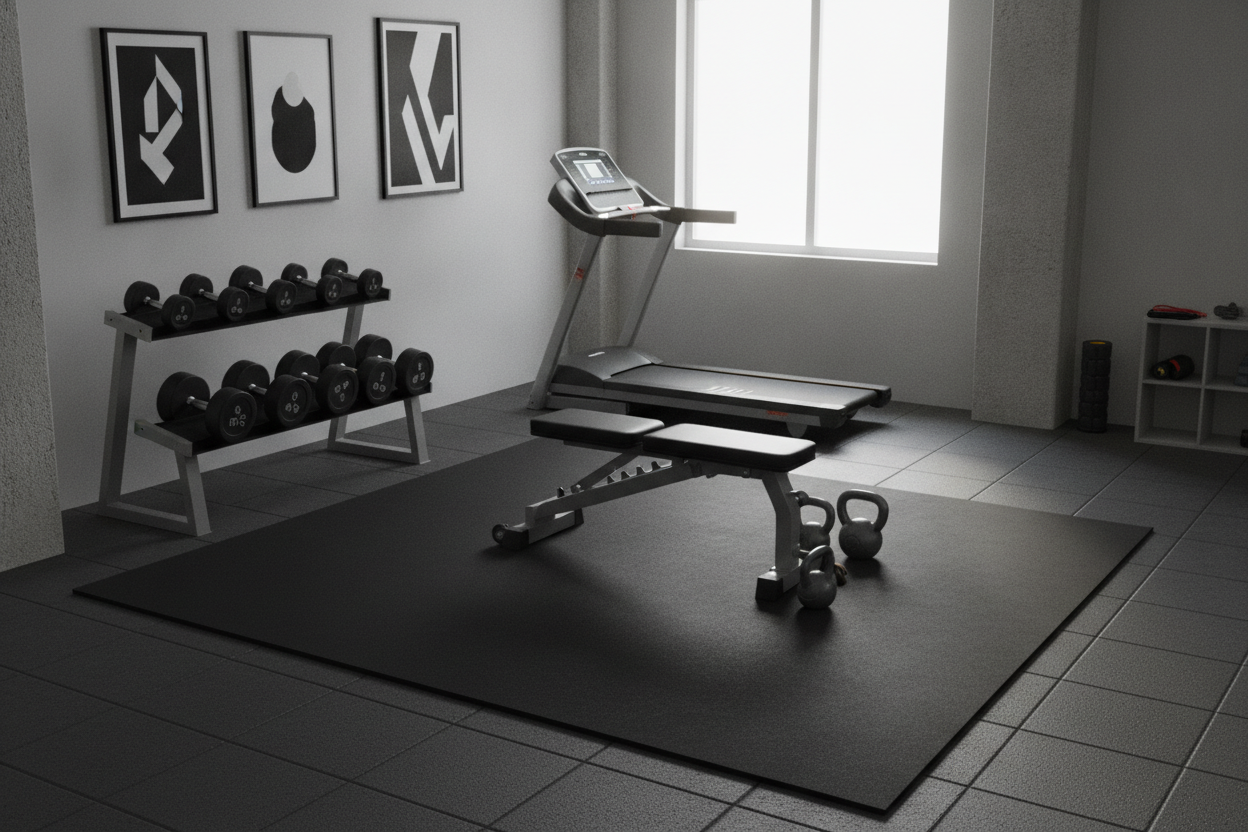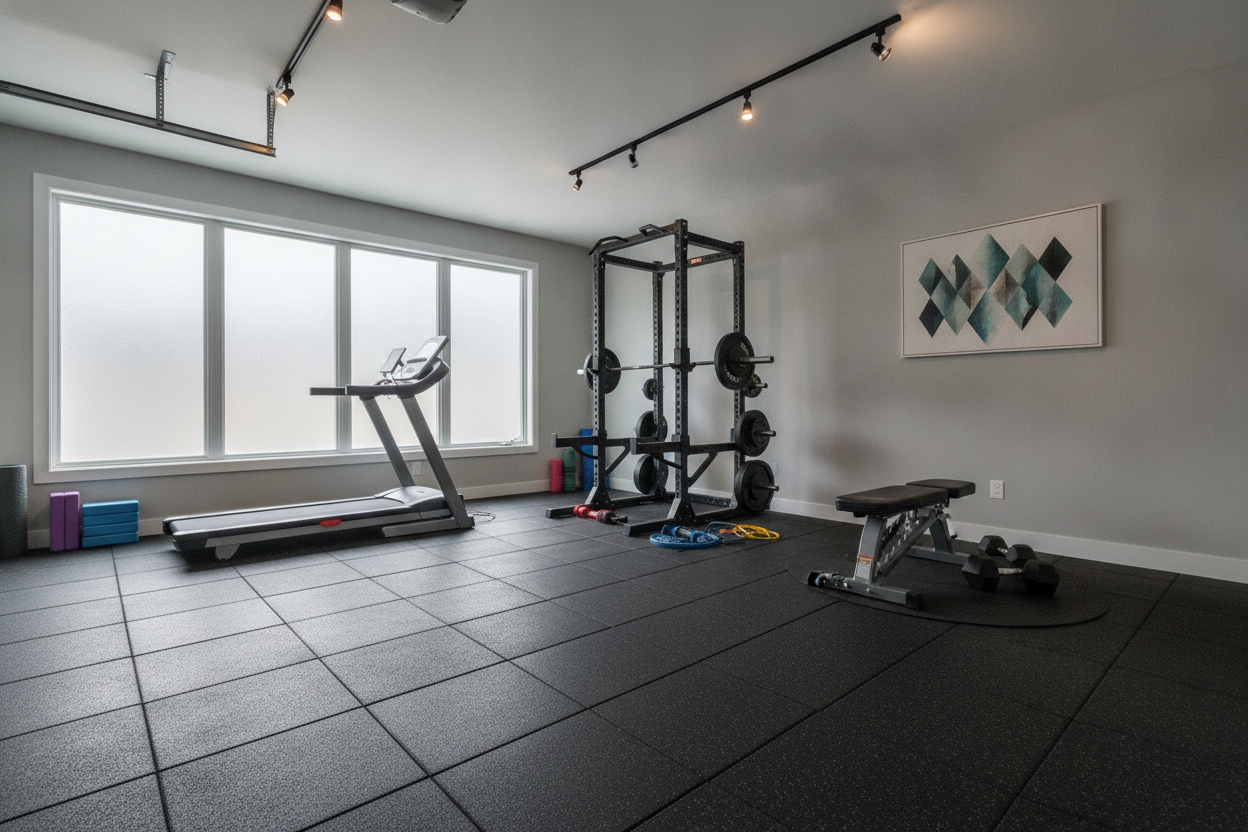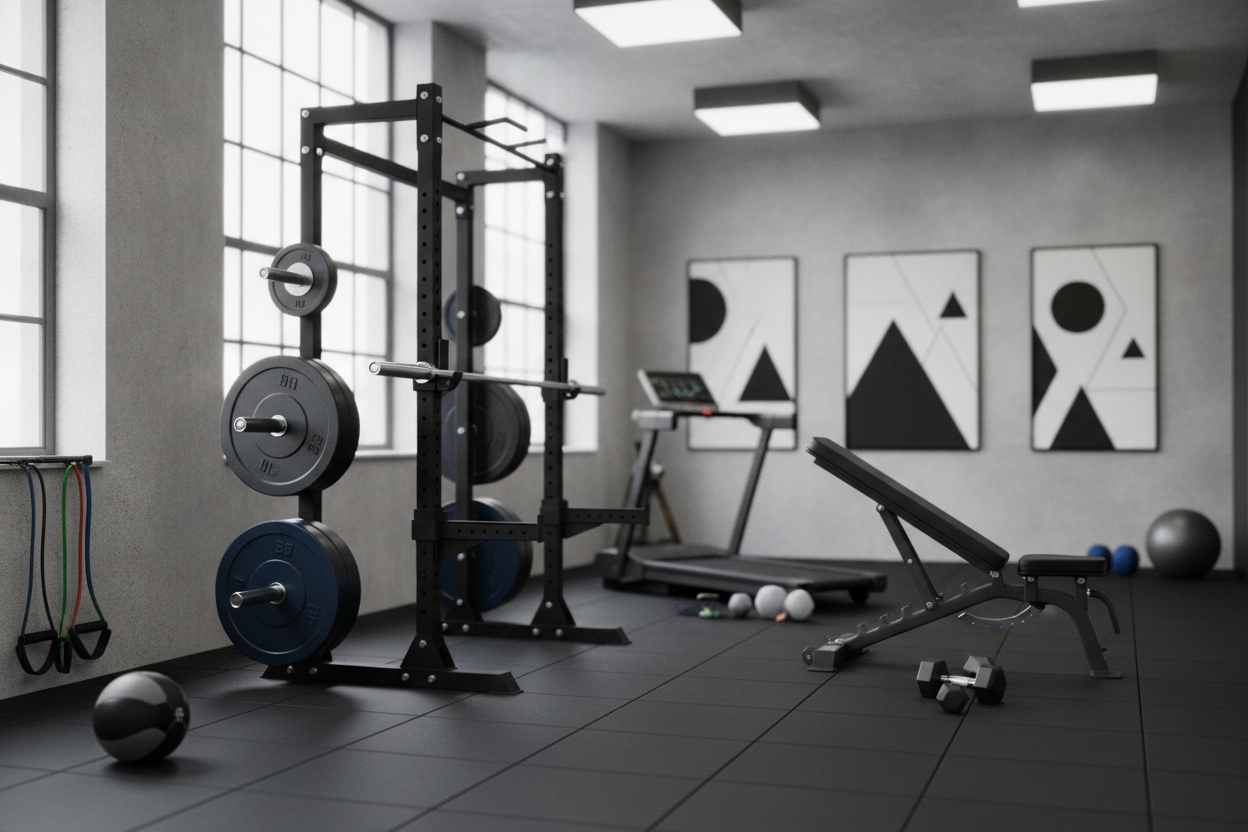
Your Workouts Suck Because You Can't Define Strength in Fitness
I remember the day I finally hit a 405-pound squat in my garage. I felt like a god. My shins were bruised from the knurling, my belt was notched tight, and the plates were rattling on the sleeves. Then my neighbor asked for help moving fifteen 80-pound bags of mulch across his yard. By the fifth bag, my heart was hammering against my ribs and my grip was failing. I was 'strong,' but I couldn't do basic manual labor for ten minutes.
That was the wake-up call. If you spend all your time chasing a specific number on a barbell, you might realize your define strength in fitness is actually pretty narrow. You are strong in a one-inch groove, but useless everywhere else. It is time to stop buying gear for the person you want to be on Instagram and start buying it for the person you need to be in the real world.
Quick Takeaways
- Barbell numbers are a metric, not the whole mission.
- True strength requires a mix of absolute, relative, and endurance capabilities.
- Odd objects (sandbags, stones) translate better to daily life than perfectly balanced bars.
- Your home gym should prioritize tools that build 'useful' power over specialized machines.
The Day I Realized I Wasn't Actually Strong
There is a specific kind of ego that comes with owning a power rack and a pile of iron. You start thinking that because you can grind out a heavy triple on the bench, you are physically prepared for anything. But that mulch-moving incident proved I was just a specialist. I had built a body that was very good at moving a 1.1-inch diameter steel bar in a straight vertical line under optimal conditions. I had zero 'work capacity.'
I had spent thousands on a high-end power bar with aggressive knurling and a rack bolted into the concrete, but I didn't own a single sandbag. My 'strength' was a house of cards. If the weight wasn't perfectly balanced, or if I had to move it more than three feet, I was gassed. Most home gym owners fall into this trap. We get obsessed with the spreadsheet and the incremental 2.5-pound jump, forgetting that the definition of strength in fitness should include the ability to move heavy, awkward stuff without needing a three-minute rest between sets. If you can't carry your own body weight for 100 yards, your 400-pound squat is just a parlor trick.
How Do We Actually Define Strength in Fitness?
To fix your training, you have to look at the three pillars of the strength definition fitness coaches actually respect. First, you have Absolute Strength. This is your max output—the most weight you can move for one rep. It is important because it raises the ceiling for everything else. If you can deadlift 500 pounds, a 50-pound bag of groceries feels like a feather. But it is only one piece of the puzzle.
Next is Relative Strength. This is how strong you are compared to your body weight. This is where the 250-pound guy who can't do a single pull-up fails. If you can't move your own frame through space, you aren't strong; you are just large. Finally, there is Strength Endurance. This is the ability to exert near-maximal force repeatedly over time. This is the mulch-bag strength. It is the ability to keep your spine neutral and your grip locked while your lungs are screaming.
A balanced home gym needs to test all three. If you only have a barbell and a rack, you are likely over-indexing on absolute strength and ignoring the rest. You need tools that force your stabilizers to fire and your heart rate to climb. Think of a 53-pound kettlebell or a 150-pound sandbag. These tools don't care about your 'perfect form' or your powerlifting belt. They fight back, and that struggle is what builds the kind of durability that actually lasts.
The Trap of Obsessing Over the 'Big Three'
The fitness industry has convinced everyone that the Squat, Bench, and Deadlift are the only things that matter. Don't get me wrong, I love my power rack. But building a home gym solely around the Big Three is like buying a Ferrari and only ever driving it in a parking lot. It leaves massive gaps in your physical capability. You become very strong in the sagittal plane (forward and back) but remarkably weak in rotation or lateral movement.
When you only lift a barbell, you are training in a controlled environment. The bar is center-aligned, the weights are calibrated, and the floor is level. Real life is messy. Real life is picking up a lopsided couch or wrestling a 70-pound dog into a bathtub. If your training doesn't involve some level of chaos, you aren't building strength; you are building a very specific skill set that has diminishing returns once you hit a certain baseline of health.
Absolute vs. Useful Capability
There is a huge difference between moving a perfectly balanced 45-pound plate and a 45-pound slam ball. The ball shifts. The center of gravity is weird. Your core has to work twice as hard to keep you from toppling over. This is 'useful' capability. The strength definition fitness experts use often ignores the 'awkwardness factor.' I have seen guys who can bench 315 struggle to do 10 clean reps with a 70-pound dumbbell because they lack the stability to control the independent loads.
When you are buying gear, ask yourself: 'Does this make me better at one specific lift, or does it make me a more capable human?' A specialized squat bar is great if you are a competitive powerlifter. But for the rest of us, that money is better spent on a set of farmer's walk handles or a heavy-duty sled. Those tools build a type of 'armor' on the body that a barbell simply can't replicate.
Rebuilding Your Garage Around Real-World Power
If I were starting my gym over today with a focus on real-world power, I’d change my shopping list. Keep the rack and the bar—they are the foundation—but stop there with the 'precision' gear. Instead of buying a third specialized barbell, buy a 100-pound and a 150-pound sandbag. Sandbags are the ultimate 'useful strength' tool because they are never the same twice. Every time you pick one up, the weight shifts, forcing your grip and core to adapt.
Next, get a pair of farmer's walk handles. You can find basic ones that take Olympic plates for under $100. Carrying heavy weight for distance is the single most underrated exercise for building a bulletproof back and a crushing grip. It also builds that elusive strength endurance. Finally, grab a couple of heavy kettlebells—specifically a 24kg (53lb) and a 32kg (70lb). These allow for explosive movements like swings and snatches that build 'snap' and coordination that slow barbell lifts miss. This gear doesn't take up much space—you can fit all of it in a 4x4 foot corner—but it will do more for your actual physical capability than a $3,000 leg press machine ever will.
Your New Baseline for Being 'Strong'
Stop looking at the world record totals and start looking at your own utility. A solid baseline for a 'strong' person isn't just a 2x bodyweight deadlift. It is being able to carry your body weight for 100 meters, performing 10 strict pull-ups, and being able to get up off the floor without using your hands. If you can do those things, you have a foundation that will serve you for decades.
Refining your goals this way is essential for finding your strength and staying motivated in fitness. When you stop chasing arbitrary numbers on a spreadsheet and start chasing the ability to do more in the real world, the burnout disappears. You aren't just lifting to lift; you are lifting to be a more capable version of yourself. That is a goal that doesn't have an expiration date.
FAQ
Is a barbell necessary for strength?
It is the most efficient tool for building absolute force, but it isn't the only way. You can get incredibly strong with just kettlebells and sandbags, and you will likely have fewer joint issues in the long run.
How heavy should my sandbag be?
Start with a bag that is about 50% of your body weight. If you can't shoulder it for 10 reps, it is too heavy. If you can carry it for a mile, it is too light.
Why do my gym numbers not translate to manual labor?
Usually, it is a lack of grip strength and core stability. Barbells allow you to bypass many stabilizer muscles that real-world objects demand. Add carries and odd-object lifts to bridge the gap.