Your Tight Lower Back Actually Needs an Upper Glute Stretch
I spent years trying to crack my lower back after heavy deadlift days. I bought every foam roller and massage gun on the market, thinking my lumbar spine was just built wrong or that I was finally paying the price for that one ugly rep in 2018. Turns out, the issue wasn't my spine at all—it was my hips screaming for a proper upper glute stretch.
When you spend your training sessions under a barbell, your glutes do the heavy lifting, but they also do the heavy stabilizing. If those muscles at the very top of your posterior chain lock up, they pull on your pelvis, which in turn yanks on your lower back. You can stretch your lumbar all day, but you're just treating the symptom, not the source.
- The glute medius is the primary culprit for 'phantom' lower back pain.
- Static stretching before lifting can actually decrease your power output.
- Hinging at the hip is more effective than reaching for your toes.
- A dedicated recovery space makes you 50% more likely to actually finish your mobility work.
Why Your 'Tight Back' is Actually a Glute Problem
Most lifters think of the glutes as one big muscle (the maximus), but the real magic happens in the glute medius and minimus. These sit higher up and more toward the side of your hip. Their job is to keep your pelvis level when you're squatting, pulling, or even just walking. When these 'upper glutes' get overworked or stuck in a shortened position from sitting at a desk, they get tight. Because they attach right near the top of the iliac crest, that tension feels like it's coming from your lower back.
If you're hitting heavy triples and your lower back feels 'pumped' or stiff afterward, it’s often because your glutes have stopped firing correctly and have started guarding. This guarding creates a tug-of-war between your hips and your spine. Learning how to stretch your upper glutes isn't just about feeling good; it's about resetting your pelvic tilt so your spine can sit in a neutral position again.
The Difference Between Your Hamstrings and Your Hips
I see guys in the gym all the time trying to fix hip stiffness by doing basic toe touches. That’s a hamstring move, and while it’s fine for general mobility, it won't touch the deep tension in your glute medius. To get real relief, you have to change the angle of the stretch. Hamstrings run vertically; your glutes are a complex fan of fibers that require rotation to actually release.
You need to differentiate between the 'pull' behind your knee and the 'deep ache' in your hip. If you want to target your upper hamstrings and the area where the glute meets the leg, you can keep your legs straight. But for the upper glutes, you need to bring your knee across your midline. This internal rotation is the secret sauce that most lifters miss because it feels 'awkward' compared to a standard stretch.
How to Stretch Your Upper Glutes Without Awkward Yoga Poses
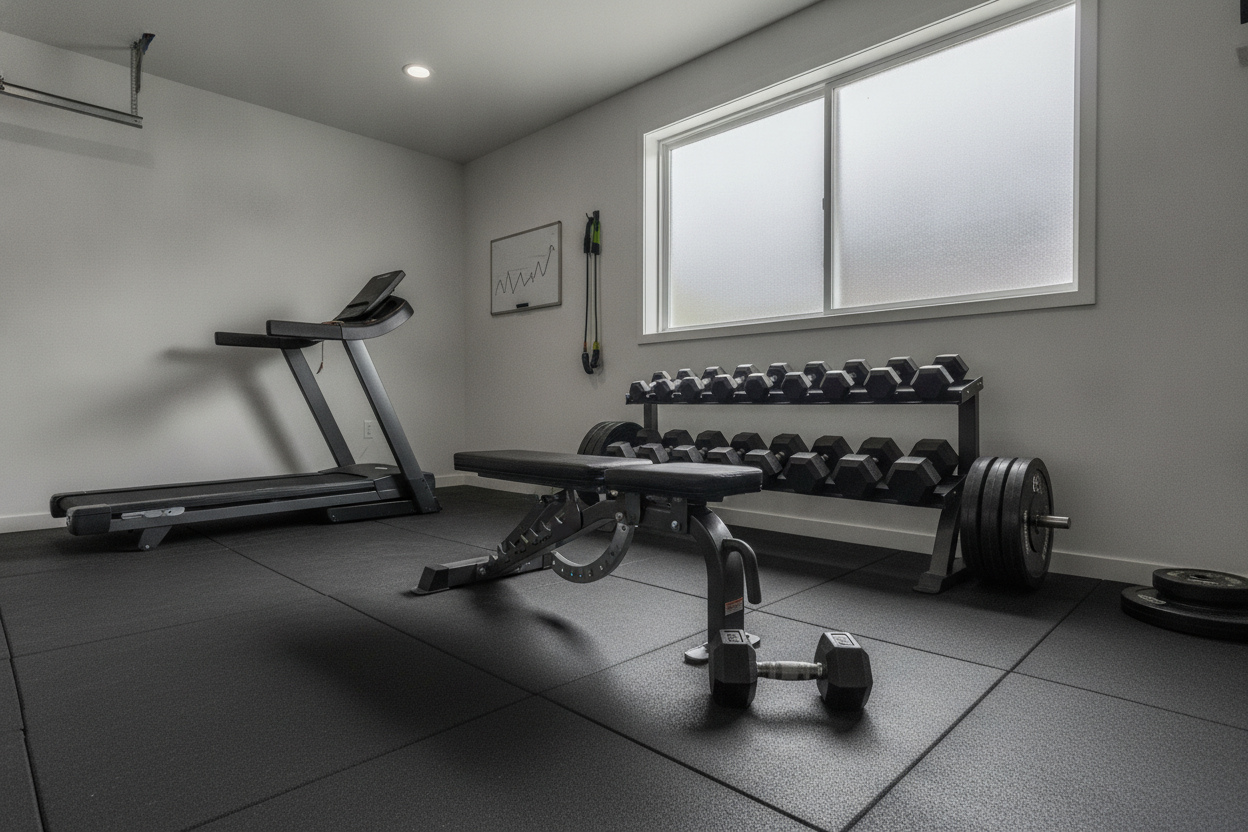
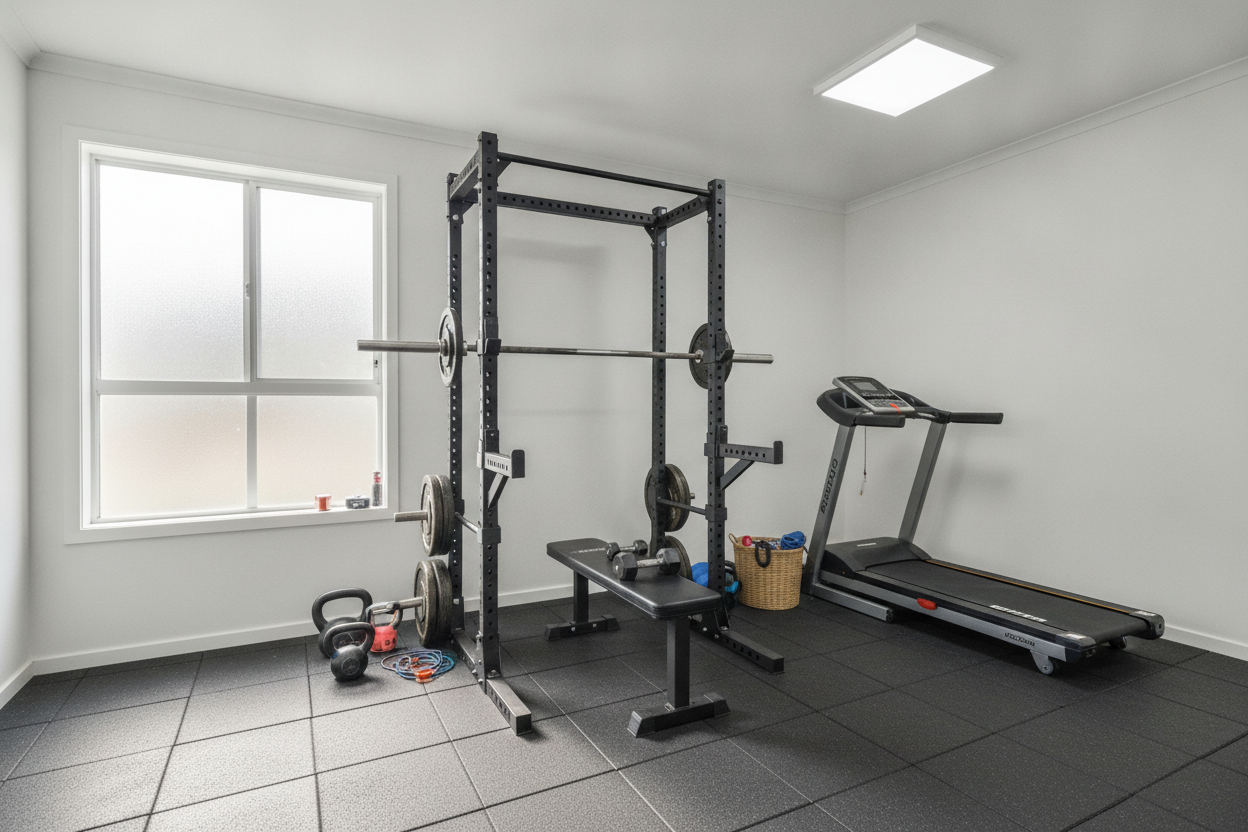
You don't need to join a hot yoga studio to fix your hips. In a garage gym, we want movements that are high-impact and low-fuss. These stretches for upper glutes are designed to be done right next to your power rack, using the equipment you already have. The goal is to feel a deep, dull stretch in the 'pocket' area of your hip, not a sharp pain in the joint.
The Seated Figure-Four (The Lifter's Version)
Sit on the edge of your weight bench. Cross your right ankle over your left knee. Now, here is the part everyone messes up: do not round your back. Keep your chest high and your spine dead straight. Hinge forward from your hips as if you're trying to touch your belly button to your calf. You’ll feel a sharp pull in the upper, outer glute immediately. Hold for 60 seconds and breathe through the discomfort.
The Wall-Assisted Glute Medius Drop
Stand sideways next to a wall or your power rack upright. Place your hand on the rack for balance. Cross the leg closest to the rack behind your other leg, planting your foot firmly. Now, push your hip out toward the rack while keeping your torso upright. You’re essentially 'dropping' your weight into that upper glute. This is one of the most effective stretches for upper glutes because it uses your body weight to create the leverage.
Building a Proper Floor Routine for Hip Mobility
If you're trying to do mobility work on cold, hard concrete, you're going to fail. I tried for months to do a floor routine on my stall mats, but the texture is abrasive and the floor is freezing in the winter. Your nervous system won't let your muscles relax if you're uncomfortable. You end up rushing the stretch, doing 15 seconds when you need two minutes.
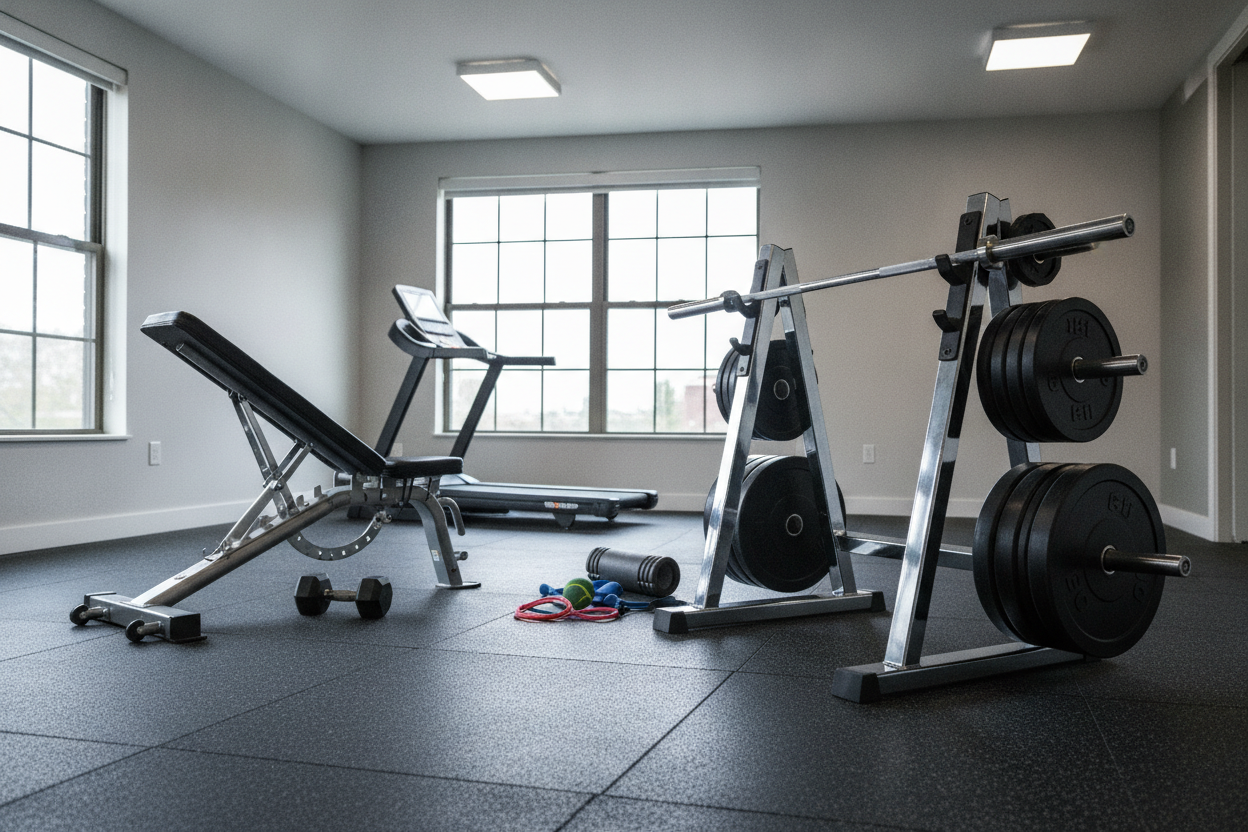
Invest in a large exercise mat for home gym use that you can roll out over your lifting platform. Having that dedicated, cushioned space changes the psychology of the session. When the floor is comfortable, you'll actually hold the positions long enough to see a change in your hip internal rotation. Aim for a ten-minute floor block every evening while you're watching TV—it’s the lowest-effort way to keep your back healthy.
When to Do These Stretches (Before or After You Lift?)
Timing is everything. I made the mistake for years of doing heavy static stretching right before I got under a squat bar. Don't do that. Static stretching relaxes the muscle and can temporarily reduce your 'spring' and stability. For a pre-workout, stick to dynamic movements like leg swings or bodyweight lunges to get the blood flowing.
Save the deep upper glute stretch for your post-workout cooldown or right before bed. This is when your muscles are warm and more pliable, and the 'parasympathetic' effect of long-hold stretching will actually help you recover faster. If you've just finished a heavy session of deadlifts, five minutes of glute work can be the difference between waking up feeling like a million bucks or waking up feeling like you were hit by a truck.
FAQ
Can I stretch my glutes too much?
Yes. If you start feeling a 'pinch' in the front of your hip (the hip flexor area) while stretching the back, back off. You want a muscle pull, not joint impingement.
Why does my foot go numb during a figure-four stretch?
You're likely putting pressure on the sciatic nerve. Adjust your hip angle or don't lean forward quite as far. The stretch should be in the muscle, not the nerves.
How long until my back pain goes away?
If the issue is truly glute-related, you'll often feel immediate relief after a single session. However, long-term change takes about 2-3 weeks of consistent daily stretching to 'reset' your resting muscle tension.