Your Slippery Gym Floor Is Ruining Your Best Lift Exercise
I’ve spent the last decade training in garages, basements, and high-end commercial clubs. There is nothing more frustrating than getting halfway through a heavy lift exercise only to feel your back foot start to drift like a car on black ice. You’ve got the plates loaded, the belt is tight, and your bracing is on point, but your foundation is literally sliding away from you.
We spend a lot of time obsessing over barbell knurling and sleeve rotation, but we rarely talk about the two square feet where your body actually meets the earth. If your floor is slick or squishy, you aren't just losing power—you’re asking for a tweak that will put you on the sidelines for a month. A solid lift workout starts with friction, not just muscle.
Quick Takeaways
- Foam puzzle mats are for playrooms, not for heavy squats or deadlifts.
- Stability starts at the foot; if your shoes are too cushioned, you're leaking force.
- High-density rubber is the only surface that handles sweat and heavy loads safely.
- Rooting your feet is a skill that requires a non-slip surface to be effective.
Why You Feel Shaky Under the Bar
Force production is a simple equation of physics. When you push against the ground, the ground is supposed to push back. If you’re standing on a surface that compresses or slides, that energy doesn't go into the bar; it gets absorbed by the floor or wasted as your stabilizer muscles scramble to keep you upright. This is why a heavy lift exercise feels twice as heavy on a bad surface.
Instability creates a 'neural emergency' in your brain. If your nervous system senses that your footing is precarious, it will actually down-regulate how much power your muscles can produce. It’s a built-in safety mechanism. You can’t reach your true potential in any lift workout if your brain is worried about you falling over. You’ll feel shaky, hesitant, and significantly weaker than you actually are.
The Floor Dictates Your Lift Workout
I’ve seen guys try to pull 500 pounds off bare concrete. It’s better than carpet, sure, but once a little sweat or chalk dust hits that smooth surface, it becomes a skating rink. On the flip side, those cheap foam puzzle mats you find at big-box retailers are even worse. They compress under load, throwing your alignment off and potentially causing your ankles to roll inward during a heavy squat.
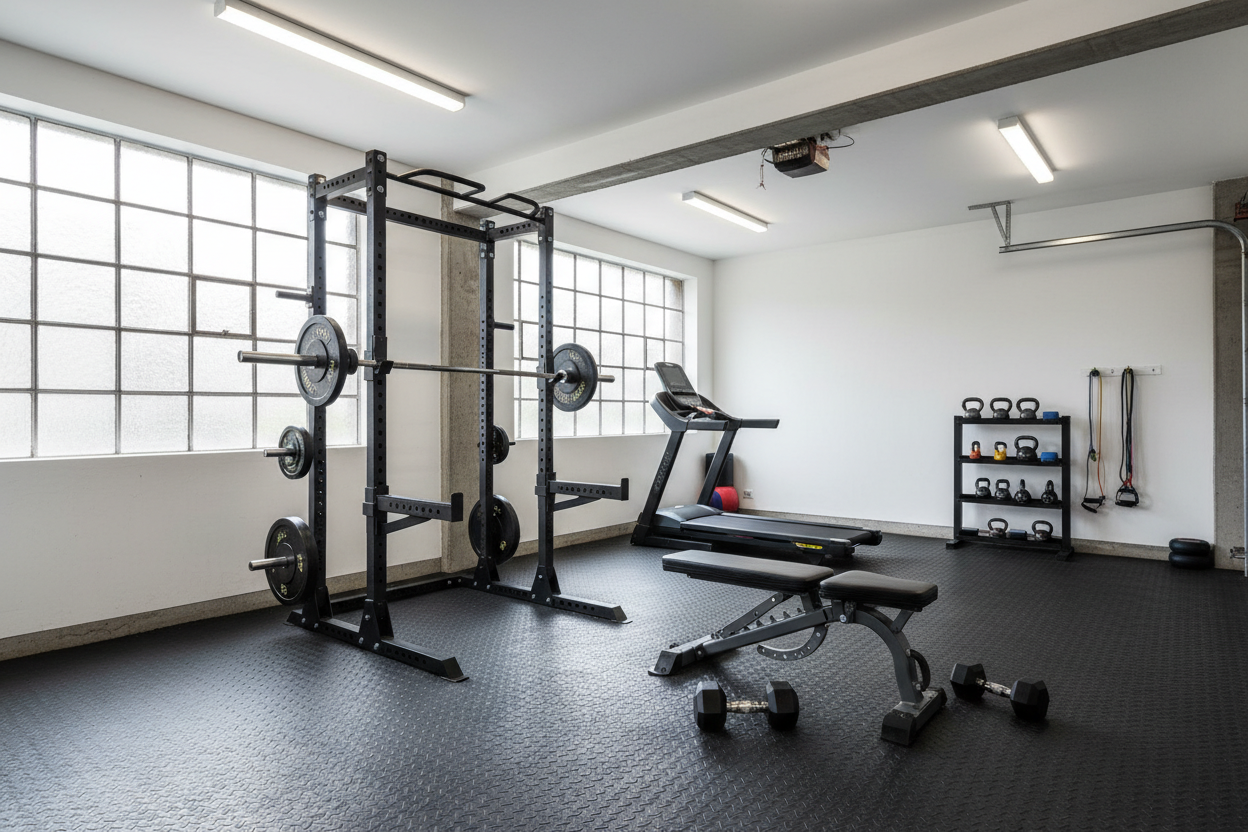
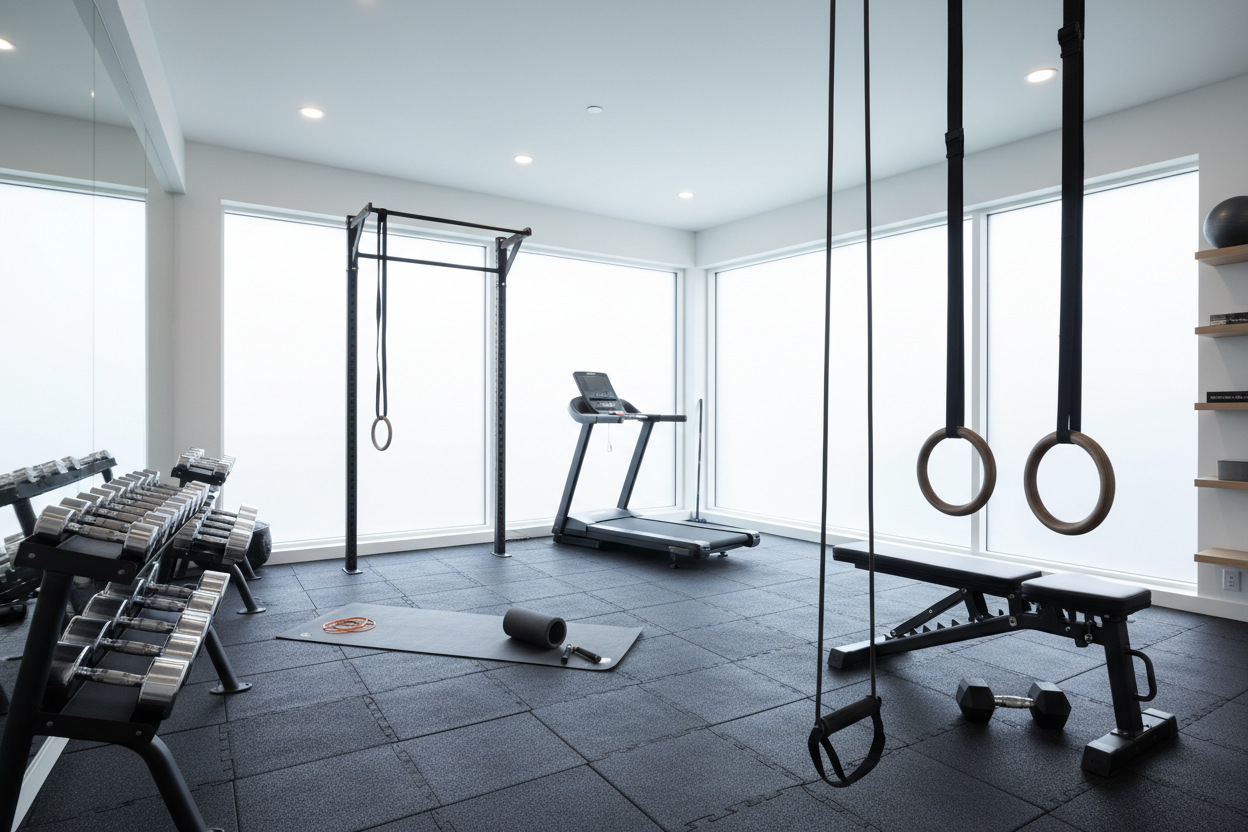
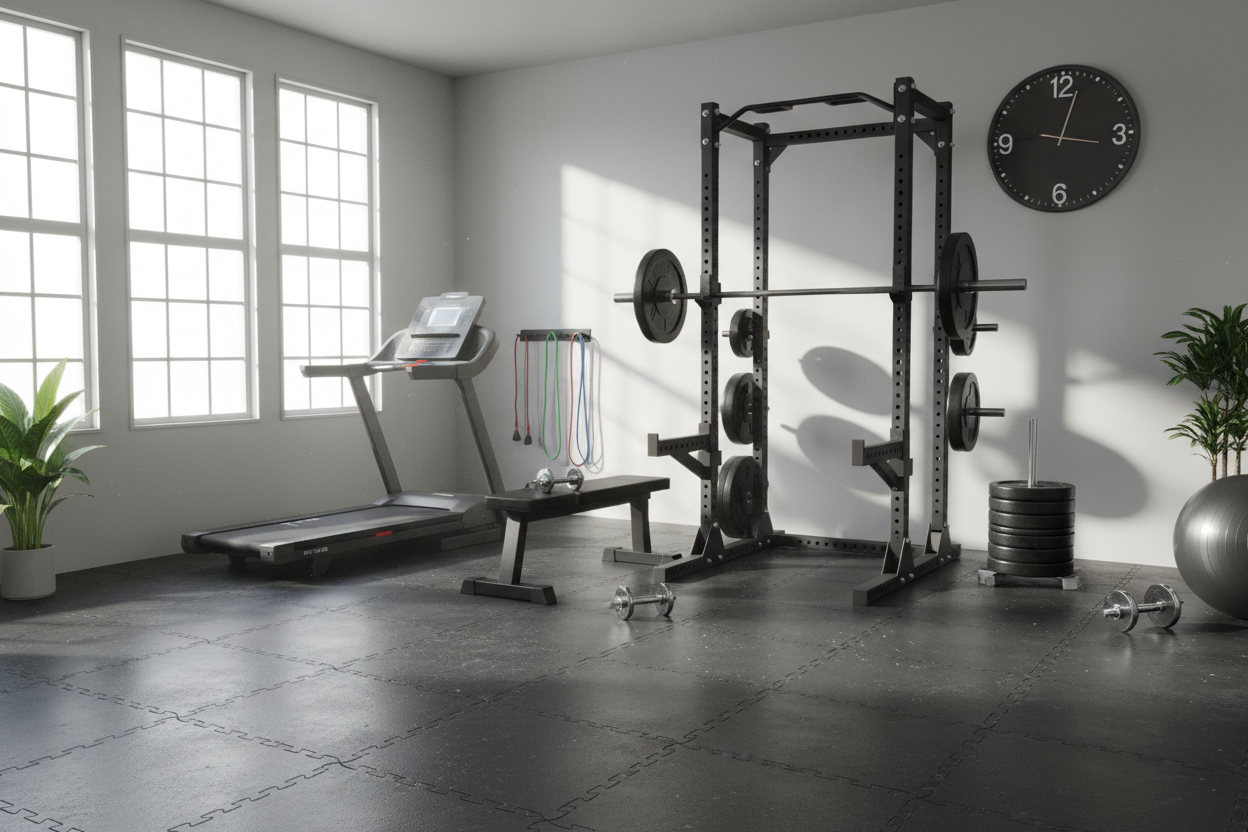
If you want to move real weight, you need high-density rubber. I always recommend a large exercise mat for home gyms because it provides the necessary 'bite' for your shoes. You want something that doesn't budge when you’re driving your knees out or adjusting your stance. A quality surface ensures that every ounce of effort you put into the floor goes directly into moving the weight upward.
Barefoot vs. Lifting Shoes: Finding Your Grip
Your footwear is the second half of the stability equation. Many people love the 'grounded' feel of lifting barefoot, which is great for building foot strength, but it only works if the floor has enough texture to grab your skin. If you’re on a slick surface, you’ll find your toes clawing for dear life just to stay in place during a lift exercise.
Lifting shoes (heeled weightlifting shoes) or flat-soled shoes like Chuck Taylors or dedicated powerlifting slippers offer different advantages. Heeled shoes help with squat depth, while flats are often preferred for deadlifts to decrease the range of motion. Regardless of the style, the outsole needs to be made of a grippy compound. If the bottom of your shoe is worn smooth, it doesn't matter how good the flooring is—you're still going to slide.
Three Cues to Root Your Feet Before You Pull
Once you have the right surface, you have to actually use it. I use three specific cues to 'root' myself before any heavy lift workout. First, think about 'tri-pod feet.' Distribute your weight evenly between your heel, the base of your big toe, and the base of your pinky toe. Second, 'claw the floor' with your toes. Don't just let them sit there; actively engage them.
Third, and most importantly, 'screw your feet into the ground.' Without actually moving your feet, try to rotate them outward. This creates external rotation at the hip and creates a rock-solid arch in your foot. Practicing these cues on a heavy-duty 6x8ft exercise mat makes a massive difference because the rubber provides the resistance needed to actually generate that torque. When you’re locked in like this, the bar feels like an extension of your body rather than a separate object you’re fighting.
Stop Slipping During High-Intensity Lift Workouts
Things get even dicey when you move away from slow, controlled movements into more dynamic training. When the heart rate is up and the sweat is pouring, a slippery floor is a recipe for a groin pull or a blown-out knee. You need a surface that maintains its grip even when it’s damp.
If you’re running an intense 30 min HIIT workout, you’re likely jumping, lunging, and transitioning between movements quickly. This is where high-density mats earn their keep. Unlike standard gym floors that get slimy when wet, professional-grade rubber stays tacky. Safety isn't just about how much you can lift; it's about making sure you can finish the session without a trip to the physical therapist.
Personal Experience: The Foam Tile Disaster
Years ago, when I first started my home gym, I bought two packs of those 1/2-inch foam tiles because they were cheap. I thought they looked 'pro' enough. One afternoon, I was working on a heavy set of overhead presses. As I pushed the bar up, my feet started spreading apart. The tiles were literally separating under my feet. I had to ditch the bar forward and nearly took out my shins. I threw those mats in the trash that night and bought real rubber. Don't make my mistake—buy the right flooring once so you don't have to buy it twice.
Frequently Asked Questions
Is 1/4-inch rubber thick enough for deadlifts?
For the floor's protection, no. For your grip, it's fine. But if you're dropping 300+ pounds, you want at least 3/8-inch or 1/2-inch to protect the concrete underneath and dampen the noise.
Can I just use a yoga mat for lifting?
Absolutely not. Yoga mats are designed to be squishy and stretchy. If you try to do a heavy lift exercise on a yoga mat, it will stretch under your feet, which is incredibly dangerous for your balance.
How do I clean my gym floor to keep it grippy?
Avoid oil-based cleaners or anything that leaves a 'shine.' A simple mix of water and a tiny bit of mild dish soap or a dedicated rubber floor cleaner is all you need. Keep the dust and chalk buildup to a minimum to maintain maximum friction.