Your Quads Are Taking Over: Why You Need the Narrow Hip Thrust
I have spent years in my garage trying to figure out why my quads were doing all the work while my glutes just sat there for the ride. You load up four plates on each side, your eyes are bulging, but your butt feels nothing. That is where the narrow hip thrust comes in to save your physique and your ego.
Standard stance thrusts are great, but they offer too much room for your quads to take over the movement. By bringing your feet closer together, you force the mechanics to shift. It is a simple tweak that makes a 225-lb set feel harder and more effective than a sloppy 405-lb set.
- Narrow stance reduces quad and hamstring leverage.
- Forces a higher peak contraction in the gluteus maximus.
- Requires less total weight for the same level of fatigue.
- Easier to maintain a proper posterior pelvic tilt.
Why You Are Only Feeling the Burn in Your Quads
It is the most common complaint I hear: 'i don't feel hip thrusts in my glutes.' You’re hitting the movement, you’re moving heavy iron, but the next day your quads are sore and your glutes feel like they didn't even show up to the party. This usually happens because a wider stance allows your adductors and quads to assist in the hip extension.
When your feet are wide, your brain finds the path of least resistance. If you have strong quads from years of squatting, they will naturally try to dominate the lift. By narrowing the stance, you effectively take the 'kick' out of the quads at the bottom of the rep, leaving the glutes with nowhere to hide.
How the Narrow Hip Thrust Changes the Math
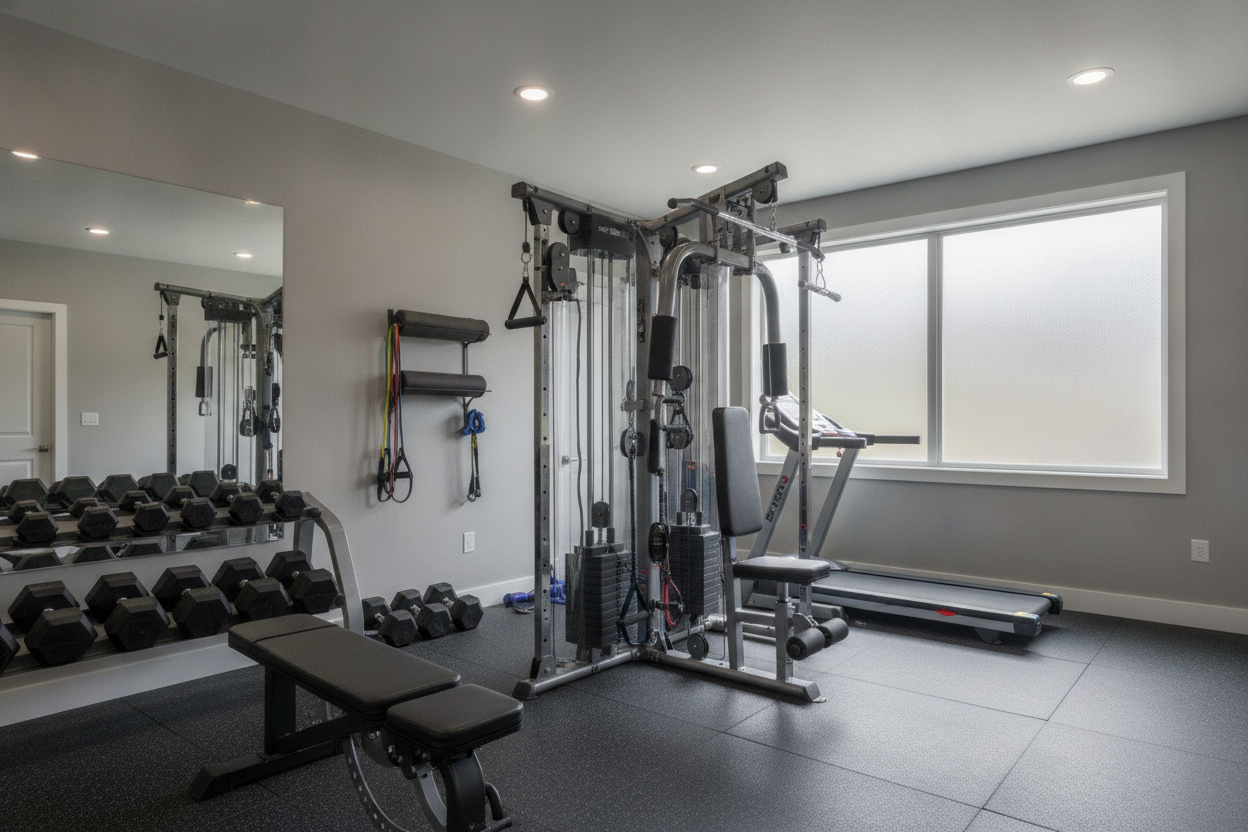
The biomechanics here are straightforward. When your feet are tucked closer together, you change the angle of pull. This specific foot placement alters the leverage, directly answering How To Build Glutes With The La Fitness Hip Thrust Machine by reducing quad involvement at the bottom of the movement. Even on a machine, a narrow stance forces the hips into a more isolated extension.
By bringing the feet inside shoulder width, you’re also naturally encouraged to keep your knees from caving in. This constant tension on the lateral part of the glutes, combined with the heavy hip extension, creates a much more localized burn. You are essentially shortening the lever arm for the quads and lengthening the focus on the posterior chain.
Getting Your Setup Right (So You Don't Slide Away)
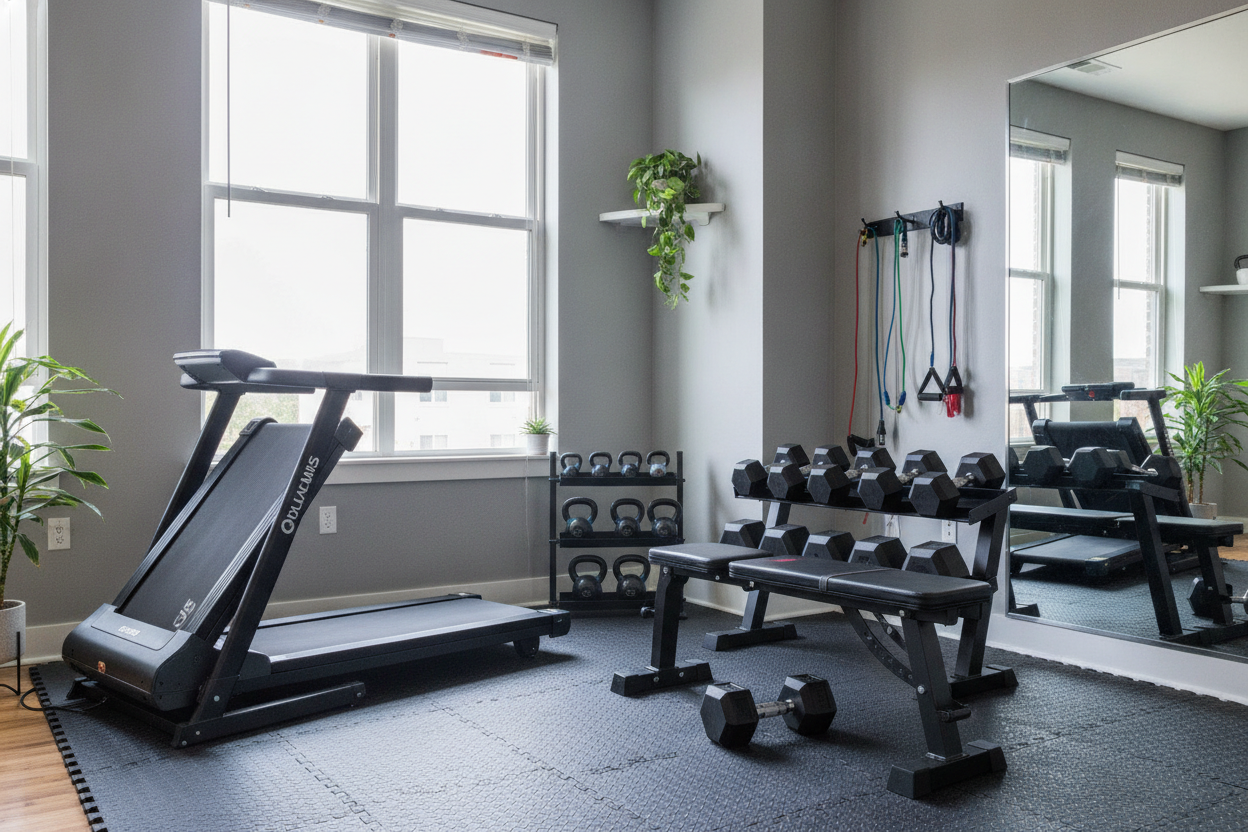
If you are training in a home gym, setup is everything. There is nothing worse than getting mid-set and having your bench slide across the horse stall mats. You need a solid pivot point. I personally use the Gxmmat Hip Thrust Bench because it stays put and hits the shoulder blades at the right height. If your bench is too high, you’ll never get the right depth for a narrow stance.
Floor grip is the second half of the equation. In a narrow stance, your feet have a smaller footprint, meaning they are more prone to sliding forward if you aren't wearing the right shoes or using a high-traction mat. Make sure your back is locked against the padding and your feet are rooted. If you’re fighting the equipment, you aren't focusing on the glutes.
Pro Tips to Actually Feel Your Glutes Working
To maximize hip thrust glute activation, you need to master the 'scoop.' Instead of just pushing the bar up, think about tucking your tailbone under your body as you rise. This posterior pelvic tilt is the secret sauce for how to engage glutes in hip thrust reps. If your back is arched, your spine is doing the work, not your hips.
Keep your chin tucked toward your chest throughout the entire movement. Looking at the ceiling is a recipe for an arched lower back. By looking forward, you keep your ribs down and your core engaged. Drive through your heels—not your toes—to ensure you are hitting the glutes at the top of the lockout. If your heels are lifting, your quads are definitely winning the battle.
Programming the Narrow Stance on Leg Day
I don't recommend the narrow hip thrust for your 1-rep max attempts. Because the base of support is smaller, it’s better suited for moderate weight and higher volume. Think in the 8 to 15 rep range. Use it as a secondary lift after your heavy squats or deadlifts to really burn out the tissue.
If you’re wondering Exactly How Many Hip Thrust Should I Do for Glutes?, the answer depends on your recovery, but 3 to 4 sets of narrow-stance work is usually the sweet spot. It provides enough stimulus to trigger hypertrophy without wrecking your central nervous system for the rest of the week.
Personal Experience: The Sliding Bench Incident
Early in my home gym days, I tried doing heavy narrow thrusts using a standard flat bench on a dusty concrete floor. Halfway through my third set, the bench kicked back about six inches. I ended up draped over the bar like a wet noodle, straining my neck in the process. It taught me two things: always anchor your bench against a wall or a rack, and never sacrifice stability for more weight on the bar. Now, I use a dedicated thrust station or a weighted-down bench every single time.
FAQ
Should my feet be touching?
Not necessarily. 'Narrow' usually means inside shoulder width. Keeping them about 4-6 inches apart is usually enough to shift the tension without making the balance feel impossible.
Does this work for people with long legs?
Yes, but you might need to play with your foot distance from the bench. If your feet are too close to your butt, your knees will take the brunt of the force. Aim for a 90-degree angle at the top of the rep.
Can I use a dumbbell instead of a barbell?
You can, but it’s harder to keep a narrow stance stable with a bulky dumbbell sitting on your lap. A barbell or a dedicated thrust machine provides much better tracking for this specific variation.