Your Power Rack Is All You Need: A Complete Guide to Building Strength at Home
When I first set up my home gym, I'll be honest—I felt a bit overwhelmed. There were so many fancy machines and gadgets promising incredible results. But after years of training, I've learned that sometimes the simplest setup delivers the best outcomes. A quality power rack has become the cornerstone of my home workouts, and I'm constantly amazed by how much you can achieve with this single piece of equipment.
If you're thinking about investing in home fitness equipment or already have a power rack gathering dust in your garage, this guide will show you exactly how to maximize its potential. Whether you're a complete beginner or someone looking to refine their training approach, understanding how to use your power rack properly can completely change your fitness journey.
Why a Power Rack Deserves Its Place in Your Home Gym
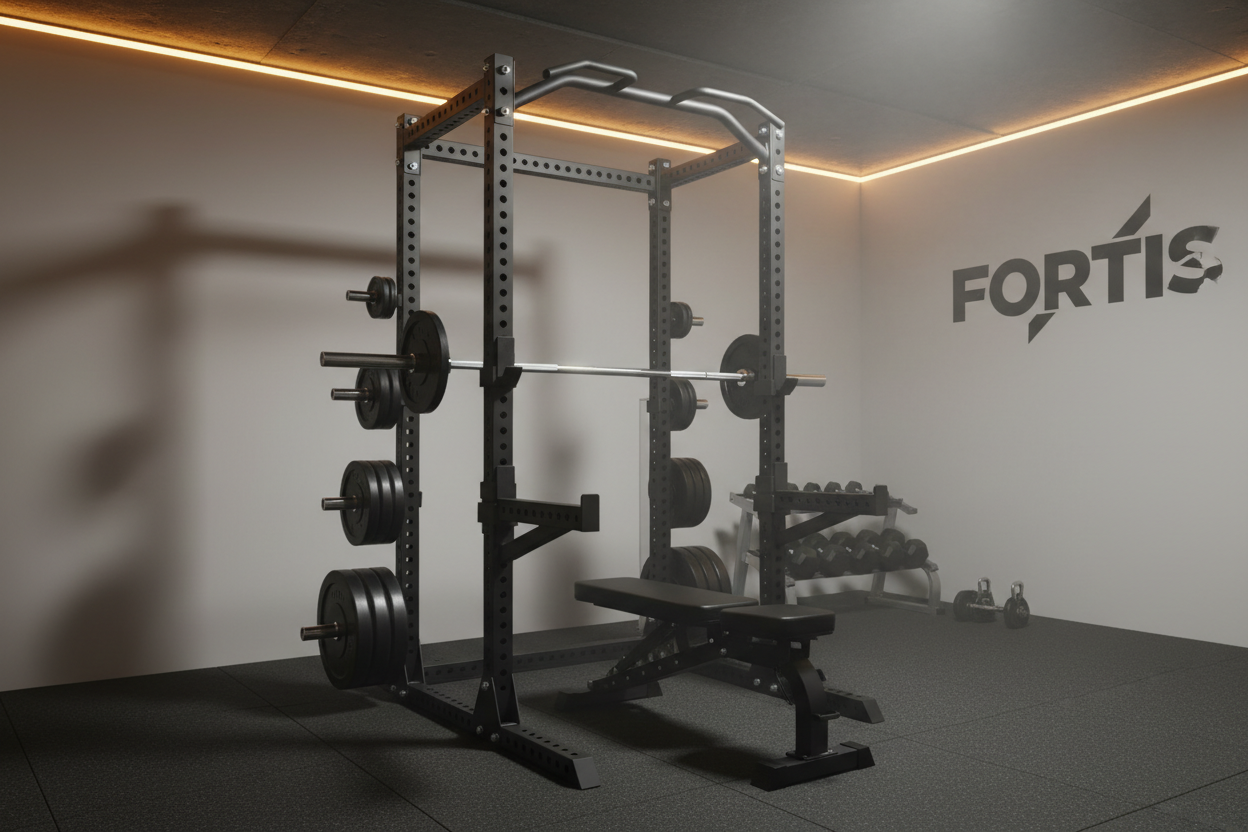
A power rack, also known as a squat cage or power cage, is essentially a four-posted steel frame with adjustable safety bars and hooks. It might look basic, but don't let its simplicity fool you. This piece of equipment offers unmatched versatility and safety for strength training at home.
The beauty of a power rack lies in its ability to support virtually every major compound movement. You can squat, bench press, overhead press, and perform pull-ups all within the same structure. The adjustable safety bars mean you can train to failure without needing a spotter—something that's absolutely crucial when you're working out alone at home.
Research published in the Journal of Strength and Conditioning Research consistently shows that compound movements performed with free weights activate more muscle fibers and produce greater strength gains compared to machine-based exercises. Your power rack facilitates exactly these types of movements, making it an evidence-based choice for building real functional strength.
Building Your Power Rack Only Workout Program
Creating a comprehensive power rack only workout program doesn't require complicated splits or dozens of exercises. The key is focusing on fundamental movement patterns that work multiple muscle groups simultaneously.
A well-structured program should include a pushing movement (like bench press or overhead press), a pulling movement (such as barbell rows or pull-ups), a squat variation, and a hip hinge movement (like deadlifts). These four categories cover every major muscle group in your body.
For beginners, I recommend starting with three full-body sessions per week. This frequency allows adequate recovery while providing enough stimulus for strength and muscle growth. As you progress, you might transition to an upper/lower split or a push/pull/legs routine, depending on your goals and recovery capacity.
The progressive overload principle should guide your training. This means gradually increasing the weight, repetitions, or sets over time. Studies from the National Strength and Conditioning Association confirm that progressive overload is the primary driver of strength adaptation. Keep a training log to track your progress—it's incredibly motivating to look back and see how far you've come.
Essential Cage Exercises for Complete Development
Let me walk you through the fundamental cage exercises that form the backbone of any solid training program. These movements have stood the test of time because they simply work.
Squats: The Foundation of Lower Body Strength
Squats are often called the king of exercises, and for good reason. They work your quadriceps, hamstrings, glutes, and core while also improving bone density and joint health. Position the barbell on the hooks at shoulder height, step under it, and place it across your upper back. Keep your chest up, core engaged, and descend until your thighs are at least parallel to the ground.
The safety bars in your cage should be set just below your lowest squatting position. This safety net means you can push yourself without fear of getting trapped under the bar—a game-changer for home training.
Bench Press Variations
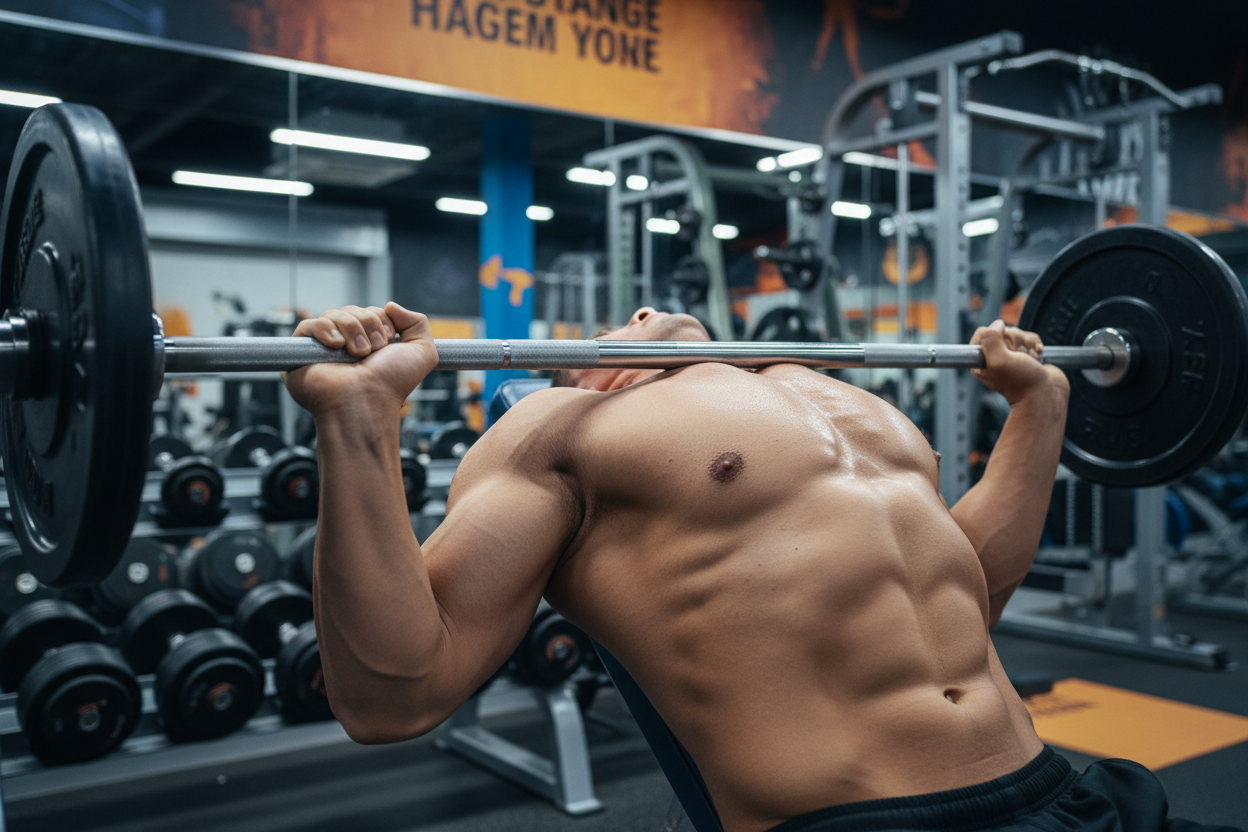
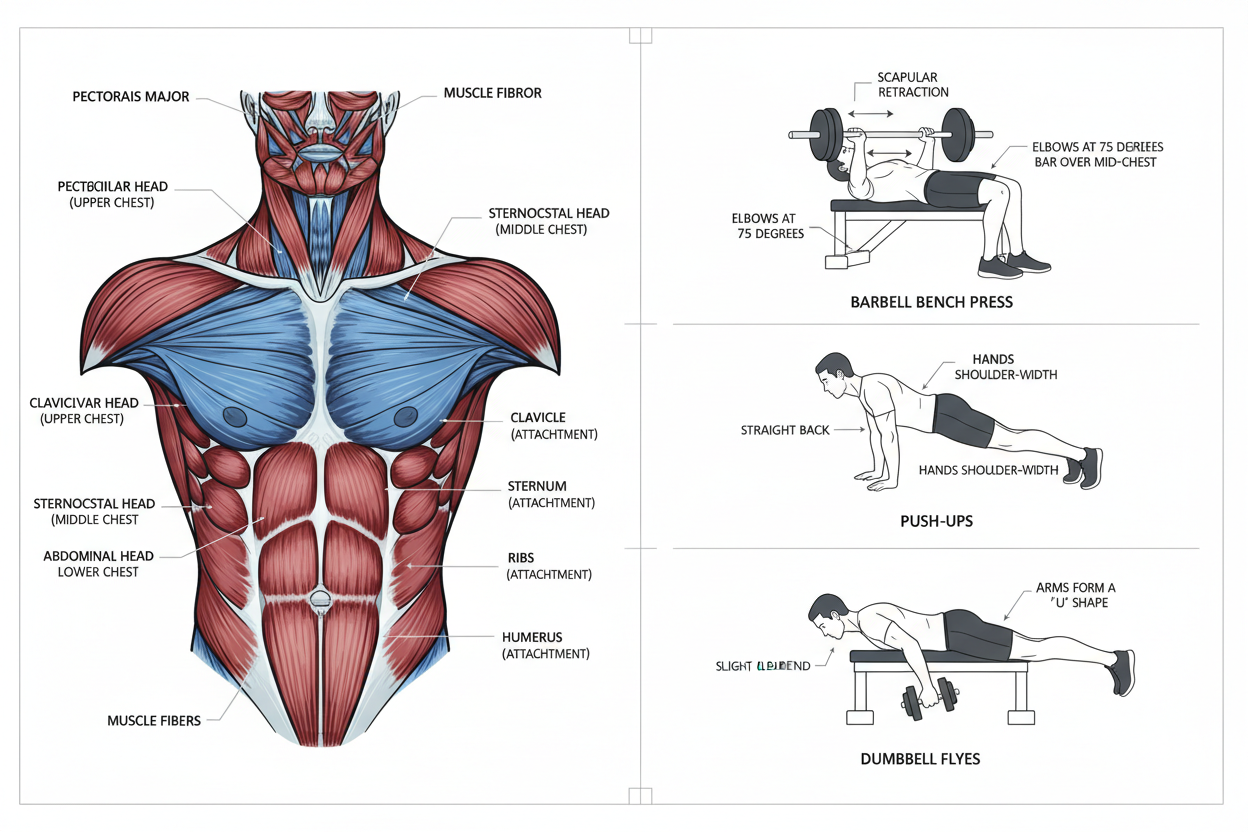
Workouts with squat rack and bench open up numerous pressing variations. The classic barbell bench press builds chest, shoulders, and triceps. Set your bench inside the cage, position the barbell on the hooks, and adjust the safety bars to just below your chest level when lying down.
You can also perform incline bench presses by adjusting your bench angle, which shifts emphasis to your upper chest. Floor presses, performed lying on the floor inside the cage, are excellent for building lockout strength and reducing shoulder strain.
Overhead Press
This movement builds powerful shoulders and a strong core. Start with the barbell at shoulder height on the hooks, press it overhead until your arms are fully extended, then lower with control. The overhead press requires full-body tension and coordination, making it one of the most functional strength builders available.
Pull-Ups and Chin-Ups
Most power racks include a pull-up bar at the top. These bodyweight exercises are unmatched for back and bicep development. If you can't perform full pull-ups yet, use resistance bands for assistance or perform negative reps (jumping up and lowering slowly).
Barbell Rows
Set the barbell on the lower hooks, hinge at the hips, and pull the bar to your lower chest. This exercise builds thickness in your back and improves posture—something we all need in our screen-dominated world.
Designing Your Home Power Rack Workout
A practical home power rack workout might look like this for someone training three days per week:
Day 1 focuses on squats as the primary movement, followed by overhead press, barbell rows, and core work like planks or hanging knee raises from the pull-up bar.
Day 2 centers around bench press variations, Romanian deadlifts (if you have the space to pull from the floor), pull-ups, and some isolation work for arms if desired.
Day 3 returns to squats but with different rep ranges or variations, includes more rowing movements, and finishes with conditioning work like barbell complexes.
Each session should start with a proper warm-up including mobility work and lighter sets of your main lifts. This preparation reduces injury risk and improves performance during your working sets.
Maximizing Results While Training Safely
Safety should never be an afterthought when training alone. Always set your safety bars appropriately for each exercise. These bars should catch the weight if you fail a rep, positioned just below your range of motion for each movement.
Proper form matters more than the weight on the bar. Research from sports medicine journals consistently shows that poor technique increases injury risk while reducing the effectiveness of the exercise. Film yourself occasionally to check your form, or work with a qualified coach for periodic form checks.
Recovery is where the magic happens. Your muscles don't grow during the workout—they grow during rest. Ensure you're getting adequate sleep (7-9 hours for most people), eating enough protein (research suggests 1.6-2.2 grams per kilogram of bodyweight for muscle building), and allowing at least 48 hours between training the same muscle groups intensively.
Making Consistent Progress
I've found that consistency beats perfection every single time. You don't need to have the perfect program or the most expensive equipment. What matters is showing up regularly and putting in the work. Some days you'll feel strong and energized; other days, you'll struggle with weights that usually feel light. Both types of days contribute to your progress.
Track your workouts, celebrate small victories, and remember that building strength is a marathon, not a sprint. The compound movements you perform in your power rack create a foundation of functional fitness that carries over into every aspect of daily life—from carrying groceries to playing with your kids to maintaining independence as you age.
Your power rack isn't just a piece of equipment; it's an investment in your long-term health and capability. With consistent training, proper nutrition, and adequate recovery, you'll be amazed at what you can achieve with this simple but incredibly powerful tool.