Your Post-Workout Pain Is Lying About What Builds Muscle Mass
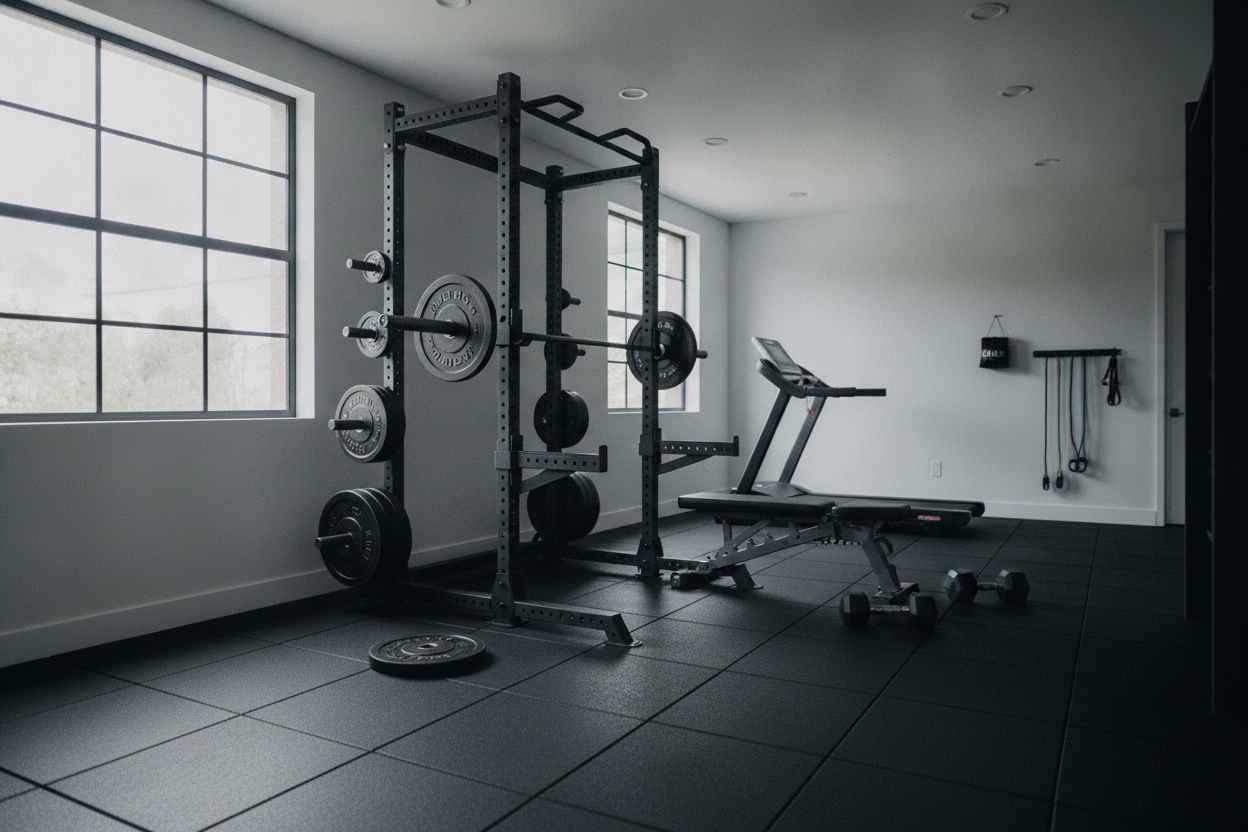
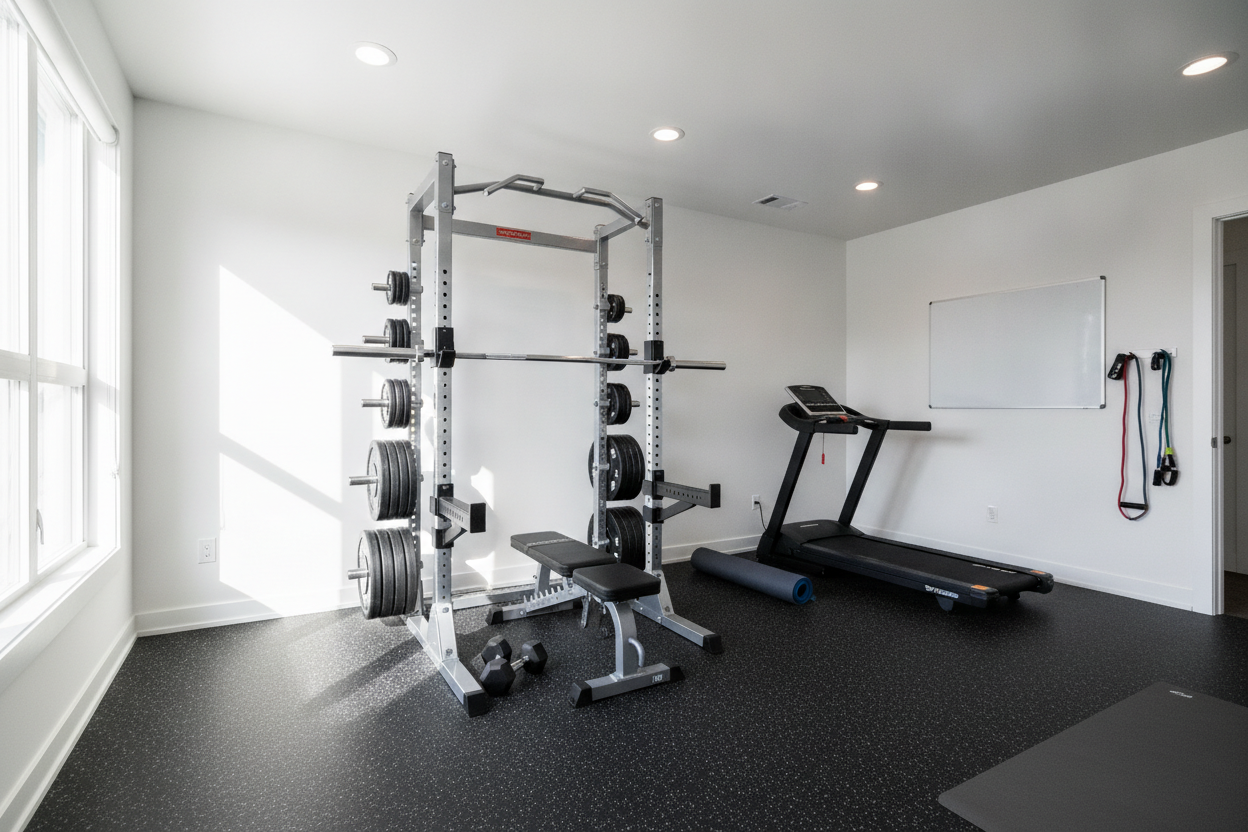
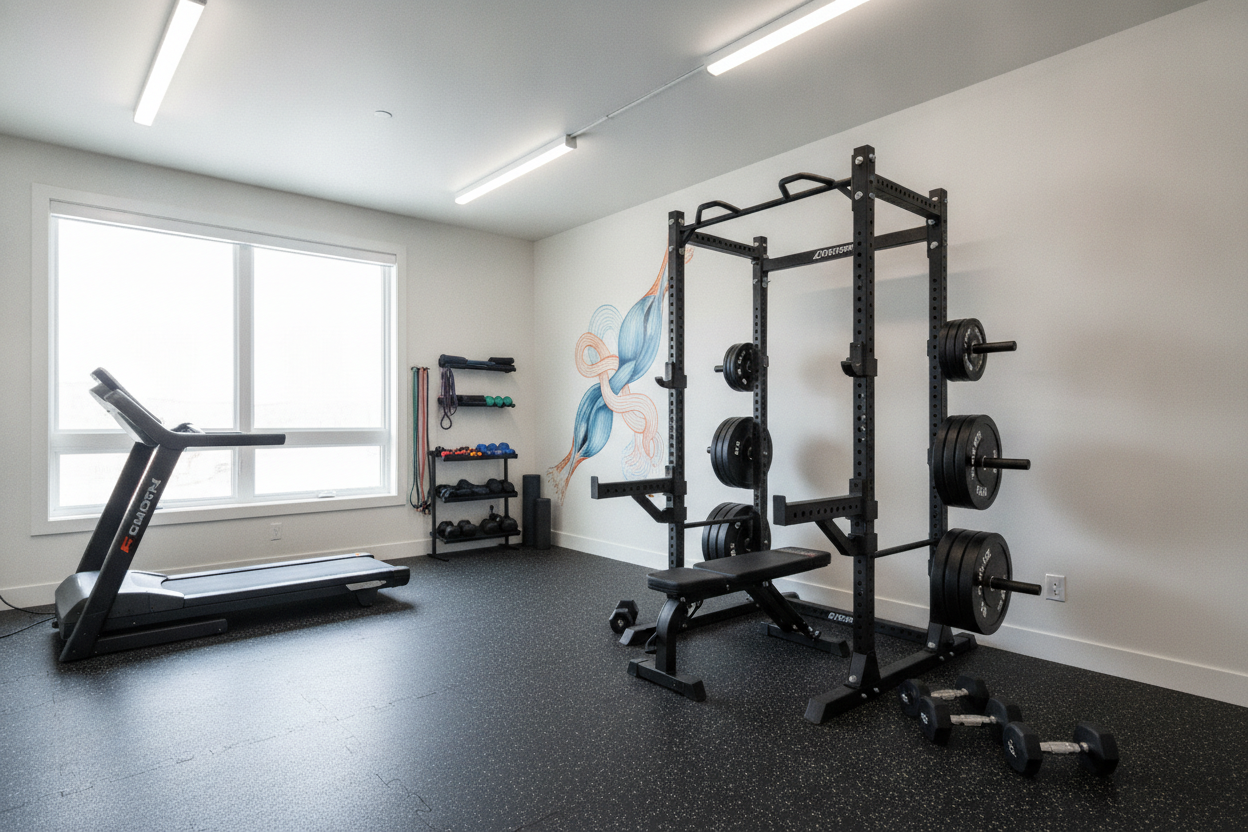
I remember dragging myself out of bed after a heavy squat session, my legs feeling like they were filled with wet concrete. I used to wear that soreness like a badge of honor, thinking the more it hurt, the faster I’d grow. I was dead wrong. I spent years chasing the burn in my garage gym while my progress stayed stagnant because I didn't understand what builds muscle mass.
The truth is, soreness is a terrible metric for progress. If you’re constantly crippled by DOMS, you’re likely overreaching and under-recovering. Real growth happens when you stop trying to survive your workouts and start trying to master them.
Quick Takeaways
- Muscle soreness is an inflammatory response, not a growth requirement.
- Mechanical tension is the primary driver of hypertrophy.
- Training frequency often beats intensity for long-term gains.
- Supplements cannot fix a broken program or a lack of sleep.
The 'No Pain, No Gain' Lie Keeping You Small
We’ve all seen the shirts and the Instagram quotes. It’s a catchy slogan, but it’s a garbage philosophy for hypertrophy. When you’re constantly sore, you’re dealing with excessive muscle damage. While a little damage is okay, too much of it forces your body to spend all its resources on repair rather than actually building new tissue. This is a major misunderstanding of what helps muscle growth.
I’ve had guys tell me they didn't feel like they worked hard because they weren't sore the next day. Then I look at their logbook and see they added 10 pounds to their bench. That is the only win that matters. If you’re chasing pain, you’re just a masochist. If you’re chasing weight and reps, you’re an athlete. Stop using your inability to walk down stairs as a KPI for your training.
The Biological Big Three: What Actually Triggers Hypertrophy
Science points to three main drivers for making muscle: mechanical tension, metabolic stress, and muscle damage. Of these, mechanical tension is king. This means putting your muscles under significant load and making them work through a full range of motion. It’s not about the pump—it’s about the tension.
I used to ego-lift 405-lb squats with half-depth, wondering why my legs looked like toothpicks. I eventually realized that I Dropped My Weights by 20% to Figure Out What Helps to Gain Muscle because I needed to actually feel the tension in the target muscle. When you prioritize form over the number on the plate, you finally start seeing what helps gain muscle. Metabolic stress is the icing, but tension is the cake.
Why Crippling Soreness Sabotages Your Next Session
If you hit legs on Monday and you’re still hobbling on Thursday, you can’t train legs again. This is where most people fail. Total weekly volume is a massive factor in how to promote muscle growth. If your leg day is so brutal it takes a week to recover, you’re getting 52 growth signals a year. If you train them moderately twice a week, you get 104.
I’ve found that active recovery is the only way to stay in the game. On my off days, I’m usually doing mobility work or light yoga on my extra wide exercise mats. It keeps the blood moving without adding more stress. Promoting muscle growth requires you to be fresh enough to perform when you step back into the rack. If you're always at 60% capacity because of soreness, you're never hitting the intensity needed to grow.
The Supplement Trap: You Can't Buy Your Way Out of Bad Programming
The first question I get from beginners is always, 'what can i take to build muscles?' They want the shortcut. They want the powder that fixes the fact that they only sleep five hours and train like a maniac. I fell for this too. I Wasted $1,000 Finding Out What Can I Take to Build Muscle Fast before I realized that no amount of creatine can compensate for a lack of progressive overload.
Supplements are the 1% at the top. Focus on your protein intake and your sleep. If you aren't doing those things, the most expensive jug of whey in the world won't help grow muscle. Most 'muscle builders' on the market are just overpriced caffeine and sugar. Save your money for a better barbell or more plates.
How to Train for Growth Instead of Pain
To really dial in what can help build muscle, you need to start training with intention. First, stop going to failure on every single set. It fries your central nervous system and causes that crippling soreness we’re trying to avoid. Aim for a Reps in Reserve (RIR) of 1 or 2. This means you finish the set knowing you could have done one or two more clean reps.
Second, track everything. If you did 225 for 8 reps last week, try for 9 reps this week, or 230 for 8. That incremental progress is the literal definition of progressive overload. Finally, prioritize sleep. Muscle isn't built in the gym; it's built in bed while you're dead to the world. If you want to see what helps grow muscle, look at your habits outside of those 60 minutes in the garage.
FAQ
Does being sore mean I had a good workout?
Not necessarily. It just means you did something your body isn't used to or you caused significant muscle damage. Progress is measured by strength gains and muscle size over time, not how much you hurt the next morning.
How many days a week should I train?
For most people, 3 to 5 days is the sweet spot. The goal is to hit each muscle group at least twice a week to maximize protein synthesis without overtaxing your recovery capacity.
Can I build muscle without supplements?
Absolutely. Supplements are optional. As long as you hit your total daily protein and calorie goals through whole foods, you'll have everything you need to grow. Don't let marketing departments tell you otherwise.