Your Joints Hurt Because You Aren't Building Strength for Life
I remember waking up three years ago, reaching for a coffee mug, and feeling a sharp, grinding sensation in my shoulder that had no business being there. I had spent a decade chasing 1-rep maxes, thinking that a heavy total was the only metric that mattered. Turns out, I was building a resume for a powerlifting meet I would never enter while destroying my ability to enjoy strength for life.
- Prioritize unilateral movements to fix structural imbalances.
- Swap high-impact barbell work for cable-based resistance.
- Invest in flooring that absorbs shock instead of reflecting it into your joints.
- Focus on mobility just as much as your top-end weight.
The Morning I Realized My 500-Pound Deadlift Didn't Matter
The 500-pound deadlift is a milestone. It looks great on a spreadsheet and even better on social media. But that morning, as I struggled to put on a pair of socks because my lower back was locked in a permanent spasm, the number felt hollow. I had spent years treating my body like a crane rather than a human organism. I was strong in one specific, rigid plane of motion, but I was fragile everywhere else. This is the trap of pure powerlifting in a home gym setting without a coach to check your ego.
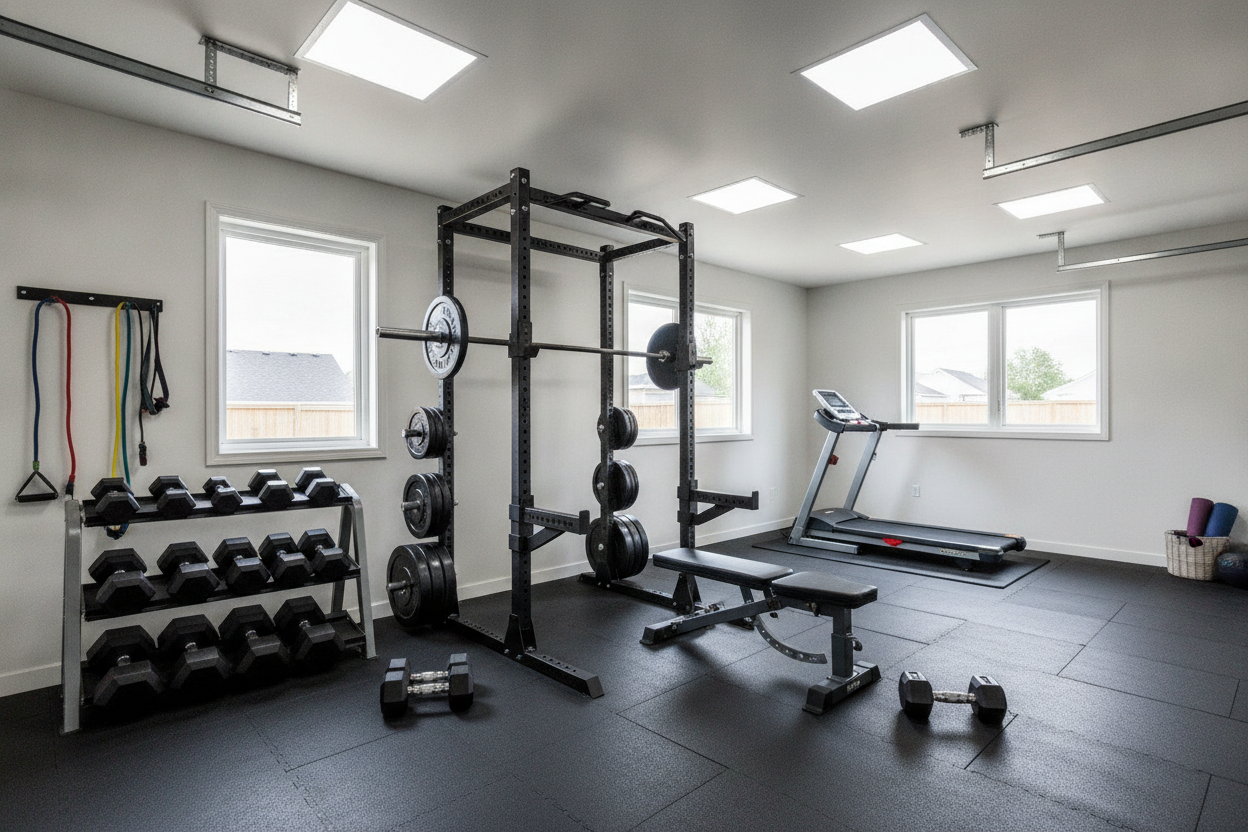
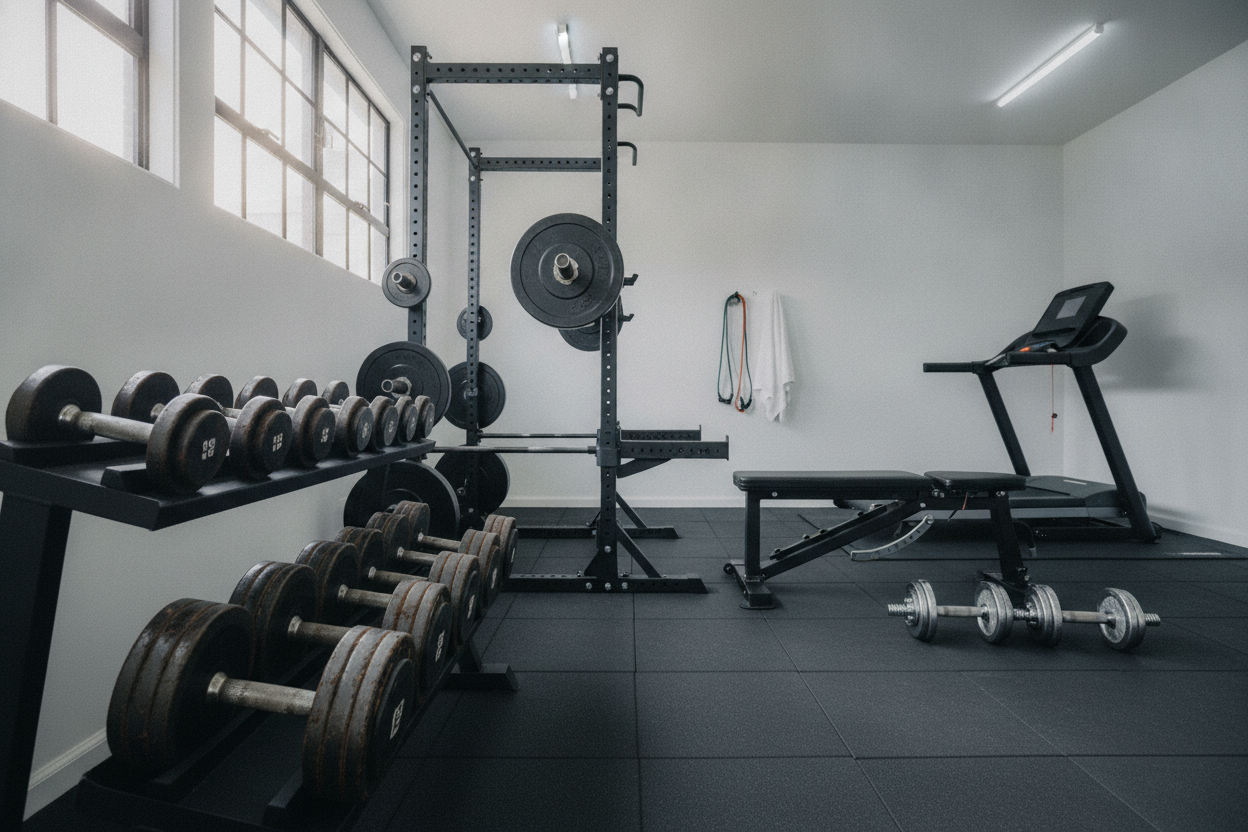
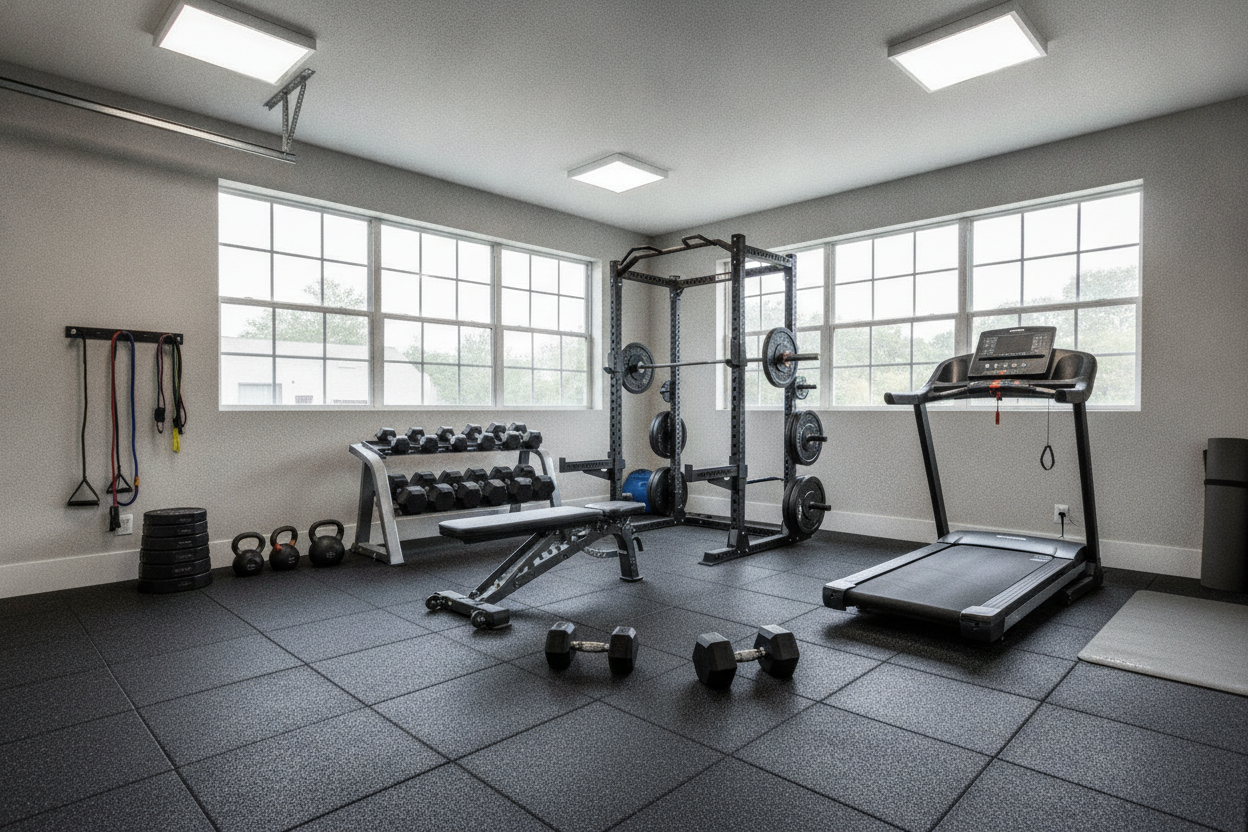
I realized that my garage gym was becoming a torture chamber. Every session was a battle against mounting inflammation. I was taking ibuprofen like it was a daily vitamin just to get through a squat session. I had to ask myself: what is this for? If I can pull five plates but can't play a game of pickup basketball without icing my knees for three days, I'm not actually strong. I'm just specialized. Shifting to a longevity-focused mindset isn't about giving up; it is about pivoting so you can still be lifting when you are seventy.
What Does 'Strength for Life' Actually Mean in the Real World?
Strength for life isn't about peaking for a single day; it is about maintaining a high floor of physical capability. In the real world, you don't just lift perfectly balanced bars from the floor. You carry heavy grocery bags, you twist to reach things in the attic, and you lunged to catch a falling glass. This requires a different kind of durability. I started looking at the building strength and confidence that comes from knowing your body won't fail you during mundane tasks.
My training shifted toward what I call 'strength life'—a sustainable approach that treats the body as a whole. This means incorporating more strength for life exercises like Bulgarian split squats, weighted carries, and face pulls. I stopped caring about my 'total' and started caring about my range of motion. I’ve even seen how high-end facilities like the strength for life health & fitness center structure their programs, and it’s rarely about maxing out the rack. It’s about movement quality. This isn't strength of life counseling wenatchee; I'm not here to talk about your feelings, but I will tell you that your joints don't care about your ego. The true strength of life is the ability to stay active without chronic pain.
The Gear Swap: Trading Heavy Iron for Functional Tools
The first thing I did was stop using my straight barbell for every single lift. I realized that the fixed hand position on a barbell was wrecking my wrists and elbows. I moved toward unilateral tools—dumbbells and kettlebells—that allow for natural rotation. But the real savior was the cable machine. I eventually integrated a Life Fitness functional trainer into my setup, and the difference was immediate. Cables provide constant tension and, more importantly, they allow you to move in diagonal patterns that mimic real-life movements.
If you are dealing with tendonitis, the smooth, controlled resistance of a cable system is far superior to the erratic vibration of a budget barbell. My elbows stopped screaming during tricep work, and my shoulders felt more stable during chest presses. I also started looking at my gym as a place for 'strength life fun' rather than a place of penance. I added a landmine attachment, which is one of the most underrated tools for building rotational power without the spinal compression of a heavy back squat. If you want to keep your 'strength for' the long haul, you have to stop thinking that iron is the only way to get there.
Why Your Garage Floor Is Quietly Ruining Your Knees
Most garage gyms are built on a foundation of cold, hard concrete. Even if you have thin horse stall mats, that surface is unforgiving. Every time you drop a weight or do a box jump, that energy travels right back up through your skeletal system. I started noticing that my knees felt 'achy' even on days I wasn't lifting legs. The culprit was the floor. I decided to designate a specific 'soft zone' in my gym for high-impact work and mobility.
I highly recommend throwing down a dedicated 6x8ft exercise mat over your existing flooring. This isn't just for yoga; it’s for your warmups, your lunges, and your plyometrics. Having that extra layer of high-density foam makes a massive difference in how your ankles and knees feel the next morning. It allows you to move with more confidence and less hesitation. If you're training in a spot like strength for life easthampton ma, they have professional-grade turf and subflooring for a reason. You should try to replicate that shock absorption at home.
Essential Add-Ons for the Long Game
Building a gym for longevity doesn't mean you need to spend thousands on new machines. Sometimes the best fixes are the smallest ones. I started investing in high-quality strength training accessories like heavy-duty resistance bands and fat grips. Bands are incredible for 'priming' the joints before a heavy lift, and fat grips help take the strain off your elbows by forcing your forearms to do more work. I also started using a slant board for my squats to help with ankle mobility—a total game-changer for my knee tracking.
I also spent a lot of time watching strength life youtube videos to fix my form on the 'boring' stuff. I realized my bracing was lazy, and my scapular retraction was non-existent. Adding things like a high-quality weight belt for support—not just for maxes, but for any heavy compound movement—helped protect my spine. These accessories act like the 'strength of life' insurance policy for your body. They allow you to push yourself while providing a safety net for your connective tissue.
The Hard Truth About Aging and Iron
You have to accept that your body at forty or fifty is not your body at twenty-two. That doesn't mean you have to be weak; it just means you have to be smarter. I’ve seen people at strength for life easthampton who are in their sixties and moving better than guys in their twenties, and it’s always because they prioritized movement quality over raw weight. This isn't strength of life counseling; it's just physics. Your joints have a finite amount of 'mileage' in them.
The goal is to be the strongest person in the room who can also get down on the floor and play with their grandkids without needing a crane to get back up. That is the real strength of life. Drop the ego, stop chasing the numbers that only matter to a computer screen, and start building a body that can actually handle the world outside your garage. Your future self will thank you for the transition.
Frequently Asked Questions
Should I stop lifting heavy weights as I get older?
No, but you should change your definition of 'heavy.' Focus on a weight that allows you to maintain perfect form for 8-12 reps. This builds muscle and bone density without the massive systemic fatigue and joint wear of 1-3 rep maxes.
Are cable machines better than free weights?
They aren't 'better,' but they are different. Cables provide constant tension and are much easier on the joints because they don't require the same level of stabilization as a vibrating barbell. A mix of both is usually the best approach for longevity.
How often should I do mobility work?
Every single day. Even ten minutes of targeted mobility—focused on the hips, ankles, and thoracic spine—can undo the damage of sitting at a desk and prepare your body for the stresses of the gym.