Your 'Gains' Are Just Water: How to Build Quality Muscle
I remember the first time I hit 200 pounds on the scale. I felt like a tank until I caught my reflection in the garage door window. I wasn't 'huge'—I was just inflamed, holding enough water to fill a kiddie pool, and my joints felt like they were made of glass. If you're tired of looking soft despite the hard work, it's time to learn how to build quality muscle that doesn't disappear the moment you stop taking creatine.
Real muscle density isn't about chasing a skin-splitting pump every day. It's about building actual contractile tissue that stays with you. Most guys are just inflating their muscles like balloons; we want to build them like bricks.
- Focus on myofibrillar hypertrophy (5-8 reps) for actual density.
- Limit your caloric surplus to 200-300 calories to avoid fat spillover.
- Prioritize eccentric control—don't just drop the weight.
- Stay consistent with the same big lifts for months, not weeks.
Why Your Current Muscle Looks Soft
There are two ways your muscles grow. Sarcoplasmic hypertrophy is the 'pump'—it's an increase in the fluid (sarcoplasm) inside the muscle cell. It makes you look big in the gym mirror, but it's transient. If you want to know how to increase muscle quality, you have to target myofibrillar hypertrophy. This is the actual growth of the muscle fibers themselves.
When you chase high-rep 'burn' sets exclusively, you're mostly just moving fluid around. It’s why some guys look massive but can't bench their own body weight. True density comes from tension, not just metabolic stress. You need to handle heavy loads that force the fibers to thicken up and harden.
The Dirty Bulking Trap: Scale Weight vs. Real Tissue
The fitness industry loves a 'transformation' where a guy gains 15 pounds in a month. I've been there. It’s usually 2 pounds of muscle, 8 pounds of water, and 5 pounds of fat. If you want to build quality muscle mass, you have to ignore the scale's daily fluctuations and look at the mirror and the logbook.
Real tissue growth is agonizingly slow. We’re talking a pound or two a month if you’re lucky and experienced. If the scale is jumping 3 pounds a week, you aren't building a masterpiece; you're just getting soft. Dial back the 'see-food' diet and focus on high-protein, moderate-surplus eating.
The Brutal Truth of How to Build Quality Muscle
To get that 'hard' look, you need to live in the 5 to 8 rep range. This is the sweet spot where the weight is heavy enough to recruit high-threshold motor units but the volume is high enough to trigger growth. You also need to stop ego-lifting. If you’re bouncing the bar off your chest, you’re using momentum, not muscle.
Control the eccentric (the lowering phase) for a full 2-3 seconds. This creates the micro-tears necessary for new tissue. People often ask how much exercise to build muscle is actually required, and the answer is usually less than you think. If you’re doing 20 sets per body part, half of that is likely 'junk volume' that just causes systemic inflammation rather than targeted growth.
Stop Changing Your Routine Every Week
Muscle confusion is a lie sold by people who want to sell you a new PDF every month. Your muscles don't need to be 'confused'; they need to be challenged by the same stimulus repeatedly until they have no choice but to grow. I've spent six months doing nothing but the same six movements, and that's when my physique finally hardened up.
You don't need every how to build muscle exercise in the book. You need a squat, a hinge, a push, and a pull. Master the mechanics, add five pounds to the bar, and repeat until you're the strongest person in your zip code. That is how you build 'mature' muscle that looks dense even when you're cold.
You Need a Solid Foundation for Heavy Loads
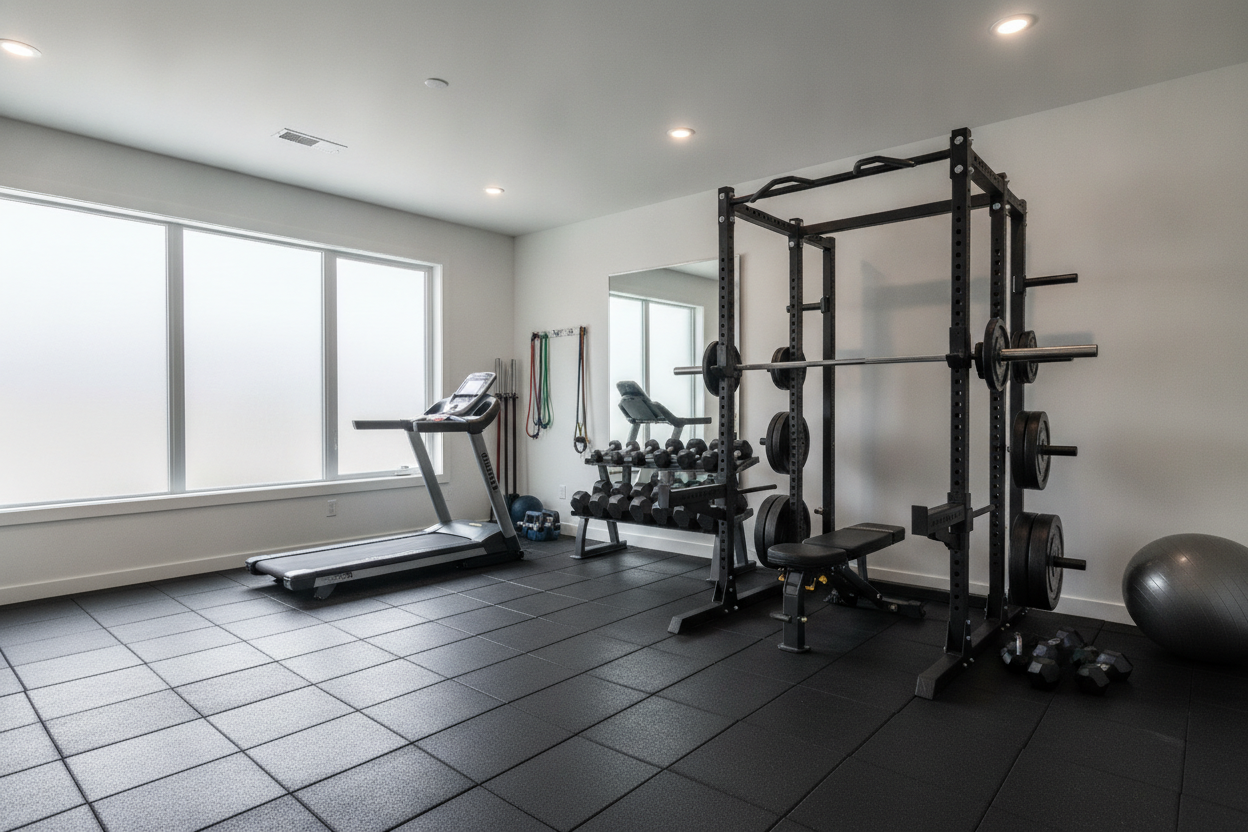
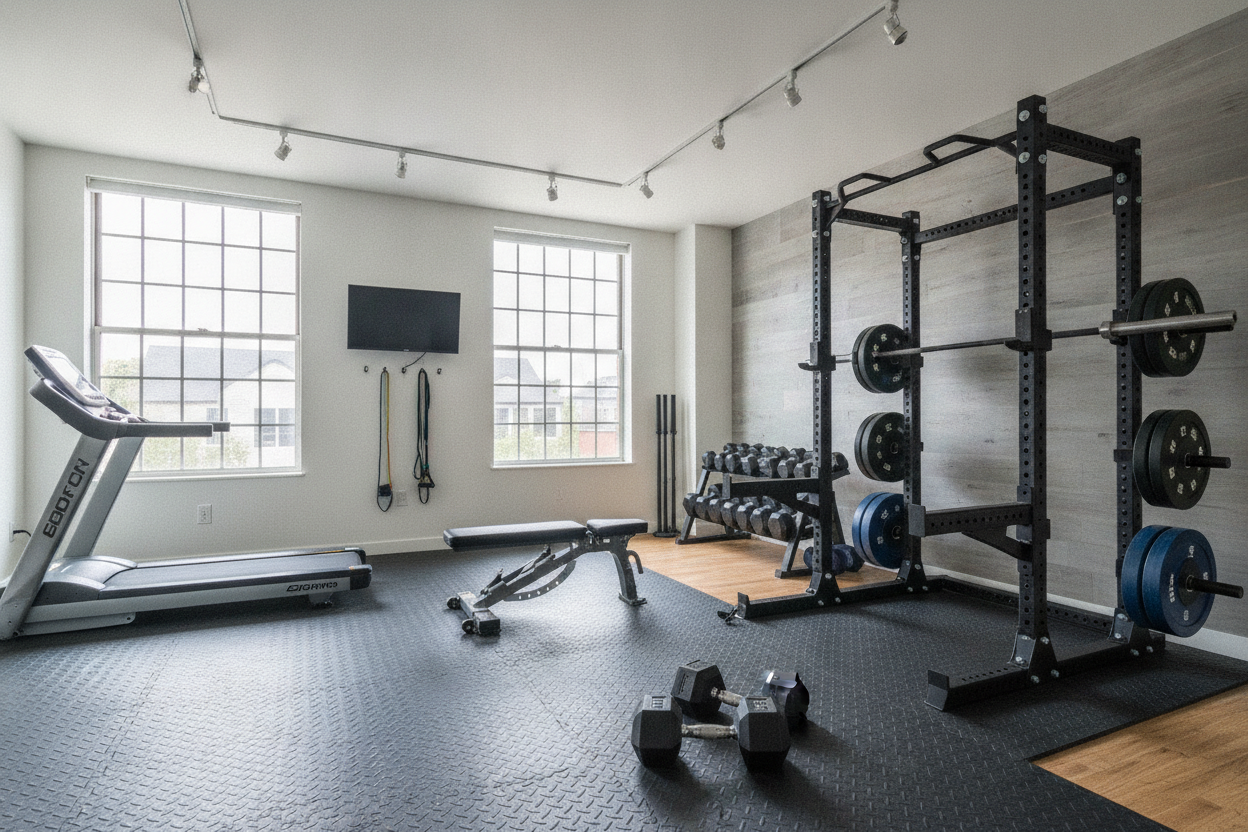
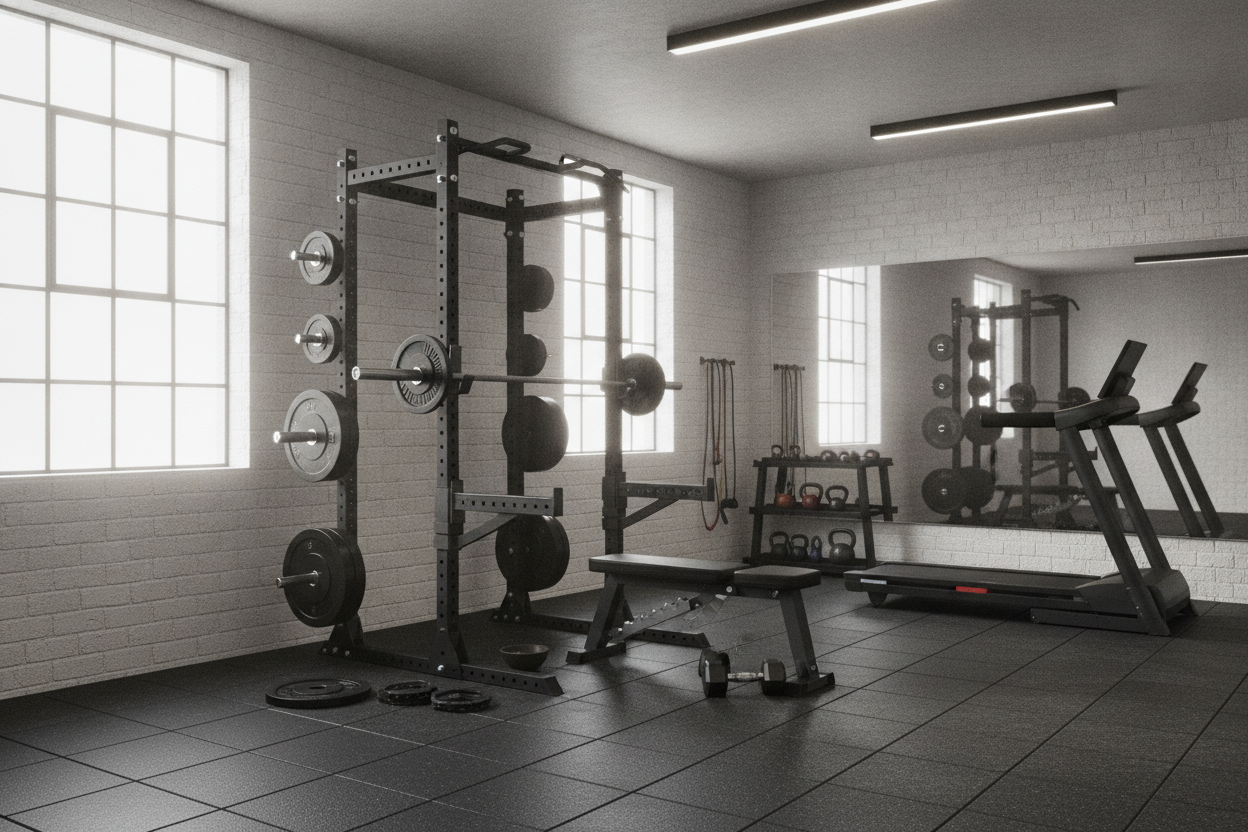
If you're training in a garage, you can't build density if you're worried about your feet slipping on dusty concrete. I’ve tried lifting heavy on those cheap foam puzzle mats, and it’s a recipe for a blown-out knee. When you're pushing 315 on a squat, you need a surface that bites back.
Investing in something like the Gxmmat extra wide 7 feet exercise mats gives you a high-density base that doesn't compress under load. It sounds like a small detail, but being able to root your feet into the floor allows for better force production. Better force production equals more tension, which equals higher quality muscle.
Patience is the Ultimate Anabolic
The hardest part isn't the lifting; it's the waiting. Quality muscle is earned over years, not weeks. A guy who is 185 pounds with dense, myofibrillar growth will always look more impressive than a 210-pound 'bloat-lord' who can't see his own abs. Stay the course, keep the weights heavy, and stop chasing the scale.
Personal Experience
Years ago, I followed a 'super-bulking' program that had me drinking a gallon of milk a day. I got strong, sure, but I looked like a thumb. My blood pressure was through the roof, and I was winded walking up the stairs. When I finally cut the fluff, I realized I hadn't actually built much real muscle. I had to start over, focusing on slow, controlled reps and a modest surplus. It took longer, but for the first time, my muscles felt hard to the touch, not like memory foam.
FAQ
Does high-rep training build quality muscle?
It builds size, but often more sarcoplasmic (fluid) size. For that 'dense' look, you need to incorporate lower-rep, heavier sets to thicken the actual fibers.
How many days a week should I train for density?
4 to 5 days is plenty. Recovery is when the tissue actually knits together. If you're always in the gym, you're just staying inflamed.
Can I build quality muscle while losing fat?
Only if you're a beginner or returning from a long break. For most, pick one goal. To build real tissue, you need a slight caloric surplus and heavy weights.