Your Form Is Leaking Power: 5 Real Tips for Lifting Weights at Home
I remember the night I finally quit my big-box gym. I was tired of the broken cable machines, the 20-minute wait for a squat rack, and the guy doing curls in the only power cage. I bought a bar, some plates, and moved into my garage. But I quickly realized that without a coach or a spotter, my old habits were dangerous. If you want to see progress without ending up in physical therapy, you need these tips for lifting weights.
Quick Takeaways
- Bracing is a skill, not just a deep breath.
- Your bench setup starts with your feet and shoulder blades, not your arms.
- Ego-lifting ruins barbells and spines equally.
- Adjustable safeties are your only real insurance policy when training solo.
- Simplicity in your gear allows for more focus on the actual work.
The Difference Between Just Moving Iron and Actually Training
Most commercial gym rats rely on machines that force them into a fixed path. You don't have to stabilize the weight because the machine does it for you. When you move to a home setup with free weights, that safety net vanishes. Transitioning to a garage gym requires a massive ego check. You aren't just moving iron from point A to point B anymore; you're managing gravity in three dimensions.
The most important weight lifting tips I can give you center on mindfulness. In a crowded gym, you're distracted by the music and the people. At home, it is just you and the bar. If your mind is wandering, your form is likely collapsing. You have to treat every rep like a heavy single, focusing on the tension in your muscles rather than just the number of plates on the bar.
Brace Like You're About to Take a Punch to the Gut
Most people 'breathe into their chest' before a lift. That is a recipe for a folded spine. To move real weight, you need intra-abdominal pressure. Imagine someone is about to slug you in the stomach. You don't suck your gut in; you push it out and tighten everything. This creates a rigid pillar of support for your spine.
Take a huge breath into your belly—not your lungs—and clamp down. Hold that air until you've completed the most difficult part of the rep. This 'Valvasva maneuver' is what separates the lifters who progress from the ones who spend every other week icing their lower back. If you are leaking air, you are leaking power.
Your Bench Setup Is Probably Wrecking Your Shoulders
I used to think the bench press was an upper-body exercise. I was wrong. A real bench press is a full-body movement that starts with pinning your shoulder blades together and driving your feet into the floor. If your back is flat on the bench like a pancake, your shoulders are taking all the stress. Retract your scapula and keep them tucked throughout the entire set.
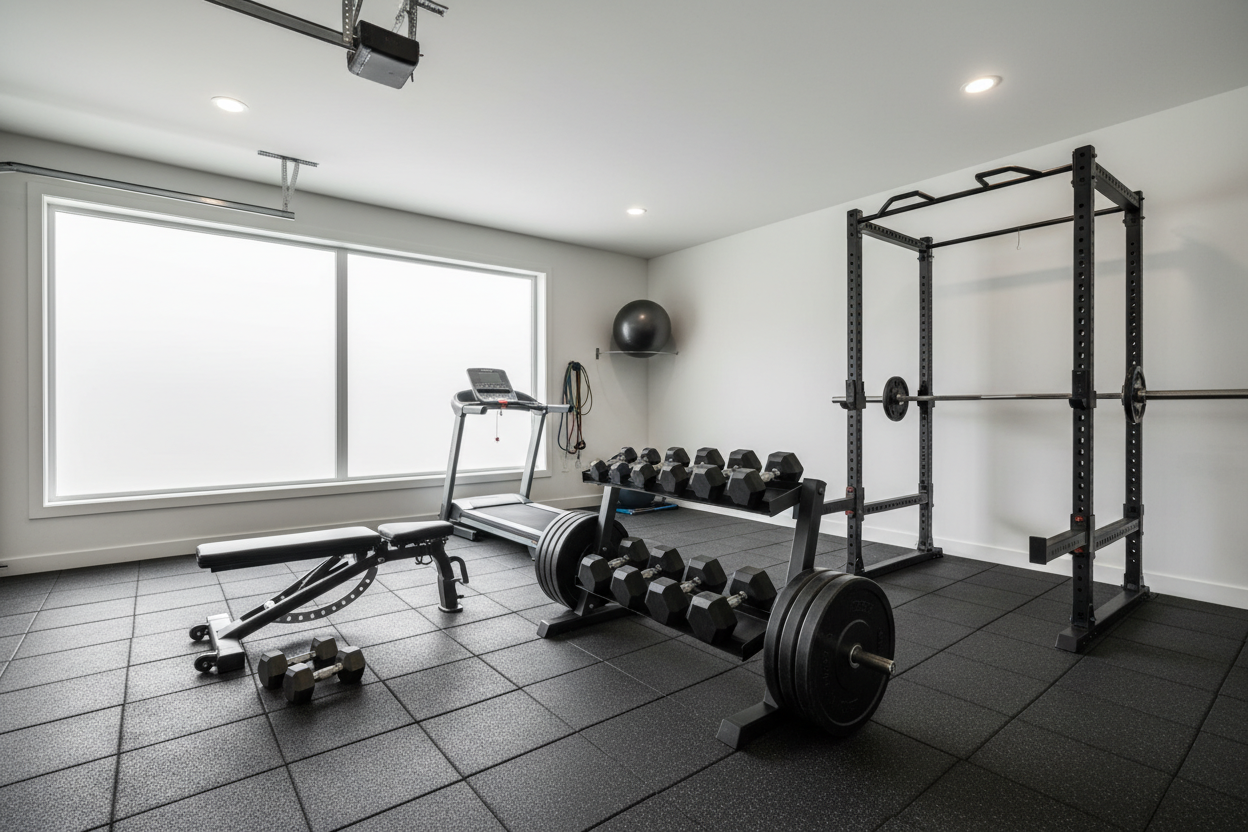
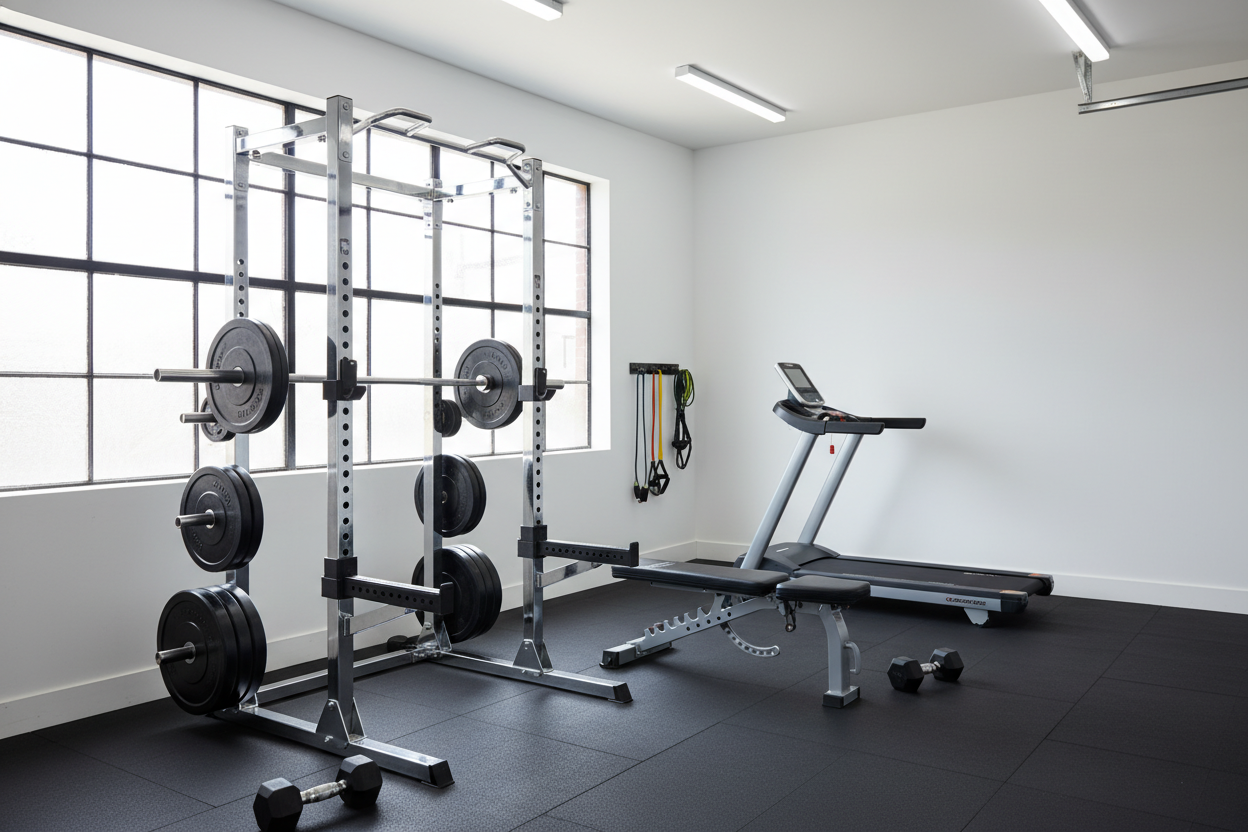
Equipment matters here too. I've used cheap, narrow benches that felt like balancing on a tightrope. A stable, wobble-free bench like the Gxmmat Adjustable Weight Bench prevents your shoulders from shifting under heavy loads. You need a pad that is wide enough to support your upper back and grippy enough that you don't slide around when you start applying leg drive.
Stop Sacrificing Your Equipment for Your Ego
I once saw a guy drop a 315-lb deadlift with iron plates on a bare concrete floor. He didn't just crack the concrete; he bent the sleeves of a $300 barbell. One of the best weightlifting tips for home owners is to treat your gear like an investment. Iron plates aren't designed to be dropped, and using the wrong weights for weight lifting will eventually cost you hundreds of dollars in replacements.
If you're doing Olympic lifts or heavy deadlifts, get bumpers. If you're using iron, use mats and controlled eccentrics. Respecting the equipment keeps your gym quiet enough that the neighbors won't complain and keeps your barbell straight enough to actually use for the next decade. Don't be the person who ruins a perfectly good bar because they wanted to look 'hardcore' for an Instagram clip.
Training Alone Demands Better Safety Protocols
There is a specific kind of panic that sets in when you're at the bottom of a bench press and realize the weight isn't going back up. When you're training alone, you cannot afford to be 'brave.' You need to be calculated. This means setting your safety arms exactly one inch below your chest height on the bench and just below your squat depth.
I won't touch a heavy triple without knowing my rack can catch me. An all-in-one system like the Gxmmat X6 Power Rack Weight Bench Package provides the necessary spotter arms and structural integrity for solo lifters. If you don't have spotter arms, don't use collars on the bench press—that way you can tilt the bar and dump the plates if you get pinned. It’s messy, but it beats a crushed windpipe.
Consistency Trumps the 'Perfect' Program Every Time
You can have the most expensive calibrated plates and a custom-built rack, but if you only use them once every two weeks, you're wasting your time. The 'perfect' program doesn't exist. What exists is the work you actually do. Keep your setup simple so there are no excuses. If it takes you 30 minutes to clear the laundry off your rack, you aren't going to train.
Dial in your form, respect your gear, and show up. Once you have the mindset and the safety protocols sorted, you can look at expanding your arsenal. Check out lifting weight equipment the definitive guide for 2024 for a broader look at outfitting your space once your form and mindset are dialed in. Stop looking for hacks and start looking for tension.
Personal Experience: The 405-lb Wake-up Call
Two years ago, I tried to squat 405 lbs in my garage without setting my safety straps. I got stuck in the hole, panicked, and had to dump the bar backward. It took a chunk out of my drywall and bent the uprights of my old, cheap rack. I learned two things that day: never trust a rack with a 500-lb 'static' rating for dynamic drops, and never, ever skip the safety setup. I spent the next month rebuilding my gym and my confidence. It was an expensive mistake that I don't want you to repeat.
FAQ
How much space do I really need for a home gym?
You can get away with a 6x8 ft space for a basic rack and bench. If you want to do deadlifts or Olympic movements, you really need an 8x8 ft area to account for the width of the barbell and some 'drift' room.
Is it okay to lift every day?
Your muscles grow when you rest, not when you work. If you're hitting heavy compounds, 3-4 days a week is plenty. If you feel like you need to be in the gym every day, you probably aren't training with enough intensity during your scheduled sessions.
Should I wear a lifting belt?
A belt is a tool to give your abs something to push against. It doesn't 'protect' a weak back; it makes a strong back stronger. Don't use it as a crutch for bad form. Earn the right to wear one by mastering the bodyweight brace first.