Your Fitness Program for Beginners PDF Is Basically a Pro Split
I remember downloading my first 'beginner' routine back in 2012. It was a glossy 15-page document that looked like something a pro bodybuilder would use to prep for the Olympia. I spent three hours in a crowded gym, did 45 sets of isolation work, and couldn't lift my arms to brush my teeth for a week. I thought I was 'working hard,' but I was actually just drowning in junk volume.
Most people searching for a fitness program for beginners pdf end up in this exact same trap. You want a clear path to getting stronger, but instead, you get a watered-down version of an advanced athlete's high-volume split. It is frustrating, inefficient, and usually leads to burnout before you even finish month one.
Quick Takeaways
- Most beginner PDFs are 'bro-splits' that prioritize muscle isolation over movement patterns.
- You do not need 6 days a week; 3 days of focused full-body work is the gold standard for rookies.
- If a plan does not explain how to add weight over time, it is not a program—it is just a list of exercises.
- Mastering the squat, hinge, push, and pull is more important than your bicep peak.
Why That Free Download is Setting You Up for Failure
The internet is flooded with workout plans for beginners pdf downloads that are designed to look impressive rather than be effective. These guides often require a commercial gym's worth of equipment—think cable crossovers, leg extensions, and four different types of benches. If you are training in a 10x10 garage or a spare bedroom, these plans are practically useless.
The real issue is the time commitment. A true beginner does not need two hours of daily gym time to see results. In fact, doing too much too soon is the fastest way to trigger an overuse injury or simply quit because 'life got in the way.' A solid workout program for beginners pdf should be something you can realistically finish in 45 minutes, including the warm-up.
You Don't Need 5 Bicep Variations on Day One
Fitness influencers often take their own advanced routines, lower the weight, and slap a 'beginner' label on them. This results in 'junk volume'—sets and reps that do not actually contribute to your progress but do make you incredibly sore. You do not need to hit your chest from five different angles in your first week.
While specialized chest workout pdf plans are great once you have a foundation and want to focus on aesthetics, they shouldn't be the core of a rookie's routine. Dedicating an entire hour to just 'Arms Day' is a waste of your most valuable resource: your recovery capacity. You are better off hitting your whole body with big, impactful movements.
What Actually Belongs in a Rookie Routine
A legitimate workout routines for beginners pdf should focus on movement patterns, not just muscle groups. You need to learn how to squat, how to hinge at the hips (deadlift), how to push things away from you, and how to pull things toward you. These are the big four that build real-world strength and a resilient physique.
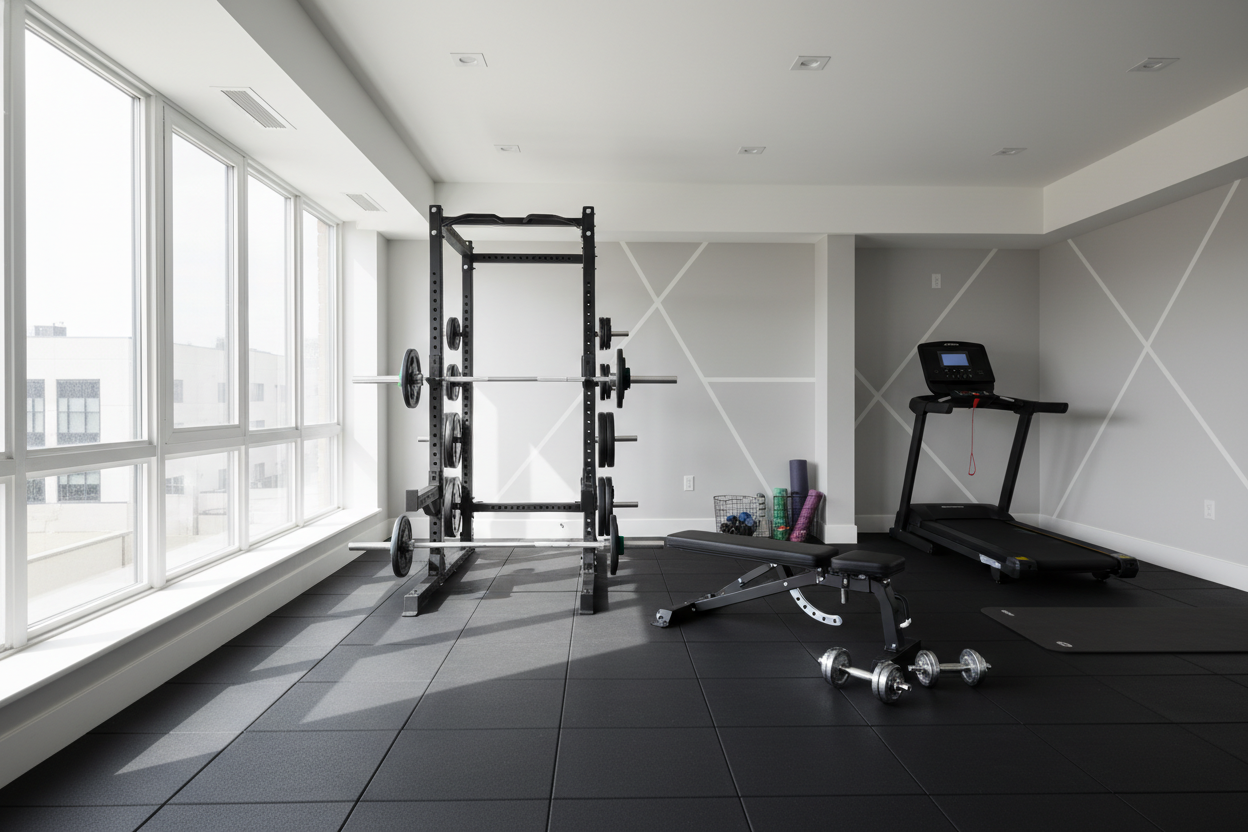
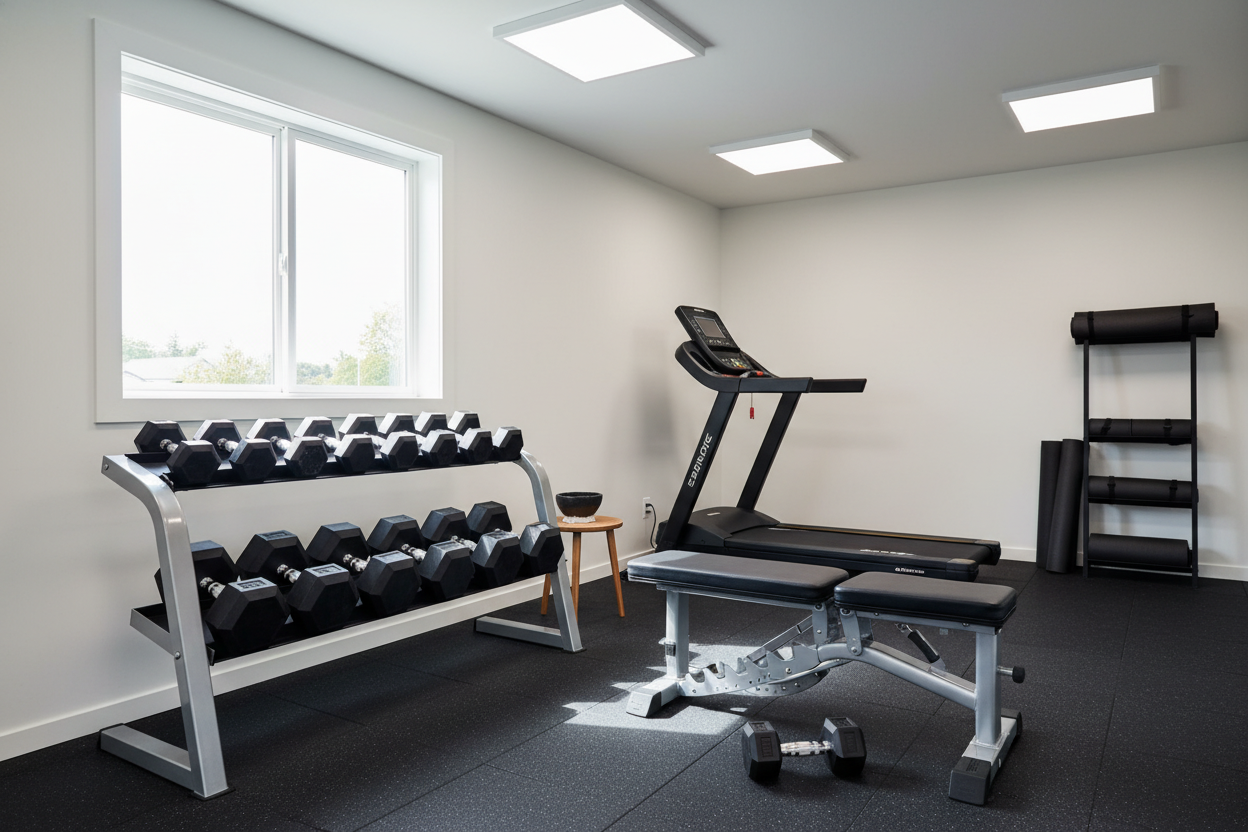
If you are setting up a home space, you do not need a $5,000 power rack immediately. A simple gym flooring for home workout setup and your own body weight are enough to master the mechanics of a squat or a push-up. If the thought of a 45-lb barbell is intimidating, starting with a machine only workout program for beginners is a perfectly valid way to build the initial strength and confidence needed to move on to free weights later.
Where Most Starter Templates Get Progression Wrong
The biggest sin of the generic PDF is the lack of a progression model. If your sheet says '3 sets of 10' and never tells you when to increase the resistance, you will plateau within a month. Muscle grows when it is forced to adapt to a stress it hasn't felt before. This is called progressive overload.
A good program tells you exactly what to do when an exercise feels easy. Maybe you add 5 lbs to the bar, or maybe you try to do 12 reps instead of 10 with the same weight. If your PDF is just a static list of exercises you do forever, it is a grocery list, not a training plan. You need a system that grows with you.
A Stripped-Down Approach You Can Actually Stick To
Stop looking for the 'perfect' complex routine and start looking for the simplest one you can execute perfectly. Consistency beats intensity every single time. For most people, that means a three-day-a-week full-body split. You show up, you hit the big movements, and you go home to recover. It sounds boring, but boring is what builds the 300-lb squat and the lean physique.
If you want to stop guessing and start training, head over to our Workout Hub. We have vetted routines that cut out the fluff and focus on the equipment you actually have access to. Don't let a bloated PDF keep you from making progress.
My Personal Take
I once followed a 'Beginner Strength' PDF that had me doing heavy deadlifts and then 12 sets of various curls. I was so focused on the curls that I rushed my deadlift form and tweaked my lower back. I was out of the gym for three weeks. The lesson? The 'extras' in those PDFs often distract you from the movements that actually matter. If I could go back, I'd tell my younger self to cut the routine in half and focus on the quality of every single rep.
FAQ
How many days a week should a beginner train?
Three days a week is the sweet spot. It allows for a full day of recovery between sessions, which is when your muscles actually grow and your nervous system resets.
Do I need a full gym for a beginner program?
No. You can make incredible progress with just bodyweight exercises or a single pair of adjustable dumbbells, provided you have a plan that emphasizes progression.
When should I move to an 'intermediate' program?
Usually when you can no longer add weight or reps to your lifts on a weekly basis. For most people, a beginner phase can last anywhere from six months to a year.