Your Dream Home Gym Awaits: A Practical Guide
Let's be honest, the idea of a perfect home workout station is incredibly appealing. No more commuting, no waiting for equipment, and the freedom to exercise on your own schedule. But the journey from that dream to a functional, motivating space in your own home can feel overwhelming. With so many options for at home workout gym setups, from compact foldable racks to all-in-one gym systems for home, how do you choose what's right for you? This guide is designed to cut through the noise and help you build a personal sanctuary for fitness that aligns with your goals, space, and budget.
Defining Your Fitness Sanctuary
Before you click 'add to cart' on any equipment, the most critical step is to look inward. Ask yourself what you genuinely enjoy doing. Are you a dedicated strength trainer aiming to lift heavy, or do you prefer the variety of functional training and HIIT workouts? Your answers will dictate everything. A powerlifter's needs are vastly different from a yogi's or a Peloton enthusiast's. I learned this the hard way. I initially bought a cheap set of resistance bands, thinking they were the ultimate space-saver. While they are great for certain exercises, they didn't satisfy my craving for the solid feel of iron. I wasn't using them, and the entire corner of my room became a monument to good intentions. It was a small but valuable lesson in understanding my personal fitness identity before investing.
Navigating the World of Home Gym Systems
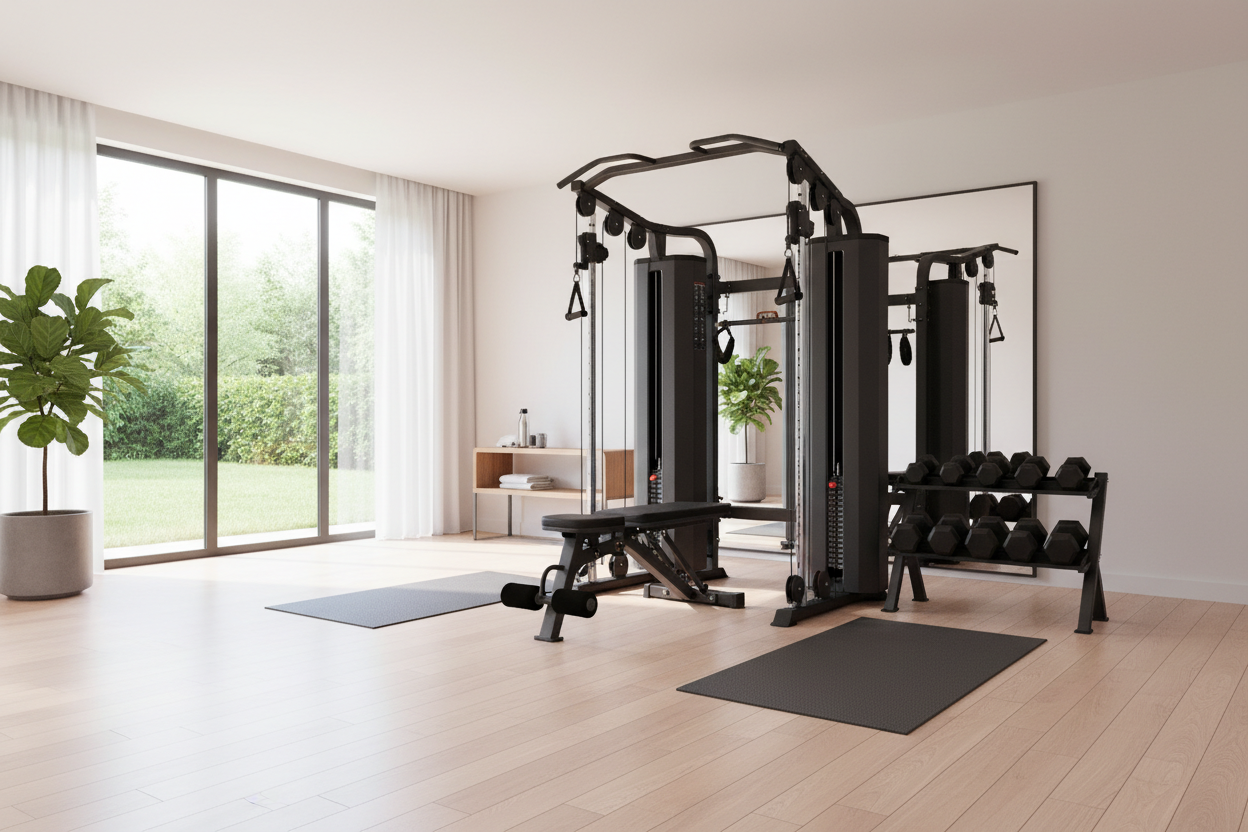
The market for personal home gyms has exploded, offering solutions for every conceivable need. Broadly, they fall into a few categories. All-in-one gym systems, often called multi-gyms or home gym stations, are the powerhouses. They integrate a weight stack, pulleys, and various stations for exercises like lat pulldowns, chest presses, and leg extensions into a single, large unit. They are fantastic for comprehensive strength training without needing a rack of free weights, but they demand significant floor space and represent a higher initial investment.
On the other end of the spectrum are modular setups centered around a power rack or squat rack. This is the choice for many serious strength athletes. You start with the rack, add a barbell, weight plates, and a bench, and you have a incredibly versatile and robust foundation. Over time, you can expand with attachments for pull-ups, dips, cable movements, and more. This approach offers unparalleled flexibility and is often more scalable than a fixed all-in-one system.
Then there are the new home gyms focused on connected fitness. These are the Pelotons, Tonals, and Mirrors of the world. They combine sleek hardware with subscription-based software for live and on-demand classes. Their biggest strength is motivation through community and expert coaching built directly into the platform. They are space-efficient and user-friendly but often lock you into their specific ecosystem and ongoing monthly fees.
Key Considerations for Your At Home Workout Gym
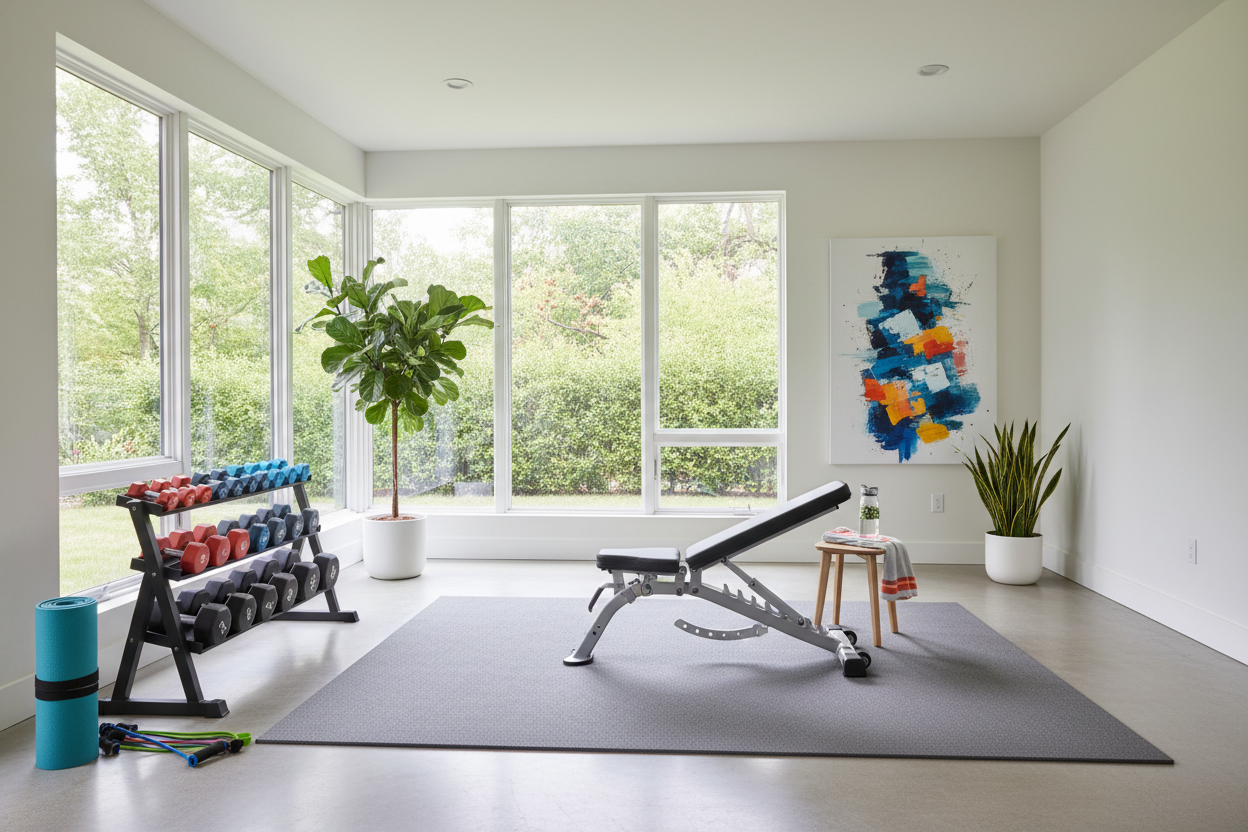
Space is your primary constraint. Be ruthlessly honest about the square footage you can dedicate. Measure it twice. Remember to account for clearance around equipment for safe movement. A foldable rack or a wall-mounted pull-up bar can be game-changers for small spaces. Your budget should include not just the major equipment but also the essentials: a quality mat to protect your floor, possible mirrors for form checks, and storage for smaller items like dumbbells and bands.
Also, think about the user experience. If you live in an apartment, noise and vibration are critical factors. Bumper plates and a good platform are essential for deadlifts. If you'll be sharing the equipment with a partner with different strength levels, quick-adjust weight systems or selectable dumbbells become incredibly valuable. The best home gyms are the ones that remove friction and make you want to work out.
What Are the Best Home Gyms for Different Lifestyles?
So, what is best home gym? The truth is, there is no single answer. The best one is the one you will use consistently. Here are a few scenarios to illustrate the point.
For the Apartment Dweller with Limited Space: A focus on compact, versatile, and quiet equipment is key. A set of adjustable kettlebells, a suspension trainer like a TRX system, and a high-quality fitness mat can provide a staggering number of workout options without permanently claiming real estate.
For the Serious Strength Athlete: A half-rack or full power rack, a solid Olympic barbell, a set of bumper plates, and a flat-incline bench is the gold standard. This setup allows for all the fundamental compound lifts safely and effectively. It's a larger investment in space and money, but it delivers professional-grade results for a lifetime.
For the Family Seeking Variety and Guidance: An all-in-one functional trainer or a smart gym like Tonal might be the perfect fit. These systems offer guided workouts for all fitness levels, making them accessible for everyone in the household. They provide structure and variety that can keep the entire family engaged.
Building a Routine in Your Personal Space
Once your home workout station is assembled, the real work begins. The convenience is a double-edged sword; there's no cancellation fee for skipping a session except your own discipline. To succeed, treat your home gym time with the same respect as an appointment at a commercial gym. Schedule it in your calendar. Create a playlist that gets you pumped up. I found that simply putting on my workout shoes and walking into my dedicated space, even when I didn't feel like it, was often enough to trigger the mindset to begin. Start with a simple, sustainable plan—perhaps three days a week—and focus on consistency over intensity. The goal is to build a habit that lasts.
Creating your ideal home gym is a deeply personal and rewarding project. It's not about having the most expensive equipment, but about crafting an environment that supports your health and well-being. By carefully considering your goals, your space, and your preferences, you can move beyond the question of 'what are the best home gyms' and confidently build the one that is truly best for you.