Your 90-Minute Workout Is a Trap: How Long Should a Beginner Exercise?
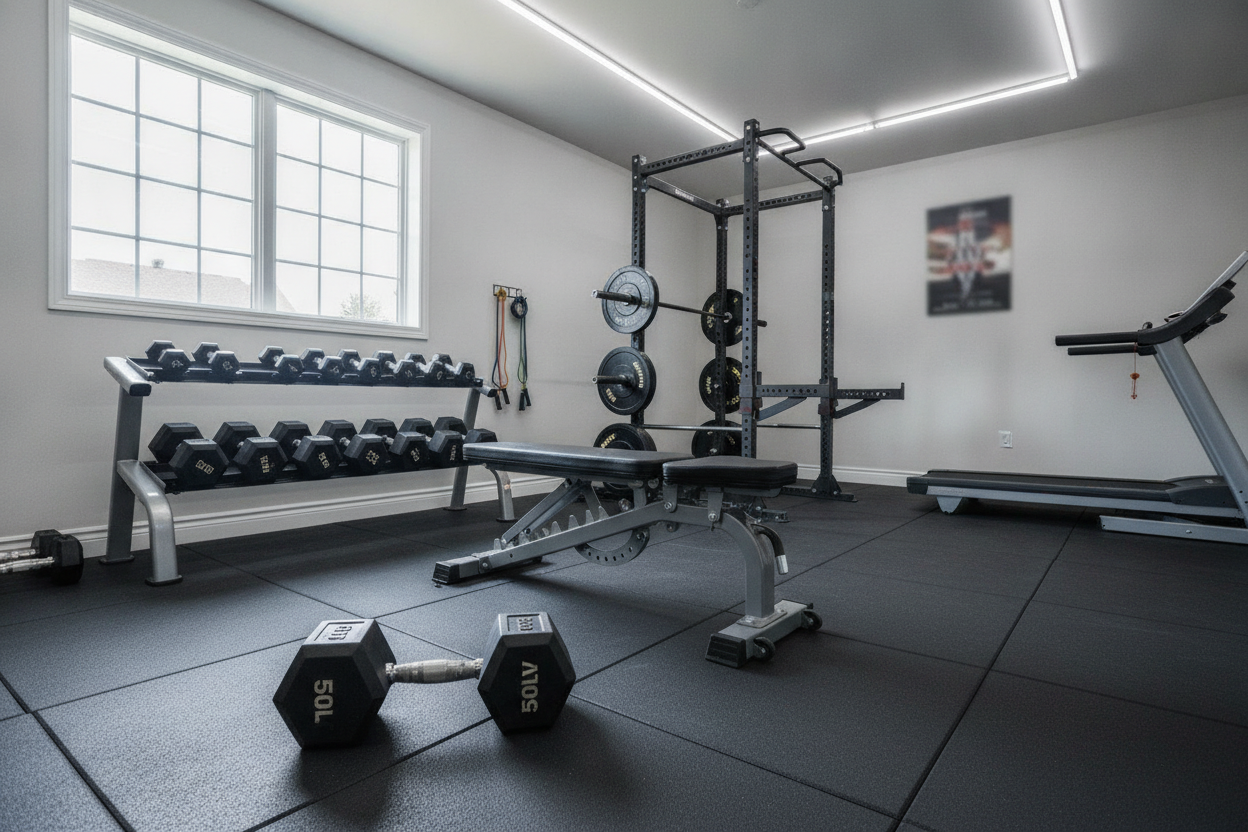
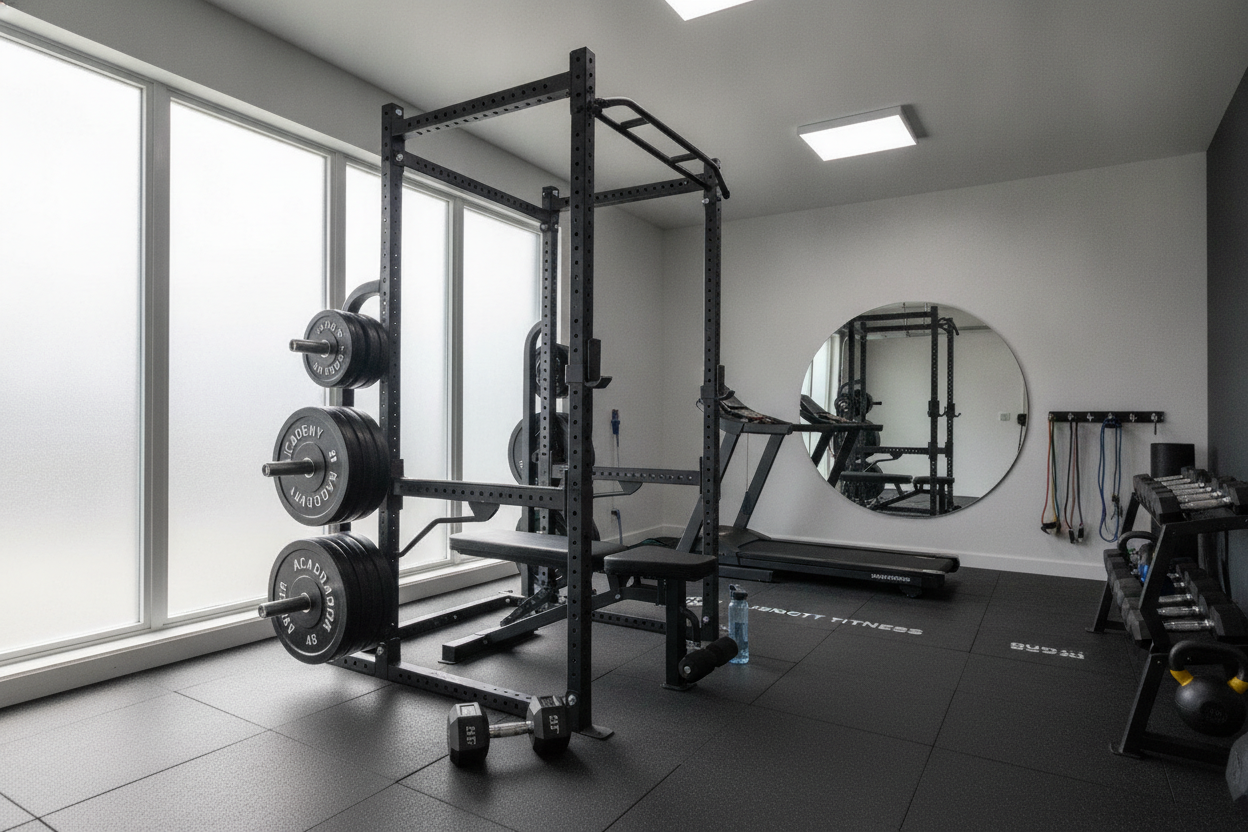
I remember the first time I set up a power rack in my garage. I had a cheap 300-lb weight set from a big-box store and enough caffeine in my system to vibrate through walls. I spent two and a half hours that first night grinding through every exercise I’d ever seen on YouTube. By the next morning, I couldn't reach high enough to grab a coffee mug. I didn't touch the bar again for two weeks. If you are asking how long should a beginner exercise, you are likely already overthinking the duration and underestimating the intensity.
Quick Takeaways
- A strict 45-minute cap is the sweet spot for hormone health and habit building.
- Quality of movement beats 'time on the clock' every single time.
- Central Nervous System (CNS) fatigue is a real threat to beginners doing high-volume sessions.
- Consistency over three months is more valuable than intensity over three days.
The 'More is Better' Trap Destroying New Lifters
We are conditioned to believe that more time equals more results. In the corporate world, overtime gets you a bonus; in the gym, it usually just gets you an injury. When people ask how long should a beginner workout, they are often looking for permission to stop. The reality is that your body has a limited capacity for stress when you first start. I’ve seen guys spend two hours in a commercial gym, but 40 minutes of that is scrolling through Spotify and another 30 is waiting for the cable crossover machine. That isn't a workout; it's a social hour with heavy objects nearby.
The danger of the marathon session is the 'recovery debt' you accrue. As a novice, your recovery systems are as untrained as your muscles. If you spend 120 minutes training, you are creating a level of inflammation that your body simply isn't equipped to clear by your next scheduled session. This leads to the 'three-week wall'—the point where most beginners quit because they feel like they’ve been hit by a truck every morning. If you're training in a home environment, The 20-Minute Limit: How Long Should a Beginner Workout at Home? can be a much more sustainable starting point than trying to mimic a professional athlete's schedule.
The Sweet Spot: Clocking Your First Few Months
So, how long should you workout when you first start? I tell everyone the same thing: 45 minutes, and that includes your warm-up. This isn't a random number. It’s a psychological and physiological hard stop. When you know the clock is ticking, you stop wasting time. You stop checking your phone. You focus on the barbell in front of you. A typical 45-minute session for a novice should look like this: 10 minutes of dynamic movement, 25 minutes of heavy compound lifting (think squats or presses), and 10 minutes of accessory work or mobility.
If you find yourself finishing in 30 minutes, you’re probably moving too fast and not resting enough between sets. If you’re still there at the 75-minute mark, you’re likely doing too many 'fluff' exercises that don't contribute to your main goals. I’ve found that sticking to this window helps build the habit of efficiency. You can find pre-built, time-capped routines in our Workout Hub that fit perfectly into this 45-minute rule. Remember, the goal in the first 90 days isn't to see how much punishment you can take; it's to teach your brain that the gym is a place of focused, productive effort, not a place where you go to suffer for hours on end.
Why Quality Reps Beat the Clock Every Time
When considering how long should a workout be for beginners, you have to look at the 'effective reps.' A 30-minute session where you focus on three sets of heavy squats with perfect form is infinitely more valuable than a 90-minute session where you hop between eight different machines. Most beginners don't need variety; they need mastery. Mastering a hip hinge or a shoulder press takes mental energy. Once that mental energy fades—usually around the 40-minute mark—your form goes to trash.
I see this all the time with specific muscle groups. People think they need to spend an hour on 'Chest Day.' But if you look at How Long Should A Chest Workout Really Last For Best Gains, you'll see that even for experienced lifters, the actual growth stimulus happens in a very narrow window. For a beginner, two or three sets of a solid bench press or push-up variation is plenty. Anything after that is just 'junk volume'—it makes you tired without making you stronger.
What Actually Happens When You Overstay Your Welcome
You might be wondering how long should beginners workout for before the benefits start to reverse. It’s called the law of diminishing returns. Around the 50-to-60 minute mark of intense exercise, your cortisol levels (the stress hormone) spike significantly, while your testosterone-to-cortisol ratio begins to tank. This is the recipe for muscle breakdown rather than muscle growth. You’re no longer building a better version of yourself; you’re just wearing down your joints and your nervous system.
Central Nervous System (CNS) fatigue is the silent progress-killer. Unlike a sore bicep, you can't see CNS fatigue, but you can feel it. It manifests as poor sleep, irritability, and a lack of 'pop' in your movements. If you're constantly pushing into 90-minute sessions, your CNS never fully recovers. You’ll find that the weights start feeling heavier, even if you’re eating and sleeping well. By keeping your sessions short and punchy, you allow your nervous system to adapt to the new stimulus without being completely overwhelmed.
A Realistic First-Month Timeline You Won't Quit
To avoid the burnout trap, you need a schedule that respects your life outside the gym. For the first month, how long should beginners workout per week? Aim for three sessions of 30 to 45 minutes. That’s it. Monday, Wednesday, and Friday. This leaves 48 hours between sessions for your tissues to actually repair themselves. On your off days, go for a walk or do some light stretching, but stay away from the heavy iron.
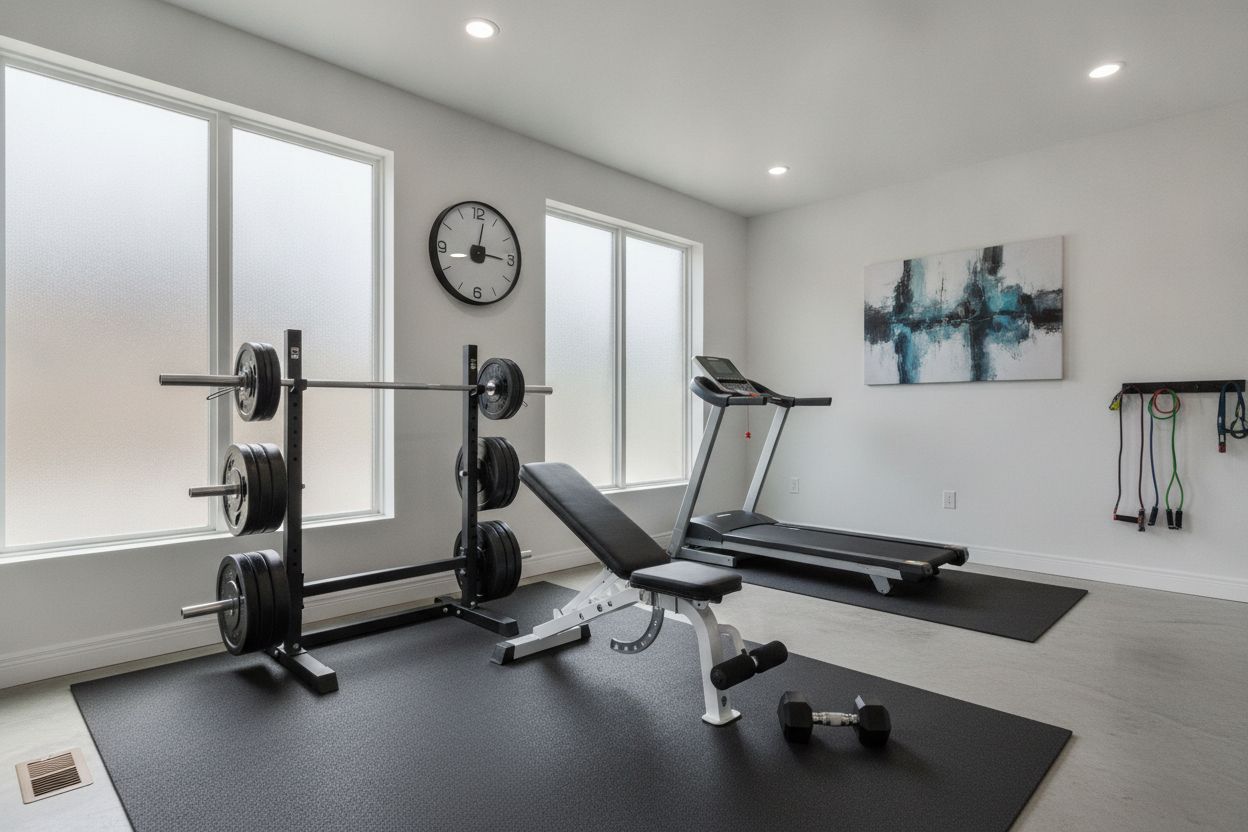
If you're training at home, efficiency is your best friend. Setting up a dedicated space with a 6X8Ft Exercise Mat Yoga Mat Gym Flooring For Home Workout means you don't have to spend 15 minutes clearing the floor every time you want to move. When your gym is ready to go, a 30-minute workout actually takes 30 minutes. This lack of friction is what makes the difference between someone who quits in February and someone who is still lifting in October. Don't worry about 'advanced' splits or high-volume bodybuilding programs yet. Just show up, do your 45 minutes, and get out.
Stop Staring at the Clock and Start Moving
At the end of the day, how long should a beginner workout is a question of sustainability. If I told you that you had to work out for two hours a day to see results, you'd eventually find an excuse to skip. But anyone can find 45 minutes. That’s the length of one Netflix episode. If you can commit to that window, focus on your form, and leave the ego at the door, you will see more progress than the guy who spends three hours 'grinding' but can't stay consistent.
Personal Experience: My 'Ego' Mistake
Early in my training, I was obsessed with 'hardcore' gym culture. I thought if I wasn't in the gym for two hours, I wasn't a 'real' lifter. I followed a program designed for enhanced bodybuilders and ended up with chronic tendonitis in both elbows within six months. I was doing 20 sets for chest and 15 sets for triceps in a single session. Once I scaled back to a 45-minute compound-lifting program, my strength actually exploded because my body finally had the resources to recover. Less really is more when you're starting out.
FAQ
How many days a week should a beginner train?
Three days a week is the gold standard for beginners. It provides the perfect balance of stimulus and recovery. You can move to four days after 6 months of consistency.
Is 20 minutes enough for a workout?
Yes, if the intensity is high and you're focusing on compound movements like squats or kettlebell swings. A focused 20-minute session is better than a distracted 60-minute one.
Should I do cardio on the same day as weights?
If you're a beginner, try to keep them separate or keep the cardio to a 10-minute cool-down. You want your primary energy to go toward learning the lifting movements with perfect form.