I Tested Cheap Academy Weights (Here's What Actually Survived)
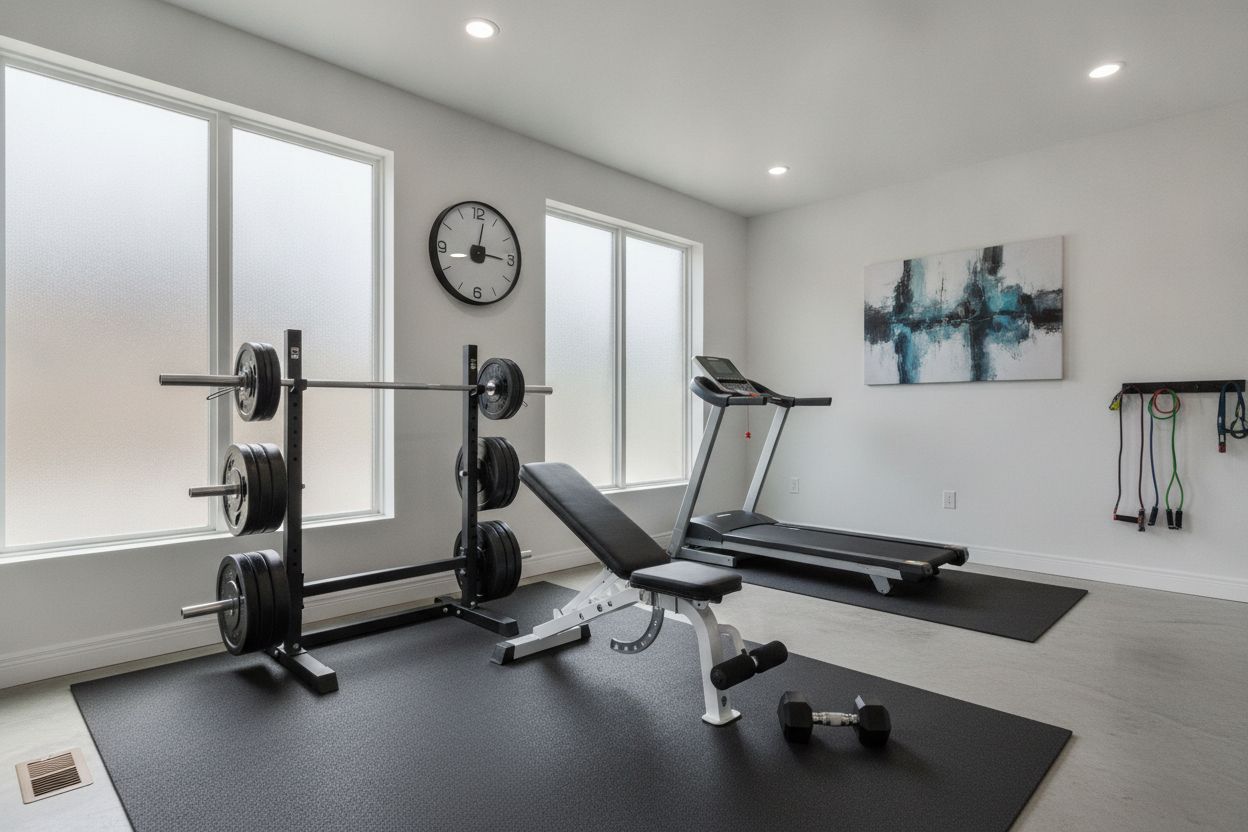
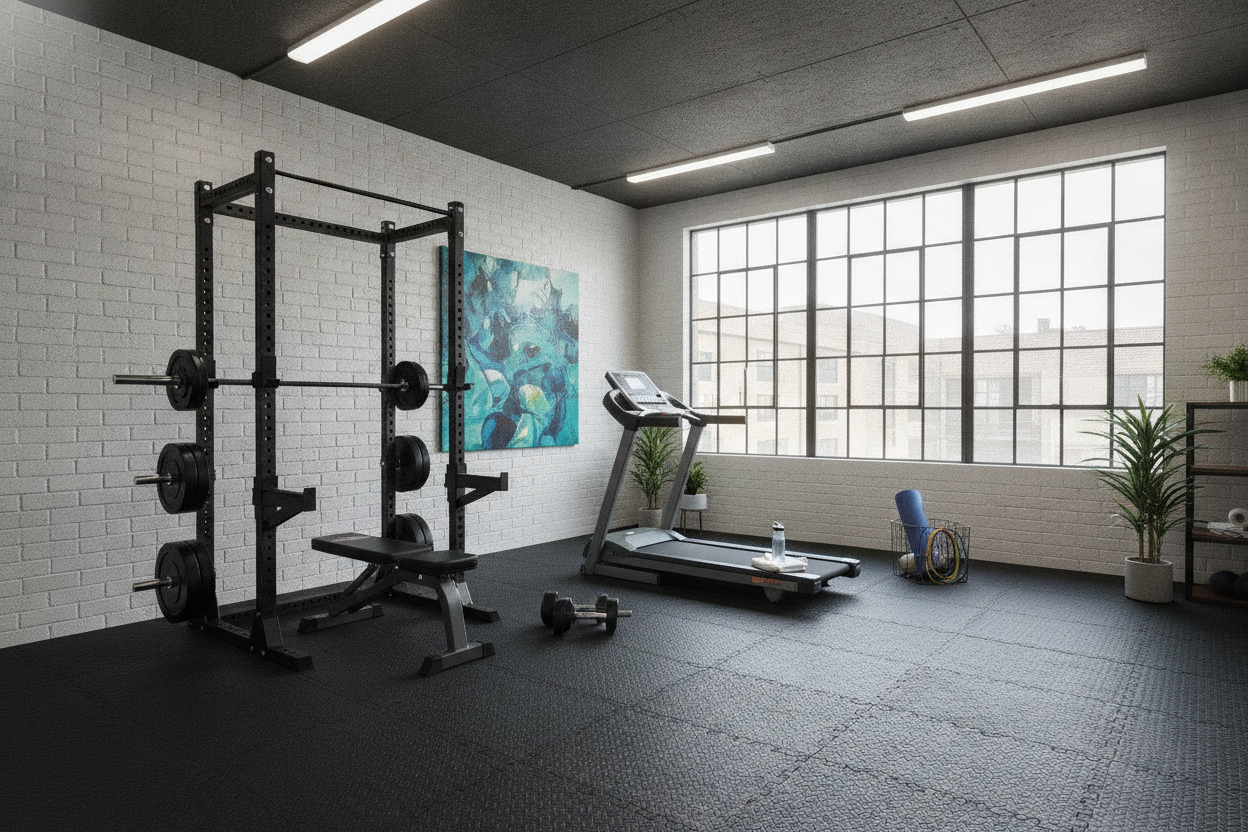
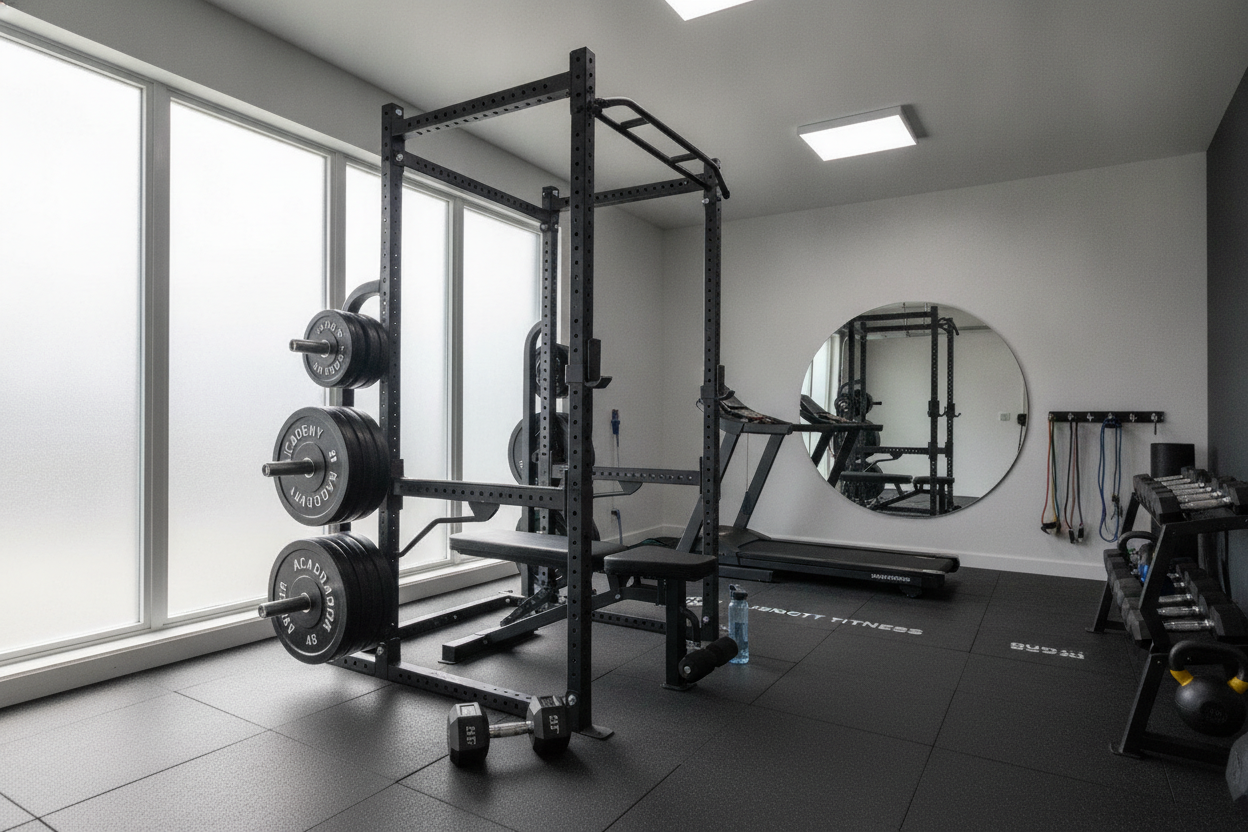
I remember staring at my bank statement after my local commercial gym hiked their monthly fee for the third time in two years. I drove straight to the nearest big-box store, walked past the fishing lures, and stood in front of a rack of academy weights wondering if I was about to waste three hundred bucks on iron that would crack like a saltine the first time I set it down too hard.
Quick Takeaways
- Raw cast iron plates are the best value play in the store.
- Avoid the plastic-coated cement weights unless you enjoy cleaning up sand.
- Weight tolerance on budget iron can vary by 2-3%, so keep a scale handy.
- The hex dumbbells are surprisingly durable for home use.
The Big Box Store Stigma: Is Cheap Iron Really That Bad?
Home gym culture has become a bit elitist lately. If your plates don't have a specific boutique logo or a custom powder coat, some guys on the internet act like you aren't actually training. I used to be that guy until I realized that gravity doesn't care about branding. A 45-lb plate just needs to be 45 pounds.
The hesitation many lifters feel when buying weights academy sports sells usually comes down to 'buy once, cry once.' We've all seen the horror stories of cast iron snapping or weights being five pounds off. But for the average garage gym owner, the premium markups on high-end brands often pay for aesthetics, not performance. If you are just trying to get strong in your garage, budget iron is a legitimate shortcut to a full rack.
What I Actually Liked About Sports Academy Weights
The standard cast iron 'Olympic' plates are the hidden gems here. They have that classic old-school clank, and while the finish might chip over a decade of abuse, the structural integrity is solid. I've put their 45s through hundreds of deadlift sessions and they are still round and heavy.
The rubber-coated hex dumbbells are another win. I've dropped the 50-pounders from shoulder height onto rubber mats more times than I can count, and the heads haven't budged. You can save a fortune by buying these basics locally. Just make sure you spend those savings on a high-quality foundation like a Gxmmat adjustable weight bench. There is no point in owning heavy dumbbells if you are trying to press them on a flimsy frame that wobbles every time you take a breath.
The Stuff You Should Absolutely Avoid (Unless You Like Buying Twice)
Not everything in the aisle is a winner. Stay far away from the 'vinyl' or plastic-coated weights filled with cement. They are bulky, they leak sand if the shell cracks, and they feel like toys. They take up so much room on the sleeve that you'll run out of space before you even hit a decent working weight.
Also, the entry-level barbells are usually a trap. They often have a low weight capacity (sometimes as low as 300 lbs) and the knurling is either non-existent or feels like a cheese grater. If you are planning on doing heavy pulls, skip the store-brand iron plates for your main lifts and invest in proper bumper plate sets. Real rubber bumpers are designed to take the impact that budget cast iron just isn't built for.
How to Program a Brutal Workout With Budget Gear
You don't need a thousand pounds of steel to get a massive stimulus. If you've maxed out the heaviest sports academy weights available, it's time to change how you move them. I've used 40-lb dumbbells to absolutely wreck my quads just by changing the cadence of the lift.
Instead of racing through reps, try a 4-0-2-0 tempo. That means four seconds on the way down, no pause, and two seconds on the way up. It creates incredible muscle tension without needing a massive rack of plates. If you want to dive deeper into this, read up on why tempo beats heavy weights for hypertrophy. It's the best way to make 'cheap' gear feel like a heavy-duty challenge.
Scaling Up: When to Graduate from Basic Iron
There comes a day when you outgrow the big-box aisle. Maybe you're chasing a 500-lb deadlift and you need a bar with better whip, or maybe you're tired of the noise of clanking iron. That is the natural progression of a home gym. You start with the affordable basics and slowly swap in specialized pieces as your strength demands it.
Once you have your base of iron, you can start blending free weights and machines to round out your physique. Adding a functional trainer or a high-quality cable tower alongside your budget plates gives you the best of both worlds: the raw power of iron and the constant tension of cables.
Final Verdict: When to Save and When to Splurge
Buy the cast iron plates and the hex dumbbells from the store. They are simple, effective, and cheap. Splurge on your barbell, your bench, and your flooring. Those are the touchpoints that determine the safety and 'feel' of your workout. If you stick to that rule, you'll have a pro-level gym for a fraction of the cost.
FAQ
Are academy weights accurate?
Usually within 2-3%. If you are a competitive powerlifter, that matters. If you are just trying to get bigger arms in your garage, it's a rounding error. Just weigh them once and mark the actual weight with a silver sharpie if you're worried.
Do the iron plates rust?
If your garage is humid, yes. A quick coat of cheap spray paint or a light wipe-down with 3-in-1 oil once a year keeps them looking decent. Iron is iron; it's a lifetime tool if you treat it with a modicum of respect.
Can I drop the cast iron plates?
On a platform or heavy mats? Occasionally. But they aren't bumpers. If you drop cast iron repeatedly on bare concrete, you will eventually crack a plate or, worse, your foundation. Use them for controlled movements.